How to Remove Debris From Your Outdoor AC Unit
Improve cooling efficiency and extend your AC's life by safely clearing debris from the outdoor condenser unit. Find DIY steps, safety boundaries, and cost-smart pro advice.
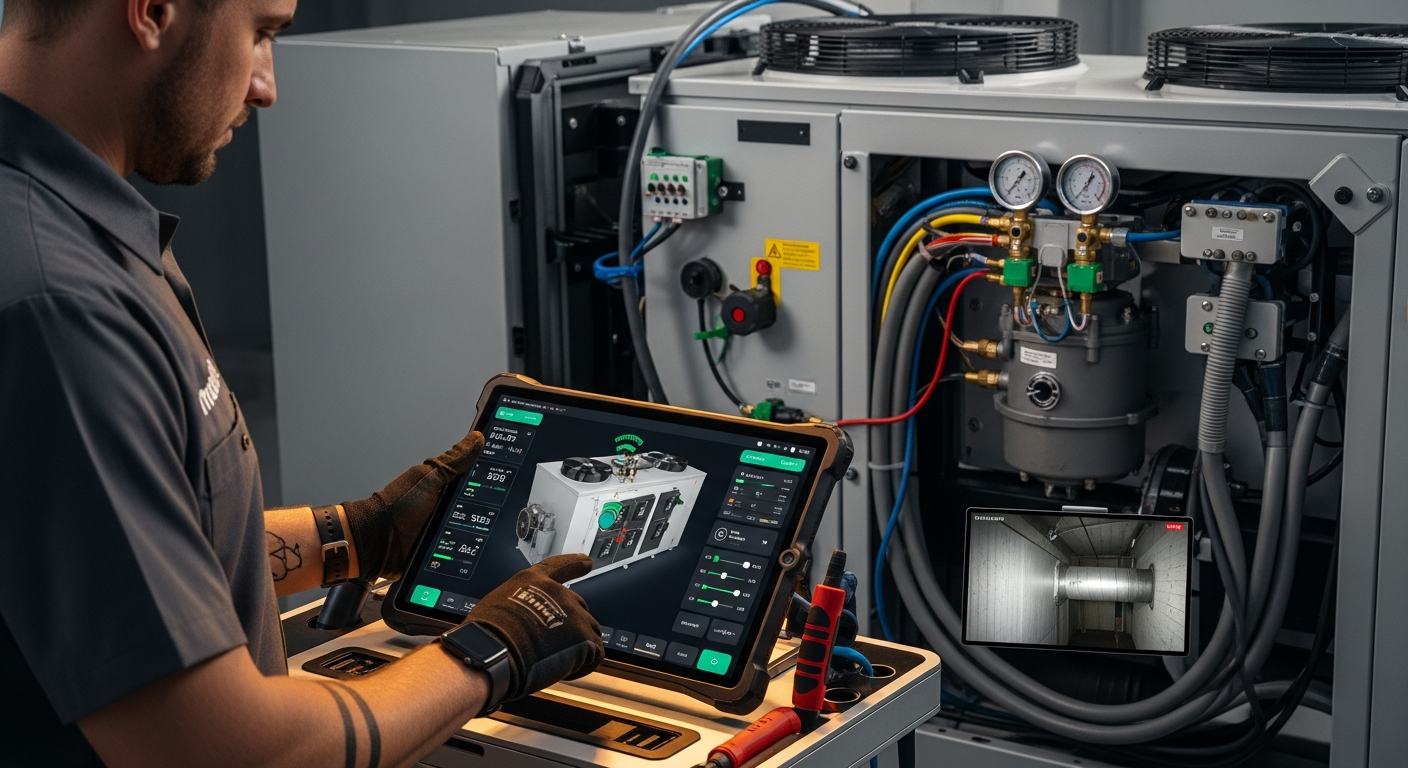
DIY routine debris removal is safe and worthwhile; know when to stop and call a pro.
Homeowners can clear surface debris every few months to boost efficiency and prevent repairs. But when electrical, refrigerant, or motor symptoms appear, hiring a qualified technician is the only safe and effective path.
What Matters Most
- Turn off power and maintain a 2‑ft clearance before cleaning.
- Use only soft brush, vacuum, and garden hose – never a pressure washer.
- If ice, noise, or burning smell is present, call a pro immediately.
- Professional coil cleaning costs $100–$300 on average and includes fin repair.
- Regular cleaning can cut cooling costs by 10–15% and extend unit lifespan.
Strengths
- Immediate energy savings with no material cost
- Prevents costly heat‑related compressor failures
- Requires only basic tools and 20–40 minutes
- Improves indoor comfort during peak heat
- Easy to combine with other seasonal maintenance
Weaknesses
- Does not address internal electrical or refrigerant problems
- Bent fins from aggressive cleaning can reduce performance
- Incomplete drying after rinsing can cause corrosion in some climates
- Homeowners may overlook hidden damage inside the cabinet
- Not a substitute for annual professional tune‑ups
DIY vs. Pro Debris Cleaning
| Scenario | Usually do | Why |
|---|---|---|
| Light surface debris, fins straight | DIY cleaning | Free, fast, and low‑risk; restores airflow immediately |
| Thick mat of grass, more than 20% fins bent | Hire a pro | High‑risk of bending more fins; pro combing and deep clean needed |
| Unit is iced up or making noise | Hire a pro immediately | Indicates refrigerant or electrical fault – not safe for DIY |
| Routine seasonal maintenance | DIY for exterior, pro for tune‑up | DIY clears exterior; pro checks electrical, capacitors, and refrigerant |
Quick Answer
You can safely clear surface debris from your outdoor AC condenser by powering off the unit, manually removing large debris, vacuuming fins with a soft brush, and rinsing with a garden hose. Heavier buildup, crushed fins, or electrical/refrigerant issues require a pro. DIY cleaning takes 20–40 minutes and can improve efficiency by up to 15%, saving you money on energy bills immediately.
Why Debris Removal Matters
Your outdoor condenser works by releasing heat from your home into the outside air. When leaves, grass clippings, cottonwood, or dirt clog the coil fins, the unit can’t breathe. That drives up energy use by 5–15%, shortens equipment life, and can lead to costly breakdowns. A quick seasonal clean‑up is one of the highest‑impact DIY maintenance tasks you can do.
Safety Boundaries
Before touching the unit, locate the electrical disconnect box and turn the power off. Double‑check by adjusting your thermostat to confirm the fan does not spin. Never remove panels that give access to wiring, capacitors, or refrigerant lines unless you are a licensed technician. You are safe to clean the exterior coils and clear the surrounding area, but if you notice any of the following, stop and call a pro:
- Oil or refrigerant stains (shiny, greenish liquid)
- Buzzing, humming, or grinding noises from the electrical compartment
- Ice on the copper lines or coils
- Burned or frayed wires
- Visible damage to the fan blade or motor
For those situations, find a qualified HVAC contractor to diagnose and repair safely.
Step‑by‑Step DIY Debris Removal
- Clear the perimeter. Trim vegetation back so at least 2 feet of open space surrounds the unit. Remove piled leaves, mulch, or stacks of wood.
- Manually remove large debris. With work gloves, pull twigs, pine needles, and clumps of grass from the protective grille.
- Look inside from the top. If you have a top‑mounted fan, shine a light down into the cabinet and remove any leaves that have fallen to the bottom.
- Vacuum the fins. Use a shop vac with a soft brush attachment. Sweep vertically up and down the fins, never side‑to‑side, to avoid bending them. Do not press hard.
- Rinse with a garden hose. Set the nozzle to a gentle spray and direct water at a 45‑degree angle from top to bottom. Never use a pressure washer — it will flatten fins and ruin airflow.
When to Call a Pro & Estimated Costs
If the cleaning above doesn’t restore performance, or if you find deeper problems, get a professional diagnosis. Below are editorial estimates for common services.
| Scenario | Typical Service | Editorial Cost Range |
|---|---|---|
| Light surface debris | DIY cleaning (your time) | Free |
| Heavily clogged coils / more than 20% fins bent | Professional coil cleaning & fin combing | $100–$300 |
| Strange noises, ice, or electrical smell | Diagnostic visit + repair | $80–$200 visit + repair ($150–$1,500 depending on issue) |
| Annual tune‑up (includes coil cleaning) | Preventive maintenance visit | $80–$250, or $150–$500 for an annual plan |
Prices vary by region, system size, and access. Always get at least three quotes. Use our cost estimator to see typical pricing in your area, and run quotes through our quote checker to flag overcharges.
Decision Rules: Should You DIY or Hire?
- DIY if: you can see and remove debris easily, fins are mostly straight, the unit is not icing or making noise, and you can safely turn off power.
- Call a pro if: the unit is encased in ice, you smell burning, the fan blade wobbles, the circuit breaker trips after cleaning, or you can’t access the disconnect safely.
- Call a pro immediately if: refrigerant is leaking, the compressor won’t start, or the system is more than 12 years old and needs major work. Use the repair‑or‑replace calculator to decide if a new system makes more sense.
Tools to Make Smarter Decisions
In addition to the cost and quote tools above, try:
- BTU Calculator – see if your unit is sized correctly (oversized systems short‑cycle and collect more debris).
- Rebate Finder – check if upgrading to a high‑efficiency unit qualifies for incentives.
- How to Clean AC Coils Without a Professional – related guide if deeper cleaning is safe.
- Contractor Comparison – evaluate pros before you hire.
Local Considerations
- Hot, dry climates (e.g., Phoenix, Las Vegas): Dust and sand clog fins quickly. Check monthly in summer. Use a fine‑grit vacuum brush. Phoenix AC contractors often include coil cleaning in tune‑ups.
- Humid, coastal areas (e.g., Florida, Gulf Coast): Salt air corrodes aluminum fins. Rinse with fresh water every 2–4 weeks in cooling season. Look for white, chalky corrosion – that requires a pro.
- Cold climates (e.g., Chicago, Minneapolis): Before winter, clean and cover the unit (with a breathable cover or plywood top only) to prevent ice damage. Chicago heating contractors can do off‑season coil cleaning at lower rates.
- Older homes (pre‑1990): Obsolete R‑22 units often leak refrigerant. If you notice oil stains, get a pro immediately – R‑22 is rare and expensive.
Contractor Checklist: Questions to Ask Before Booking
- Are you licensed, bonded, and insured in my state? (Verify at Contractor Comparison)
- Does your diagnostic fee apply to the repair if I proceed?
- Will you provide a written, itemized estimate before starting?
- Do you use a fin comb or chemical cleaner for coil cleaning?
- What is your labor warranty, and will you show me the condition of parts you replace?
- Can you perform an airflow test and check refrigerant pressures (only if needed)?
Methodology
Cost ranges are editorial estimates based on aggregated market data from HVAC contractors, home‑service platforms, and industry pricing reports. They are not guaranteed quotes. Actual prices depend on system details, local labor rates, seasonality, and parts availability. We recommend getting multiple bids and using our estimator for a personalized ballpark.
Frequently Asked Questions
1. How often should I remove debris from the outdoor unit?
Check seasonally: in spring to clear winter buildup, in fall before winter, and after nearby mowing or storms. In pollen or cottonwood season, inspect monthly.
2. What if I accidentally bend some fins during cleaning?
A few bent fins won’t ruin performance. If more than 20% are flattened, call a pro for fin combing (usually under $150). You can buy a fin comb, but incorrect use can worsen damage.
3. Can I spray the unit with a coil cleaner from the hardware store?
Yes, if you use a non‑acidic, foaming coil cleaner designed for outdoor condensers. Follow the label carefully, and rinse thoroughly. Never use bleach or degreasers not meant for HVAC.
4. Will clearing debris lower my electric bill?
Yes. A clean condenser can improve efficiency by 10–15%, saving $10–$25 per month during peak cooling. The payback is immediate since the task costs nothing.
5. My unit is still struggling after cleaning – what now?
Check your air filter and indoor coil. If both are clean, the problem could be low refrigerant, failing capacitor, or compressor issues. Use this inspection guide to identify symptoms before calling a pro.
Related articles
Connect this page to adjacent guides so readers keep moving deeper into the topic cluster.
How to Implement a Whole Home Energy Management System
Integrate smart tech and HVAC controls to cut energy waste. This guide shows how to audit, upgrade, and automate your home's energy use, with real savings estimates.

How to Set Up Thermostat Geofencing
Set up thermostat geofencing to automatically adjust home temperature as you come and go. Save energy, extend equipment life, and never return to an uncomfortable house. Get our quick-start guide now.
How to Troubleshoot Smart Thermostat WiFi Issues
Your smart thermostat offline? Most WiFi drops can be fixed with power checks, router adjustments, and simple restarts. Follow our step-by-step guide to regain remote control and energy savings.