HVAC Installation Cost in Boise
Plan your Boise HVAC upgrade with confidence. See typical costs, efficiency sweet spots, and 5 steps to avoid overpaying in the Treasure Valley.
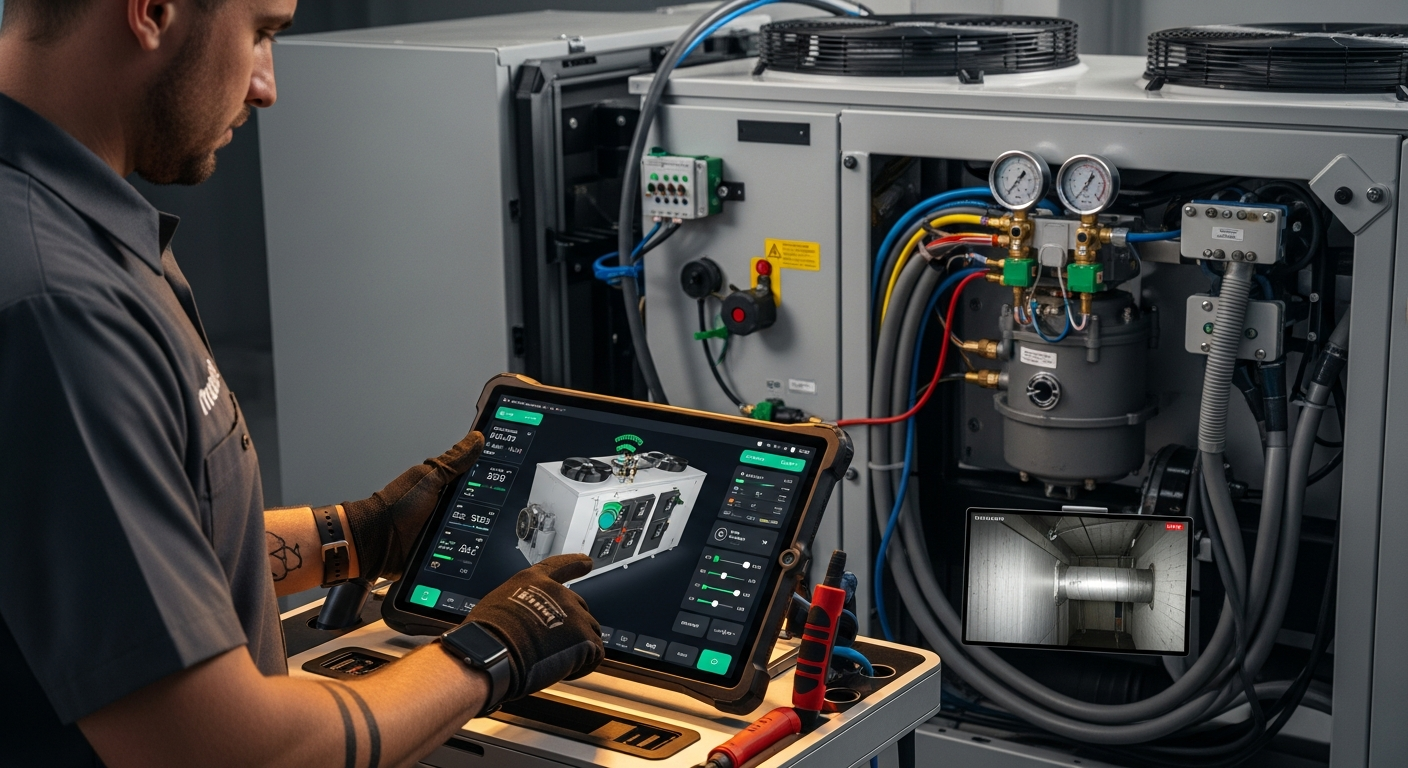
Do Your Homework Before You Call
Smart homeowners research their home’s needs and local cost norms before inviting bids. This prevents overselling and helps you spot fair prices.
What Matters Most
- Always get at least three written quotes and compare them using our tool.
- Target 15–18 SEER2 for the best balance of upfront cost and long-term savings in Boise.
- Check for Idaho Power and Intermountain Gas rebates before finalizing your system choice.
- Never skip the permit—unpermitted work risks safety, resale, and insurance issues.
- Replace your system if it’s over 15 years old and repairs exceed 50% of a new unit’s cost.
Strengths
- Provides transparent editorial cost ranges tailored to the Boise market.
- Links to practical, no‑sign‑up tools that help homeowners make data‑driven decisions.
- Clear safety boundaries protect homeowners from dangerous DIY mistakes.
- Emphasizes the importance of Manual J load calculations over rule‑of‑thumb sizing.
Weaknesses
- Actual prices can spike significantly if extensive ductwork or electrical upgrades are needed.
- Rebate programs change frequently; always verify current offers on the rebate finder.
- Simple ‘tonnage per square foot’ rules can mislead—a load calculation is essential.
- Scheduling in peak seasons could mean wait times of 2–4 weeks for top contractors.
Decision Summary: Repair or Replace?
| Scenario | Usually Do | Why |
|---|---|---|
| System under 10 years, minor repair ($150–$650) | Repair | Low cost, plenty of life left; maintain regularly. |
| System over 15 years, major repair ($1,500+) | Replace | High repair cost relative to system value; new unit saves energy. |
| System uses R‑22 refrigerant (pre‑2010) | Replace | R‑22 is phased out and expensive; new units use efficient R‑410A or R‑32. |
| Yearly energy bills climbing 20%+ without explanation | Replace | Indicates declining efficiency; invest in a high‑SEER2 system. |
| Home is comfortable, recent repair under $500 | Repair | Minimal expense; track performance and start saving for future replacement. |
Quick Answer: Boise HVAC Installation Costs
Most Treasure Valley homeowners spend between $6,000 and $13,000 for a full system replacement (furnace + AC or heat pump). A basic gas furnace and 14 SEER2 AC might run $5,500–$8,000, while a high‑efficiency heat pump with smart controls often falls between $11,000 and $18,000. These are editorial estimates, not firm quotes—your final price depends on home size, ductwork condition, and the contractor you choose.
Boise’s Climate: What It Means for Your HVAC
Boise sees freezing nights in winter (average lows in the 20s) and 90°F+ days in summer. Humidity is low, but dust and wildfire smoke can stress filters and outdoor coils. Heat pumps are gaining popularity because they handle both heating and cooling efficiently in moderate climates. However, many homes still rely on gas furnaces for deep cold snaps. If you switch fuel types—say, from electric to gas—expect higher labor costs for new venting and gas lines.
Key Cost Factors at a Glance
| Factor | Typical Impact | Boise Notes |
|---|---|---|
| System type | $3,000 – $12,000+ | Gas furnace + AC is most common; heat pumps are rising |
| Efficiency (SEER2 / AFUE) | Adds 15–30% upfront | 15–18 SEER2 is sweet spot; 95%+ AFUE for furnaces |
| Home size (tonnage) | 2–5 ton systems | 1,500 sq ft ≈ 2.5–3 tons; larger homes need more |
| Ductwork condition | $1,500 – $4,000 extra | Many older Boise homes have leaky, undersized ducts |
| Installation complexity | $500 – $3,000+ | Tight crawlspaces, new electric panel, lineset length |
| Permits & inspections | $100 – $300 | Required by Boise / Ada County |
Additional Costs You Shouldn’t Ignore
- Ductwork repair or replacement: Leaky ducts waste 20–30% of conditioned air. Our cost estimator can ballpark ductwork expenses.
- Thermostat upgrade: A smart thermostat ($200–500) pays for itself through energy savings and qualifies for Idaho Power rebates.
- Electrical panel upgrade: If your panel can’t handle a new heat pump or AC, budget $1,500–$3,500.
- Old equipment removal & disposal: Usually included, but clarify with your contractor.
Efficiency Sweet Spot for Boise
Our editorial analysis suggests the best value is a 16 SEER2 AC or heat pump paired with an 80% or 95% AFUE furnace. Going above 18 SEER2 rarely recovers the extra cost in Boise’s moderate cooling season. Use our BTU calculator to right‑size your system before getting quotes.
When to Replace vs. Repair: A Decision Tree
Click to open decision rules
- Repair if: System is under 10 years old, repair cost is less than 30% of a new system, and major components (compressor, heat exchanger) are in good shape.
- Replace if: System is over 12–15 years old, or repair exceeds 50% of new system cost, or you face frequent breakdowns (3+ calls/year), or energy bills are rising 20%+ year over year.
- Strongly consider replacement: If using R‑22 refrigerant (phased out, expensive to recharge) or if your furnace has a cracked heat exchanger (safety risk).
Use our repair-or-replace calculator for a personalized recommendation.
Safety Boundaries: What Only Pros Should Handle
Homeowners can safely:
- Replace air filters monthly during heavy use.
- Check thermostat batteries and settings.
- Keep outdoor unit clear of debris and vegetation.
- Inspect visible duct seams for tape gaps—mark them for a contractor.
- Listen for unusual noises (grinding, squealing) and report them.
Do NOT attempt:
- Refrigerant handling—requires EPA certification and specialized tools.
- Gas line work or combustion chamber adjustments—risk of leaks, carbon monoxide.
- Replacing capacitors, contactors, control boards, or high‑voltage wiring—shock and fire hazards.
- Compressor or motor replacement—heavy, high‑voltage, and requires precise electrical matching.
- Bypassing safety switches or pressurizing the system without proper gauges.
Call a licensed HVAC professional for any repair involving these components. Find a pre‑vetted contractor near you.
Tools to Plan Your Budget
Before calling contractors, run these quick self‑service tools:
- HVAC cost estimator – personalized price range based on your zip code and home specs.
- Quote checker – upload an estimate to see if it’s fair.
- Repair vs. replace calculator – math‑backed decision help.
- Rebate finder – see Idaho Power and Intermountain Gas incentives.
Contractor Checklist: 10 Questions Before You Sign
- Are you licensed and insured in Idaho? Can you share your license number?
- Will you pull the required Boise / Ada County mechanical permit?
- Does the quote include all labor, materials, permits, and disposal?
- What’s the exact model number of the proposed equipment? (Research its SEER2/AFUE ratings.)
- How do you size the system—Manual J load calculation or rule‑of‑thumb? (Insist on Manual J.)
- Will you inspect and seal ductwork, or is that extra?
- What warranty do you offer on labor, and what does the manufacturer cover?
- Can you provide 3 recent local references from my neighborhood?
- How do you handle unexpected issues like asbestos or electrical upgrades?
- What rebates will you help me claim from Idaho Power/Intermountain Gas?
Use our contractor comparison tool to evaluate multiple bids side‑by‑side.
How We Create These Recommendations
This guide combines published industry data, regional labor rate surveys, local permit requirements, and typical equipment costs in the Treasure Valley. Our editorial team updates estimates quarterly. Real‑world pricing varies by season, home specifics, and contractor overhead. Treat all numbers as planning ranges—always get at least three written quotes.
Frequently Asked Questions
What’s the cheapest time of year to install HVAC in Boise?
Spring and fall (April–May; September–October) are shoulder seasons when contractors have more availability and may offer small discounts or faster scheduling.
Do I really need a permit for a like‑for‑like replacement?
Yes. Boise and Ada County require a mechanical permit even for simple swaps. A licensed pro will handle it; unpermitted work can cause insurance and resale headaches.
Is a heat pump worth it in Boise’s climate?
For many homes, yes. Modern cold‑climate heat pumps work well down to 0°F, but a backup heat source (gas or electric strips) adds peace of mind during rare deep freezes.
How long does a full HVAC installation take?
A straightforward furnace and AC swap usually takes 1–2 days. Adding ductwork, electrical work, or a heat pump conversion may extend to 3–5 days.
Can I get a rebate for a high‑efficiency system?
Yes. Idaho Power offers rebates for high‑efficiency AC and heat pumps ($200–$800+); Intermountain Gas has rebates for 95%+ AFUE furnaces. Check our rebate finder for current offers.
Local Context
HVAC advice changes by market. In hot cities such as Phoenix or Las Vegas, cooling failures become urgent faster and summer schedules fill quickly. In humid markets such as Houston, Tampa, or Miami, drainage, mold risk, and humidity control matter as much as temperature. In cold markets such as Chicago or Minneapolis, no-heat calls can become safety issues during severe weather. Coastal homes may see faster outdoor-unit corrosion, while older homes often need duct, electrical, venting, or access corrections before equipment performs as advertised.
Methodology
HVACDatabase estimates combine common contractor price patterns, service-category pricing ranges, equipment complexity, urgency, regional labor variation, and known HVAC safety boundaries. Actual prices vary by city, brand, system size, access, warranty status, permit requirements, and whether the visit discovers ductwork, electrical, refrigerant, gas, or drainage issues. Use these numbers to sanity-check quotes, not as a guaranteed price.
Related articles
Connect this page to adjacent guides so readers keep moving deeper into the topic cluster.
Cost to Install Multiple Smart Thermostats
Get a clear cost breakdown for installing 2–4+ smart thermostats. Includes equipment, labor, zoning upgrades, and how to save with utility rebates. Practical checks and contractor questions inside.

Duct Booster Fan Installation Cost
Uneven room temps? Duct booster fan installation costs: register fans $30–$100 DIY, inline fans $500–$800+ with pro. Learn when a booster works and when you need a bigger fix.

Makeup Air Unit Installation Cost Guide
Expect to pay $1,500–$4,500 for a pro-installed makeup air unit. Discover passive vs. tempered options, code triggers, and money-saving decision rules.