HVAC Installation Cost in Minneapolis
Minneapolis homeowners: Get clear HVAC install cost ranges ($7,000–$14,000+) and decision rules for furnace, AC, or heat pump. Use our tools, safety checklist, and pro-finding tips to avoid overpaying.
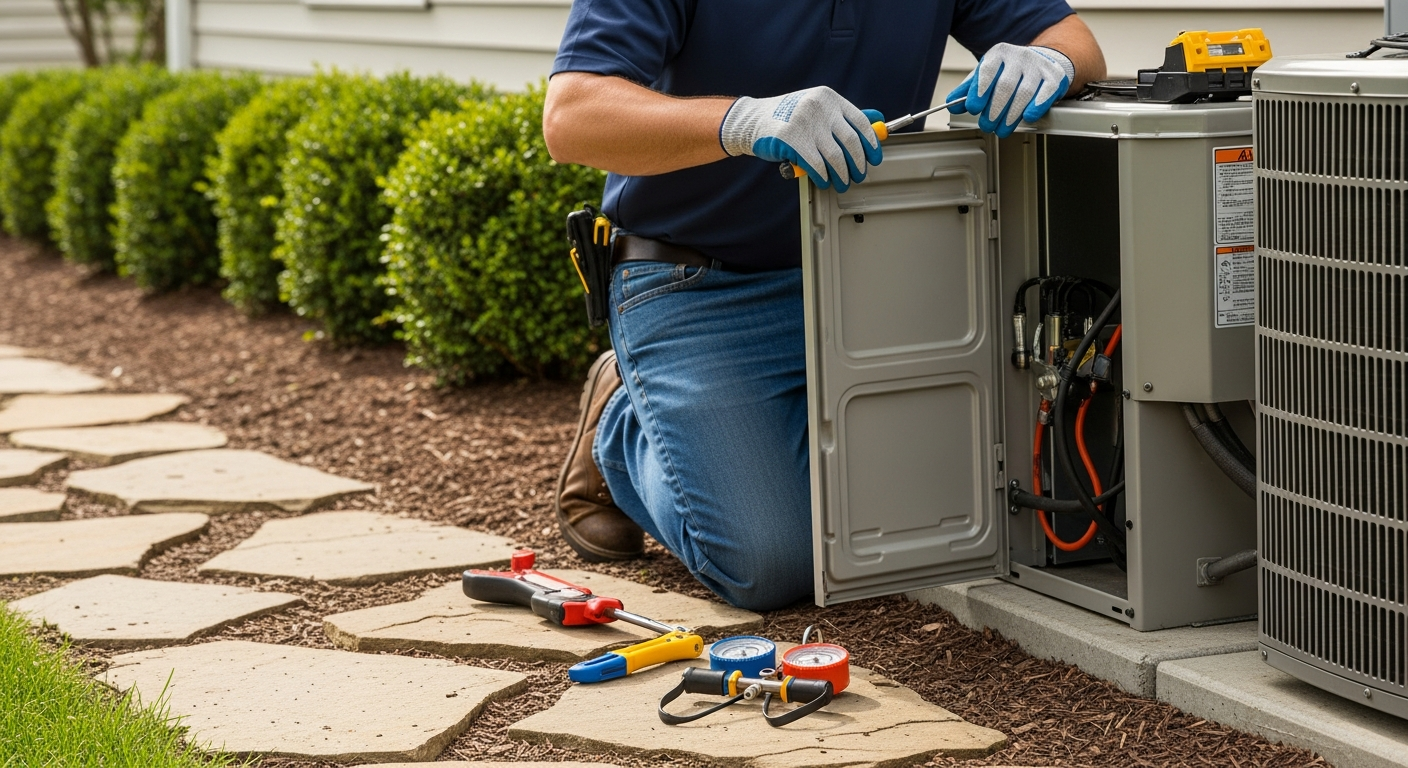
In Minneapolis, a new HVAC system is a major investment—one you’ll rely on for brutal winters and sticky summers. A typical full-system installation (furnace + AC) runs between $7,000 and $14,000, while a high-efficiency heat pump might push $18,000+ after rebates. These numbers aren’t fixed; they depend on home size, ductwork condition, and equipment efficiency. Before you call a contractor, use our decision tools to avoid costly oversizing or outdated quotes. We’ve built this guide to give you clear, actionable cost ranges, a safety checklist, and the exact questions to ask any Minneapolis HVAC pro.
Quick Answer: What’s the true cost to install HVAC in Minneapolis?
Here’s what Minneapolis homeowners typically pay, based on 2024 market data and editorial analysis of local labor and equipment rates:
- Gas furnace only (high-efficiency): $3,000–$6,000 installed
- Central air conditioner only: $3,500–$6,500 installed
- Complete system (furnace + AC): $7,000–$14,000+
- Heat pump (air-source, cold-climate rated): $7,000–$18,000+
- Ductless mini-split per zone: $3,000–$8,000
- Ductwork replacement or major repair: $2,000–$5,000 additional
All prices are editorial estimates, not quotes. Final costs depend on home size, existing ductwork, and the contractor’s labor rate. Get at least three in-person quotes after using our HVAC cost estimator to set a realistic budget.
What drives your Minneapolis HVAC installation price?
| Factor | How it affects cost | What you should know |
|---|---|---|
| System size (BTUs/tons) | Larger homes need bigger units; price increases $800–$2,000 per ton | Always demand a Manual J load calculation. Oversizing leads to mold, noise, and early failure. Use our free BTU calculator for a rough estimate before you talk to pros. |
| Efficiency ratings (SEER2, AFUE) | High-efficiency equipment (96% AFUE furnace, 17+ SEER2 AC) costs more upfront but saves $200–$500/year on utility bills | In Minneapolis, a 96% furnace often pays back within 5–8 years. Check rebate finder for Xcel and CenterPoint incentives. |
| Ductwork condition | Leaky, uninsulated ducts can add $2,000–$5,000 for repair or replacement | Old Minneapolis homes frequently need ductwork upgrades. A sealed system is mandatory for new equipment efficiency. |
| Labor and local codes | 40–50% of the total bill; permits cost $100–$300 | Minneapolis requires licensed contractors and permits. A pro who skips permits is a red flag. |
| Brand and warranty | Premium brands (Trane, Carrier) can be 10–20% pricier than value lines (Goodman, Daikin) | Installation quality matters more than brand. Look for a 10-year parts & labor warranty. |
Decision rules: Repair or replace? Furnace or heat pump?
Use these clear thresholds to decide your next move before you call a contractor.
Repair vs. replace
- Replace your system if: The repair costs more than 50% of the new unit price; the existing unit is over 12 years old; or a major component (compressor, heat exchanger) has failed. Use our repair-or-replace calculator to quantify the break-even point.
- Repair if: The unit is under 8 years old and the fault is minor (capacitor, thermostat) costing under $1,500. Otherwise, rising energy bills and frequent breakdowns signal it’s time for an upgrade.
Furnace or cold-climate heat pump?
- Choose a high-efficiency gas furnace (96% AFUE) if your home already has gas lines, you prefer traditional warm air, and you want the lowest operating cost during extreme cold snaps.
- Consider a cold-climate heat pump if you want year-round heating and cooling from one unit, you’re electrifying your home, or you seek lower carbon emissions. Prices start higher, but federal and local rebates can offset $2,000–$5,000.
- Dual-fuel system (heat pump + furnace) is optimal for variable winters: the heat pump handles mild days, the furnace kicks in during sub-zero weather. This setup maximizes efficiency but often costs $2,000–$4,000 more upfront.
Safety boundaries: What you can check, what requires a licensed pro
HVAC systems involve high voltage, flammable gas, and pressurized refrigerant. Improper handling can cause injury, fire, or code violations. Know your limits.
Safe for homeowners:
- Replace disposable air filters every 1–3 months. Check the arrow for airflow direction.
- Inspect visible duct runs in basements or attics for gaps, dents, or disconnected joints.
- Test the thermostat: switch modes and verify the system responds. Replace batteries if needed.
- Clear snow, ice, and debris from outdoor unit coils (gently with a soft brush, no water pressure).
- Keep supply and return vents unblocked by furniture or rugs.
Licensed pros only (do NOT attempt yourself):
- Electrical wiring, circuit breaker connections, or capacitor replacements.
- Gas line hookups, pressure testing, or combustion chamber work.
- Refrigerant charging, leak detection, or any work on refrigerant lines.
- Compressor or motor replacement, control board diagnosis, or safety-switch adjustments.
- Anything requiring permits (new circuits, gas lines, structural ductwork changes).
If you notice a burning smell, gas odor, or ice on the outdoor unit, shut the system off and call a licensed Minneapolis HVAC contractor immediately.
Use our free HVAC tools to plan before you pay
Stop guessing. These calculators give you data-backed estimates to compare contractor bids confidently.
- HVAC Cost Estimator: Enter your zip and home details for a localized budget range.
- BTU Calculator: Get the approximate heating/cooling load so you’re not sold an oversized system.
- Rebate Finder: Check Xcel Energy, CenterPoint, and federal tax credits for high-efficiency equipment.
- Repair-or-Replace Calculator: See if a fix or full replacement saves more over the next 5 years.
Minneapolis-specific HVAC realities
The Twin Cities bring challenges no coastal homeowner faces. Here’s what matters most:
- Bitter cold: Design temperatures drop to -10°F or lower, so your furnace or cold-climate heat pump must be sized for that extreme. Standard heat pumps lose capacity below 0°F unless specifically rated for cold climates.
- Old homes with radiators or uninsulated ducts: Many Minneapolis homes built before 1960 have hydronic heating (boilers) or poorly insulated sheet metal ducts. Retrofitting central air can easily add $3,000+ for ductwork creation. For homes with boilers, ductless mini-splits may be the smartest add-on.
- Permits and code enforcement: Minneapolis requires a mechanical permit for most HVAC replacements. A legitimate contractor pulls it and schedules inspection. Never let a pro talk you out of a permit—it protects the resale value of your home.
- Utility rebates: Xcel Energy offers up to $500 for qualifying heat pumps, and CenterPoint has furnace rebates. Always check the current offers on their websites or via our rebate finder.
- Shoulder-season comfort: A heat pump that works in spring and fall can reduce gas consumption and prevent 30+ days of furnace cycling, easing wear on your heating system.
Minneapolis contractor checklist: 7 questions to ask before hiring
- “Will you perform a Manual J load calculation?” – If they answer “I’ll just use the old system size,” walk away. Modern homes need accurate sizing.
- “Are you licensed and insured for work in Minneapolis?” – Ask for the license number and verify it on the city’s website.
- “What permits do you pull, and who handles the inspection?” – They must handle both; it’s non-negotiable.
- “Do you offer a written warranty on labor?” – One-year minimum; better companies offer 2–5 years.
- “Can you provide references from recent Minneapolis projects?” – Call them, especially for older home retrofits.
- “What efficiency ratings do you recommend for my home, and why?” – They should explain SEER2 and AFUE in terms of your specific utility bills, not just push a costly unit.
- “How will you test and balance the system after installation?” – They should measure airflow, refrigerant charge, and static pressure to ensure design efficiency.
Use our contractor comparison tool to gather and compare bids easily.
How we develop our cost estimates
Frequently asked questions
How long does a full HVAC install take in Minneapolis?
Plan on 1–3 days for a furnace and AC replacement, assuming no ductwork changes. Adding ductwork or converting from a boiler can extend the job to 3–5 days. Permits and inspections may add a few days of waiting, but a good contractor schedules them efficiently.
Should I get a heat pump in Minneapolis, given the cold winters?
Yes, if you choose a cold-climate model rated for -15°F or lower. Many homeowners pair a heat pump with an existing gas furnace (dual-fuel) so the furnace takes over below 0°F. This setup cuts gas use significantly. Pure electric heat pumps without backup can leave you uncomfortable during the coldest snaps unless you have a backup resistance strip or a well-insulated home.
Can I install just an air conditioner and keep my old furnace?
It’s possible, but not recommended if the furnace is over 12 years old. An efficient AC struggles if the furnace blower motor is outdated or airflow is poor. Replacing both at once usually costs 15–25% less than doing them separately because labor and permits overlap.
What’s the most common mistake Minneapolis homeowners make when buying HVAC?
Oversizing. A furnace that’s too big heats the house quickly but then shuts off, causing temperature swings and wasting energy. Insist on a Manual J calculation. Another mistake: ignoring ductwork. Leaky ducts can cut efficiency by 30%, making your new premium system perform like a budget one.
How do I qualify for Minneapolis HVAC rebates?
Use our rebate finder or check the Xcel Energy and CenterPoint Energy websites. Generally, you must install equipment that meets specific efficiency tiers (e.g., 96% AFUE furnace, 16 SEER2 AC) and be a residential customer. The contractor often files the paperwork; confirm this before signing.
Related articles
Explore related maintenance, equipment, and hiring questions.

Nest Learning Thermostat (4th gen) vs ecobee Premium
Both models offer remote room sensors. Compare the exact generation, wiring compatibility, controls, and installed quote before choosing.

MERV 11 vs MERV 13: check filtration and equipment compatibility
Compare particle filtration, verify the filter your equipment supports, and use a buying checklist without assuming a universal health or energy saving.

How to check an HVAC contractor before hiring
Use a documented shortlist: business identity, applicable credentials, job experience, a written scope, and a clear handover.