HVAC Installation Cost in Raleigh
What Raleigh homeowners really pay for HVAC installation: typical costs, system options, and how to avoid overpaying in a humid climate.
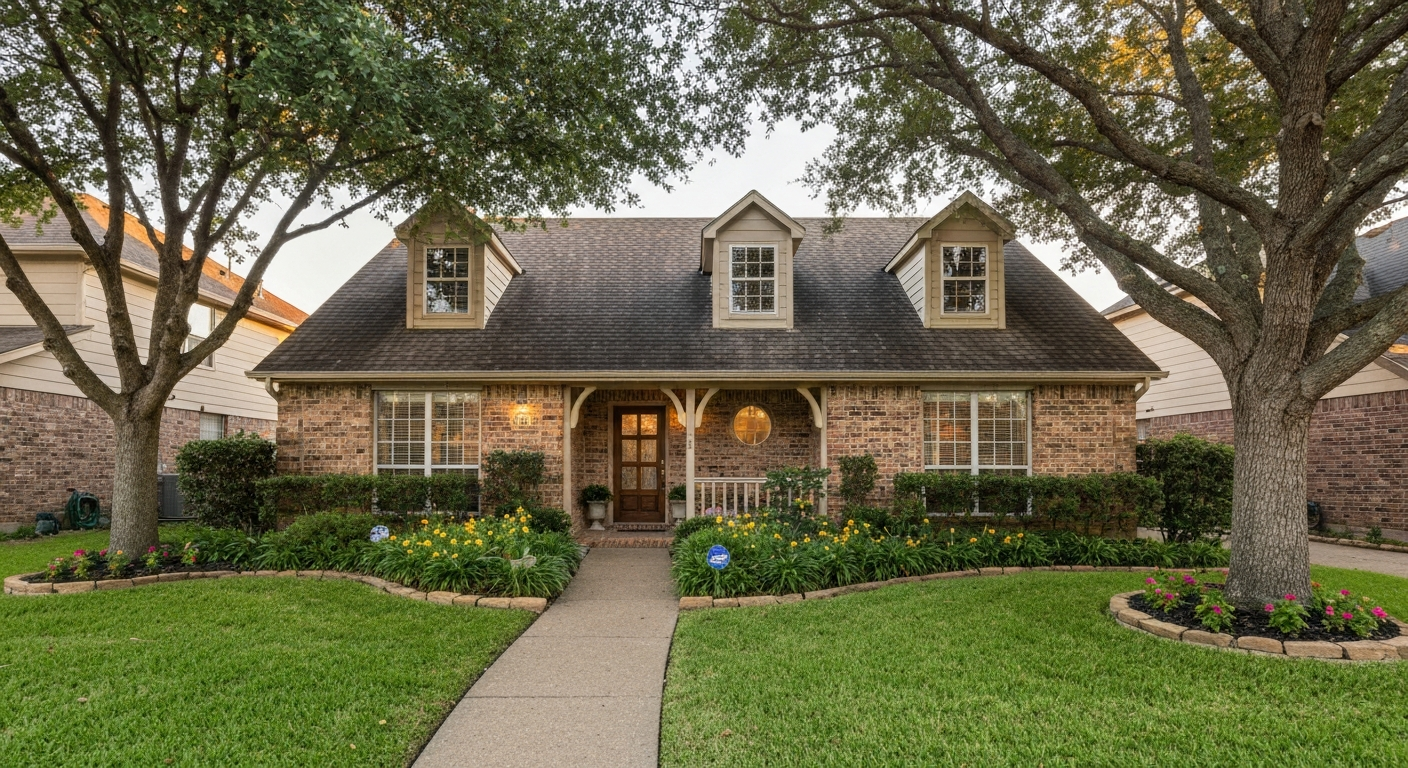
Quick Answer: Raleigh HVAC Installation Costs
Most Raleigh homeowners pay between $7,000 and $12,000 for a complete HVAC system replacement, including labor and permits. Simple AC-only swaps start around $4,500, while premium heat pumps can reach $18,000+. These ranges assume standard efficiency (14–16 SEER2) and no major ductwork modifications.
| System Type | Typical Installed Cost* | Best For |
|---|---|---|
| Central AC + Gas Furnace | $7,500 – $12,500 | Homes with existing gas lines; strong winter heating |
| Air Source Heat Pump | $8,000 – $16,000 | All-electric homes; efficient both heating & cooling |
| Ductless Mini-Split (per zone) | $3,500 – $6,500 | Additions, sunrooms, or homes without ductwork |
| High-Velocity System | $9,000 – $18,000+ | Historic homes with limited space for large ducts |
*Editorial estimate ranges. Final price depends on home size, brand, accessibility, and permit requirements.
1. Is It Time to Repair or Replace? Use These Decision Rules
Before jumping to a new system, run through this checklist. If you answer “yes” to any, a replacement likely offers better value.
- Age over 12 years? Most Raleigh systems last 12–15 years. Older units lack today’s efficiency and reliability.
- Repair estimate exceeds 30% of replacement cost? A $1,500 repair on a $5,000 replacement crosses the threshold. Use our Repair or Replace Calculator to get a personalized number.
- Rising energy bills despite maintenance? Declining SEER—or a failing compressor—often signals it’s time.
- Uneven temperatures or excessive humidity? May indicate duct problems or an undersized unit. Replacement with proper sizing solves this.
- Still using R-22 refrigerant? R-22 is phased out. Repair costs are skyrocketing. A new R-410A or R-32 system is the way forward.
Replacing in spring or fall (off-peak) can cut labor costs by 5–15% in Raleigh.
2. Key Factors that Shape Your Estimate
System Type & Efficiency
| Equipment | SEER2 Range | Premium Add‑on | Typical Premium |
|---|---|---|---|
| Central AC only | 13.4 – 20+ | Variable‑speed compressor | +$1,200–$2,500 |
| Heat pump | 14.3 – 22+ | Cold‑climate enhanced (works below 0°F) | +$800–$1,500 |
| Gas furnace (AFUE 80%‑96%) | N/A | Two‑stage or modulating gas valve | +$600–$1,200 |
Higher efficiency lowers monthly bills; aim for ENERGY STAR® certification.
Home Size & Load Calculation
Raleigh homes average 1,500–2,500 sq ft. Use our BTU Calculator or insist that a contractor perform a Manual J load calculation—never let them guess by “rule of thumb.”
Ductwork Condition
Leaky or undersized ducts waste 20–30% of conditioned air. Testing and sealing cost $300–$800. In older Raleigh neighborhoods (e.g., inside the Beltline), duct replacement may add $2,000–$4,000.
Labor & Permits
Wake County requires mechanical permits for HVAC replacements. Expect permit fees of $100–$250. Licensed pros handle the permitting process; verify by checking the Wake County Inspections page. Always confirm your contractor pulls the permit—unpermitted work can void home insurance and sale disclosures.
3. Where Your Money Goes: A Detailed Cost Table
| Component | Low‑End Estimate | High‑End Estimate | Notes |
|---|---|---|---|
| Equipment (indoor + outdoor) | $2,800 | $8,500+ | Based on 14–18 SEER2, major brands |
| Labor & installation | $2,500 | $6,000 | 30–50% of total; includes refrigerant |
| Duct modifications | $0 | $4,000 | If existing ducts are reusable |
| Electrical upgrades | $200 | $1,200 | New disconnect, surge protector |
| Permits & inspection | $100 | $250 | Mandatory in Wake County |
| Thermostat (smart/programmable) | $150 | $400 | Often included in package |
| Whole-home dehumidifier | $1,200 | $2,500 | Recommended for Raleigh’s humidity |
4. Safety Boundaries: What You Can (and Must Not) Do
Your safety and legal compliance are paramount. Stick to these limits:
- Safe for homeowners:
- Change air filters monthly during heavy use.
- Program thermostat for energy‑saving setpoints.
- Keep outdoor unit clear of debris and vegetation (2‑foot clearance).
- Visually inspect ductwork for obvious disconnects or crushed sections.
- Test the system after installation by running for 20–30 minutes and checking air flow and filter direction.
- Licensed professional only — do NOT DIY:
- Handling refrigerant (charging, recovery, leak repair).
- Gas line connections or combustion adjustments.
- Electrical panel work, capacitor, contactor, or control board replacement.
- Compressor or coil replacements.
- Modifying ductwork layout or sealing high-pressure parts.
- Altering safety switches or bypassing limit controls.
Warning: Improper DIY can cause injury, fire, or system failure, and will void warranties and building code compliance. Always hire a licensed, insured contractor for any refrigerant or electrical work.
5. Smart Tools to Lower Your Raleigh HVAC Cost
Use these free resources before calling a contractor:
- HVAC Cost Estimator: Compare local averages based on your home’s size and system type.
- Repair or Replace Calculator: Enter your repair quote and system age to get an unbiased recommendation.
- BTU Calculator: See if your current unit is correctly sized.
- Rebate Finder: Search for Duke Energy Progress and state rebates post-installation.
- System Age Decoder: Determine how old your existing unit really is from the serial number.
6. Raleigh‑Specific Climate & Rebate Tips
- Humidity is the enemy. A variable‑speed air handler or a whole‑home dehumidifier may add $1,000–$2,500 upfront but dramatically improves comfort and prevents mold. Our humidity control tips (Houston relevance) can apply.
- Winter backup. Heat pumps work efficiently but may need auxiliary electric strips during Raleigh’s occasional sub‑freezing nights. Expect a $300–$600 adder for adequate heat strips.
- Duke Energy Progress rebates. As of 2025, you may earn $200–$400 for a qualifying heat pump or variable‑speed AC. Federal tax credits (25C) can cover 30% of project cost up to $2,000 for heat pumps. Check the Rebate Finder for current details.
- Older homes (pre‑1990). Many have no return ducts in each room; balancing may require additional work. Ductless mini‑splits can be a cost‑effective zone solution without tearing up walls.
7. Contractor Vetting Checklist
Don’t sign until you’ve asked these questions:
- “Are you licensed in North Carolina (Heat & Air Conditioning license) and insured?”
- “Will you pull the Wake County mechanical permit and schedule the inspection?”
- “Do you perform a Manual J load calculation, and can I see a copy?”
- “Are your technicians NATE‑certified?”
- “What brands do you carry, and are they supported by local supply houses?”
- “What exactly is included in your written estimate—labor, refrigerant, crane, permits, start‑up, and one‑year service?”
- “Can you provide at least three recent local references with similar jobs?”
- “Do you offer a labor warranty beyond the manufacturer’s parts warranty?” (Aim for 1–2 years labor).
Use our Contractor Comparison tool to evaluate up to three quotes side by side.
8. Methodology & Editorial Standards
Frequently Asked Questions
1. Do I need a permit to replace my HVAC in Raleigh?
Yes. Wake County requires a mechanical permit for all HVAC replacements. The contractor typically handles it, but verify it’s posted. Final inspection by the county ensures code compliance.
2. What SEER2 rating is best for Raleigh’s climate?
Aim for 16–18 SEER2. This balances upfront cost with humidity control and energy savings. Heat pumps should have a rated heating performance (HSPF2) of 8.5 or higher for winter capability.
3. How long does a full HVAC installation take?
For a straightforward change‑out, expect one full day (8–10 hours). If ductwork or electrical panel upgrades are needed, plan on 2–3 days.
4. Can I install a ductless mini‑split myself?
No. The outdoor unit requires proper refrigerant line connections and electrical wiring—work that must be done by a licensed technician. DIY installation violates the manufacturer’s warranty and may be illegal.
5. What rebates are currently available in the Raleigh area?
Duke Energy Progress offers seasonal rebates (often $200–$400) for high‑efficiency heat pumps and ACs. Additionally, the federal 25C tax credit provides up to $2,000 for qualifying heat pumps. Verify with our Rebate Finder.
Next Steps
Start with a load calculation and get three quotes. Use the tools above to check the numbers, then verify each contractor’s license and references. For personalized guidance, search our Raleigh contractor directory and request estimates.
Related articles
Explore related maintenance, equipment, and hiring questions.

Nest Learning Thermostat (4th gen) vs ecobee Premium
Both models offer remote room sensors. Compare the exact generation, wiring compatibility, controls, and installed quote before choosing.

MERV 11 vs MERV 13: check filtration and equipment compatibility
Compare particle filtration, verify the filter your equipment supports, and use a buying checklist without assuming a universal health or energy saving.

How to check an HVAC contractor before hiring
Use a documented shortlist: business identity, applicable credentials, job experience, a written scope, and a clear handover.