HVAC Tips for Omaha Homeowners
Tackle Omaha’s freezing winters and humid summers with actionable HVAC maintenance timelines, cost thresholds, and a contractor checklist—so you can lower bills and avoid breakdowns.
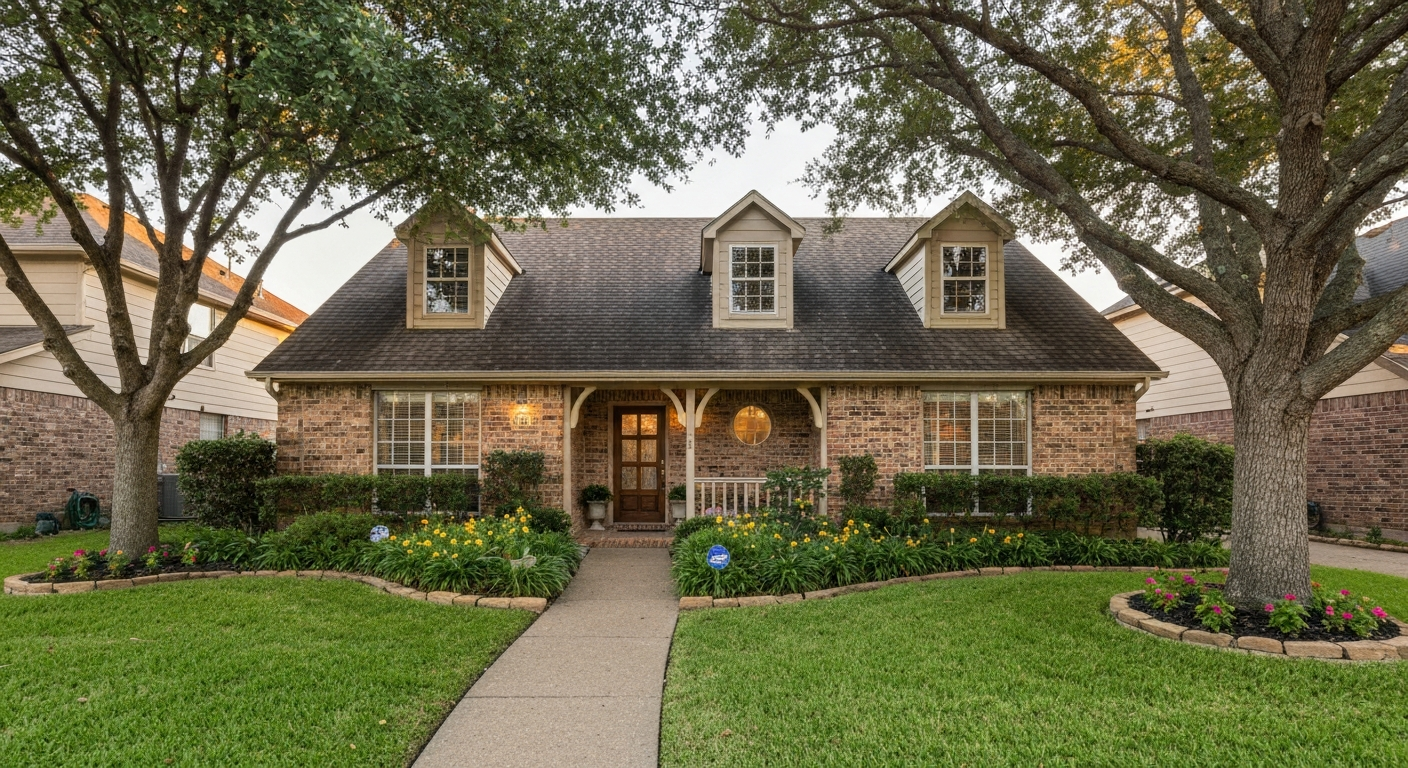
Quick Answer: Top HVAC To-Dos for Every Omaha Season
Omaha’s weather flips from sub-zero to 90°F with high humidity, so your HVAC system gets a workout. Here’s what to do right now:
- Change the air filter every 30 days during heavy-use months—set a phone reminder.
- Schedule a professional tune-up each spring (AC) and fall (furnace). Editorial estimate: $150–$500 for an annual plan with two visits.
- Program setbacks on your thermostat of at least 7°F for 8 hours a day to cut annual bills by up to 10%.
- Seal duct leaks if your home is older than 20 years or you feel uneven temperatures—this alone can improve efficiency by up to 20%.
- Know your system’s age (decode the serial number with our free tool) and start planning a replacement by year 12 to avoid panic purchases.
Why Omaha’s Climate Demands a Proactive HVAC Plan
Omaha sits at the intersection of frigid polar air and Gulf moisture. Winter lows average 13°F, and summer highs hover near 87°F with humidity making it feel like 95°F+. That means your furnace can run 1,500+ hours a winter, and your AC faces a latent load from humidity that standard sizing might miss. Dust from fields and seasonal allergens like cottonwood add stress. Without a plan, you risk emergency breakdowns that can cost double in after-hours fees.
Use our free tools to put numbers behind your decisions: BTU Calculator to right-size a new system, Repair or Replace Calculator to see if it’s time, and Rebate Finder to locate OPPD smart thermostat incentives.
Filter Changes: The 30-Day Rule That Saves You Money
A dirty filter is the #1 avoidable cause of HVAC problems in Omaha. During peak winter (Dec–Feb) and summer (Jun–Aug), check filters every 30 days. If you see a visible dust mat or the filter is gray instead of white, replace it. For homes with pets or allergy sufferers, use a MERV 8–11 filter (never exceed MERV 13 unless your system is rated for it—higher can restrict airflow). A clean filter reduces blower motor strain, can save 5–15% on energy, and keeps indoor air cleaner when windows are sealed shut against the cold or humidity.
Pro tip: Buy filters in multi-packs and set a recurring calendar alert on your phone. Cost: about $5–$15 per filter.
Seasonal Tune-Up Checklist and Average Costs
Below is what a pro should inspect during a seasonal visit, plus what you can safely do yourself. Editorial estimates for Omaha-area maintenance visits range from $80–$250 for a single visit; many contractors offer annual plans covering two visits for $150–$500.
| Season | Pro-Service Tasks | Homeowner Tasks (Safe to Do) | Typical Cost Range |
|---|---|---|---|
| Spring (AC) | Check refrigerant level, clean coils, test capacitor/contactor, measure airflow, inspect drain pan & lines | Clear debris and vegetation 2 ft around outdoor unit; replace air filter; check that indoor vents are open and unblocked | $80–$200 |
| Fall (Furnace) | Inspect heat exchanger for cracks, test ignition & safety switches, measure combustion efficiency, check venting for blockages | Test thermostat operation; check that exhaust and intake pipes outside are clear of snow or nests; replace filter | $80–$250 |
Note: Combustion analysis, refrigerant handling, and electrical repairs are pro-only due to safety and EPA regulations. Never attempt to open sealed components.
Thermostat Settings: OPPD Rebates & Smart Savings
Omaha Public Power District (OPPD) often offers rebates up to $75 for qualifying smart thermostats. Even a basic programmable model can save $50–$100 a year. Key settings:
- Winter: 68°F when awake/home, lower by 7–10°F while asleep or away.
- Summer: 78°F when home, higher by 7–10°F when away. Use fan "auto" mode to dehumidify better.
Check current rebates with our Rebate Finder.
Safety Boundaries: What You Can Check vs. What Only a Pro Should Touch
Many HVAC tasks require EPA certification, state licensing, or carry high risk of injury, fire, or carbon monoxide poisoning. Here’s a clear line.
Safe for Homeowners
- Replace disposable air filters.
- Clear leaves/grass/debris from around outdoor unit (power off first).
- Check that registers are open and unblocked.
- Test thermostat and batteries.
- Pour a cup of water down the AC condensate drain to check for clogs (if accessible).
- Visually inspect ductwork in attic/basement for obvious gaps.
Pro-Only (Do Not Attempt Yourself)
- Handling refrigerant (requires EPA Section 608 certification).
- Servicing gas valves, burners, or heat exchangers.
- Replacing capacitors, contactors, control boards, or any high-voltage components.
- Opening sealed compressor or motor housings.
- Adjusting or bypassing safety switches.
If your system is making loud buzzing, burning smells, or won’t start, turn it off at the breaker and call a licensed pro. Use our Emergency HVAC page for tips on staying safe while you wait.
Decision Rules: Repair or Replace Your HVAC System
Use these Omaha-tailored thresholds to avoid overspending on a dying unit. For a personalized analysis, try our Repair or Replace Calculator.
- Age Rule: If the system is over 12 years old (furnace) or 10 years old (AC/heat pump), and a major component fails (compressor, heat exchanger, coil), replacement is usually better. Use our System Age Decoder to confirm exact age.
- Cost Rule: If a single repair costs more than 50% of a new system’s installed price, replace. For example, a $2,500 compressor swap on a 14-year-old AC vs. a $5,000 mid-range new AC—replace.
- Frequency Rule: More than two breakdowns in a cooling or heating season? Replace.
- Efficiency Rule: If your furnace has a standing pilot light (likely pre-1992) or your AC is below 13 SEER, you’ll recover the upgrade cost in energy savings within 5–8 years, given Omaha’s utility rates.
Free HVACDatabase Tools for Omaha Homeowners
We built these calculators to cut through marketing spin. All are free, no sign-up required.
- HVAC Cost Estimator – See real-time price ranges for new installation or replacement in your ZIP code.
- Quote Checker – Upload a written quote and see if the price is fair based on local data.
- Repair or Replace Calculator – Plug in age, repair cost, and system type for a clear recommendation.
- System Age Decoder – Decode the serial number to find the exact manufacture date.
- BTU Calculator – Avoid oversizing; punch in your home’s specs for a load-based estimate.
- Rebate Finder – Locate OPPD and state incentives for efficiency upgrades.
Contractor Checklist: 12 Questions to Ask Before You Hire
Not all contractors are equipped for Omaha’s extreme swings. Ask these questions before signing, and use HVACDatabase’s comparison tool to weigh your options.
- Are you licensed and insured in Nebraska? Ask for the license number and verify with the state board.
- Do you have experience with my system type? Gas furnaces, heat pumps, and high-efficiency AC require different skills.
- Will you perform a Manual J load calculation for a new install? If they quote by square footage alone, walk away.
- Can you provide local references from the last 12 months? Especially for similar work during heating or cooling season.
- What warranties do you offer? Expect at least 1 year labor warranty; equipment warranties vary.
- Will you pull permits? In Omaha, a mechanical permit is required for new installs and many major repairs. Learn more about permit costs.
- How do you size ductwork? If replacing a furnace, the duct capacity must match the new blower.
- Do you offer a maintenance plan? If yes, what are the annual costs and included visits?
- How do you handle emergency calls? Ask about after-hours rates and average response time.
- Will you clean up and recycle the old equipment? Confirm it’s included in the quote.
- What efficiency rebates do you handle? A good contractor will help you file OPPD or manufacturer rebates.
- Can you provide a written, itemized quote? No verbal estimates—get it in writing.
Methodology: How We Develop Cost Estimates and Recommendations
The cost ranges in this article are editorial estimates based on a combination of our national cost database, regional multipliers for the Omaha metro, and publicly available utility rebate programs. They are not guaranteed prices. Factors that influence actual costs include system size, brand, SEER/AFUE rating, ductwork modifications, accessibility, local labor rates, season of installation (prices spike during extreme weather), and permit fees. Always obtain at least three itemized quotes from vetted contractors. Use our Quote Checker to compare them against local averages.
Frequently Asked Questions
1. How often should I really change my HVAC filter in Omaha?
Every 30 days during peak heating (Dec–Feb) and cooling (Jun–Aug). In milder months, every 60–90 days. Homes with pets or high dust should stick to 30-day changes year-round. A plugged filter can increase energy use by up to 15% and cause the system to freeze or overheat.
2. How long does a furnace last in Nebraska?
Typical lifespan is 15–20 years with regular maintenance. However, Omaha’s heavy winter use—often 1,500+ hours annually—can shorten that to 12–15 years if tune-ups are skipped. Replace if the heat exchanger is cracked to avoid carbon monoxide risk.
3. Should I cover my outdoor AC unit in winter?
No. Modern condensing units are built to withstand snow and ice. Covers can trap moisture, causing rust and providing a nesting spot for rodents. Instead, clear snow away from the top and sides, especially around intake and exhaust vents.
4. Is a smart thermostat worth it in Omaha?
Yes, especially with OPPD rebates often covering $50–$75 of the cost. Savings of 8–15% on heating and cooling bills are typical. Plus, features like humidity sensing help manage summer moisture. Look for models with “circulate” mode to run the fan periodically without AC.
5. When should I replace my AC instead of repairing it?
A good rule of thumb: replace if it’s over 10 years old, uses R-22 refrigerant (phased out, expensive to recharge), and needs a major repair like a compressor or coil. Use the Repair or Replace Calculator for a personalized decision based on your repair estimate.
Local Context
HVAC advice changes by market. In hot cities such as Phoenix or Las Vegas, cooling failures become urgent faster and summer schedules fill quickly. In humid markets such as Houston, Tampa, or Miami, drainage, mold risk, and humidity control matter as much as temperature. In cold markets such as Chicago or Minneapolis, no-heat calls can become safety issues during severe weather. Coastal homes may see faster outdoor-unit corrosion, while older homes often need duct, electrical, venting, or access corrections before equipment performs as advertised.
Related articles
Explore related maintenance, equipment, and hiring questions.

Nest Learning Thermostat (4th gen) vs ecobee Premium
Both models offer remote room sensors. Compare the exact generation, wiring compatibility, controls, and installed quote before choosing.

MERV 11 vs MERV 13: check filtration and equipment compatibility
Compare particle filtration, verify the filter your equipment supports, and use a buying checklist without assuming a universal health or energy saving.

How to check an HVAC contractor before hiring
Use a documented shortlist: business identity, applicable credentials, job experience, a written scope, and a clear handover.