HVAC Tips for Portland Homeowners
Discover Portland-specific HVAC maintenance tips to handle damp winters, hot summers, and wildfire smoke. Learn when to DIY, when to call a pro, and how to save on energy bills.
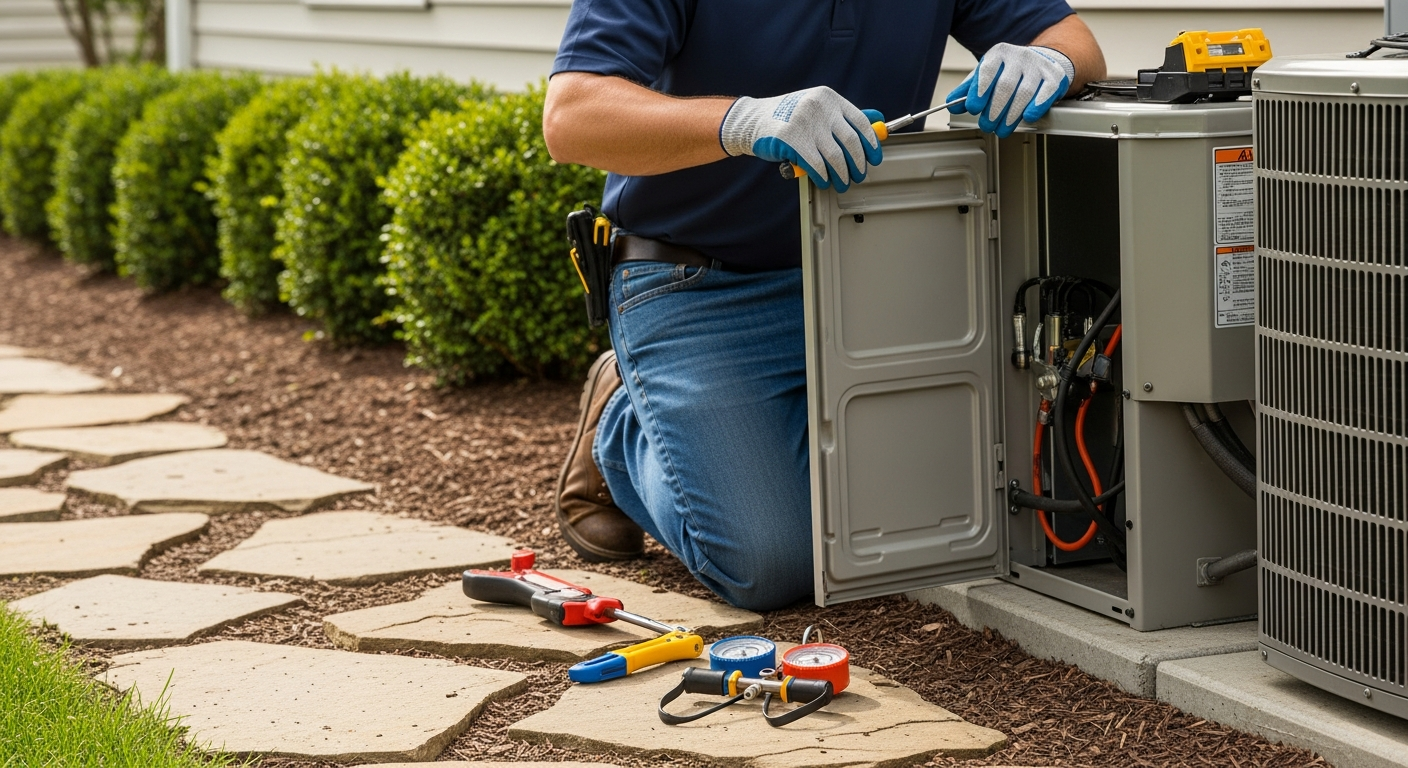
Portland homeowners juggle damp winters, sizzling summer heatwaves, and wildfire smoke—all of which strain your HVAC system. This guide gives you a practical plan to maintain comfort, avoid costly breakdowns, and choose the right pros. With local rebates and smart upgrades, you can keep your home cozy and energy-efficient without overspending.
Quick Answer: Top HVAC Tips for Portland Homes
Portland's mild but damp climate demands a different HVAC approach than drier regions. Focus on moisture control, regular filter changes during pollen/smoke season, and heat pump efficiency. Here are the essentials:
- Change filters monthly during high-pollen or wildfire months.
- Maintain 30-50% indoor humidity with dehumidifiers in summer, humidifiers in winter.
- Clear outdoor units of debris and vegetation for 2 feet of clearance.
- Test heating before cold snaps; listen for odd noises.
- Seal ducts, especially in crawlspaces and attics.
- Upgrade to a smart thermostat for scheduling and rebates.
- Schedule professional maintenance annually—ideally in spring and fall.
Why Portland’s Climate Demands Special Attention
Portland sees over 40 inches of rain annually, but summers are increasingly hot and dry, with occasional wildfire smoke. This mix means your HVAC system battles excess moisture, sudden cooling demands, and particulate air quality threats. Older homes (many built before 1950) often have leaky ducts, minimal insulation, and original heating systems that may be inefficient or unsafe. Tailoring your HVAC care to these local factors prevents mold, improves comfort, and cuts utility bills.
Safety Boundaries: What Homeowners Can and Cannot Do
Many maintenance tasks are safe for homeowners, but some carry serious risks. Never attempt work involving refrigerant, natural gas, high-voltage electrical components, or combustion chambers. If you suspect a refrigerant leak, gas smell, or see sparking, shut off the system and call a pro immediately.
| Safe Homeowner Checks | Leave to Licensed Pros |
|---|---|
| Replace or clean air filters | Refrigerant leak repairs |
| Clear debris around outdoor unit | Gas furnace or boiler repairs |
| Check thermostat batteries and settings | Electrical component testing (capacitors, contactors, control boards) |
| Listen for abnormal noises | Compressor or motor replacement |
| Ensure vents are open and unblocked | Ductwork modification or refrigerant charging |
| Inspect drain line for clogs (vinegar flush) | Any work requiring high-voltage disconnect |
When in doubt, use our contractor directory to find a vetted pro.
Cost Guidance: What to Expect for Portland HVAC Services
Portland’s labor rates and permit fees may differ from national averages. Below are editorial estimate ranges based on our data. Actual prices vary with system size, accessibility, and urgency.
| Service | Typical Cost Range | Notes |
|---|---|---|
| Annual maintenance visit | $100–$250 | Often lower with service plans |
| Diagnostic fee (standard) | $80–$200 | After-hours/emergency may add $50–$150 |
| Common AC repair | $150–$650 | Electrical/control issues |
| Refrigerant leak / motor repair | $500–$1,500 | Includes refrigerant reclaim & fix |
| Compressor or coil replacement | $1,500–$4,000+ | Often signals system replacement consideration |
| Duct sealing (full house) | $1,000–$3,000 | Varies by accessibility and method |
Use our HVAC cost estimator for a personalized estimate. For repair-or-replace decisions, try our repair or replace calculator.
Decision Rules: Repair or Replace?
Portland’s mild climate often extends equipment life, but when it’s time to upgrade, a few rules help:
- Age: If your furnace or AC is over 15 years old and needs a repair costing more than 30% of replacement, replace it.
- Efficiency: Heat pumps below 14 SEER or furnaces below 90% AFUE are costing you more than a modern unit. Portland’s moderate temperatures make heat pumps an efficient choice year-round.
- R-22 refrigerant: If your AC uses R-22 (phased out), a leak may mean replacing the system rather than recharging with expensive, dwindling refrigerant.
- Frequent breakdowns: More than two repair calls in a year? Start planning replacement.
- Comfort issues: Can’t maintain temperature or humidity? A new system with variable-speed technology offers better control.
Factor in available Oregon rebates and utility incentives—they can make a higher-efficiency unit surprisingly affordable.
Contractor Checklist: Questions to Ask Before Hiring
Portland has many contractors, but not all understand local codes and climate. Vet applicants with these questions:
- Are you licensed, bonded, and insured in Oregon? (Verify CCB license at oregon.gov/ccb)
- Do you have experience with heat pumps and gas furnaces in Portland’s climate?
- Will you perform a Manual J load calculation to size the new equipment? (Required by code, prevents oversizing)
- What rebates or tax credits do you help with? (Energy Trust of Oregon offers incentives)
- Do you offer a maintenance plan with priority scheduling?
- What is your warranty on labor and parts? (Typical: 1 year labor, 10 years parts if registered)
- Can you provide a written, itemized estimate with no hidden fees?
- Will you pull necessary permits? (City of Portland requires permits for most replacements)
- Do you handle duct inspection and sealing as part of installation?
- How do you protect my home during work? (Floor coverings, cleanup)
Use our contractor comparison tool to evaluate bids side by side.
Local Portland Insights
Moisture and Mold Control
High humidity in basements and crawlspaces leads to mold. Ensure your HVAC includes a sealed and insulated duct system to avoid condensation. Consider a whole-house dehumidifier or a heat pump with a dedicated dehumidification mode.
Wildfire Smoke Prep
During smoke events, upgrade to a MERV 13 filter if your system can handle the pressure drop. Run the fan continuously to filter air, and consider a standalone air purifier. Avoid running exhaust fans that pull smoky air indoors.
Heat Pumps: The Portland Sweet Spot
Heat pumps excel in Portland’s mild winters and increasingly hot summers. They provide efficient heating and cooling without the fuel combustion risks of gas. Look for cold-climate models that work well down to 5°F.
Tools and Calculators to Guide Your Decision
- HVAC Cost Estimator: Get a ballpark for replacement or repair in your ZIP code.
- Repair or Replace Calculator: Input age, repair cost, and efficiency to see the numeric breakeven.
- BTU Calculator: Determine the heating and cooling load for your home to avoid oversizing.
- Rebate Finder: Find available incentives from Energy Trust of Oregon and federal tax credits.
- System Age Decoder: Decode the serial number to know exactly how old your unit is.
Frequently Asked Questions
1. What’s the best HVAC system for a Portland home?
A ducted heat pump with a gas furnace backup (dual-fuel) is ideal for Portland’s varied climate. The heat pump handles cooling and mild heating, while the furnace kicks in during rare cold snaps below freezing. For smaller homes or those without ducts, ductless mini-splits offer zoned comfort.
2. How often should I change my filter during wildfire season?
During smoke events, check your filter every week and replace it when it appears dark or clogged. A MERV 13 filter captures fine particulates but may need more frequent changes. After the event, return to a standard MERV 8 filter to reduce strain on your blower.
3. Does Portland require permits for HVAC replacement?
Yes, most HVAC replacements (furnace, AC, heat pump) require a mechanical permit from the City of Portland. A licensed contractor typically pulls this permit and schedules inspections to ensure code compliance.
4. How can I reduce humidity in my basement without a dehumidifier?
Ensure your AC or heat pump is sized correctly—an oversized unit cools too quickly without removing humidity. Run fan on “auto” not “on” to let coils drip dry. Seal and insulate basement ducts, and use vapor barriers on dirt floors. If problems persist, a dedicated dehumidifier is likely needed.
5. Are there rebates for installing a heat pump in Oregon?
Yes, Energy Trust of Oregon offers cash incentives for high-efficiency heat pumps, and there are federal tax credits (30% up to $2,000) for qualifying air-source heat pumps. Check our rebate finder for current offers.
Next Steps
Start with a professional maintenance check-up this season. Compare quotes from at least three licensed Portland contractors using our contractor search. For emergency help, visit our emergency HVAC page.
Related articles
Explore related maintenance, equipment, and hiring questions.

Nest Learning Thermostat (4th gen) vs ecobee Premium
Both models offer remote room sensors. Compare the exact generation, wiring compatibility, controls, and installed quote before choosing.

MERV 11 vs MERV 13: check filtration and equipment compatibility
Compare particle filtration, verify the filter your equipment supports, and use a buying checklist without assuming a universal health or energy saving.

How to check an HVAC contractor before hiring
Use a documented shortlist: business identity, applicable credentials, job experience, a written scope, and a clear handover.