HVAC Tips for Salt Lake City Homeowners
Essential HVAC strategies for Salt Lake City’s climate: inversion-proof filters, high-elevation AC care, seasonal checklists, cost estimates, and hiring questions.
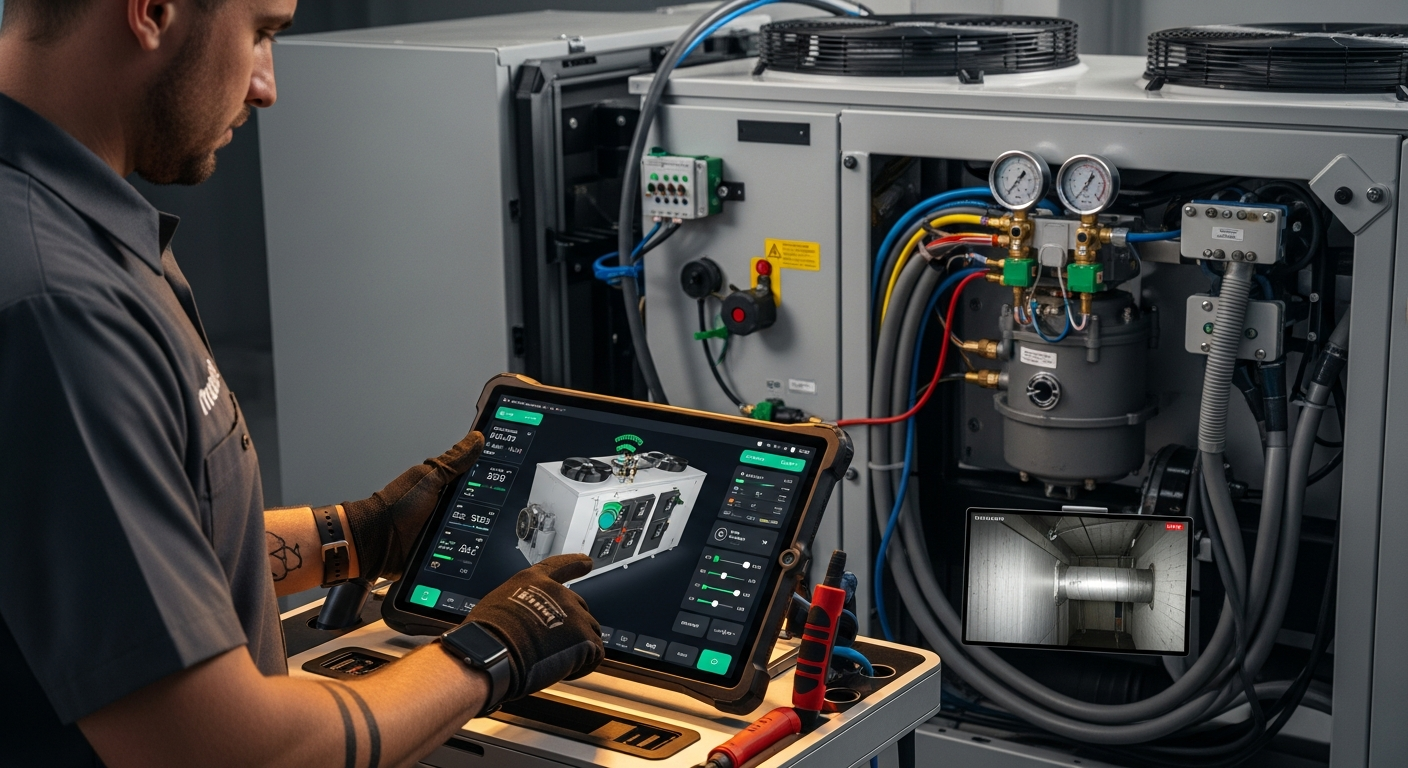
In Salt Lake City, your HVAC system battles extreme winters, scorching summers, high elevation (4,300 ft), and valley inversions. A poorly maintained system can double energy bills and fail when you need it most. This guide cuts through the noise—learn what you can safely check yourself, when to call a pro, and how to get the right equipment without overspending.
Quick Answer
For Salt Lake City homeowners, the winning formula: swap filters monthly during peak seasons, schedule spring and fall professional tune-ups, invest in a whole-home humidifier and high-MERV filtration (MERV 11–13), and use a smart thermostat to ride the day-night temperature swings. Always verify contractor licenses and get three quotes before major work.
Seasonal Maintenance Cheat Sheet
| Season | Task | DIY or Pro | Estimated Cost | Why It Matters in SLC |
|---|---|---|---|---|
| Winter (Nov–Feb) | Replace furnace filter monthly | DIY | $10–$30/filter | Prevents heat exchanger overheating during inversions when dust loading is high. |
| Winter | Professional heating tune-up | Pro | $100–$200* | Catches ignition, gas valve, and safety issues before the deep freeze. |
| Spring (Mar–May) | Clear outdoor AC condenser area | DIY | Free | High-elevation thin air demands maximum airflow; remove sagebrush and debris. |
| Spring | AC professional inspection | Pro | $100–$200* | Checks refrigerant charge and coil cleanliness for 100°F+ days. |
| Year-round | Upgrade to high-MERV filter | DIY | $15–$40/filter | Traps inversion particulate and allergens; MERV 11–13 recommended. |
*Editorial estimate only; actual prices vary by contractor, equipment, and season.
Safety Boundaries: What You Can Touch
Safe Homeowner Checks
- Replace air filters (monthly in peak seasons)
- Clear leaves, sagebrush, and debris from around outdoor units (keep 2+ ft clearance)
- Vacuum supply registers and listen for unusual noises
- Test thermostat operation and replace batteries
Never DIY: Leave to Licensed Pros
- Opening electrical panels or handling high-voltage wiring
- Adding or checking refrigerant (requires EPA certification)
- Adjusting gas valves, burners, or heat exchangers
- Replacing capacitors, contactors, control boards, or compressors
- Bypassing any safety switch
If you smell gas, evacuate immediately and call 911 or your utility. Do not operate electrical switches. For emergency HVAC help, use our emergency resources or find a licensed contractor.
Free Decision Tools for Salt Lake City Homeowners
Stop guessing. Use these calculators to put real numbers behind your decisions:
- HVAC Cost Estimator: See typical furnace or AC replacement costs in your Salt Lake City zip code.
- Repair-or-Replace Calculator: Weigh a repair quote against a new system’s efficiency savings.
- System Age Decoder: Check your unit’s manufacture date—most SLC systems last 12–15 years under high-elevation stress.
- BTU Sizing Calculator: Proper sizing matters more at 4,300 ft; avoid the common mistake of oversizing.
When to Repair vs. Replace: Decision Rules
Apply these thresholds to your situation, but always confirm with a pro:
- Replace if: System age over 12 years AND major repair (compressor, heat exchanger) quote exceeds $1,500.
- Replace if: You’ve had 3+ breakdowns in the last 2 years.
- Repair if: System under 8 years old AND repair quote under $500.
- Repair if: It’s a single, well-defined issue and maintenance history is clean.
For a data-driven answer, use the Repair-or-Replace Calculator.
Contractor Interview Checklist
Before hiring, ask every contractor these seven questions:
- Are you licensed and insured in Utah? (Verify at DOPL)
- Do you perform a Manual J load calculation for new equipment sizing?
- Can you provide references from Salt Lake County with similar home ages?
- What’s the total price, including permits, disposal, and any electrical upgrades?
- What warranty do you offer on parts and labor?
- Will you pull the required permits? (Not doing so risks safety and resale headaches.)
- How do you account for high elevation in installation and airflow adjustments?
Then use our contractor comparison tool to weigh bids side-by-side.
Methodology: How We Form Estimates and Recommendations
Frequently Asked Questions
How often should I replace my HVAC filter in Salt Lake City?
Monthly during heavy-use months (January, February, July, August) because inversions and summer dust load filters faster. In spring and fall, every 2–3 months may suffice. Visually check each month; if it’s gray or clogged, swap it.
Does high elevation affect my air conditioner’s performance?
Yes. At 4,300 feet, thinner air reduces the condenser’s ability to reject heat, potentially lowering efficiency by 5–10%. Your pro may need to adjust refrigerant charge or select a slightly larger coil. Regular coil cleaning and 2-feet clearance become even more important.
Can I install a whole-home humidifier myself?
It’s not a DIY job—proper installation involves cutting into ductwork, connecting water and drainage, and wiring into the furnace control board. Hire a pro. However, you can maintain the water panel annually yourself.
Why is my heating bill so high even with a newer furnace?
Common culprits in Salt Lake City: leaky ductwork (especially in uninsulated attics), poor attic insulation, or an oversized furnace that short-cycles. Schedule a home energy audit or ask a contractor to inspect your ducts.
What’s the best thermostat schedule for Utah’s temperature swings?
Use a smart thermostat with geofencing. In summer, set to 78°F when home, 82–85°F when away, and take advantage of cool nights by opening windows if you don’t have whole-house ventilation. In winter, 68°F when awake, 58–60°F asleep.
Local Context
HVAC advice changes by market. In hot cities such as Phoenix or Las Vegas, cooling failures become urgent faster and summer schedules fill quickly. In humid markets such as Houston, Tampa, or Miami, drainage, mold risk, and humidity control matter as much as temperature. In cold markets such as Chicago or Minneapolis, no-heat calls can become safety issues during severe weather. Coastal homes may see faster outdoor-unit corrosion, while older homes often need duct, electrical, venting, or access corrections before equipment performs as advertised.
Related articles
Explore related maintenance, equipment, and hiring questions.

Nest Learning Thermostat (4th gen) vs ecobee Premium
Both models offer remote room sensors. Compare the exact generation, wiring compatibility, controls, and installed quote before choosing.

MERV 11 vs MERV 13: check filtration and equipment compatibility
Compare particle filtration, verify the filter your equipment supports, and use a buying checklist without assuming a universal health or energy saving.

How to check an HVAC contractor before hiring
Use a documented shortlist: business identity, applicable credentials, job experience, a written scope, and a clear handover.