Tips for Using Space Heaters Safely
Learn safe space heater use and when it’s smarter to fix your central heat. Get decision thresholds, safety checks, and contractor questions.
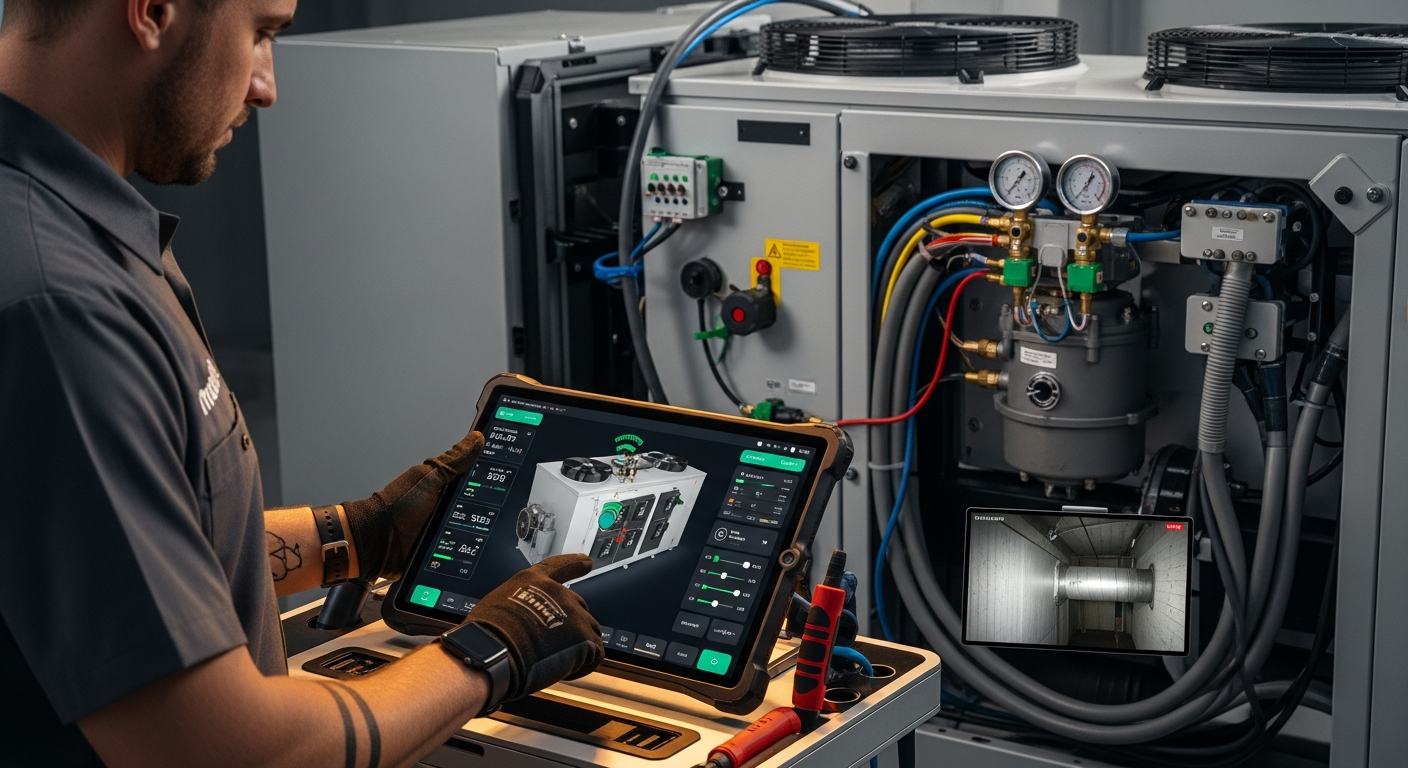
Space heaters are a temporary bandage; fix your central heat for long-term savings and safety.
Use space heaters only as a short-term supplement. Persistent cold spots indicate an HVAC problem that can cost more in electricity than a repair. Prioritize safety and professional diagnostics.
What Matters Most
- Follow the three-foot rule and never use extension cords.
- If you rely on a space heater daily, your HVAC system needs attention.
- Compare running costs with repair costs using our tools.
- Always have working smoke and CO detectors.
- Hire only licensed pros for electrical or gas work.
Strengths
- Immediate warmth for small areas without turning on the whole system.
- Portable and inexpensive to purchase.
- Modern safety features reduce fire risk if used correctly.
Weaknesses
- High electrical consumption can strain circuits and raise bills.
- Cannot heat a whole home; dangerous if left unattended.
- Mask underlying HVAC issues, leading to larger failures.
When to Use Space Heaters vs. Fix Your HVAC
| Scenario | Usually do | Why |
|---|---|---|
| You need heat in one room for 1-2 hours | Use a certified electric space heater safely | Quick, temporary comfort without running central heat for whole house |
| You need daily heat for several rooms | Repair or upgrade central system | Space heaters cost more per BTU and are a fire risk when used extensively |
| Your furnace is over 15 years old and failing | Calculate repair vs. replace; consider heat pump | New equipment is more efficient and reliable |
| Wiring is old; breakers trip when heater runs | Stop using space heater; call electrician | Overloaded circuits can cause electrical fires |
Quick Answer: Use Space Heaters Safely—or Fix Your HVAC?
Space heaters are for temporary, localized warmth. Never use as primary heat. Follow safety rules: 3-foot clearance, direct wall outlet, no cords, turn off when sleeping/leaving. If you rely on them daily, your central system needs attention. Use our Repair or Replace Calculator to see if upgrading is cheaper than running portable heaters all winter.
Safety Do’s and Don’ts
| DO | DON'T |
|---|---|
| Choose UL/ETL/CSA-certified models | Use unvented fuel-powered heaters indoors |
| Place on hard, level, non-flammable floor | Set on carpet, furniture, or near curtains |
| Keep 3 feet from anything combustible | Leave unattended or use while sleeping |
| Plug directly into a wall outlet | Use extension cords or power strips |
| Inspect cord for damage regularly | Hide cord under rugs |
| Clean dust from vents when unplugged | Use in wet areas unless rated for bathrooms |
| Install smoke and CO detectors | Ignore strange smells, sparks, or hot outlets |
Safety Boundaries: Homeowner Checks vs. Pro-Only Work
What You Can Safely Do
- Check the cord and plug for damage or warmth.
- Ensure smoke alarms and CO detectors work.
- Confirm the outlet is grounded and not overloaded (no other high-draw devices on same circuit).
- Place the heater on a stable, non-flammable surface away from traffic.
Leave to a Licensed Pro
- Any electrical repairs, including replacing fuses, breakers, or rewiring.
- Gas line work, combustion appliance inspection, or carbon monoxide investigations.
- Central heating system diagnostics: checking heat exchangers, ignitors, gas valves, refrigerant, or compressor issues.
- If your heater frequently trips breakers, call an electrician. Overheating circuits are a fire hazard.
Never attempt to repair a space heater yourself. If it fails, replace it. For central heat problems, use HVACDatabase contractor search to find vetted pros.
When Space Heaters Cost More Than Repairs
Running a 1,500-watt space heater 8 hours a day at $0.15/kWh costs about $1.80/day. If you keep it running for 30 days, that’s $54/month. Two heaters in cold spots? Double it. For $100+/month, you could pay for a common heating repair within a season. Use these thresholds:
- Space heater use > 4 hours/day for > 30 days/year: Get a furnace inspection. Persistent cold spots often signal duct leaks, poor insulation, or a failing system.
- Using ≥2 space heaters simultaneously: Your central system is either undersized or broken. A BTU calculator can reveal if your equipment matches your home’s load.
- Hearing odd noises or smelling burning: Shut off the heater immediately. If it’s central, consult our article on troubleshooting a furnace that won’t heat, but for any gas smell, evacuate and call the gas company.
Decision Tree: Keep Using Space Heater or Fix HVAC?
Step-by-step decision guide
- Is the space heater your only heat source for that room? Yes → Proceed. No? Use central heat if functional.
- Do you need it daily for more than 2 hours? Yes → Go to step 3. No? Temporary use is okay; follow safety tips.
- Check central system: Thermostat set correctly? Filter clean? Vents open? If still cold → Step 4.
- Does the problem room have other issues (drafts, poor insulation)? Yes → Seal and insulate before upgrading heating. No? Likely system problem.
- Is your furnace/boiler over 15 years old? Yes → Calculate repair vs. replace. No? Get a professional diagnosis; common fixes are often under $500.
- Use our Repair or Replace Calculator with your system age, repair estimate, and energy bills.
Tools to Decide: Repair, Replace, or Keep Using Space Heaters
Start with the HVAC Repair or Replace Calculator. Input your system age, estimated repair cost, and utility costs to see the breakeven. Then compare with space heater running costs:
- Space Heater Cost Estimator: Use our simple formula: (heater wattage ÷ 1,000) × hours used × electricity rate. For a 1,500W heater at $0.15/kWh for 5 hours, that’s $1.13/day. Multiply by 30 for monthly cost.
- Check our HVAC Cost Estimator to see typical repair and replacement prices in your area.
- Not sure if you need a pro? Browse contractor reviews and quotes.
Contractor Checklist: Questions to Ask Before Heating Repairs
| Question | Why It Matters |
|---|---|
| Are you licensed, bonded, and insured? | Protects you from liability. Verify on state sites. |
| Will you perform a Manual J load calculation? | Ensures right-sized equipment, preventing cold spots. |
| Can you provide a written, itemized estimate? | Prevents hidden fees; compare with Quote Checker. |
| Do you offer a maintenance plan? What's included? | Regular tune-ups catch issues early. |
| What specific tests will you run on my system? | Must check heat exchanger, ignitor, airflow, and safety controls. |
| Is this a common repair? What’s your experience? | Some parts (ignitors, sensors) fail often; costs should align with our cost guides. |
Climate and Home Considerations
- Cold climates (e.g., North, Midwest): Space heaters can’t replace a furnace. If your system fails in sub-zero weather, pipes can freeze. Consider emergency backup: emergency HVAC help.
- Hot climates with mild winters (e.g., Southwest): You might get by with a space heater for brief cold snaps, but a heat pump can provide efficient heat and AC. Check BTU needs for your climate.
- Older homes: Electrical systems may not handle 1,500W loads without flickering lights or tripping breakers. Upgrade wiring before relying on space heaters. Find an electrician.
- Coastal/humid areas: Dampness can corrode heating elements. Use only heaters rated for high humidity; consider a whole-home dehumidifier with your HVAC.
Methodology: How We Recommend
Our guidance combines NFPA fire safety statistics, DOE energy costs, and HVAC industry best practices. Cost estimates are editorial ranges based on national averages (2024) and may vary. We prioritize safety: any sign of combustion issues, gas smells, or electrical arcing warrants immediate pros. For decision thresholds, we use typical electricity rates and heater wattages; your actual costs may differ. Use our tools with your local rates for precision.
Frequently Asked Questions
1. Can I leave a space heater on while I sleep?
No. Even with safety features, the risk of fire increases when unattended. Turn off and unplug before sleep.
2. What's the safest type of indoor space heater?
Electric models with sealed heating elements, tip-over switches, overheat protection, and a cool-to-touch exterior. Look for UL/ETL/CSA certification.
3. My outlet gets warm when I use my heater—is that normal?
No. A warm outlet suggests loose wiring, an overloaded circuit, or a cord problem. Stop using it and have an electrician inspect it.
4. How much does it cost to run a space heater all day?
At $0.15/kWh, a 1,500W heater running 24 hours costs $5.40. That’s $162/month for one heater. Compare with typical heating bills using our cost estimator.
5. Does using space heaters save money vs. central heat?
Rarely. If you heat only one room while turning down the central thermostat, you might save—but only for short periods. For whole-home comfort, a well-maintained furnace or heat pump is typically cheaper. Use the calculator to check.
Related articles
Connect this page to adjacent guides so readers keep moving deeper into the topic cluster.

Tips for Choosing a Smart Thermostat for a Heat Pump
Learn which smart thermostat features prevent expensive auxiliary heat mistakes, how to verify compatibility, and when to call a pro.
Understanding C Wire Adapters for Smart Thermostats
Missing the C wire for your smart thermostat? C wire adapters solve power issues without pulling new wiring. Compare types, costs, and installation options.

Best Smart Thermostats for Multi Zone Homes
Discover which smart thermostats deliver accurate zoning, remote sensors, and energy savings for homes with multiple HVAC zones. Our guide helps you pick the right model and avoid costly compatibility mistakes.