Why Duct Sealing Improves HVAC Efficiency
Sealing duct leaks can cut HVAC energy loss by 20–30%, slash bills, and stop dust and mold from cycling through your home. Get the decision steps every homeowner needs.
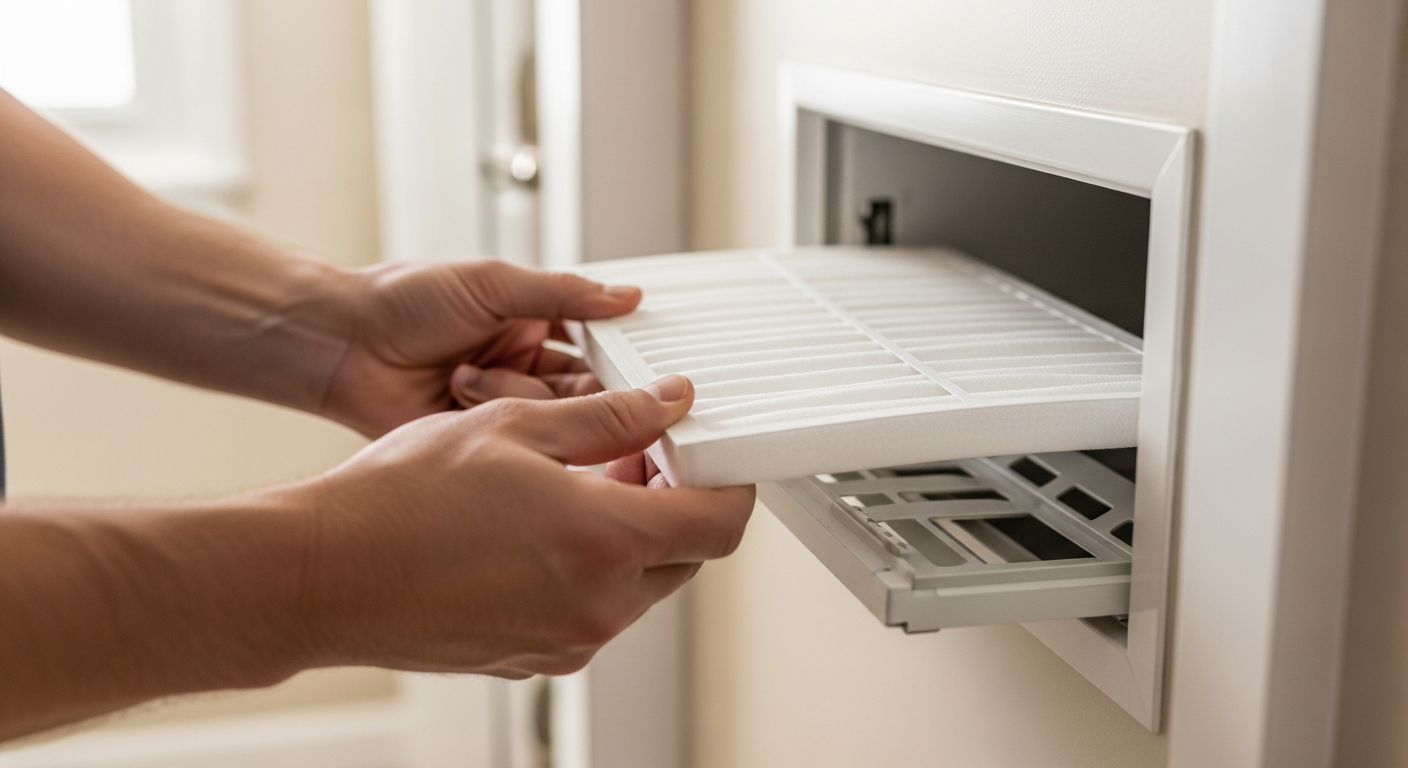
Duct sealing is one of the most cost-effective HVAC upgrades for older homes or homes with attics and crawlspaces.
If a duct leakage test confirms >10% loss, professional sealing nearly always delivers a 2–4 year payback and immediate comfort gains.
What Matters Most
- Most homes lose 20–30% of conditioned air through duct leaks.
- Sealing reduces bills, improves air quality, and extends equipment life.
- DIY sealing works for accessible gaps; Aeroseal is best for hidden leaks.
- Always demand a before-and-after pressure test for measurable results.
Strengths
- Quick payback period compared to equipment replacement.
- Improves indoor air quality by blocking dust and pests.
- Often qualifies for utility rebates and federal tax credits.
Weaknesses
- Upfront cost can be $2,000+ if Aeroseal is needed.
- Not a substitute for proper insulation or equipment maintenance.
- In very tight homes, may require adding mechanical ventilation to avoid stuffiness.
DIY vs. Professional Duct Sealing: When to Choose
| Scenario | Usually do | Why |
|---|---|---|
| Small, visible gaps in exposed ductwork | DIY with mastic/UL 181 tape | Inexpensive and effective for accessible leaks. |
| Most ducts hidden in walls or under slab | Professional Aeroseal or manual sealing | Specialized tools needed to reach and measure leaks. |
| Significant dust or allergen issues | Professional—entire system | Leaks in return ducts pull in attic/crawlspace contaminants. |
| Home built before 1978 with lead paint risk | Professional, EPA Lead-Safe Certified | Any disturbance requires lead-safe practices. |
| Energy bills consistently 20%+ above neighbors | Professional audit + sealing | Confirm leakage with blower door and duct tester before spending. |
Quick Answer: Is Duct Sealing Worth It?
Yes, for most homes built before 2010 or with accessible ductwork. Sealing typically reduces HVAC energy use by 10–30% and pays for itself in 2–4 years. It's one of the highest-ROI energy upgrades when ducts run through unconditioned spaces like attics or crawlspaces.
Why Air Duct Leaks Undermine Your HVAC System
Your ductwork is the circulatory system of your HVAC. Even a high-efficiency furnace or heat pump can't perform if 20–30% of conditioned air escapes into the attic or crawlspace. Leaks force your system to run longer, drive up utility bills, and can pull in dust, insulation fibers, and humidity.
How Much Are Leaky Ducts Costing You?
The average home loses 20–30% of conditioned air through duct leaks, according to ENERGY STAR. For a typical $200 monthly HVAC bill, that's $40–$60/month wasted. Over a year, $480–$720 could be saved with proper sealing.
| Symptom | What It Usually Means | Check First |
|---|---|---|
| High utility bills compared to neighbors | Excess air loss in unconditioned spaces | Compare bills with similar home size using your utility's online portal |
| Rooms that never reach set temperature | Branch duct leak, kink, or disconnection | Check visible duct runs in attic or basement |
| Dust accumulates right after cleaning | Return ducts pulling in unfiltered air | Inspect return grilles and nearby duct joints |
| Visible gaps, tangles, or insect activity near ducts | Physical breaches that need sealing | Walk duct paths with a flashlight |
Benefits of Sealing Your Ducts
- Energy savings: Sealed ducts mean your unit runs shorter cycles, reducing wear and electricity or fuel consumption. Most homes see a 10–25% drop in heating and cooling costs.
- Better comfort: Eliminates hot and cold spots so every room feels consistent.
- Improved indoor air quality: A sealed system stops pulling pollutants from attics, crawlspaces, or wall cavities. Especially important for allergy and asthma sufferers.
- Longer equipment life: Less strain on the blower, compressor, and heat exchanger cuts repair frequency and may add years to your system's lifespan.
DIY Duct Sealing vs. Professional Sealing
What You Can Do Safely
If you can reach exposed ductwork, you can seal accessible joints with water-based mastic and/or UL 181-rated foil tape. Never use cloth-backed "duct tape"—it dries out and fails in 1–2 years. Wear gloves, use a brush for mastic, and work in a ventilated area. This is effective for small, visible leaks in basements, attics, or crawlspaces.
Safety boundary: Do not attempt to seal ducts that require working near electrical connections, gas lines, or in confined spaces without proper ventilation and personal protective equipment. If you smell gas or see frayed wiring, stop and call a pro.
When Professional Sealing Is the Better Choice
If most of your ductwork is inaccessible (inside walls or under slab), or if you have a highly branched system, professional diagnostic and sealing tools deliver better results. Two common methods:
- Manual sealing: Technicians access your attic or crawlspace, use duct blaster tests to find leaks, and apply mastic, aerosol sealants, or mechanical fasteners. Typical cost: $800–$2,500 depending on size and access.
- Aeroseal: A computerized system that injects a sealant fog while pressurizing the ducts. It plugs leaks from the inside, reaching inaccessible areas. Cost often ranges from $2,000–$4,500 but can reduce leakage by 90% or more. Best for tight, hard-to-reach duct runs.
For new or tightly built homes aiming for energy certifications (like Passive House), professional sealing is almost always necessary to meet airtightness targets.
Safety Boundaries: Know What’s Pro-Only
While sealing ductwork seams is homeowner-friendly, certain tasks require a licensed HVAC contractor:
- Testing or repairing gas furnace flues or combustion air vents
- Handling refrigerants—sealing leaks in refrigerant lines (these aren't "duct" leaks)
- Electrical component replacement (capacitors, contactors, control boards)
- Working on sealed combustion units or heat exchanger compartments
- Modifying high-voltage wiring or any task where you must bypass safety interlocks
If a leak is hidden behind drywall, a professional with an infrared camera and duct leakage tester can pinpoint it without unnecessary demolition.
Tools & Calculators to Guide Your Decision
Before you pick up the phone, use these HVACDatabase tools to estimate savings and costs:
- Energy Calculator: See how much a leak reduction could save based on your local rates and usage.
- HVAC Cost Estimator: Get a rough budget for sealing and other duct upgrades in your area.
- Repair or Replace Calculator: If your ducts are badly damaged, learn whether repair or full replacement makes financial sense.
- Rebate Finder: Many utilities offer incentives for duct sealing—check your zip code.
Decision Rules: Is Sealing Right for Your Home?
Use these thresholds to decide your next step:
- Home older than 15 years AND ducts run through unconditioned spaces: Almost always worth sealing. Expect 15–30% energy reduction.
- Rooms consistently >3°F different from thermostat setting: Probable duct leak or imbalance. Seal and rebalance.
- Energy bills 20%+ higher than neighbors with similar square footage: High likelihood of significant leakage. Start with a home energy audit (read: How to Get a Home Energy Audit).
- Visible debris or pest residue at duct joints: Seal immediately to stop pulling pollutants into living space.
- Musty smell when system runs (not from coils): Leaky return duct drawing crawlspace air. Professional inspection recommended.
Contractor Checklist: Questions to Ask Before Sealing
Not all duct sealing companies follow the same practices. Ask these seven questions before scheduling work:
- "Do you perform a duct leakage test (Duct Blaster) before and after sealing?" A before/after test proves the improvement and is required by many utility rebates.
- "What sealing method do you recommend for my home, and why?" The answer should consider accessibility, material type, and your performance goals.
- "Are you licensed, insured, and EPA Lead-Safe Certified if my home was built before 1978?" Required for any work that disturbs surfaces.
- "Will you provide a written report with CFM reduction or leakage percentage?" Insist on measurable results.
- "What rebates or financing do you handle if my utility offers incentives?" Many contractors process paperwork; you shouldn't have to navigate it alone.
- "Does the sealing work include re-insulating ducts in unconditioned spaces?" If your ducts remain in a hot attic, uninsulated, they can still lose/gain heat even when sealed. Ask about R-8 or higher duct insulation.
- "What warranty do you offer on sealing, and what does it exclude?" Look for at least a 2-year workmanship warranty; mastic/fabric should last decades.
Local Factors: Climate & Home Type Matter
Duct sealing isn't one-size-fits-all. Consider these regional extremes:
- Hot/Humid (Gulf Coast, Florida): Leaky return ducts draw in humid attic air, forcing your AC to remove extra moisture. Sealing prevents mold in ducts and lowers indoor humidity. Focus on supply and return leaks.
- Cold Climate (Midwest, Northeast): Leaks in heated basements often waste heat; sealing keeps warm air inside the envelope and can prevent ice damming when pipes near leaks freeze.
- Coastal/Marine (Pacific Northwest, New England): Salty or foggy air intruding through duct breaches accelerates corrosion. Sealing reduces moisture and salt exposure inside the system.
- Older Homes (pre-1970s): May have original sheet metal ducts with loose joints. Often heavy, durable, but leaky. Professional manual sealing is usually effective; avoid aerosol if ducts are fragile.
Methodology: How HVACDatabase Forms Estimates
Our recommendations rely on building science data from ENERGY STAR, the DOE, and ASHRAE; cost ranges reflect surveys of HVAC contractors in 12 U.S. metropolitan markets and typical job scope (access, linear feet, sealing method). All prices are editorial estimates and will vary by location, urgency, and system specifics. We update cost guidance annually based on Bureau of Labor Statistics material and labor price indices.
Frequently Asked Questions
How much does duct sealing cost on average?
For a 2,000 sq ft home, manual sealing typically costs $800–$2,500. Aeroseal can run $2,000–$4,500. Prices rise with complex access or oversized systems.
Will sealing my ducts make my home stuffy?
No. Sealing stops uncontrolled air exchange. Properly sealed duct systems maintain balanced pressure, and modern codes already require fresh air ventilation in tight homes. You might consider an energy audit to check whether you need mechanical ventilation.
Can I seal ducts just with mastic?
Yes, for accessible metal or flexible duct joints. Mastic (typically a water-based emulsion) remains flexible and adheres well. For larger gaps (>1/4 inch), back the gap with mastic-embedded fiberglass mesh tape. Always clean the surface before applying.
How long does duct sealing last?
Properly applied mastic or foil tape on clean, dry surfaces can last 15–20 years or more. Aeroseal’s internal sealant is rated for the life of the duct system. Annual maintenance visits should inspect seals for cracking or separation.
Does duct sealing qualify for tax credits or rebates?
Often yes. Federal tax credits under the Inflation Reduction Act (25C) may cover 30% of cost up to $600 for duct sealing. Many state and utility programs offer additional rebates. Use the Rebate Finder to check your zip code.
Next Steps
If you've noticed unbalanced rooms, rising bills, or excess dust, start with a professional energy audit and pressure test. Visit HVACDatabase.com/search to find qualified contractors near you, or use our comparison tool to evaluate bids side-by-side. A one-time sealing investment can pay dividends for the life of your home.
Related articles
Connect this page to adjacent guides so readers keep moving deeper into the topic cluster.

Tips for Choosing a Smart Thermostat for a Heat Pump
Learn which smart thermostat features prevent expensive auxiliary heat mistakes, how to verify compatibility, and when to call a pro.

Understanding C Wire Adapters for Smart Thermostats
Missing the C wire for your smart thermostat? C wire adapters solve power issues without pulling new wiring. Compare types, costs, and installation options.

Best Smart Thermostats for Multi Zone Homes
Discover which smart thermostats deliver accurate zoning, remote sensors, and energy savings for homes with multiple HVAC zones. Our guide helps you pick the right model and avoid costly compatibility mistakes.