Why You Should Get a Second HVAC Opinion
A second HVAC opinion can prevent unnecessary repairs costing $1,000s. Learn when to seek another quote, what questions to ask, and how to find vetted pros near you.
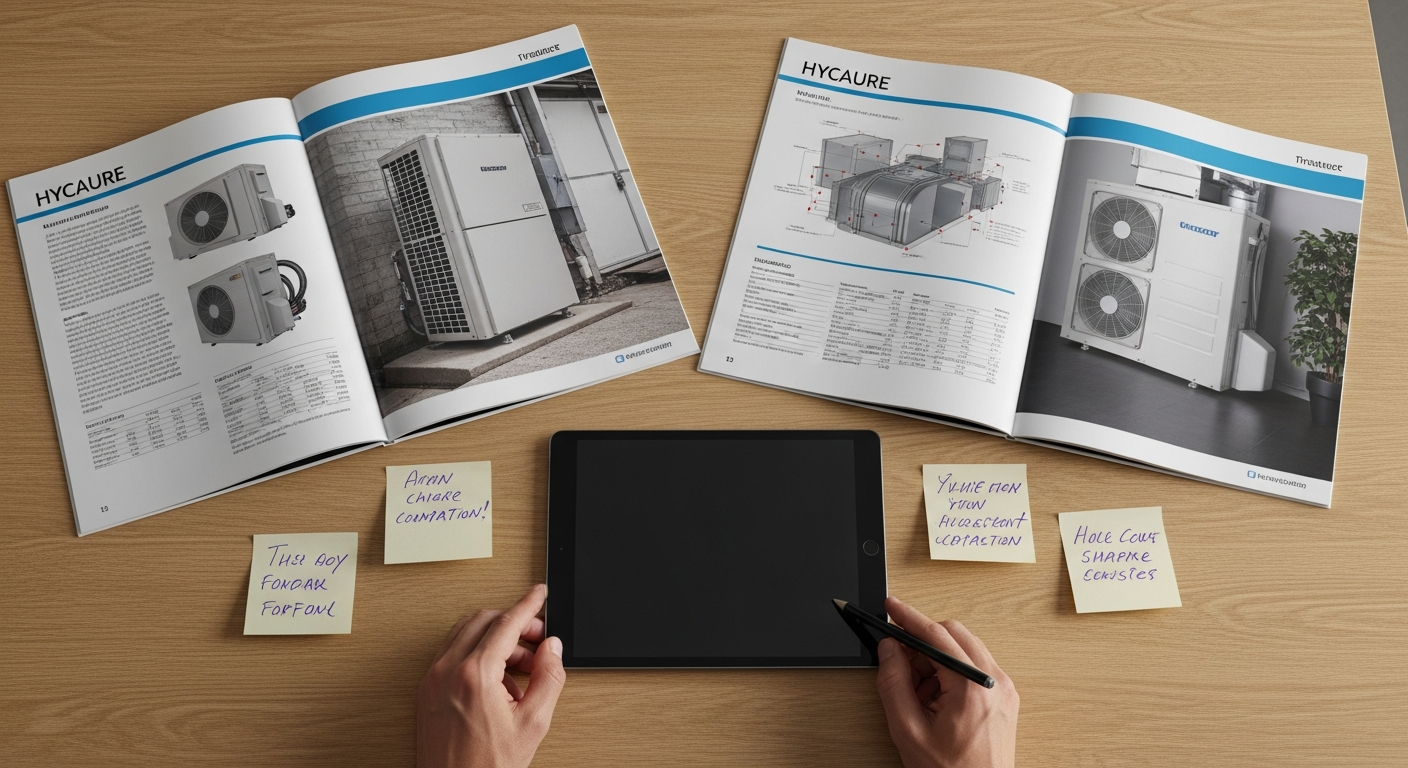
clear recommendation
A second HVAC opinion is a low-cost insurance policy against misdiagnosis and overspending. Before authorizing any repair over $500, get at least one additional assessment from a vetted, independent contractor.
What Matters Most
- Always get a second opinion for quotes over $1,000 or if safety is cited.
- Use HVACDatabase tools to estimate fair costs and find trusted contractors.
- Ask pointed questions to verify the diagnosis and sizing.
- Understand local climate factors that affect system needs.
- Never feel pressured into immediate decisions by high-pressure sales tactics.
Strengths
- Saves money by avoiding unnecessary replacements.
- Peace of mind through independent verification.
- Better system sizing and efficiency.
- Reveals contractor honesty and competence.
Weaknesses
- Diagnostic fee typically $80–$200, non-refundable.
- Can delay urgent repairs in extreme weather.
- May lead to conflicting advice if not carefully vetted.
- Requires time to schedule and compare.
Decision Summary
| Scenario | Usually do | Why |
|---|---|---|
| Repair quote over $1,000 | Get a second opinion before approving | High chance of misdiagnosis or upsell; >50% of replacement cost signals replacement may be smarter. |
| Technician says system is unsafe (CO leak, fire hazard) | Verify immediately with fire department or utility company before proceeding | Scare tactics are common; independent confirmation protects you. |
| Contractor pushes for same-day signing with 'discount if you sign now' | Walk away and get another quote | Reputable companies don't pressure; quality work sells itself. |
| You suspect oversized/short-cycling issues | Request a Manual J load calculation from the second contractor | Proper sizing prevents inefficiency and discomfort; guessing is a red flag. |
Unsure about a $1,000+ HVAC repair quote? A second opinion could be the difference between a simple fix and a $10,000 mistake. Every year, homeowners waste billions on unnecessary system replacements because they trusted a single diagnosis. Before you approve expensive work, use this guide to understand when a second opinion is essential, how to get one, and what questions to ask.
Quick Answer: Should You Get a Second HVAC Opinion?
Yes, if a repair is quoted above $1,000, the technician claims a safety hazard, or you’re told the unit must be replaced immediately. A second opinion typically costs $80–$200 and can prevent misdiagnosis that leads to spending thousands unnecessarily. Use our HVAC quote checker to see if your estimate is in line.
When a Second Opinion Is Non-Negotiable
Not every call warrants a second set of eyes, but these red flags demand one.
| Red Flag | What It Could Mean | Your Next Step |
|---|---|---|
| Repair quote over 50% of new system cost | The contractor may be steering you toward a full replacement you don’t need—or the unit truly is end-of-life. | Get a diagnostic-only visit from another HVAC pro. Compare with our Repair or Replace Calculator. |
| Technician cites carbon monoxide leak or fire hazard | Scare tactics are a known sales trick. Verify independently. | Call your local fire department non-emergency number or gas utility for a free safety check. Do not rely solely on a technician selling a solution. |
| High-pressure “today only” pricing | Pressure erodes your ability to make a rational financial decision. | Politely decline and schedule a second opinion. Use HVACDatabase contractor search to find vetted pros in your area. |
| No clear explanation of why a part failed or how the new system was sized | The diagnosis may be guesswork or based on rules of thumb, not actual measurements. | Ask the second technician to perform a load calculation (BTU Calculator) and explain the failure’s root cause. |
| System is under 5 years old and the fix is over $2,000 | Major component failures this early suggest a misdiagnosis, installation error, or a warranty claim. | Check your manufacturer warranty. Ask the second pro to confirm whether the failed part should be covered. |
How a Second Opinion Saves You Money
A homeowner in Phoenix was quoted $11,500 for a full AC replacement after being told the compressor had failed. A second technician identified a $60 capacitor and loose wiring—total repair cost $240. Such misdiagnoses are common. The table below shows typical scenarios and the potential savings.
| Scenario | First Quote | Second Opinion Diagnosis | Actual Repair | Savings |
|---|---|---|---|---|
| AC not cooling | $1,200–$1,800 (coil/refrigerant repair) | Dirty condenser coil, low refrigerant due to loose cap | $150–$300 cleaning + $75 cap | $1,000+ |
| Furnace won’t start | $4,500 (heat exchanger replacement) | Failed igniter or flame sensor | $250–$500 | $4,000+ |
| Short cycling | $7,000–$9,000 (new unit, incorrectly sized) | Oversized unit from prior install; duct leakage | $1,800–$3,200 for duct sealing and airflow adjustments | $5,000+ |
Costs are editorial estimates based on typical market data and our HVAC cost guide. Your actual costs may vary.
How a Second Opinion Works (and What It Costs)
A standard diagnostic visit costs $80–$200 depending on your location and whether it’s after hours. The technician will inspect the equipment, run tests (airflow, refrigerant pressures, electrical measurements), and provide a verbal and written finding. You are under no obligation to hire them for the repair.
Some contractors charge a diagnostic fee that is waived if you proceed with the repair. Others charge a flat trip or evaluation fee. Always ask before booking.
Decision Rules: Repair vs. Replace Based on Numbers
Use these thresholds to frame your second opinion—they follow common industry guidance:
- Repair cost < 30% of a new system and unit is under 8 years old: repair is nearly always the better financial choice.
- Repair cost 30–50% of new system and age 8–12 years: consider repair only if the system has been well-maintained and the repair comes with a strong parts/labor warranty.
- Repair cost > 50% of new system or unit is over 12 years old: replacement usually makes more sense, especially if energy savings from a modern unit help offset the cost. Check for rebates with our Rebate Finder.
- If the failing component is under manufacturer warranty: repair cost should be parts-free (labor only). If a contractor quotes full cost, verify warranty status yourself.
Safety Boundaries: What Homeowners Can and Cannot Do
While gathering information, stick to these safe checks. Never attempt repair involving high voltage, gas lines, refrigerant, or combustion components.
Safe Homeowner Checks
- Inspect and replace a dirty air filter.
- Check that the thermostat is set correctly and has fresh batteries.
- Ensure the outdoor unit is clear of debris, leaves, and overgrown vegetation (at least 2 feet clearance).
- Look for ice buildup on refrigerant lines—turn the system off and call a pro.
- Verify that circuit breakers for the HVAC equipment are in the ON position (if they trip repeatedly, do not reset repeatedly—call a pro).
- Smell for rotten eggs (natural gas) or burning plastic—if detected, evacuate and call the gas company.
Pro-Only Work (Do Not DIY)
- Handling refrigerant, including adding or removing refrigerant.
- Replacing capacitors, contactors, control boards, or any electrical component beyond the disconnect box.
- Diagnosing or repairing gas valves, burners, or heat exchangers.
- Compressor or motor replacement.
- Any work requiring opening sealed system components.
Local Market Factors That Change the Equation
Your climate and housing stock affect what a second opinion should confirm.
- Hot, dry climates (e.g., Phoenix, Las Vegas): AC sizing is critical; oversizing can cause rapid cycling and poor dehumidification. Ask the contractor to reference Phoenix AC contractors for local load examples.
- Humid climates (e.g., Houston, Miami): Two-stage or variable-speed equipment can control humidity better. A second opinion might suggest a system that the first missed. Ensure the load calculation accounts for latent load.
- Cold climates (e.g., Chicago, Boston): Heat pump eligibility and furnace sizing matter. A second opinion might recommend a dual-fuel setup for efficiency. See Chicago heating repair for local insights.
- Coastal areas: Salt corrosion shortens outdoor unit life—ask about corrosion-resistant coatings or specific materials.
- Older homes (pre-1980s): Ductwork and insulation may be inadequate. A second opinion should include a duct inspection and possibly a blower door test to identify leaks before sizing new equipment.
Tools & Calculators From HVACDatabase
Before you book a second opinion, use these free tools to educate yourself:
- HVAC Cost Estimator: Get a ballpark replacement cost for your zip code.
- Quote Checker: Input your quote to see if it’s within a reasonable range.
- Repair or Replace Calculator: Enter your unit’s age and repair cost to get an evidence-based recommendation.
- System Age Decoder: Look up your serial number to verify the manufacture date.
- BTU Calculator: Estimate the correct size for your home (for reference—always pair with a Manual J).
- Rebate Finder: Find local utility rebates that can offset replacement costs.
Checklist: Questions to Ask the Second Technician
When the technician arrives, don’t reveal the first contractor’s diagnosis right away. Let them do an independent assessment first, then ask these questions:
- Can you physically show me the part that has failed and explain why it failed?
- Is this a common problem for my equipment’s make and model?
- What are all my repair options, from temporary fix to long-term solution?
- If replacement is suggested, how did you determine the size—did you perform a Manual J load calculation?
- Are you licensed and insured? Can I see your credentials? (Check them at How to Verify an HVAC Contractor License)
- What warranties do you offer on parts and labor for this repair?
- If I replace, what efficiency tier do you recommend and why? (Show them the options from the Cost Estimator)
- What rebates or financing options apply? (Use our Rebate Finder to cross-check)
- Can you provide a written, itemized estimate after your diagnosis?
- May I have 24–48 hours to review the estimate before I decide?
Methodology
The cost ranges and recommendations in this article are editorial estimates based on aggregated HVAC industry data, contractor surveys, and publicly available installation and repair costs. They are not guaranteed prices. Actual costs vary by region, system brand, season, access difficulty, permit requirements, and contractor overhead. Always obtain at least three quotes for large projects. Repair vs. replace decision thresholds are aligned with typical manufacturer guidelines and Department of Energy advice. HVACDatabase does not endorse any specific contractor; our directory helps homeowners find and compare professionals.
Frequently Asked Questions
How much does a second HVAC opinion cost?
Expect to pay $80–$200 for a standard diagnostic visit. After-hours or emergency calls can be higher. Some companies waive the fee if you proceed with their repair.
Can I get a free second opinion?
Be wary of “free” second opinions—they often come from companies using the visit as a sales call that leads to an inflated quote. A paid, independent diagnostic is usually more trustworthy.
What if the second technician agrees with the first quote?
If both diagnoses align, you can proceed with confidence. If you still have doubts, a third quote from a highly-rated contractor (search here) provides final confirmation. Three consistent quotes are the gold standard.
How do I find an unbiased second opinion?
Use HVACDatabase’s contractor directory to filter by reviews and services. Seek out contractors who do not advertise “free” estimates or work on commission. Read our guide on vetting reviews.
Is it ever too late for a second opinion?
If you haven’t signed a contract and the system isn’t a safety risk, it’s not too late—even if parts have been ordered, you can typically cancel (check your state’s right-to-rescind laws). In a no-heat/no-cool emergency, you may need same-day evaluation; use our emergency contractor finder to get a rapid second opinion.
Related articles
Connect this page to adjacent guides so readers keep moving deeper into the topic cluster.

Tips for Choosing a Smart Thermostat for a Heat Pump
Learn which smart thermostat features prevent expensive auxiliary heat mistakes, how to verify compatibility, and when to call a pro.

Understanding C Wire Adapters for Smart Thermostats
Missing the C wire for your smart thermostat? C wire adapters solve power issues without pulling new wiring. Compare types, costs, and installation options.

Best Smart Thermostats for Multi Zone Homes
Discover which smart thermostats deliver accurate zoning, remote sensors, and energy savings for homes with multiple HVAC zones. Our guide helps you pick the right model and avoid costly compatibility mistakes.