After Hours HVAC Service Call Cost
Learn what you’ll really pay for after-hours HVAC calls, when to wait versus call, and how to vet emergency technicians to avoid overpaying.
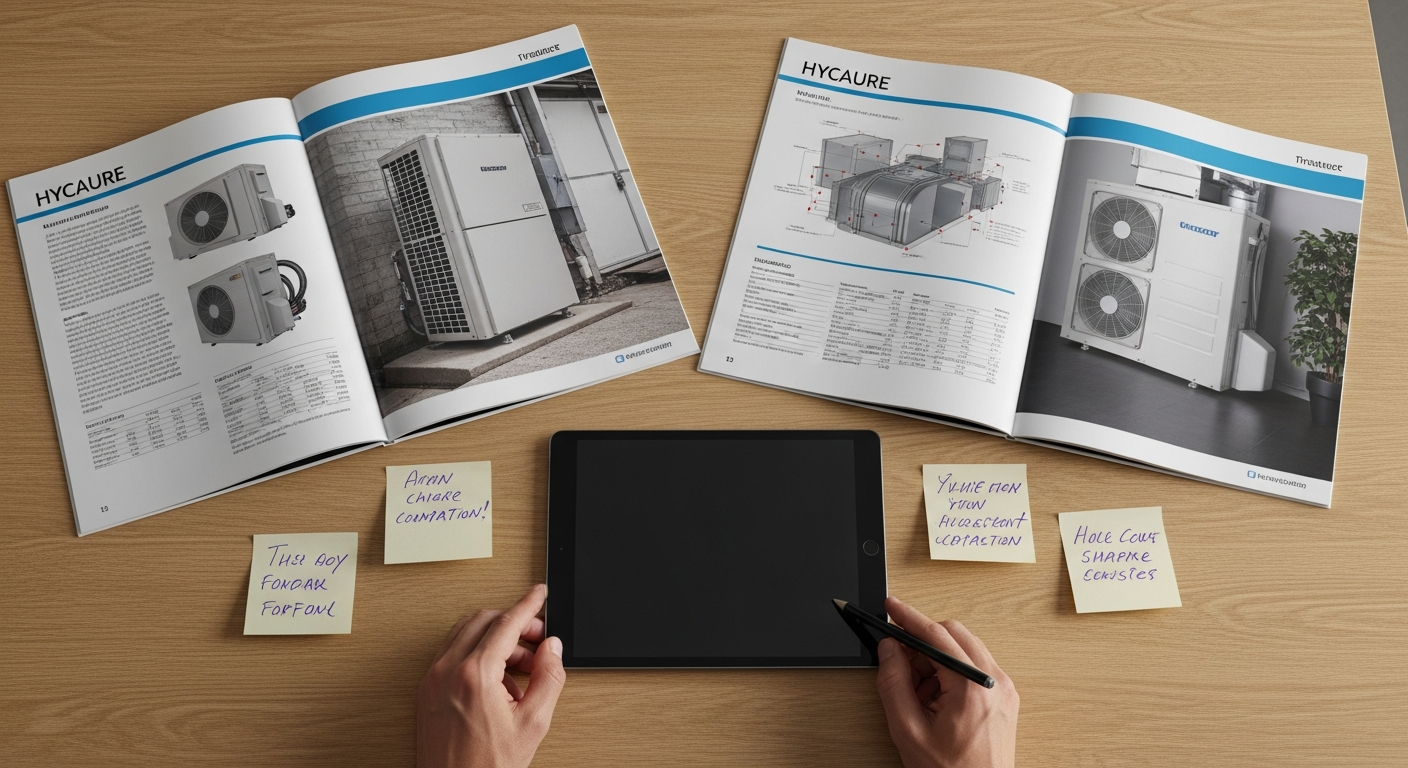
Know When to Call and When to Wait
After-hours HVAC calls are expensive and often avoidable. Use this guide to assess urgency, compare costs, and find a trustworthy technician only when you truly need one.
What Matters Most
- Most emergency calls total $300–$700 for simple fixes.
- Safety and extreme weather are the only reasons to call after hours.
- Check thermostat, filter, and breaker yourself before calling.
- Always ask for a fee breakdown and minimums before approving work.
- Use HVACDatabase tools and contractor search to avoid overpaying.
Strengths
- Clear cost ranges set realistic expectations for homeowners.
- Decision rules prevent unnecessary $300+ emergency expenditures.
- Contractor checklist ensures fair pricing and quality assurance.
Weaknesses
- Costs vary widely by region and season; estimates may not match your exact area.
- Waiting could worsen the problem if the issue is progressive (e.g., a refrigerant leak).
Call Now vs. Wait Until Morning
| Scenario | Usually do | Why |
|---|---|---|
| No heat with freezing temps | Call immediately | Health risk and pipe freezing |
| AC out in mild weather | Wait | Fans and open windows can keep you comfortable |
| Burning smell or gas odor | Evacuate, then call | Possible fire or carbon monoxide hazard |
| System short cycling | Wait if intermittent | May not be urgent; schedule regular visit |
When your HVAC quits at 10 p.m. or on a holiday, the cost to fix it can jump 50–200% over standard rates. After-hours service fees reflect the premium for immediate response outside normal business hours. Most emergency HVAC calls range from $200 to $700 total, but complex repairs can exceed $1,500. The final bill depends on diagnostic charges, labor minimums, parts availability, and regional demand. This guide shows you exactly what to expect, how to spot a true emergency, and the right questions to ask before you approve work—so you don’t overpay for avoidable night calls.
Quick Answer
A typical after-hours HVAC visit costs $300–$700 (diagnostic + 1 hour labor + small repair). For major work like a compressor or control board, expect $1,500–$4,000+. Diagnostic fees alone range from $150–$450, and emergency labor runs $150–$300 per hour with a 1– or 2–hour minimum. Holiday surcharges add $50–$200 extra.
After-Hours vs. Standard Cost Breakdown
| Cost Component | Standard (Weekday 8–5) | Emergency (Nights, Weekends, Holidays) |
|---|---|---|
| Diagnostic Fee | $80–$200 | $150–$450 |
| Labor per Hour | $100–$150 | $150–$300 (often 1– or 2–hr minimum) |
| Parts Markup | Typical 10–50% | Same, plus overnight shipping if out of stock |
| Holiday Surcharge | None | $50–$200 additional |
| Total Typical Visit | $180–$350 | $300–$700+ (simple repair) |
Safety Boundaries: What You Can Check Yourself
Before calling, verify these 3 items safely. Never open electrical panels or gas lines.
- Thermostat batteries & settings: A blank screen or incorrect mode (heat vs. cool) is a common non-emergency.
- Air filter: A severely clogged filter can cause overheating and shutdown.
- Circuit breakers: The HVAC breaker may have tripped; reset it once. If it trips again, call a pro.
Pro-only work – do not attempt
Refrigerant handling, gas valve adjustment, combustion chamber inspection, compressor/capacitor replacement, control board repairs, and any high-voltage wiring must be done by a licensed technician. These carry serious risk of injury, fire, or carbon monoxide poisoning.
When Is It a Real Emergency? Decision Rules
Call immediately if:
- Outdoor temp >90°F or <40°F and you have no backup heating or cooling.
- Infants, elderly, or anyone with a medical condition is in the home.
- You smell gas or burning. Evacuate, then call 911 and your utility before an HVAC tech.
Wait until regular business hours if:
- Mild weather (60–80°F) and you can use fans, blankets, or a portable heater safely.
- The issue is intermittent or only a comfort inconvenience. See how to cool your home during an AC emergency.
How to Save on Emergency Repairs
- Join a maintenance plan: Annual tune-ups reduce mid-night breakdowns and many plans include priority service and discount rates.
- Check your home warranty: Some policies cover emergency HVAC repairs with a flat service fee.
- Use our Emergency Cost Tool to estimate local rates before you call.
Contractor Checklist: Questions to Ask Before Approving Work
- Is the diagnostic fee applied to the repair if I proceed?
- What is your hourly rate, and is there a minimum charge?
- Are there additional holiday or after-hours surcharges on top of labor?
- Do you carry common parts on the truck, or will a return trip be needed?
- Are you licensed, insured, and can you provide references from recent emergency calls?
Find pre-screened 24/7 contractors on HVACDatabase or compare ratings for Phoenix AC and Chicago heating pros.
Use Our Tools to Make a Cost-Smart Decision
Not sure if you should repair or replace? Try the Repair or Replace Calculator. Get a broader cost estimate with the HVAC Cost Estimator. Both are free and based on your specific system details.
Local Context Matters
In hot climates like Phoenix, a summer AC failure at 9 p.m. is a genuine emergency; waiting can be dangerous. Conversely, in cold climates like Chicago, losing heat during a winter night demands immediate action to prevent frozen pipes. Coastal homes often face higher after-hours premiums due to corrosion-related part shortages. Always factor in your local weather extremes and contractor availability.
Methodology
Cost ranges are editorial estimates based on nationwide surveys of HVAC contractors, manufacturer price lists, and user-reported data from HVACDatabase tools. Actual charges vary by region, system size, brand, urgency, and parts availability. Always obtain at least two written quotes from vetted providers before authorizing major repairs.
FAQs
Is it cheaper to wait for a regular weekday appointment?
Yes. If the situation is not life-threatening or weather-critical, waiting can save $150–$500. Use temporary solutions like staying cool without AC or warming a room with a space heater.
Can I avoid after-hours fees entirely?
Not usually, but you can reduce odds with regular maintenance (see Maintenance Reminders) and by enrolling in a service contract that may waive emergency call-out fees.
What qualifies as a true HVAC emergency?
Any situation involving gas odor, electrical burning smell, or indoor temperatures that pose a health risk (below 50°F or above 90°F for vulnerable individuals). Otherwise, it’s a comfort issue.
Will parts cost more after hours?
Parts themselves are rarely marked up extra specifically for emergency hours, but you may pay a premium for after-hours supply runs or overnight shipping fees.
How do I find a trustworthy 24/7 technician?
Use the contractor comparison tool to see ratings, response times, and pricing transparency. Always confirm licensing and insurance before they begin work.
Practical Next Steps
- Write down the system age, brand, model number, thermostat setting, and exact symptom before calling.
- Take photos of visible ice, water, error codes, dirty filters, or unusual equipment conditions without opening sealed or electrical compartments.
- Use HVAC cost estimator, Quote checker, Repair or replace calculator to estimate the budget or compare next steps.
- Get at least two written quotes for major repairs or replacements, especially when the system is more than 8-10 years old.
The strongest quote is not always the cheapest. Look for a contractor who explains the cause, confirms whether the repair is durable, documents warranty coverage, and gives you a clear path if the first repair does not fully solve the issue.
Related articles
Connect this page to adjacent guides so readers keep moving deeper into the topic cluster.
Cost to Install Multiple Smart Thermostats
Get a clear cost breakdown for installing 2–4+ smart thermostats. Includes equipment, labor, zoning upgrades, and how to save with utility rebates. Practical checks and contractor questions inside.
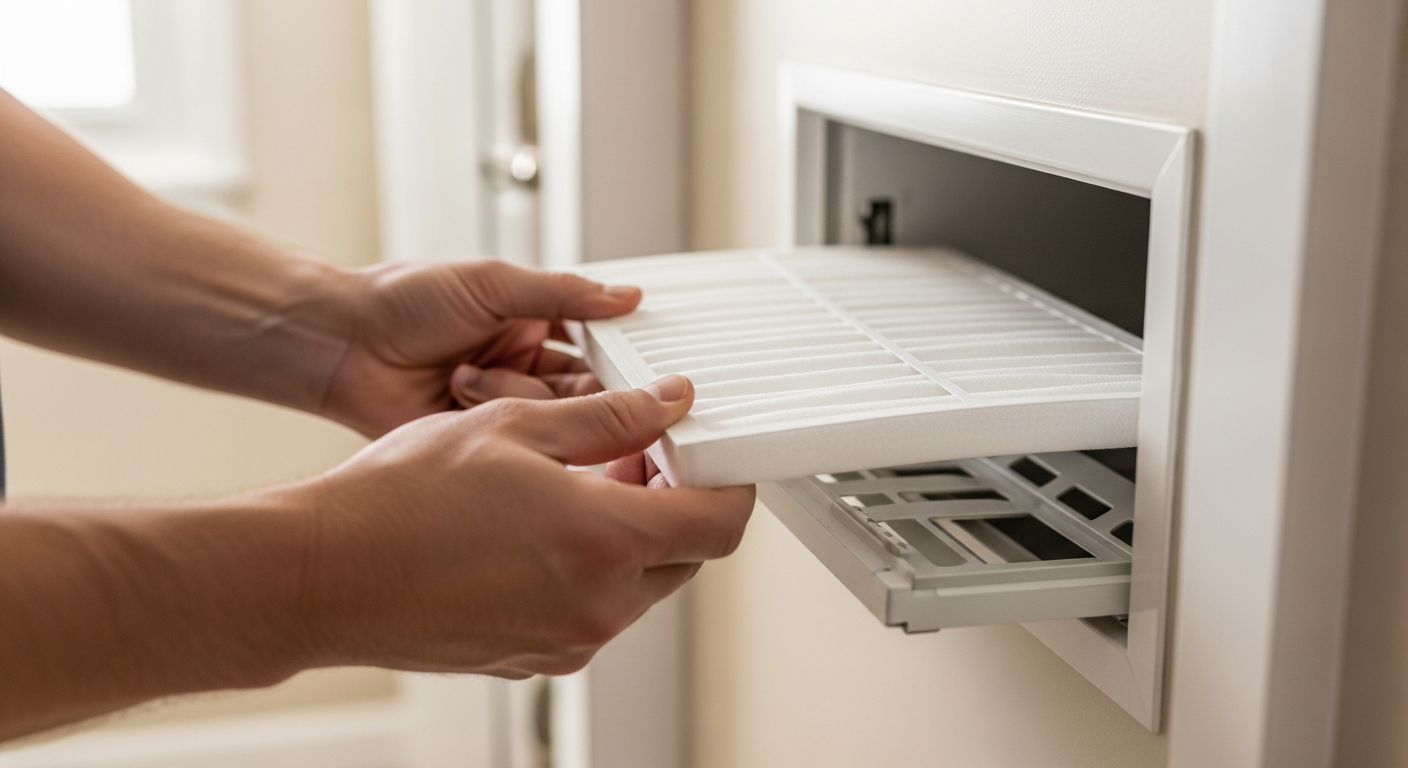
Duct Booster Fan Installation Cost
Uneven room temps? Duct booster fan installation costs: register fans $30–$100 DIY, inline fans $500–$800+ with pro. Learn when a booster works and when you need a bigger fix.
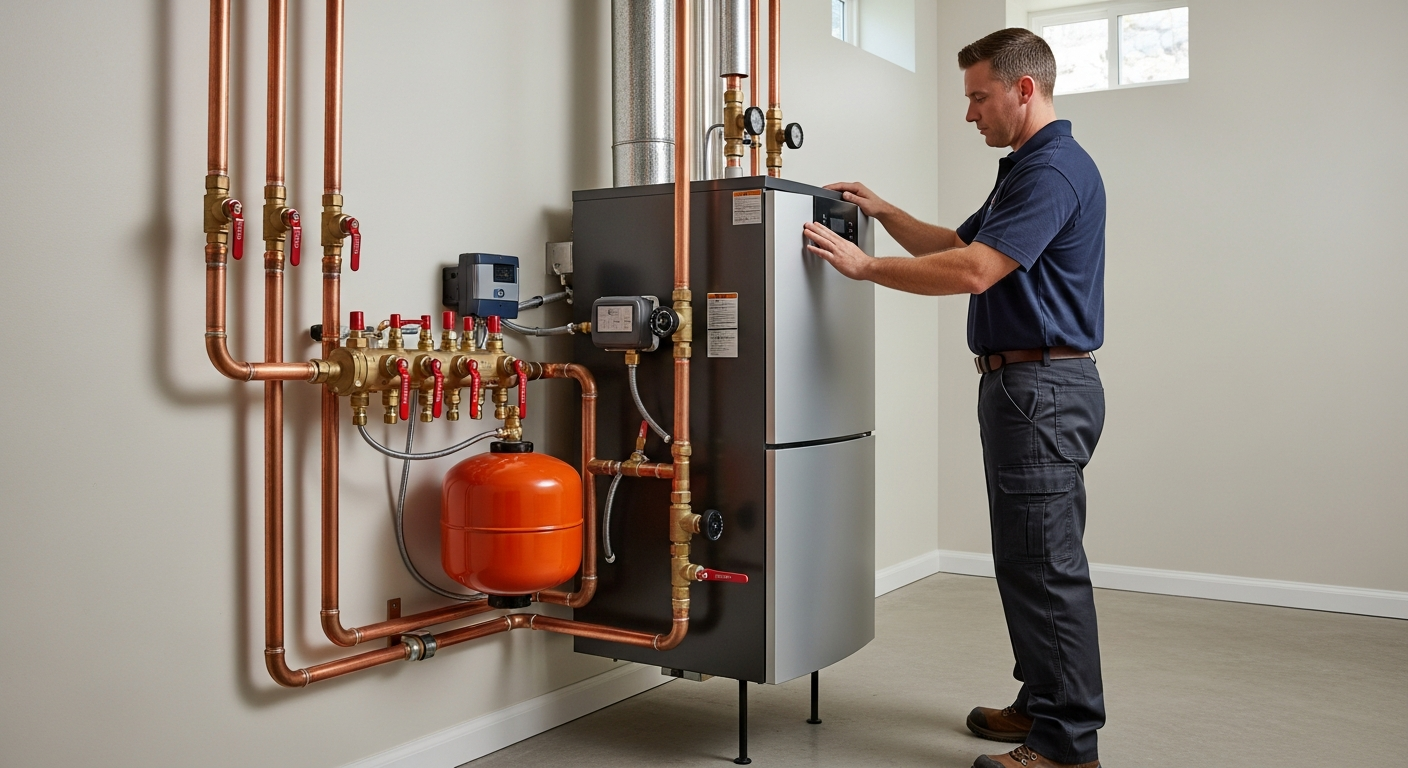
Makeup Air Unit Installation Cost Guide
Expect to pay $1,500–$4,500 for a pro-installed makeup air unit. Discover passive vs. tempered options, code triggers, and money-saving decision rules.