Best HVAC Filters for Wildfire Smoke
Wildfire smoke can severely impact your indoor air quality. Discover which HVAC filters provide the best protection for your family and your home cooling system.

Protecting Your Home from Wildfire Smoke
When wildfires occur, the air quality in your surrounding area can plummet in a matter of minutes. While staying indoors is the best first step, outside air inevitably finds its way inside through windows, doors, and your HVAC system. To keep your family safe, you need a filtration strategy that can handle fine particulate matter.
Understanding how to optimize your HVAC system is critical during these events. If you are unsure about your system's capabilities, you can find trusted local professionals at HVACDatabase.com to perform a system audit and recommend the right upgrades.
The Science of Wildfire Smoke Particles
Wildfire smoke is a complex mixture of gases and fine particles produced when wood and other organic materials burn. The biggest health threat from smoke is from fine particles, often referred to as PM2.5. These microscopic particles can penetrate deep into your lungs and even enter your bloodstream.
Standard fiberglass filters are designed to protect your HVAC equipment from large dust bunnies, not your lungs from microscopic smoke. To filter out smoke, you need a high-efficiency filter with a high MERV rating.
Understanding MERV Ratings for Smoke Removal
The Minimum Efficiency Reporting Value (MERV) scale ranges from 1 to 16 for residential systems. The higher the number, the better the filter is at capturing small particles. For wildfire smoke, the standard recommendation is a MERV 13 filter or higher.
- MERV 8: Captures large particles like dust and pollen but fails to stop most smoke particles.
- MERV 11: Offers better filtration and can capture some smoke, making it a decent middle-ground for many systems.
- MERV 13: The industry standard for capturing fine particulates, including smoke, viruses, and bacteria.
If you are already dealing with seasonal sensitivities, you might find that the best HVAC filters for allergy sufferers also provide a solid baseline for smoke protection. However, MERV 13 is the specific threshold recommended by health organizations for wildfire events.
Can Your HVAC System Handle MERV 13?
Before you rush out to buy the highest-rated filter available, you must ensure your blower motor can handle the resistance. High-efficiency filters are denser, which means your system has to work harder to pull air through them. If the filter is too restrictive, it can cause the system to overheat or freeze up.
Check your system's manual or consult an expert. This is particularly important for those in specific climates, such as HVAC tips for Cleveland homeowners who may deal with high humidity alongside seasonal smoke issues. If your system is older, a professional from HVACDatabase.com can help you determine if a high-MERV filter is safe to use.
Operational Tips During Smoke Events
Having the right filter is only half the battle. How you run your system determines how much air actually passes through that filter. Follow these actionable steps to maximize your protection:
- Switch to 'On' instead of 'Auto': Normally, your HVAC fan only runs during a heating or cooling cycle. Set your thermostat fan setting to 'On' to ensure continuous air filtration.
- Keep Fresh Air Intakes Closed: If your system has a fresh air intake, close it during heavy smoke events to prevent outdoor pollutants from being sucked directly into your home.
- Monitor Filter Condition: Wildfire smoke will clog a filter much faster than normal dust. Inspect your filter every two weeks during an active fire season.
If you are concerned about other indoor pollutants, learning how to reduce VOCs in your home can provide a more comprehensive approach to air quality beyond just smoke particles.
The Role of HEPA Filters
While MERV 13 is excellent, HEPA (High-Efficiency Particulate Air) filters are the gold standard, capturing 99.97% of particles. Most residential HVAC systems cannot accommodate a HEPA filter directly in the filter slot because they are too thick and restrictive. To get HEPA-level cleaning, many homeowners opt for a whole-house air purifier bypass system.
For those looking for integrated solutions, you might consider understanding high-efficiency condensing furnaces which often feature advanced blower motors that handle high-efficiency filtration more effectively.
Supplementary IAQ Solutions
A high-quality filter is your first line of defense, but it isn't the only tool available. If you have pets, you might already be using specific tips for choosing HVAC filters for pet owners, which emphasizes high turnover and particle capture.
When the air is heavy with smoke, maintaining proper humidity can also help. Extremely dry air can irritate your respiratory system, making it more sensitive to smoke. Check the signs you need a whole house humidifier to see if adding moisture could help alleviate discomfort during smoke season.
Lastly, while ventilation is usually good, you must be careful. For example, knowing how to install an attic fan for ventilation is great for cooling, but you should keep these fans off during wildfire events to avoid creating a vacuum that pulls smoke into your living spaces.
Summary of Recommendations
To summarize, the best HVAC filter for wildfire smoke is a pleated MERV 13 filter. It strikes the ideal balance between high-efficiency filtration and maintaining proper airflow for most modern HVAC systems. Always keep a spare filter on hand, as you may need to change it frequently when the Air Quality Index (AQI) is in the orange or red zones.
If you need help upgrading your system or assessing your air quality needs, remember that HVACDatabase.com is your go-to resource for finding certified, trusted HVAC contractors in your local area.
Related articles
Connect this page to adjacent guides so readers keep moving deeper into the topic cluster.
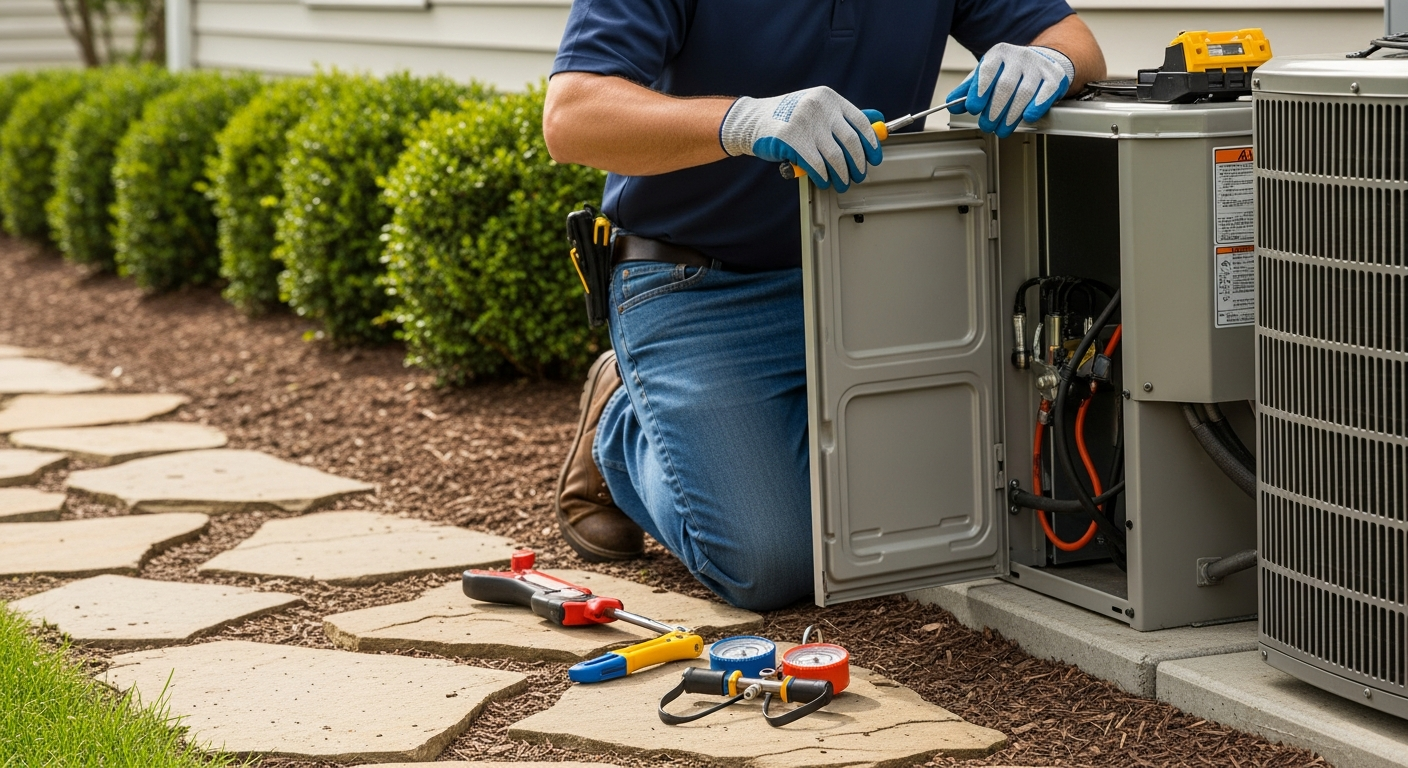
Understanding Bipolar Ionization for HVAC
Discover how bipolar ionization technology can purify your home's air by neutralizing pathogens and odors through your HVAC system.
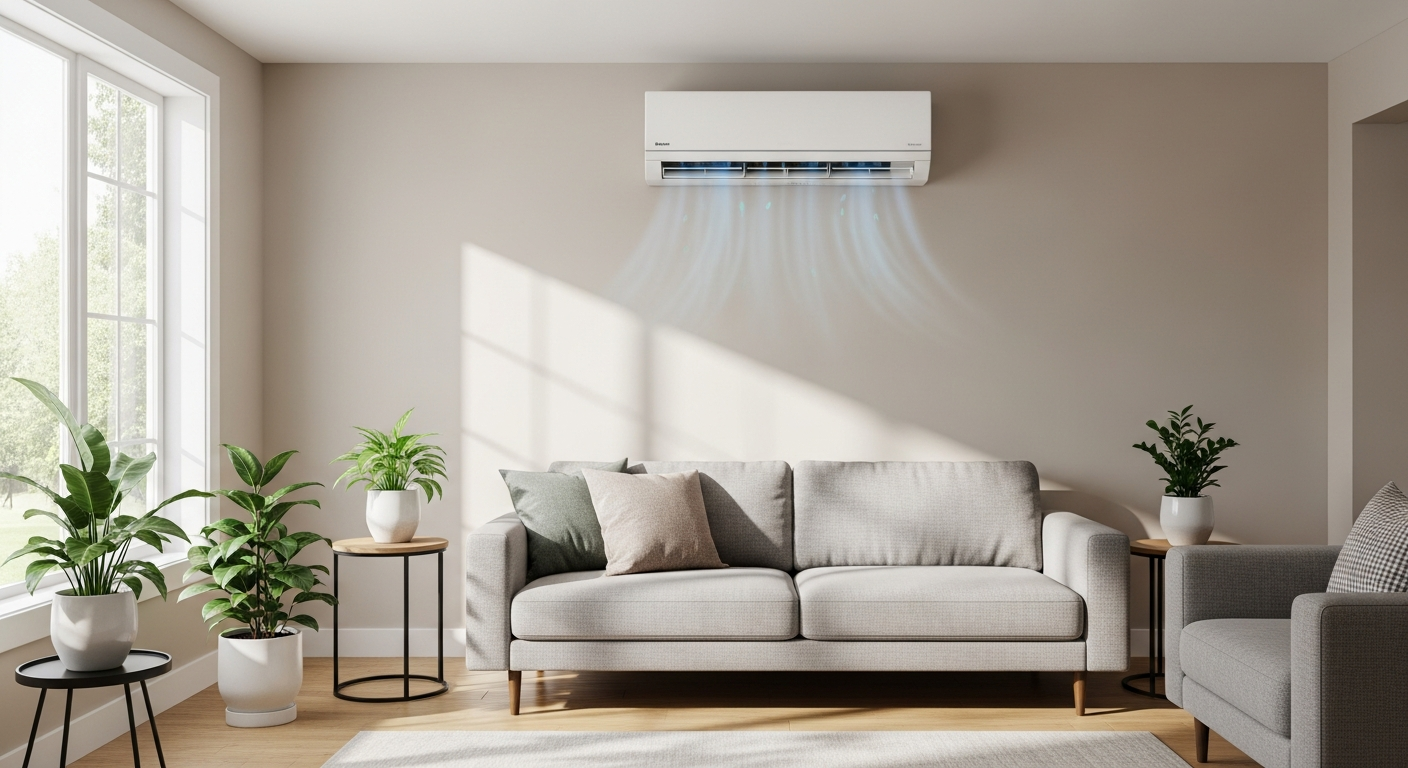
Tips for Reducing Dust Mites With HVAC
Eliminate allergens and breathe easier by leveraging your HVAC system to control dust mite populations and improve your home's overall air quality.
Why You Should Test Your Home for Radon
Radon is an odorless, invisible gas that can pose serious health risks. Discover why testing your home is the only way to ensure your indoor air is safe for your family.