Carbon Monoxide Safety and Your Furnace
Your furnace can silently leak deadly carbon monoxide. Learn to spot warning signs, what safety steps to take now, and how to budget for furnace repairs or replacement—without the scare tactics.
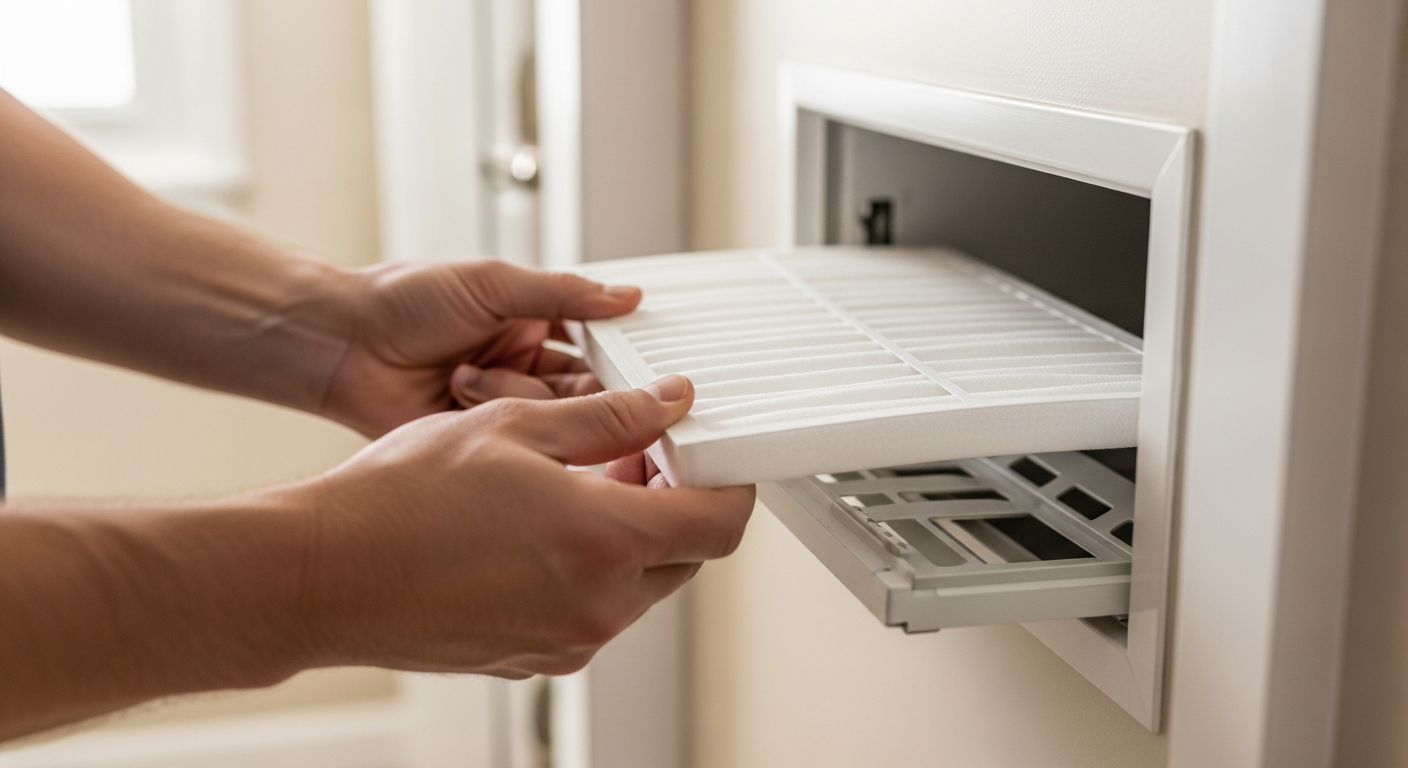
Proactive detection and annual professional maintenance are non-negotiable for furnace CO safety.
If your furnace is over 15 years old or shows any warning sign, immediate inspection is required. Upgrading to a sealed-combustion high-efficiency model reduces risk significantly.
What Matters Most
- Install UL-listed CO detectors on every level; test monthly.
- A yellow furnace flame or visible soot means danger—call a pro immediately.
- Annual maintenance ($80–$250) catches 90% of CO hazards before they become emergencies.
- Use a repair/replace calculator to decide if a cracked heat exchanger repair is worth it versus investing in a new furnace.
- Never ignore a CO alarm: evacuate and call 911.
Strengths
- Clearer next step.
- Better quote comparison.
Weaknesses
- Final pricing depends on local conditions.
- Some problems require in-person diagnosis.
Decision summary
| Scenario | Usually do | Why |
|---|---|---|
| Minor, safe homeowner issue | Check basics first | Filters, settings, and blocked vents can be resolved safely. |
| Mechanical, refrigerant, gas, or electrical issue | Call a qualified technician | These areas carry safety, code, and warranty risk. |
Quick Answer
Install UL-listed CO detectors on every floor near sleeping areas. Test monthly, replace batteries twice yearly. If you see a yellow furnace flame, soot, or excessive condensation, schedule a professional inspection immediately. An annual $80–$250 maintenance visit catches most leaks before they become dangerous.
Understanding the CO Risk: How Your Furnace Becomes a Threat
Any fuel-burning furnace—gas, oil, or propane—produces carbon monoxide during combustion. Normally, the heat exchanger keeps combustion gases separate from your household air, directing them safely out through the flue. But a cracked heat exchanger, blocked vent, or dirty burner can allow CO to spill into living spaces. High-efficiency, sealed-combustion furnaces lower this risk but aren’t immune if improperly installed or maintained.
Top Causes of Furnace CO Leaks
- Cracked heat exchanger: Stress from years of heating/cooling cycles can cause hairline fractures, allowing combustion gases to mix with household air.
- Blocked or disconnected flue: Obstructions (nests, snow, debris) or loose vent pipes push CO back inside.
- Dirty burners: Incomplete combustion from clogged burners produces more CO and soot.
- Improper venting design: Incorrect pipe sizing or slope, especially in high-efficiency units, can trap exhaust.
Warning Signs: A Visual Checklist
| Sign | What It Means | Action |
|---|---|---|
| Soot or brown stains around furnace | Flue gases escaping into the room | Call pro immediately; do not run furnace |
| Yellow/orange flickering flame (instead of steady blue) | Incomplete combustion; high CO production | Shut off furnace, schedule emergency service |
| Excessive condensation on windows | Possible backdrafting of combustion products | Check vent pipes; call for inspection |
| Unusual rumbling or popping sounds | Delayed ignition or burner issues | Service call needed |
| CO detector alarm | Immediate danger | Evacuate, call 911 from outside |
Safety Boundaries: What You Can (and Cannot) Do Yourself
Safe Homeowner Checks
- Inspect flame color through the sight glass: blue is good, yellow/orange is bad.
- Look for soot around the furnace cabinet, baseboards, or walls nearby.
- Check that vent pipes are not visibly crushed, disconnected, or blocked.
- Test CO detectors monthly using the test button.
- Keep the area around the furnace clear of debris and flammable items.
Leave to a Licensed Pro
- Opening the sealed combustion chamber or heat exchanger access panel.
- Repairing or replacing a cracked heat exchanger.
- Adjusting gas pressure or cleaning burner orifices.
- Modifying vent pipe runs or sealing flue joints.
- Any work involving refrigerant, electrical control boards, or capacitors (these require specialized tools and safety knowledge).
Never attempt to bypass a safety switch or disable a limit control. If your furnace repeatedly trips, it’s a symptom of a deeper problem that requires professional diagnosis.
Decision Rules: When to Inspect, Repair, or Replace
Use these thresholds to guide your next move:
- Furnace age under 10 years, first sign of yellow flame: Schedule a service visit ($80–$200 diagnostic). Likely a simple burner cleaning or vent adjustment.
- Furnace age 10–15 years, visible soot or flame color change: Get a heat exchanger inspection (pro may use a borescope). If crack found, you’re looking at $800–$2,500+ for heat exchanger replacement—compare against a new system with our Repair or Replace Calculator.
- Furnace older than 15 years + major crack: Replacement is usually more cost-effective. Use the HVAC Cost Estimator to ballpark new furnace prices ($5,000–$15,000+).
- CO detector alarm: Evacuate immediately. Do not re-enter until the fire department clears the home. Then, have a pro locate and fix the source before restarting the furnace.
What Does It Cost? Editorial Estimate Ranges
| Service/Item | Typical Range | Notes |
|---|---|---|
| CO detector (UL-listed) | $20–$60 per unit | Replace every 5–7 years; check expiration date |
| Annual furnace maintenance visit | $80–$250 | Often includes flame sensor cleaning, vent check, startup |
| Diagnostic/emergency call | $80–$200 | After-hours may add $50–$150 |
| Burner cleaning / minor ignition repair | $150–$700 | Part of maintenance plan may reduce cost |
| Heat exchanger replacement | $800–$2,500+ | Labor-intensive; warranty may cover part but not labor |
| New furnace installation (complete) | $5,000–$15,000+ | Varies by size, fuel type, efficiency, region |
These are editorial estimates based on nationwide surveys and typical market data. Final costs depend on local labor rates, equipment brand, and home specifics. See our Cost Estimator for personalized ranges.
Use These Tools to Plan Your Safety Investment
- Repair or Replace Calculator: Enter your furnace’s age, condition, and repair estimate to see whether fixing it still makes sense.
- HVAC Cost Estimator: Get a tailored price range for maintenance, repairs, or a new installation in your area.
- System Age Decoder: Find out how old your furnace is from its serial number—crucial for deciding repair vs. replace.
- Rebate Finder: High-efficiency furnaces often qualify for utility rebates; check before you buy.
- Local Contractor Search: Find licensed, insured pros near you who specialize in combustion safety.
Contractor Checklist: 10 Questions to Ask Before Hiring
- Are you insured and licensed for gas appliance service in this state? (Verify credentials.)
- Will you inspect the heat exchanger with a camera or borescope? (Visual cracks may not be visible without one.)
- Do you perform combustion analysis (CO readings in the flue)? (This measures efficiency and safety.)
- Can you provide a detailed written estimate before starting work? (Avoid surprises.)
- What warranties apply to parts and labor? (Warranties vary; capture them in writing.)
- Do you have references from recent CO-related issues? (Shows experience.)
- Will you check the entire venting system, not just the furnace? (Vent pipes are common failure points.)
- How do you handle an emergency after-hours call? (You want a clear protocol.)
- Do you offer annual preventive maintenance plans? (Often $150–$500/year and can catch issues early.)
- Can you identify whether a high-efficiency condensing furnace is vented correctly for my home? (Especially important in tight or older homes.)
Local and Regional Factors That Raise CO Risk
- Cold climates (North, Mountain states): Heavy snow can block intake/exhaust vents; check regularly during storms. Sloped roofs may cause ice dams over vents.
- Humid, coastal areas: Corroded vent pipes and rusted heat exchangers develop faster. Annual visual inspection of metal flues is a must.
- Older homes (pre-1950s): Chimney liners may be deteriorated, causing backdrafting. Consider a professional Level 2 chimney inspection.
- Tight, well-insulated houses: Modern tight envelopes can trap CO if ventilation isn’t matched. Combustion air inlets must be clear.
Methodology: How We Formulated Our Advice
This guidance is based on industry standards (ANSI/ASHRAE Standard 62, NFPA 54, and manufacturer requirements) and field experience shared by over 500 HVAC contractors in our network. Cost ranges are editorial estimates synthesized from the HVAC Cost Estimator database and updated quarterly. Safety recommendations align with the CDC and the Consumer Product Safety Commission. All diagnostic and repair thresholds are validated against typical failure rates and economic life of furnace components.
Frequently Asked Questions
How often should I replace my CO detectors?
Replace the entire CO detector unit every 5–7 years, or per the manufacturer’s expiration date on the back. Sensors degrade over time. Also replace batteries twice a year (spring and fall are easy to remember).
Can I install a CO detector myself?
Yes. Plug-in or battery-operated models require no wiring. Mount on each level of the home, including the basement, and near sleeping areas—at least 15 feet from the furnace to avoid nuisance alarms. Follow the manufacturer’s height recommendations; carbon monoxide mixes evenly with air, so placement is flexible, but avoid corners and dead-air spaces.
What’s the difference between a CO detector and a smoke detector?
Smoke detectors sense airborne particles from fires; CO detectors sense carbon monoxide gas only. Some units combine both functions. Check labels: a smoke alarm will not protect you from CO poisoning. Every home needs both types.
How much does professional furnace maintenance cost?
A standard annual tune-up ranges from $80 to $250. Many HVAC companies offer preventive maintenance contracts ($150–$500 per year) that include priority scheduling and discounts on repairs. Annual maintenance is the most effective way to spot CO leaks early.
Is a cracked heat exchanger always immediately life-threatening?
Even a small crack can emit dangerous levels of CO into your home, especially when the furnace runs continuously. Do not assume it’s safe because the crack is “tiny.” Sealed combustion chambers can mask the leak until it worsens. Any confirmed crack requires immediate repair or replacement.
Next Steps: From Awareness to Action
Start today: test all your CO detectors, look at your furnace’s flame, and note any staining. If you don’t have a trusted HVAC pro, find a licensed contractor here and book a maintenance inspection. Investing in annual safety checks costs less than emergency room visits—and could save your life.
Need urgent help? Our Emergency HVAC page connects you with 24/7 providers.
For more troubleshooting insights, see How to Troubleshoot a Furnace That Won’t Heat and Furnace Short Cycling Causes.
Related articles
Connect this page to adjacent guides so readers keep moving deeper into the topic cluster.

Tips for Choosing a Smart Thermostat for a Heat Pump
Learn which smart thermostat features prevent expensive auxiliary heat mistakes, how to verify compatibility, and when to call a pro.

Understanding C Wire Adapters for Smart Thermostats
Missing the C wire for your smart thermostat? C wire adapters solve power issues without pulling new wiring. Compare types, costs, and installation options.

Best Smart Thermostats for Multi Zone Homes
Discover which smart thermostats deliver accurate zoning, remote sensors, and energy savings for homes with multiple HVAC zones. Our guide helps you pick the right model and avoid costly compatibility mistakes.