Air duct cleaning costs $300–$700 for a typical home, but your final bill depends on home size, contamination, and accessibility. Avoid the infamous “$99 whole-house” specials—they’re almost always bait-and-switch scams that leave your ducts dirtier than before. When done correctly by a NADCA-certified technician, cleaning can restore airflow, reduce allergens, and even lower energy bills. Use our free cost estimator and quote checker to set a fair budget before you call.
Quick Answer: What You’ll Pay and What Matters
- Average total cost: $300–$700 (flat rate) or $30–$50 per vent.
- By home size:
- Small (under 1,500 sq ft, 8–12 vents): $250–$450
- Medium (1,500–2,500 sq ft, 12–20 vents): $400–$700
- Large (2,500+ sq ft, 20+ vents): $600–$1,200+
- Heavy contamination surcharge: +$100–$300 for pet dander, construction debris, or pest cleanup.
- Optional add-ons: Coil cleaning ($100–$300), sanitizer fogging ($100–$200).
- Scam alert: Any quote under $200 likely cuts corners—get 3 bids from vetted contractors.
Cost Breakdown Table
| Cost Factor | Typical Range | What Affects It |
|---|---|---|
| Per-vent cleaning | $30–$50 per opening | Number of registers and returns, ease of access |
| Flat system rate | $300–$700 | Usually covers up to 18 vents; better for medium homes |
| Blower and coil cleaning | $100–$300 | Required if heavy buildup; ask for before/after photos |
| Antimicrobial fogging | $100–$200 | Optional; verify EPA-registered products |
| Emergency/same-day add | $50–$150 | Typical in peak seasons or weekends |
| Duct replacement (if needed) | $1,500–$5,000+ | Per cost guide; use when leaks or damage are severe |
When to Clean vs. Replace: Decision Thresholds
Cleaning isn’t always the right move. Use these rules of thumb to decide.
🔍 Rule 1: Visual inspection at registers
If you see dust bunnies, hair, or debris on the grille or just inside, cleaning is appropriate. But if you see mold growth (black, green, or slimy patches) or rust holes, stop—cleaning won’t fix that. Call for a duct inspection.
💧 Rule 2: Musty odors or known water exposure
Musty smells often mean mold inside ducts. Since ductwork is porous, surface cleaning can’t kill roots. If you’ve had flooding or condensation issues, professional indoor air quality testing is needed; replacement may be cheaper than repeated cleanings.
📉 Rule 3: High energy bills + poor airflow
If some rooms are always too hot/cold and your system is over 15 years old, duct leaks could be the real culprit. Sealing leaks or replacing sections can save 20–30% on energy costs. Use our Repair-or-Replace Calculator to weigh options.
🏚️ Rule 4: Age of ductwork
Ducts over 20–25 years often have degraded insulation, leaks at joints, or obsolete designs. Cleaning won’t fix these. Our System Age Decoder tells you your HVAC’s birthday.
Safety Boundaries: What Homeowners Can Do, and What Pros Must Handle
✅ Safe Homeowner Checks
- Remove vent covers and vacuum loose debris you can reach with a shop vac (do not insert deep into ducts).
- Inspect accessible registers for mold or rodent droppings with a flashlight.
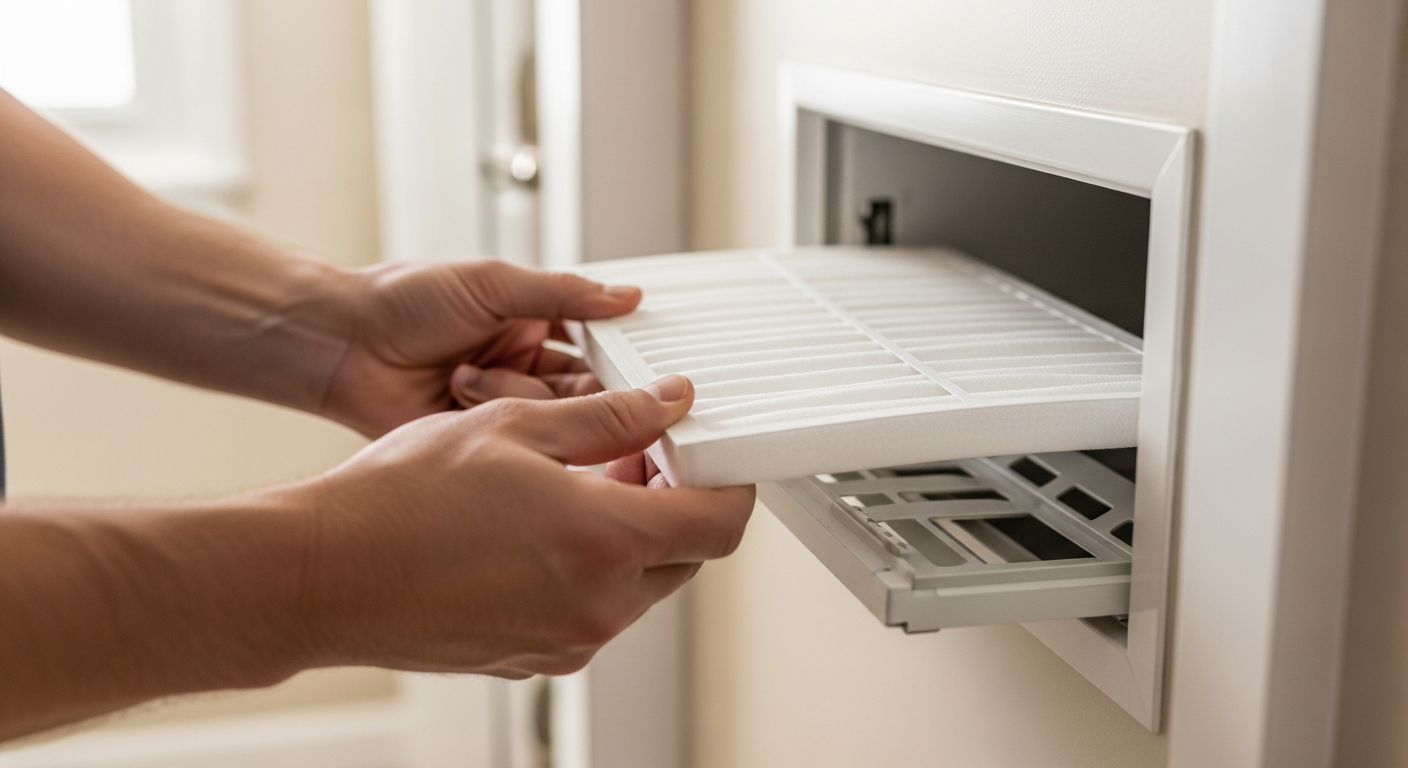
- Change your air filter every 60–90 days with a MERV 8–13 rating (get filter size guide).
- Observe the blower compartment when the system is off—look for heavy dust matting.
- Keep supply and return vents unblocked by furniture.
🚫 Pro-Only Work (Do Not Attempt Yourself)
DIY duct cleaning with household tools pushes dust deeper and can damage the system. Leave these to NADCA-certified technicians:
- Using negative-pressure vacuum equipment with HEPA filters.
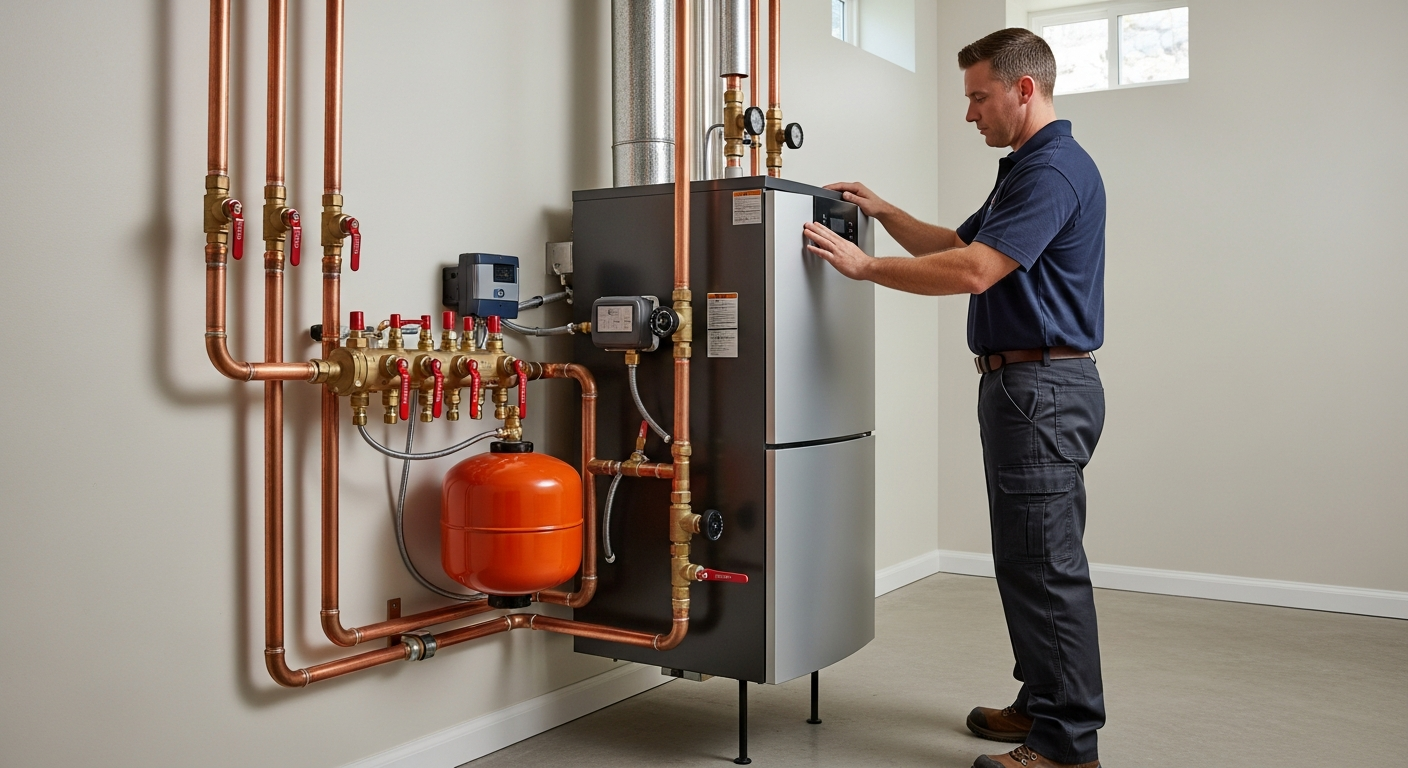
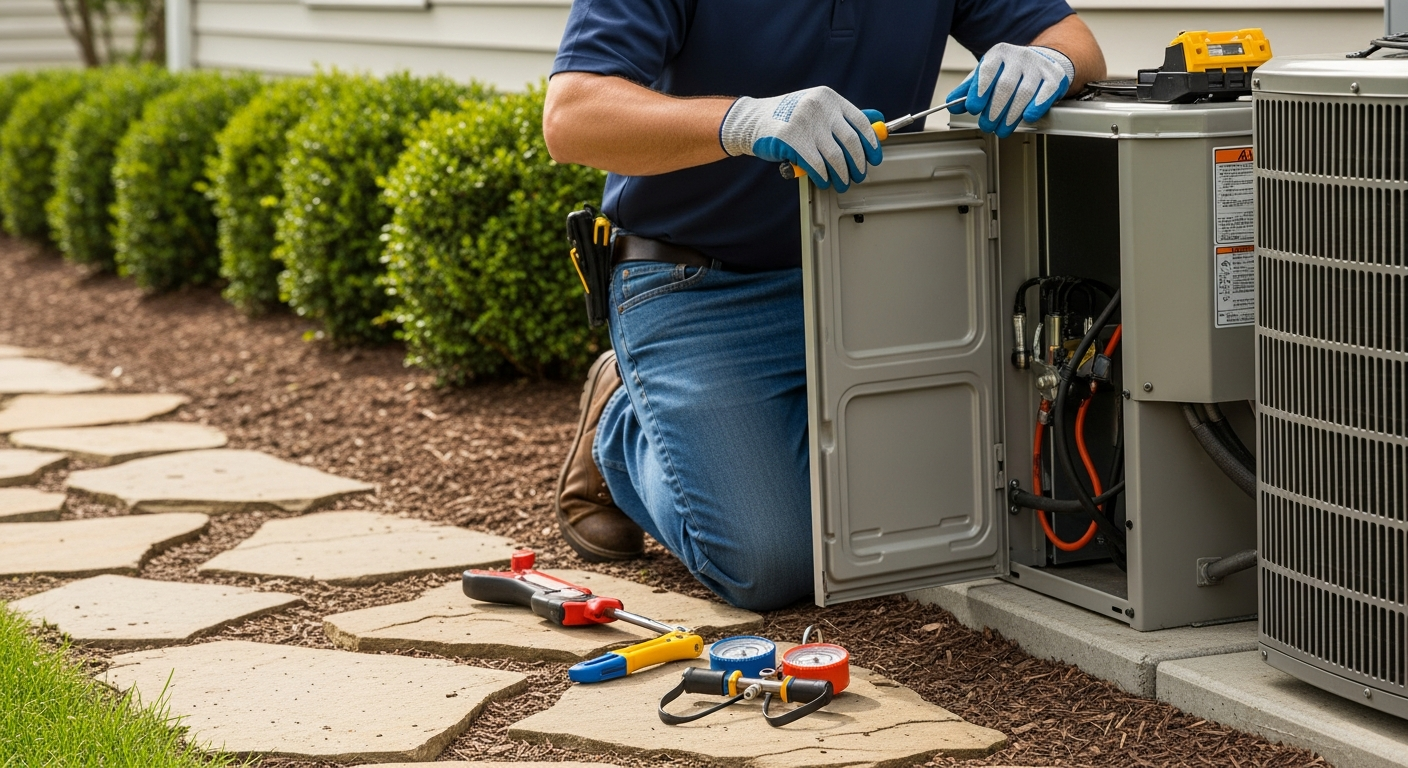
- Accessing the evaporator coil, heat exchanger, or blower motor—these involve sharp fins, electrical hazards, and chemicals.
- Cutting access panels into ductwork or sealing breaches.
- Applying antimicrobials or sanitizers; only EPA-registered products should be used.
- Any task requiring removal of gas lines, electrical panels, or refrigerant components—severe injury or system failure can result.
Local Market Factors That Change the Price
Duct cleaning costs aren’t uniform nationwide. Labor rates, travel, and climate-driven demand create regional swings.
- Hot/humid climates (Phoenix, Miami, Houston): High demand for mold remediation boosts prices 10–20%. Expect $350–$800. See Phoenix air duct pros.
- Cold climates (Chicago, Minneapolis, Boston): Winter urgency for heating repairs sometimes inflates off-season cleanings. Average $300–$650. Find Chicago heating & duct experts.
- Coastal regions (LA, New York metro): Higher labor and insurance rates push costs to $500–$1,000+.
- Older homes (pre-1970): May have asbestos-wrapped ducts or fragile duct connections. Special handling adds $200–$500 and often requires replacement. Always disclose the construction year when getting quotes.
Use Our Free Tools to Validate Quotes
Before you hire, run any bid through these calculators:
- Cost Estimator: Enter your home’s square footage, number of vents, and zip code for a personalized range.
- Quote Checker: Upload your quote and see if it aligns with market data.
- Repair-or-Replace Calculator: Decide if duct sealing or replacement is smarter than a deep clean.
- System Age Decoder: Pinpoint your HVAC’s installation date with its serial number.
- Find Contractors: Search for NADCA-certified pros and compare side-by-side.
Contractor Hiring Checklist: 10 Questions Before You Approve
- Are you NADCA-certified? Ask for a membership number and verify online.
- What equipment will you use? Look for truck-mounted power vacuums or high-HEPA portable units—not just a shop vac.
- Do you clean the blower, coils, and plenums? A comprehensive service covers these; bare-minimum companies skip them.
- Will you provide before-and-after photos? Reputable firms document the results.
- How do you handle access? They should use existing duct openings; cutting requires your consent.
- What products do you use for sanitizing? Only EPA-registered solutions; ask for a label.
- Can you check for duct leaks? Some offer a basic pressure test; if not, consider a separate energy audit.
- Is there a written guarantee? A satisfaction pledge is standard.
- What’s your total, out-the-door price? Get it in writing with no hidden fees.
- Do you have local references? Call a few recent clients.
Methodology: How We Build These Cost Estimates
All cost ranges reflect real quotes from HVACDatabase’s network of 5,000+ U.S. contractors, cross-checked against NADCA industry standards. We update prices quarterly using:
- Aggregated project data (2023–2025) filtered by region, home size, and service scope.
- Labor rates from the Bureau of Labor Statistics and regional adjustment factors.
- Exclusion of extreme low-ball ads—those never represent completed jobs.
- Inclusion of typical add-ons requested by homeowners in real projects.
Our editorial team labels all cost figures as estimates; your exact price may vary. Use our tools above to get a customized ballpark.
Frequently Asked Questions
How often should I clean my ducts?
Every 3–5 years for most homes. If you have pets, allergies, or recent renovation, consider every 2–3 years. After a flood or fire, clean immediately.
Does duct cleaning really improve air quality?
It removes settled dust and allergens that can recirculate, but it won’t solve outdoor pollution or chemical off-gassing. For true purification, pair cleaning with whole-home air purifiers or HRV/ERV ventilation.
Can I clean my own ducts?
You can vacuum what’s reachable at the registers, but deep cleaning requires professional equipment to avoid blowing dust through the house. DIY often makes problems worse—stick to safe checks above.
Why are some companies offering $50–$100 specials?
These are loss-leader scams. They typically find “emergency” repairs like a cracked heat exchanger or charge extra once they start. Reputable cleaning costs at least $250 for the smallest home.
What’s the difference between air duct cleaning and HVAC maintenance?
Duct cleaning focuses on the ventilation pathways; a maintenance tune-up inspects the furnace, AC, electrical, and refrigerant. Both are needed, but cleaning is separate and billed separately. Many pros bundle them for $500–$900.
Will cleaning fix duct odors?
Only if the odor source is removed. Dust, pet hair, or dead pests can be vacuumed, but mold or chemical smells may require replacement or treatment. Get an odor investigation before cleaning.