How to Clean Your HVAC Ductwork
A practical guide to cleaning HVAC ducts safely, with clear decision thresholds for DIY vs. professional cleaning, cost ranges, and contractor questions.
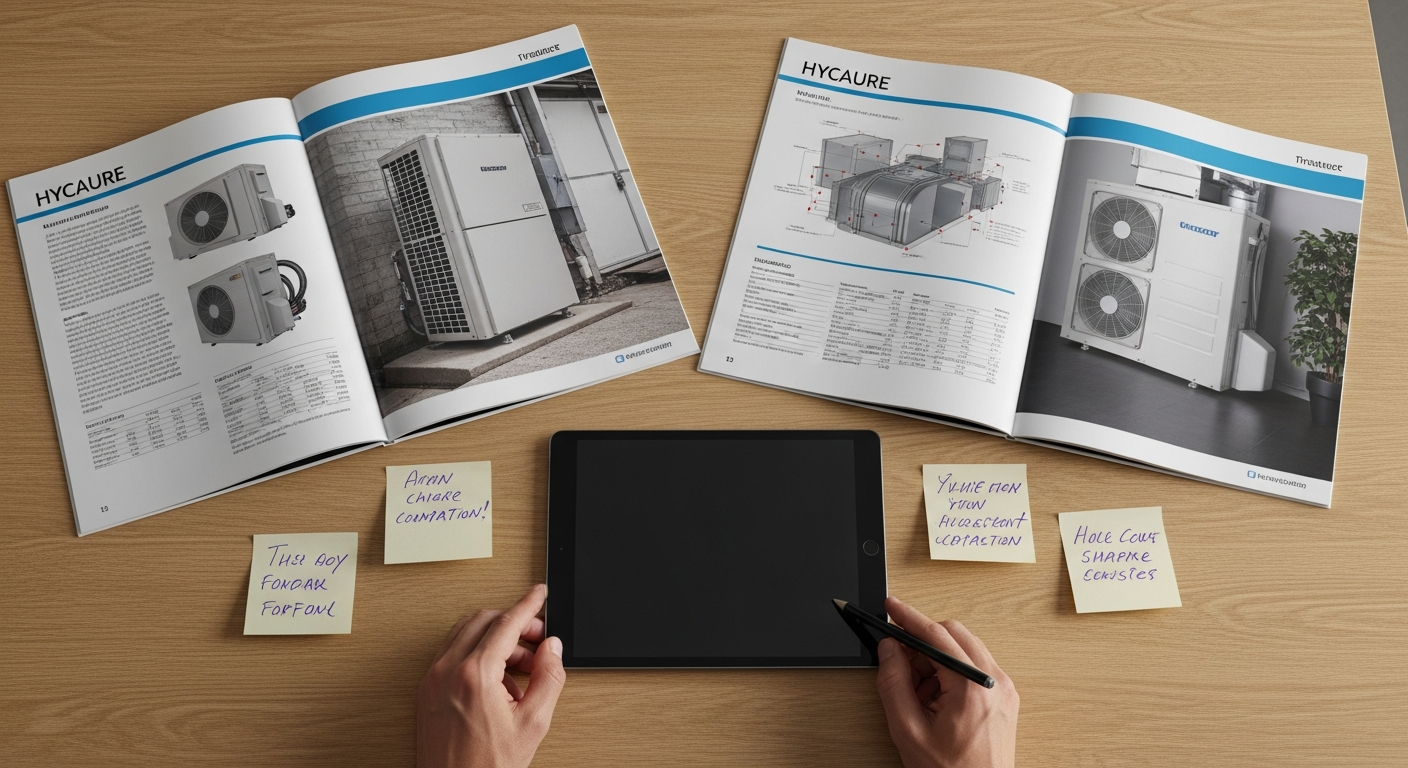
DIY surface cleaning is safe and effective for light dust; professional help is mandatory for mold, pests, or deep contamination.
Homeowners can maintain registers and vacuum accessible duct runs to reduce visible dust. However, deep cleaning, mold removal, and pest remediation require truck-mounted equipment and trained technicians to avoid health risks and system damage.
What Matters Most
- You can safely wash vent covers and vacuum the first few feet of duct interiors.
- Mold, moisture, pests, or unexplained allergies mean it's time to hire a pro.
- Professional duct cleaning costs $300–$700 on average but varies by home size and region.
- After cleaning, seal accessible leaks and upgrade air filters to slow future buildup.
- Always ask for NADCA certification and before/after photos from any contractor.
Strengths
- Low-cost DIY maintenance can extend filter life and reduce surface dust between professional cleanings.
- Professional cleaning with negative air machines captures 99% of debris without recontaminating the home.
- Combining duct cleaning with HVAC maintenance visits catches other issues early.
Weaknesses
- DIY vacuuming cannot reach the deepest trunk lines or clean the blower fan.
- Overly aggressive brushing can damage flexible duct liners or dislodge connection seals.
- Cheap duct cleaning services may use unscrupulous bait-and-switch tactics.
Decision summary
| Scenario | Usually do | Why |
|---|---|---|
| Light dust on registers, no health issues | DIY surface clean | Safe, quick, and inexpensive |
| Visible mold, moisture, or pests | Hire a pro | Requires containment, biocides, and equipment you don't have |
| Post-renovation debris | Hire a pro | Fine dust can damage motors and requires high-suction removal |
| Musty smell without visible mold | Hire a pro for inspection | Odor may originate in coil or insulation, not ducts alone |
Introduction
Your HVAC ducts move air to every room, but they also collect dust, pet dander, and debris that can lower air quality and strain your system. While some surface cleaning is safe for homeowners, deep ductwork requires professional tools and training. This guide helps you decide how far to go on your own, what signals professional help is needed, and how to keep ducts clean longer. For broader air quality issues, learn how to improve indoor air quality with filtration and ventilation upgrades.
Quick Answer
For most homes, a DIY surface cleaning of registers and the first few feet of visible duct runs is safe and beneficial. However, if you see mold, pests, or insulation particles, or if family members have unexplained allergies, stop and hire a professional with truck-mounted equipment. Use the decision rules below to avoid damaging your system or wasting effort.
Safety Boundaries
Safe homeowner tasks:
- Inspecting registers with a flashlight
- Removing and washing vent covers
- Vacuuming reachable duct interiors with a HEPA vacuum
- Brushing off loose dust from accessible surfaces
- Changing air filters (how to replace an AC air filter)
Professional-only tasks:
- Accessing trunk lines or the air handler interior
- Removing mold or microbial growth (requires biocides and containment)
- Cleaning ductwork after pest infestations
- Sealing leaks with mastic deep in duct runs
- Any work involving electrical components, refrigerant lines, or gas connections.
Never use liquid cleaners inside ducts, and always turn off the system at the thermostat before starting.
DIY Duct Cleaning: What a Homeowner Can Safely Do
You'll need a HEPA-filtered shop vacuum with a long hose, a stiff-bristled brush (new toilet brush works), microfiber cloths, a screwdriver to remove grates, and a flashlight. Follow these steps:
- Turn off the HVAC system. Remove supply and return vent covers and wash them with mild soap and water; dry completely.
- Shine the flashlight into the duct opening. Look for excessive buildup, moisture, or pest droppings. If present, stop—call a pro.
- Insert the vacuum hose as far as it naturally goes. Use the brush to loosen debris on visible surfaces, then vacuum again.
- Wipe the inside of the register boot with a dry microfiber cloth.
- Reinstall dry vent covers and turn the system back on. Replace the air filter if dirty.
This method improves airflow slightly and reduces surface dust. For deep cleaning, you'll need professional rotary brushes and negative-pressure machines.
When to Call a Professional: Decision Rules
Use these thresholds to decide:
- Visible mold or moisture: Any sign of standing water, damp insulation, or fuzzy growth—stop and call. Mold removal is not a DIY task.
- Pests: Droppings, nesting material, or dead insects require professional disinfection and possible pest control coordination.
- Renovation debris: Sawdust, drywall dust, or construction debris can clog coils and blowers; pros have the suction to remove it.
- Health symptoms: If household members have worsening asthma or allergies, professional cleaning plus air quality testing (how to test indoor air quality at home) is warranted.
- System age >10 years: Older ducts may have asbestos tape or fragile flex duct — pros know how to handle these safely.
Cost and Comparison Table
| Service | Typical Cost Range | What's Included | When to Choose |
|---|---|---|---|
| DIY Surface Clean | $0–$50 (supplies) | Register cleaning, vacuuming reachable ducts | Light dust, no health concerns |
| Professional Duct Cleaning | $300–$700 | Truck-mounted vacuum, rotary brushes, all accessible ducts | Mold, pests, renovation debris, or allergies |
| Professional Cleaning + Sanitizing | $500–$1,200 | Above plus antimicrobial fogging or UV light installation | Confirmed mold or odor issues |
Editorial estimate ranges based on national averages. Actual prices vary by home size, access, and region.
Tools & Calculators to Help You Decide
Use our Repair or Replace Calculator if your ductwork is part of an older system that may need upgrading. The HVAC Cost Estimator provides localized pricing for duct cleaning and related services. For air quality improvements beyond cleaning, check whole-home air purifier options or compare ERV vs. HRV ventilation for tight homes.
Contractor Checklist
Before hiring a duct cleaner, ask these questions:
- Are you NADCA-certified? The National Air Duct Cleaners Association sets industry standards.
- Will you provide a written inspection report with before/after photos?
- What equipment do you use? Look for truck-mounted negative air machines, not just shop vacs.
- Do you use chemical sanitizers? If yes, ask for EPA-registered products and safety data sheets.
- Can you seal visible leaks? Many cleaners can apply mastic or foil tape to accessible runs.
- Check their license and insurance through our contractor search or comparison tool.
Local Context
- Hot/humid climates (Southeast, Gulf Coast): Ducts in attics can sweat; professional cleaning often includes antimicrobial treatment to prevent mold. Consider a whole-home dehumidifier.
- Cold climates (Midwest, Northeast): Ducts in unconditioned basements may introduce radon or soil gases — test and consider radon mitigation.
- Coastal areas: Salt air accelerates metal duct corrosion; inspect annually. Emergency service may be needed after storms.
- Older homes: Pre-1970s ductwork may contain asbestos—never disturb it without professional assessment.
Methodology
Our recommendations are based on NADCA standards, EPA indoor air quality guidelines, and cost data from aggregated contractor reports across the U.S. Ranges are editorial estimates, not guaranteed quotes, and assume typical 2,000 sq ft homes. Always get multiple written quotes.
FAQs
How often should I clean my ducts?
NADCA recommends cleaning every 3–5 years, or more often if you have pets, smokers, or allergy sufferers. At minimum, inspect annually when changing filters.
Can duct cleaning reduce energy bills?
Maybe. Heavy buildup restricts airflow, making your system work harder. Cleaning alone won't dramatically cut bills, but combined with filter changes and leak sealing, it can improve efficiency by 5–10%.
Is duct cleaning safe for flex ducts?
Yes, if done by a pro using low-pressure, brushless methods. DIY vacuuming with sharp tools can tear flex duct plastic liners, causing leaks.
How do I know a contractor is legit?
Ask for NADCA certification, check state licensing, read reviews on our contractor search page, and avoid any who offer a "whole-house special" at a suspiciously low price—bait-and-switch is common.
Will cleaning fix a musty smell?
It might if the odor is from dust or mild mildew on coil fins. Persistent musty smells often mean mold inside the air handler or duct insulation, which requires professional remediation.
Related articles
Connect this page to adjacent guides so readers keep moving deeper into the topic cluster.
How to Implement a Whole Home Energy Management System
Integrate smart tech and HVAC controls to cut energy waste. This guide shows how to audit, upgrade, and automate your home's energy use, with real savings estimates.

How to Set Up Thermostat Geofencing
Set up thermostat geofencing to automatically adjust home temperature as you come and go. Save energy, extend equipment life, and never return to an uncomfortable house. Get our quick-start guide now.
How to Troubleshoot Smart Thermostat WiFi Issues
Your smart thermostat offline? Most WiFi drops can be fixed with power checks, router adjustments, and simple restarts. Follow our step-by-step guide to regain remote control and energy savings.