Ductless Heat Pump vs Baseboard Heaters
Choosing between ductless heat pumps and electric baseboard heaters involves balancing upfront costs with long-term energy savings and home comfort. This guide helps you pick the right system for your space.
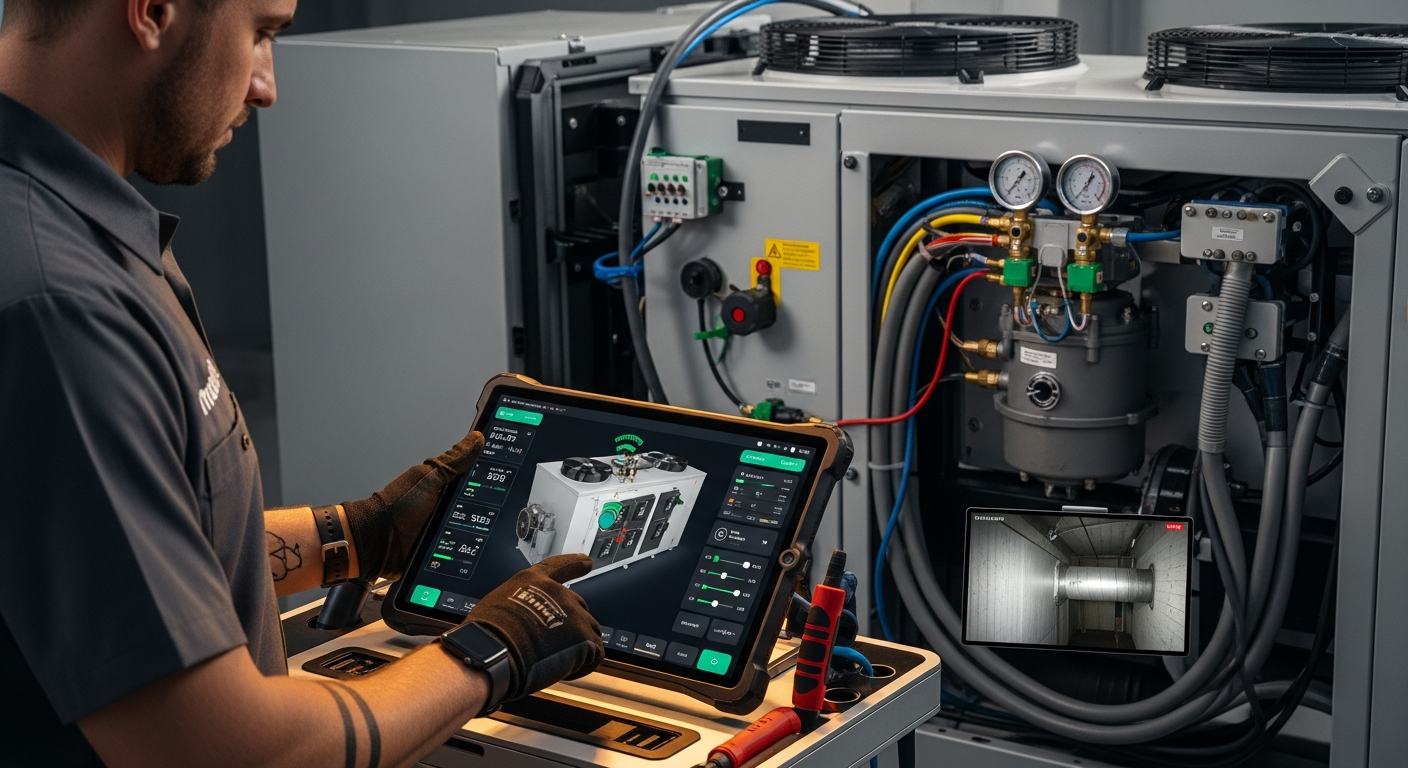
Ductless heat pump is the smarter long-term choice for most homes
Unless you're heating a tiny, rarely-used space or plan to move within 3 years, a ductless heat pump will pay for itself in energy savings and provide high-value cooling. Baseboard heaters are best reserved for temporary or supplemental heat.
What Matters Most
- Ductless heat pumps cut heating costs 40–60% vs electric baseboards.
- Upfront cost is higher, but payback typically occurs in 5–10 years.
- Baseboard heaters only make sense for very small spaces or short-term needs.
- Always get a Manual J load calculation and at least three quotes.
- Use rebates and a heat pump savings calculator to see your personalized numbers.
Strengths
- 4x more efficient than electric resistance
- Provides both heating and air conditioning
- Even room temperature distribution
- Built-in air filtration improves IAQ
- Lower long-term operating costs
Weaknesses
- High upfront installation cost ($3,000–$8,000+ per zone)
- Requires professional refrigerant handling and electrical work
- Outdoor unit takes up space and makes some noise
- Very old homes may need panel upgrades before installation
Decision summary
| Scenario | Usually do | Why |
|---|---|---|
| Primary whole-home heat | Ductless heat pump | 40–60% energy savings pay back cost in 5–10 years |
| Single small room < 200 sq ft | Baseboard heater | Low purchase cost, no outdoor unit needed |
| Need cooling too | Ductless heat pump | Baseboards offer zero cooling; ductless adds A/C |
| Tight budget but staying long-term | Ductless (finance) | Monthly savings can exceed financing cost |
| Infrequent-use vacation cabin | Baseboard heaters | Simpler, no risk of frozen lines when off |
Ductless Heat Pump vs Baseboard Heaters: Making the Right Choice
Switching from electric baseboard heat to a ductless heat pump can slash heating bills by 40–60%, but the upfront cost can be daunting. Baseboard heaters are cheap to install but expensive to run. This guide cuts through the noise, giving you clear, actionable thresholds to decide which system fits your home, budget, and climate.
Quick Answer: Which Should I Choose?
For most homes, a ductless heat pump is the smarter long-term investment if you plan to stay more than 5 years, need air conditioning, or live where winters drop below 40°F for more than a few weeks a year. Baseboard heaters only make sense for rarely used rooms, very small spaces (under 200 sq ft), or if you can’t afford the upfront cost and have cheap electricity.
| Scenario | Usually Do | Why |
|---|---|---|
| Whole-home primary heat | Ductless heat pump | 40–60% energy savings pay back cost in 5–10 years |
| Single small room (e.g., sunroom) | Baseboard heater | Low purchase cost, no outdoor unit needed |
| You need cooling too | Ductless heat pump | Baseboards offer zero cooling; ductless adds A/C |
| Very tight budget now, but long-term homeowner | Ductless heat pump (financed) | Monthly savings can exceed financing cost |
| Cottage or vacation home (infrequent use) | Baseboard heaters | Simpler, no risk of freezing refrigerant lines when off |
How They Work
Electric baseboard heaters use resistance wires to convert electricity directly into heat. They are 100% efficient—every watt you pay for becomes one watt of heat—but that’s the bare minimum for electric heating. There’s no way to get more heat out than the electricity you put in.
Ductless heat pumps (mini‑splits) move heat, not create it. They extract low‑temperature heat from outdoor air—even when it’s freezing—and pump it indoors via refrigerant. This lets them deliver 2–4 times more heat energy than the electricity they consume (300–400% efficiency).
Cost Comparison: Upfront & Over Time
| Factor | Electric Baseboard | Ductless Heat Pump |
|---|---|---|
| Equipment cost (per room) | $100–$500 | $3,000–$8,000+ (installed, single zone) |
| Professional installation | Not always required; electrician may be needed | Required – includes outdoor unit, lines, electrical |
| Annual heating cost (1,500 sq ft, average US) | $1,800–$3,600 | $600–$1,800 |
| Payback vs baseboard | N/A | Typically 4–10 years depending on local rates and climate |
| Lifespan | 10–25 years | 15–20+ years |
Editorial estimates based on nationwide data; actual costs vary by region, home layout, and utility rates. Use our Heat Pump Savings Calculator for a personalized projection.
Comfort and Climate Control
Baseboard heaters often create hot and cold spots because heat rises and collects near the ceiling. They also run too hot to touch (150°F+), a burn hazard for kids and pets. Ductless units use fan-driven air distribution for even temperatures and include air filters that reduce dust and allergens. The biggest comfort gap: baseboards cannot cool. With a ductless heat pump, you get both heating and air conditioning from one system.
Safety Boundaries: What Homeowners Can & Cannot Do
Safe Homeowner Checks
- Verify the thermostat works and the system cycles on/off correctly.
- Vacuum baseboard fins (with power off at the breaker) to remove dust.
- Listen for unusual clicking, rattling, or buzzing.
- Check for a burning smell on first seasonal startup—dust burn-off is normal; persistent burning odor may indicate wiring trouble.
- Keep furniture and drapes at least 12 inches from baseboard units and never block the airflow of an indoor mini‑split head.
Professional-Only Work
Do not attempt to open electrical panels, replace heating elements, install or relocate baseboard circuits, or handle refrigerant lines. These tasks require a licensed electrician or HVAC technician to prevent fire, shock, or system damage.
Decision Tree: Is a Ductless Heat Pump Worth It for You?
- Do you need cooling in the summer? If yes → ductless heat pump. If no, go to 2.
- Is the room less than 200 sq ft and used only a few hours a day? If yes → baseboard may suffice. If no, go to 3.
- Is your average winter temperature below 35°F for more than 2 months? If yes → look for a hyper‑heat ductless model rated to -15°F or below. If you can’t install such a unit, baseboard may be the fallback, but modern cold‑climate ductless units work well below zero.
- Is the home an older structure with limited electric panel capacity? Baseboard heat draws heavy amperage; a ductless heat pump uses much less power. You may still need a panel upgrade either way—get a load calculation from an electrician.
- Are you staying in the home less than 3 years? Baseboard’s low upfront cost may win, but note that buyers often prefer efficient heating and A/C.
Tools to Narrow Your Decision
- Heat Pump Savings Calculator – see your 10‑year savings vs baseboard.
- BTU Calculator – size a ductless unit for your room correctly.
- HVAC Cost Estimator – get local installation price ranges.
- Rebate Finder – many utilities offer $300–$1,500+ for Energy Star ductless heat pumps.
Contractor Checklist: What to Ask Before Hiring
- Are you licensed, insured, and familiar with ductless installations? Ask for proof of HVAC or electrical license.
- Will you perform a Manual J load calculation? Avoid contractors who size by “rule of thumb.”
- What brands do you install, and what do your labor warranties cover? Standard is 1+ year on labor.
- Do you pull required permits and schedule a final inspection? This ensures code compliance.
- Can you provide at least three local references with similar projects? Check reviews and follow up.
- What is the total, all‑in price including electrical work, pad, and line‑set covers? Get a broken‑down quote.
- How do you handle the refrigerant line connection and evacuation? Licensed techs must follow EPA protocol; ask to see their certification.
- Request a side‑by‑side quote comparison for your area.
Local Considerations by Climate
- Cold climates (e.g., Chicago, Minneapolis): Choose a cold‑climate ductless model (often called “hyper‑heat”) rated to -15°F or lower. A backup resistance strip can cover extreme cold snaps.
- Hot, humid climates (e.g., Houston, Miami): Ductless systems excel at dehumidification; baseboards provide no cooling or humidity control.
- Coastal areas: Salt air corrodes outdoor units. Ask about corrosion protection or warranties for coastal installations.
- Older homes (pre‑1980): You may need an electric panel upgrade regardless of system. Ductless heat pumps use 15–30 amps vs 15–20+ amps per baseboard circuit, easing the panel load.
Methodology
Cost estimates come from national HVAC pricing databases, utility rate surveys, and feedback from licensed contractors. They are editorial ranges, not guaranteed quotes. Efficiency comparisons are based on published COP (Coefficient of Performance) data for ductless heat pumps vs the fixed 1.0 COP of electric resistance heat. All recommendations prioritize safety and align with ENERGY STAR guidance.
Frequently Asked Questions
Can I use a ductless heat pump as my only heat source in a very cold climate?
Yes, with a cold‑climate model rated to -15°F or lower. Look for “hyper‑heat” or similar terminology. Some units deliver 100% capacity down to 5°F and still work at -20°F. A small backup resistance coil can supplement if needed.
Will running multiple baseboard heaters overload my electric panel?
Baseboards draw significant amperage—often 10–20 amps per unit on dedicated circuits. In older homes, adding several can require a panel upgrade (cost $1,500–$4,000+). A ductless heat pump uses less total amperage to heat the same space, reducing the electrical load.
How long does it take to install a ductless mini‑split vs baseboards?
Baseboard installation is typically a few hours per room if wiring is already in place. A single‑zone ductless heat pump installation takes 1–2 days, depending on the complexity of running lines and electrical. Whole‑home multi‑zone systems can take 2–5 days.
Are there incentives or rebates for switching from baseboard to ductless?
Yes. Many utilities and state programs offer rebates of $300–$1,500+ for ENERGY STAR ductless heat pumps. Use our Rebate Finder and check your local utility website. Federal tax credits may also apply.
Can I install a ductless heat pump myself to save money?
We strongly advise against it. Proper refrigerant handling requires EPA Section 608 certification, and electrical work requires a licensed electrician. Mistakes can destroy the compressor, void the warranty, or create safety hazards. Hire a pro and use our contractor search to find qualified installers.
Related articles
Connect this page to adjacent guides so readers keep moving deeper into the topic cluster.
Electrostatic vs Pleated HVAC Filters
Electrostatic filters are washable and budget-friendly over time, but pleated filters catch more allergens. See which fits your home's air quality and HVAC demands.

Supply vs Exhaust Ventilation Systems
Discover whether a supply or exhaust ventilation system suits your home’s climate, budget, and air quality goals. Our guide includes cost ranges, safety tips, and pro checklists.
Smart Thermostat vs Smart Vent System
Homeowners often ask: smart thermostat or smart vents? Our practical guide explains the core trade-offs, safety limits, and a clear decision path to avoid wasting money or harming your system.