Generator vs Battery Backup for HVAC
Deciding between a generator or a battery backup for your HVAC system is crucial for comfort and safety during power outages. Explore the pros and cons of each here.
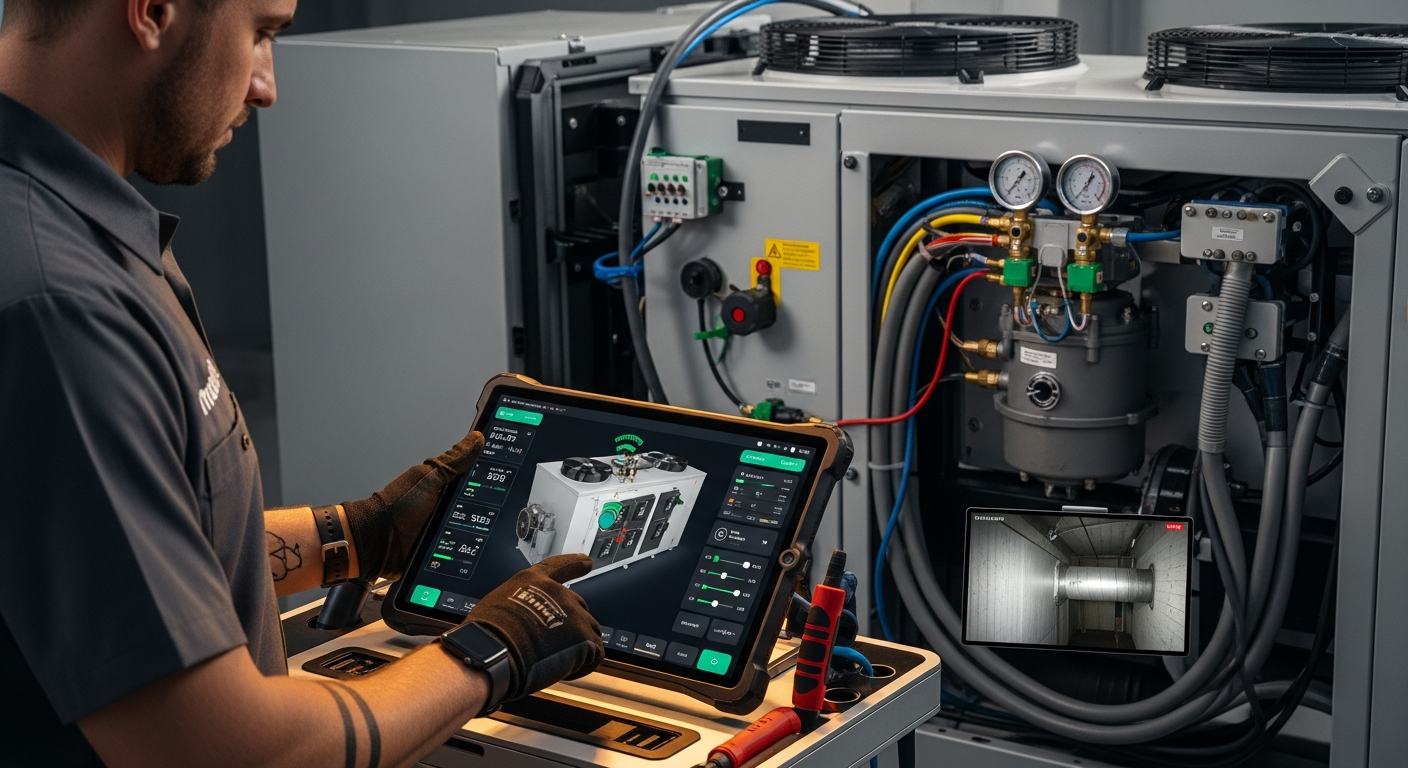
Choosing the Right Power Backup for Your HVAC System
When the power goes out, your home quickly loses its ability to regulate temperature. For many homeowners, deciding between a standby generator and a battery backup system is the key to maintaining comfort during a blackout.
Both systems offer a safety net, but they operate on fundamentally different technologies. Understanding these differences helps you protect your family and your HVAC investment during unexpected outages.
The Whole-Home Standby Generator
Generators have been the standard for emergency power for decades. These units typically run on natural gas or propane and kick on automatically when they sense a loss of utility power.
Pros of HVAC Generators
- High Power Output: Generators can easily handle the high starting wattage required by large air conditioners and heat pumps.
- Long Duration: As long as you have a fuel supply, a generator can run for days or even weeks.
- Lower Upfront Cost: Generally, a whole-home generator costs less to install than a large-scale battery bank with similar capacity.
Cons of HVAC Generators
- Mechanical Maintenance: Since they have internal combustion engines, they require oil changes and regular testing.
- Noise: Even the quietest models produce significant noise while running.
- Fuel Dependency: You are reliant on gas lines or on-site tanks, which can be a liability in certain disasters.
If you find yourself in a situation where your power fails and your backup doesn't kick in, you may need to know when to call emergency HVAC vs wait for regular service to prevent system damage.
The Modern Battery Backup Solution
Battery systems, like the Tesla Powerwall or similar lithium-ion setups, store energy from the grid or solar panels. They provide a silent, instantaneous transition to backup power.
Pros of HVAC Battery Backups
- Silent Operation: There are no moving parts, making them ideal for dense neighborhoods.
- Zero Emissions: They produce no exhaust and can be paired with solar for a truly green solution.
- Low Maintenance: Unlike generators, batteries require almost no upkeep once installed.
Cons of HVAC Battery Backups
- Limited Capacity: Running a central AC unit on batteries drains them very quickly unless you have a massive, expensive array.
- High Initial Cost: The price per kilowatt-hour of storage remains higher than traditional mechanical generators.
- Sensitivity to Temperature: Extreme heat or cold can affect battery efficiency and lifespan.
When planning your electrical needs, it is vital to understand your system's wiring, such as the difference between single-phase vs three-phase HVAC electrical setups, as this dictates your backup requirements.
Comparing Performance for Heating and Cooling
The biggest challenge for any backup system is the "inrush current." This is the surge of electricity needed to start an HVAC compressor. Generators handle this surge with mechanical torque, while batteries require specialized inverters to manage the load.
If your goal is to keep the AC running during a summer heatwave, you must ensure your battery system is sized correctly. If not, you might need to learn how to stay cool when your AC breaks down while waiting for the grid to return.
Maintenance and Reliability
Reliability is subjective. A generator is reliable if it is maintained, but a neglected engine may fail to start. A battery is highly reliable for short durations but is limited by its total stored energy.
Homeowners often overlook the impact of power surges on sensitive components. Whether you use a generator or battery, protecting your system is essential. For those with older heating tech, comparing a gravity furnace vs forced-air furnace can help you understand the power draw required to stay warm.
Key Considerations for Homeowners
- Determine Your Critical Loads: Do you need to cool the whole house or just one bedroom?
- Check Your Fuel Source: Do you have access to natural gas, or will you need a propane tank?
- Evaluate Your Climate: Frequent short outages favor batteries; long-term outages favor generators.
- Consult a Pro: Finding a qualified technician on HVACDatabase.com ensures your backup system is safely integrated with your existing HVAC units.
Safety and Emergency Preparedness
Regardless of the backup power source you choose, safety remains the priority. This is especially true for households with vulnerable residents. You should review tips for protecting seniors during HVAC emergencies to ensure everyone stays safe during a power failure.
Furthermore, power fluctuations can sometimes cause mechanical issues. If you notice strange smells or hissing during a power transition, you might need to handle an HVAC refrigerant leak emergency promptly to avoid health hazards.
Final Verdict: Which Should You Choose?
For most homeowners with large central air systems, a standby generator remains the most practical choice for long-term outages due to its ability to provide continuous power. However, for those with solar installations or those living in areas with frequent but brief power interruptions, a battery backup offers a cleaner, quieter, and more seamless experience.
Before making a purchase, ensure your current HVAC brand is compatible with your backup choice. Whether you are comparing Ruud vs Rheem HVAC systems or another brand, the electrical requirements will vary. You can find trusted HVAC contractors on HVACDatabase.com to help you calculate the exact wattage your home needs to stay comfortable in any weather.
Related articles
Connect this page to adjacent guides so readers keep moving deeper into the topic cluster.
How to Set Up HVAC Maintenance Logs for Commercial Buildings
Organized maintenance logs are the backbone of commercial building management. Learn how to track repairs and optimize your HVAC system's performance.
How to Spot Electrical Issues in Your HVAC Before They Become Emergencies
Don't let a small wire issue lead to a total system failure. Learn the early warning signs of HVAC electrical problems and protect your home today.
How to Plan HVAC for a Co-Working Space
Designing HVAC for co-working spaces requires balancing high density, varied schedules, and energy efficiency to ensure every member stays comfortable and productive.