How Much Does Chimney Repair Cost
Chimney repairs range from $150 for a cap to $5,000+ for a liner. Use our cost guide, safety checklist, and decision rules to budget wisely and protect your HVAC system.
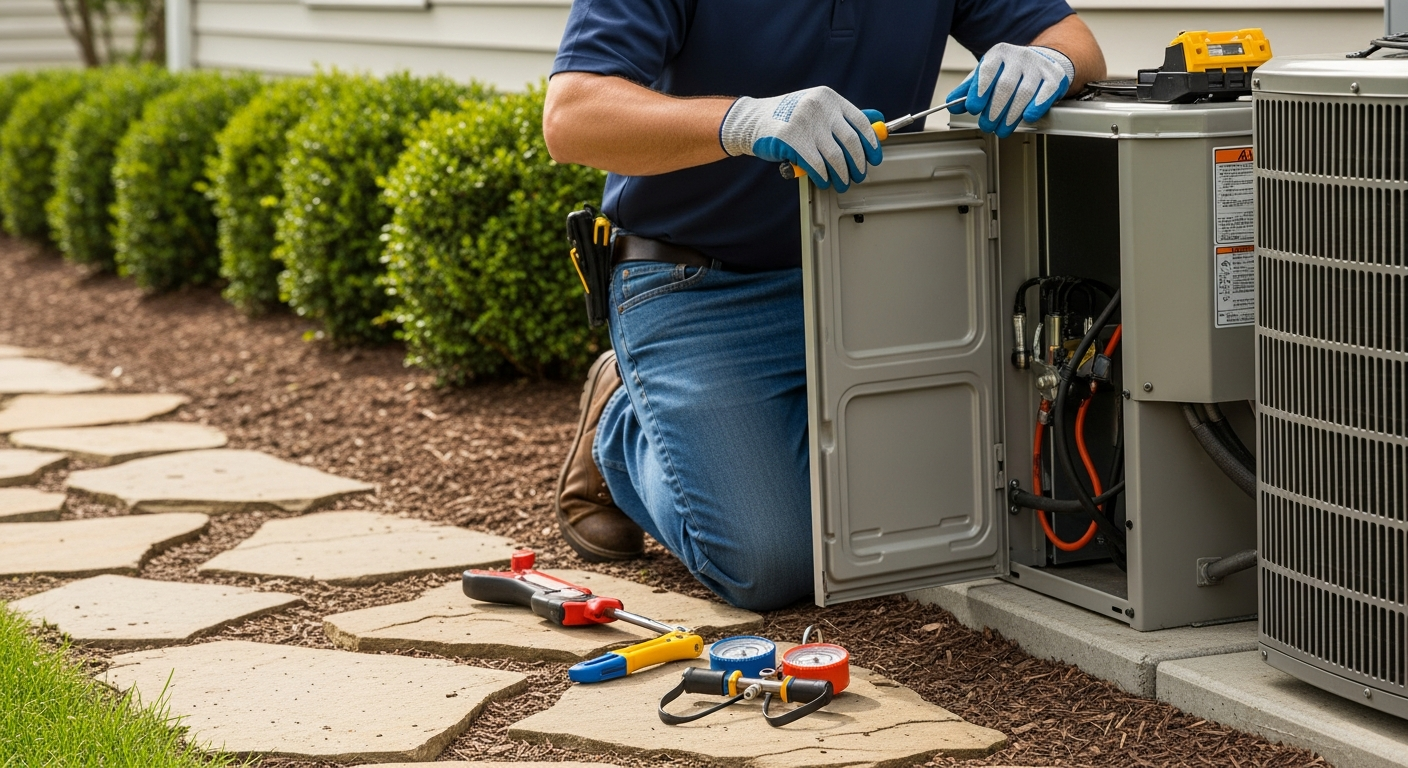
Chimney repair is a maintenance necessity, not a luxury—ignore it at the risk of your home and health.
Fix small problems early to avoid expensive structural failures. Use this guide to understand fair pricing and hire a qualified pro.
What Matters Most
- Annual inspections are the cheapest insurance against major repairs.
- Always compare at least three quotes using our tools.
- Never postpone liner replacement—it’s a critical safety item.
- Check contractor certifications and ask for a Level 2 inspection if in doubt.
Strengths
- Prevents carbon monoxide leaks
- Extends HVAC equipment life
- Avoids costly water damage to structure
- Increases home resale value with documented maintenance
Weaknesses
- High upfront cost for liner rebuilds
- Inconvenience during multi-day masonry work
- Quality varies wildly among contractors; vetting required
- Some repairs may reveal additional hidden issues, extending scope
Decision Summary
| Scenario | Usually Do | Why |
|---|---|---|
| Small leak at flashing, no interior damage | Repair flashing and seal | Cost <$600, avoids roof rot |
| Multiple spalled bricks and mortar joints, chimney <25 years old | Tuckpoint and seal | $1,200–$2,500 restores integrity at half rebuild cost |
| Liner shaling, but rest of chimney solid | Replace liner and cap | $2,000–$4,500, essential for safety; no need to demolish |
| Chimney leaning or major cracks after storm | Rebuild or replace with direct-vent system | $5,000+, structural danger; sometimes abandoning the chimney and switching to high-efficiency direct-vent is smarter |
What Chimney Repairs Actually Cost (And Why It Matters for Your HVAC System)
Your chimney does more than vent smoke—it’s the critical exhaust pathway for your furnace or boiler. When cracks, leaks, or blockages appear, they can silently spill carbon monoxide into your home or choke your heating system’s efficiency. Chimney repairs range from $150 for a simple cap replacement to over $5,000 for a full liner rebuild. Most homeowners pay between $450 and $2,000 for common fixes. This guide breaks down real-world costs, helps you spot hidden dangers, and shows when patching is smarter than replacing, so you can protect your home and HVAC investment without overspending.
Quick Answer: Chimney Repair Costs at a Glance
- Minor fixes (cap, small mortar patch, flashing reseal): $150–$600
- Moderate repairs (extensive tuckpointing, crown rebuild): $500–$2,500
- Major overhauls (liner replacement, partial rebuild): $1,500–$5,000+
- Annual inspection: $150–$300 (essential catch-all, often saves thousands)
Cost Breakdown by Repair Type
Prices vary by chimney height, accessibility, and regional labor rates. Below are editorial estimate ranges based on 2023-2024 trade data; always get at least three quotes.
| Repair Type | Typical Cost Range (Parts & Labor) | When It’s Needed |
|---|---|---|
| Cap/damper replacement | $150–$400 | Missing or rusted cap, water entry, animal intrusion |
| Flashing repair | $300–$600 | Leaks at roof line, rusted metal, detached seal |
| Tuckpointing (per sq ft) | $5–$25 | Crumbling mortar, gaps between bricks |
| Crown/sealant rebuild | $600–$1,500 | Cracked crown, water damage to chimney top |
| Flue liner replacement | $1,500–$5,000 | Spalling, shaling, rust, or heat damage; unsafe to operate |
| Partial or full rebuilding | $2,000–$7,000+ | Leaning stack, severe spalling, structural instability |
Safety Boundaries: What You Can Check vs. What Pros Must Handle
Chimney repair is not a DIY project when it involves structural integrity or venting safety. However, you can perform these safe visual checks to catch problems early:
Homeowner-safe checks
- Look for white staining (efflorescence) on exterior brick—signals internal moisture.
- Check for loose or missing mortar from the ground (use binoculars).
- Open the cleanout door and shine a flashlight—look for flaking tile pieces (shaling).
- Ensure the cap is present and unclogged.
Pro-only work (do not attempt)
- Flue liner inspection or replacement—requires specialized tools and knowledge to avoid carbon monoxide leaks.
- Any work on the chimney crown or flashing that requires roof access beyond a single-story walkable roof.
- Structural repairs, mortar mixing, or brick replacement on a working chimney—incorrect materials can trap moisture or crack under heat.
- Any repair that involves sealing the flue or damper system—must be installed to code to prevent backdrafting.
If your heating system shares the chimney, a blocked or damaged flue can cause furnace short cycling or carbon monoxide buildup. Always turn off the appliance and call a qualified chimney professional or emergency HVAC service if you smell exhaust or the CO detector activates.
Decision Rules: Repair vs. Rebuild vs. Replace
Use these observable thresholds to guide your next step:
- Crack width > 1/8 inch in the chimney body or crown → rebuild or extensive tuckpointing likely needed; a $5 tube of sealant won’t help.
- Shaling tile pieces > a handful in the cleanout → liner is deteriorating; schedule a Level 2 camera inspection immediately. Liner replacement is non-negotiable.
- Rust on damper/firebox + spalling exterior bricks → moisture has penetrated the flue; address source first (cap, flashing, crown) and then evaluate masonry.
- Leaning or visible separation from the house → structural emergency; building a new chase or complete rebuild is often cheaper than catastrophic collapse.
- Repair cost > 50% of rebuild cost → it’s usually smarter to rebuild, especially if the chimney is over 25 years old. Use our repair-or-replace calculator to weigh the numbers.
Use Our Tools to Estimate Your Project
Get a personalized ballpark before calling pros. HVACDatabase’s free calculators factor in your home’s age, location, and heating system type:
- Repair or Replace Calculator: Plug in repair quote vs. rebuild cost to see the long-term return.
- Home Systems Cost Estimator: Broad HVAC and structural cost ranges adjusted for your region.
- Quote Checker: Upload contractor estimates to spot fair pricing and hidden markups.
Contractor Checklist: 7 Questions to Ask Before You Approve Work
- "Are you licensed and insured for chimney and masonry work?" Get proof. Chimney falls under building trades, not just sweeping.
- "Will you perform a Level 1 or Level 2 inspection per NFPA 211?" Level 2 (with camera) is recommended if you’re changing fuels, after a fire, or suspect hidden damage.
- "Do you provide a written scope with materials and a breakdown of labor vs. parts?" Avoid lump-sum quotes that could hide shortcuts.
- "How will you protect my roof and landscaping during the work?" Masonry generates heavy debris; proper tarps and scaffolding are a must.
- "Does the repair come with a warranty, and what does it cover?" Mortar work should carry at least 1–2 years; liner warranties often 5–10 years from the manufacturer.
- "Will the repair affect my furnace or boiler venting?" An HVAC-savvy chimney pro will check draft and combustion air when the job is done. If not, schedule a separate HVAC inspection to ensure safe operation.
- "Can you provide local references from the past year?" Check reviews on multiple platforms, not just the company website.
Local Factors That Swing Costs
- Freeze-thaw regions (Midwest, Northeast): Spalling and mortar erosion accelerate; budget $200–$500 more annually for tuckpointing touch-ups.
- Coastal salt air (Southeast, Gulf): Metal flashing and caps corrode faster; insist on stainless steel, which adds $50–$150 but lasts twice as long.
- High humidity + summer storms (South, Mid-Atlantic): Efflorescence and crown cracks from thermal shock are common; sealants may need reapplication every 2–3 years.
- Older homes (pre-1950): Unlined or clay-tile liners may not meet modern codes; a new stainless liner can also improve furnace draft and efficiency—discuss with your local HVAC and chimney contractor about system compatibility.
- Strict seismic zones (West Coast): Reinforcement and strapping may be required by code, adding $500–$1,200 to any structural repair.
Methodology: How We Arrive at These Numbers
Our cost estimates combine publicly available trade data, insurance claim averages, and surveys of licensed chimney professionals across 40 metro areas. We apply multipliers for material escalation (brick, stainless steel), labor productivity, and regional permit fees. Results are editorial averages, not guaranteed quotes. All repair ranges assume a standard two-story single-family home with safe roof access. Actual costs will vary; always use our Quote Checker to compare your bids in real time.
Frequently Asked Questions
1. How often should I have my chimney inspected?
The National Fire Protection Association (NFPA) recommends annual inspection for chimneys serving any fuel-burning appliance. If you use a fireplace frequently, a mid-season check is wise. Budget $150–$300 per inspection.
2. Can I still use my furnace if the chimney needs minor tuckpointing?
If the flue liner is intact and the professional confirms no obstruction or leakage, small exterior mortar repairs usually don’t require appliance shutdown. However, if the chimney is shared by a furnace and you notice soot or smell, stop using it immediately and call an emergency technician.
3. Why did my chimney cap replacement quote include a "draft test"?
A draft test ensures the new cap isn’t restricting exhaust flow. Oversized or poorly designed caps can cause backdrafting, pushing carbon monoxide indoors. This test is worth the extra $50–$100.
4. Is it possible to repair just a section of the flue liner?
Rarely. Most liners fail throughout their length due to moisture and acid corrosion. Partial repair may be acceptable for a very short, accessible clay tile section, but for metal liners, a full reline is standard practice to avoid future hot spots and leaks.
5. How do I know if my chimney problems are causing my furnace to short cycle?
A blocked or restrictive chimney can trip the pressure switch on a modern furnace, leading to on-off cycling. If you’ve ruled out a dirty filter or thermostat issue (see short cycling guide), a chimney inspection should be your next step.
The Bottom Line
Chimney repair is a “pay a little now or a lot later” scenario. A $250 annual inspection and prompt $400 flashing fix can prevent a $4,000 liner replacement and keep your heating system running safely. When in doubt, get three quotes, check credentials, and use HVACDatabase’s tools to ensure you’re getting fair pricing and honest advice.
Related articles
Connect this page to adjacent guides so readers keep moving deeper into the topic cluster.

Cost to Install Multiple Smart Thermostats
Get a clear cost breakdown for installing 2–4+ smart thermostats. Includes equipment, labor, zoning upgrades, and how to save with utility rebates. Practical checks and contractor questions inside.
Duct Booster Fan Installation Cost
Uneven room temps? Duct booster fan installation costs: register fans $30–$100 DIY, inline fans $500–$800+ with pro. Learn when a booster works and when you need a bigger fix.
Makeup Air Unit Installation Cost Guide
Expect to pay $1,500–$4,500 for a pro-installed makeup air unit. Discover passive vs. tempered options, code triggers, and money-saving decision rules.