How to Create a Year-Round HVAC Maintenance Calendar
Stay ahead of costly repairs by following our comprehensive year-round HVAC maintenance guide designed to keep your home comfortable in every season.
The Importance of an HVAC Maintenance Schedule
Your heating and cooling system is the heart of your home. Like a car, it requires regular upkeep to perform efficiently and avoid sudden breakdowns.
Creating a year-round maintenance calendar ensures you never miss a critical task. By staying proactive, you can extend the lifespan of your equipment and keep your utility bills low.
If you find a task that seems too complex, you can always find trusted professionals through the HVACDatabase.com directory to handle the heavy lifting for you.
Spring: Prepping for the Cooling Season
As the weather warms up, your focus should shift to your air conditioning unit. Early spring is the best time to ensure your system is ready for the first heatwave.
Clean the Outdoor Condenser
Remove any leaves, twigs, or debris that accumulated around your outdoor unit during the winter. Gently spray the coils with a garden hose to remove dirt and dust that can restrict airflow.
Inspect the Condensate Drain Line
A clogged drain line can cause water damage or shut down your AC entirely. Check the line for algae or debris and clear it if necessary.
Schedule Professional Service
Spring is the ideal time for a professional tune-up. Knowing how much a pre-season HVAC inspection costs can help you budget for this essential service before the summer rush begins.
Summer: Peak Performance and Efficiency
During the hottest months, your system works the hardest. Maintenance during this time is all about maintaining efficiency and preventing overwork.
Check Air Filters Monthly
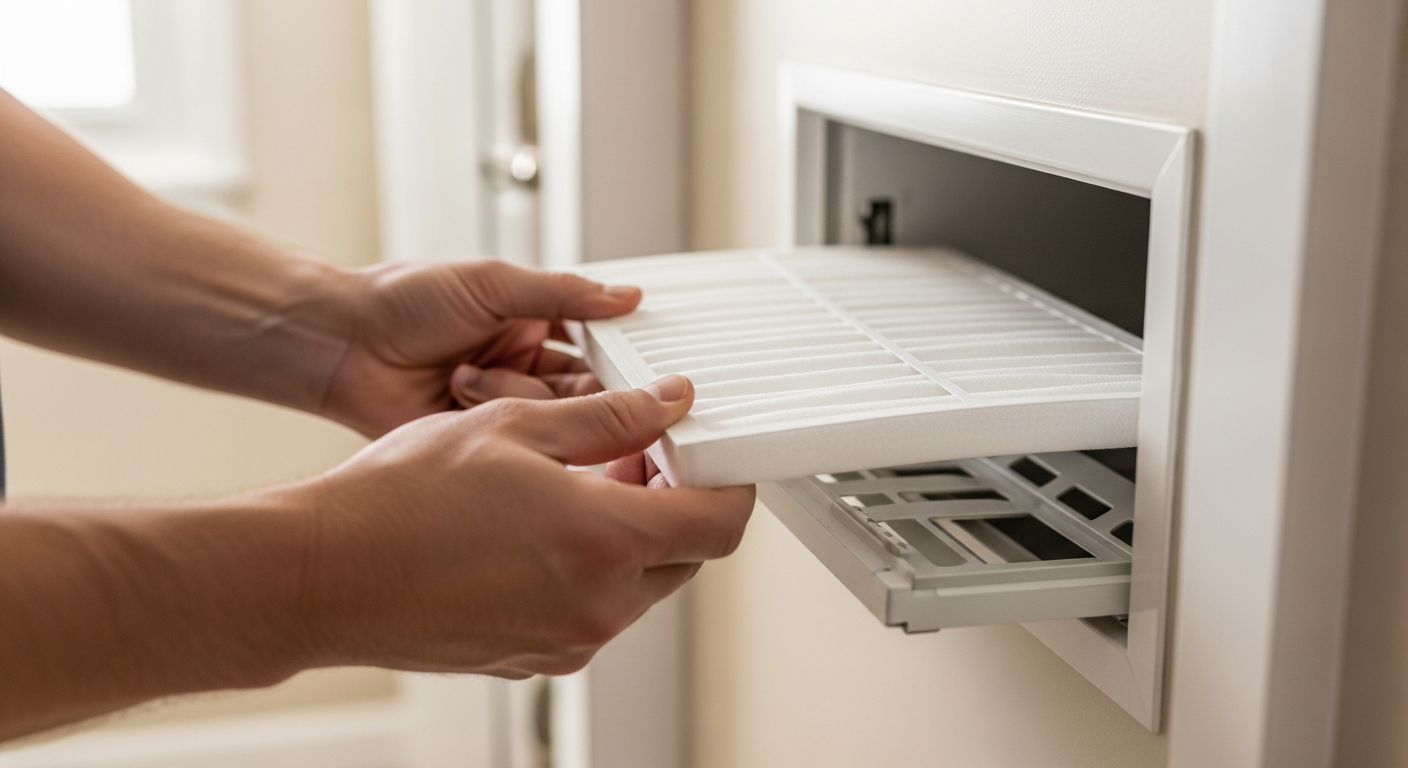
In the summer, dust and pollen are at their peak. Check your filters every 30 days and replace them if they appear gray or clogged.
Optimize Airflow
Ensure that all indoor vents are open and unobstructed by furniture or curtains. If you notice uneven cooling, you may want to investigate why your upstairs is hotter than downstairs to improve overall comfort.
Be Prepared for Extreme Heat
When temperatures soar, your system faces extreme stress. Review our guide on how to prepare your HVAC for a heat wave to avoid mid-summer failures.
Fall: Getting Ready for the Cold
As the leaves turn, it is time to transition your system from cooling to heating. This is the most critical time for safety inspections.
Test Your Heating System
Turn on your furnace or heat pump before the first freeze. Listen for unusual noises and ensure warm air is flowing through the vents.
Safety First: Detectors
Check the batteries in your smoke detectors and carbon monoxide monitors. Carbon monoxide leaks are a serious risk if a furnace heat exchanger is cracked.
Consider a Service Agreement
Many homeowners prefer the peace of mind that comes with a contract. You can research the annual HVAC service contract cost guide to see if a recurring plan is right for your home.
Winter: Protection and Monitoring
Winter maintenance is about protecting your equipment from the elements and ensuring indoor air quality remains high.
Protect the Outdoor Unit
If you have a heat pump, ensure that snow and ice do not build up on top of the unit. For central AC units, a simple cover can protect the fan from falling ice, but never run the unit while covered.
Maintain Humidity Levels
Cold air holds less moisture, which can lead to dry skin and static electricity. Check your humidifier if you have one, or use our tips for cooling a room without AC strategies to manage air circulation during temperature fluctuations.
General Tips for Every Season
Regardless of the time of year, certain habits will keep your system running smoothly and safely.
- Smart Thermostats: Program your thermostat to adjust when you are away or sleeping.
- Vacation Mode: If you are traveling, follow specific tips for running your AC while on vacation to save money without risking mold growth.
- System Restarts: If your home has been empty for a while, follow our tips for restarting your HVAC after an extended shutdown to prevent damage.
When to Call a Professional
While DIY maintenance is helpful, some tasks require a licensed technician. If you hear grinding noises, smell burning, or see a sudden spike in energy bills, it is time for professional help.
HVACDatabase.com makes it easy to find local, verified contractors who can perform these seasonal inspections. Regular professional maintenance is the best insurance policy for your home’s comfort system.
The Bottom Line
A maintenance calendar takes the guesswork out of home ownership. By breaking tasks down into manageable seasonal steps, you ensure your HVAC system remains a reliable asset for years to come.
Related articles
Connect this page to adjacent guides so readers keep moving deeper into the topic cluster.

How Weather Affects HVAC Refrigerant Levels
Discover how seasonal temperature shifts influence your AC's refrigerant performance and learn how to spot signs of a leak before weather extremes cause a system failure.

Tips for Maintaining HVAC During Monsoon Season
Monsoon season brings intense humidity and heavy storms. Learn how to protect your HVAC system and maintain indoor air quality with our comprehensive guide.
Tips for HVAC Maintenance in Tornado Alley
Learn how to safeguard your HVAC system against high winds, debris, and power surges common in Tornado Alley to ensure year-round comfort.