How to Look Up HVAC Equipment Recalls
Discover how to identify and resolve HVAC equipment recalls to ensure your home's safety and system efficiency.
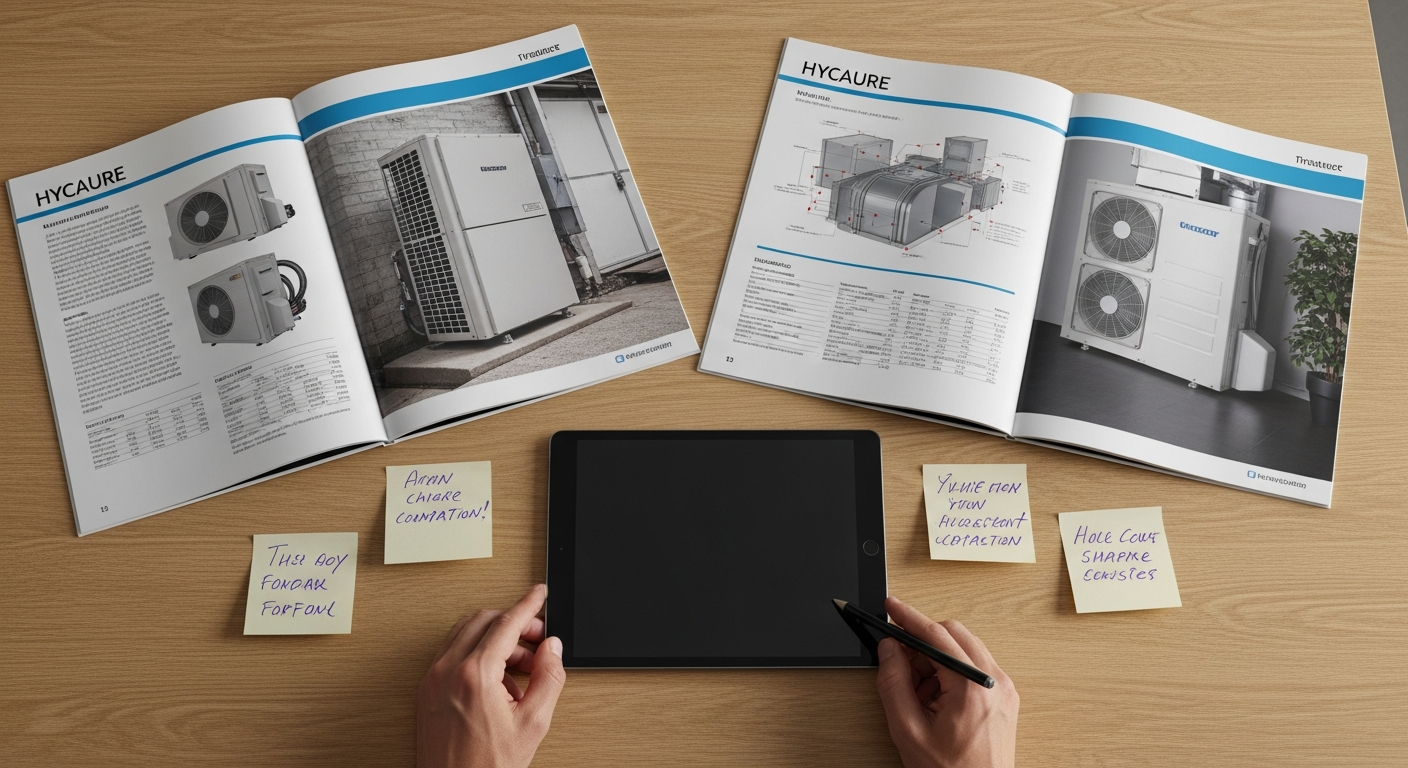
Ensuring Home Safety Through HVAC Recall Checks
Your HVAC system is the heartbeat of your home, providing comfort through every season. However, even the most reputable manufacturers sometimes release units with defects that could lead to performance issues or safety hazards.
Understanding how to look up HVAC equipment recalls is a vital skill for every homeowner. Identifying a recall early can prevent costly breakdowns and protect your family from risks like electrical fires or carbon monoxide leaks.
Where to Start Your Search
The first step in checking for recalls is gathering your equipment details. You cannot search effectively without specific identifiers for your furnace, air conditioner, or heat pump.
Locate the data plate on your outdoor condenser or indoor air handler. You will need to write down the manufacturer name, the model number, and the unique serial number. If you are struggling to find these, you can always consult a professional listed on HVACDatabase.com to help identify your system components.
The CPSC Database
The Consumer Product Safety Commission (CPSC) is the primary resource for product recalls in the United States. Their online database allows you to search specifically for heating and cooling equipment.
- Visit the official CPSC website.
- Use the search bar to enter your brand name and the word "furnace" or "air conditioner."
- Filter results by the 'Appliances' or 'Home Products' categories.
- Compare the listed model numbers and manufacture dates with your unit's data plate.
Manufacturer Official Websites
Most major brands like Carrier, Trane, Lennox, and Rheem maintain dedicated recall pages. These pages often provide more detailed instructions on how to receive a repair or replacement if your unit is affected.
If you are comparing brands, you might find it helpful to research HVAC equipment before buying to see which manufacturers have the best track record for safety and reliability. Checking historical recall data can give you peace of mind before a major investment.
Signs Your Unit Might Be Recalled
While some recalls are issued for minor efficiency glitches, others address serious mechanical failures. Be on the lookout for these red flags:
- Unusual smells, especially ozone or burning plastic.
- Frequent tripping of the circuit breaker.
- Excessive soot around the furnace burner.
- Sudden and unexplained drops in heating or cooling capacity.
If your system is acting up and you aren't sure if a recall is to blame, you may need to decide between repairing or replacing your equipment based on the severity of the defect.
What to Do if Your HVAC System Is Recalled
If you discover that your unit is part of an active recall, do not panic. Most manufacturers have a streamlined process to handle these issues at little to no cost to the homeowner.
Contact the Manufacturer Directly
Call the consumer hotline listed in the recall notice. Have your serial number ready. They will confirm if your specific unit is affected and provide a reference number for the claim.
Schedule a Certified Repair
Recalls often require a specific part replacement that must be performed by a licensed technician. The manufacturer will usually designate authorized dealers to perform the work. This is a great time to find a local expert on HVACDatabase.com who is certified to work on your specific brand.
Safety should be your priority. For instance, if you have a water heater involved in a safety bulletin, comparing brands like Rheem vs AO Smith can help you understand common industry standards for safety features.
Protecting Your System from Other Hazards
While recalls are manufacturer errors, external factors can also damage your system. It is wise to learn how to protect your HVAC from storm damage to avoid issues that might mimic mechanical defects.
Furthermore, if you use backup power, ensuring your system is compatible is key. Knowing how to size a standby generator for your HVAC prevents electrical surges that could damage sensitive control boards.
Maintaining Your System Post-Recall
Once a recall repair is completed, maintain a regular service schedule. This ensures that the new parts are functioning correctly and that your system remains efficient. If you suffer from allergies, you might also consider upgrading to the best HVAC systems for allergy sufferers during your next scheduled replacement.
Summary of Steps for Homeowners
- Find your model and serial number on the unit data plate.
- Check the CPSC website for public safety notices.
- Verify the information on the manufacturer’s support portal.
- Contact an authorized technician for a free recall repair.
- Document the repair for your home maintenance records.
Staying proactive about HVAC recalls ensures your system remains a safe, reliable asset for your home. Use HVACDatabase.com to find the right professionals to keep your equipment running at its peak performance.
Related articles
Connect this page to adjacent guides so readers keep moving deeper into the topic cluster.

How to Transfer an HVAC Warranty to a New Owner
Selling your home? Learn how to successfully transfer your HVAC warranty to the new owner to increase your home's value and provide peace of mind.
How to Find Your HVAC Model and Serial Number
Locating your HVAC model and serial number is essential for repairs and warranty claims. Learn exactly where to look on your indoor and outdoor units.
How to Set Up HVAC Maintenance Logs for Commercial Buildings
Organized maintenance logs are the backbone of commercial building management. Learn how to track repairs and optimize your HVAC system's performance.