How to Transfer an HVAC Warranty to a New Owner
Selling your home? Learn how to successfully transfer your HVAC warranty to the new owner to increase your home's value and provide peace of mind.

The Importance of HVAC Warranty Transfers
When you sell your home, your heating and cooling system is one of your most valuable assets. A remaining warranty can be a massive selling point for potential buyers who want to avoid unexpected repair costs.
However, many homeowners mistakenly believe that HVAC warranties automatically stay with the equipment. In reality, most manufacturer warranties are tied to the original purchaser unless specific steps are taken to transfer them.
Failing to follow the correct protocol could result in the warranty being voided the moment the deed changes hands. This guide will help you navigate the paperwork and ensure the new owners remain covered.
Understanding the Two Types of Warranties
Before you begin the transfer process, you need to identify which type of coverage you actually have. Most systems are protected by two distinct layers of protection.
Manufacturer Parts Warranty
This covers the internal components of the unit, such as the compressor or heat exchanger. Major brands like those found in our Heil HVAC equipment buying guide typically offer 10-year limited warranties, but these often drop to 5 years or expire entirely upon a home sale if not transferred.
Labor Warranty
Labor warranties are provided by the HVAC contractor who installed the unit. These cover the cost of the technician's time. Unlike manufacturer warranties, labor warranties are often much more flexible but require direct communication with the installing company.
Step-by-Step Guide to Transferring Your Warranty
Follow these steps to ensure a seamless transition of coverage during the home selling process.
1. Gather Your Documentation
You cannot transfer what you cannot find. Locate your original invoice, the user manual, and any registration certificates provided at the time of installation.
You will also need to know the specific details of your hardware. If you are unsure where to look, learn how to find your HVAC model and serial number on the unit's rating plate.
2. Review the Terms and Conditions
Read the fine print for "Transferability" clauses. Brands vary significantly; for instance, the terms for a Heil vs Carrier system may have different deadlines or fees for title transfers.
Common requirements include:
- A transfer fee (usually between $25 and $100).
- A strict window for notification (often 30 to 60 days after closing).
- Proof of regular annual maintenance.
3. Notify the Manufacturer
Most major brands, such as those discussed in our Amana HVAC equipment buying guide, require a written or online notification of the ownership change. You will likely need to provide the new owner's name and the official date of the property transfer.
The Role of Professional Maintenance
Manufacturers often require proof that the system has been professionally maintained to honor a warranty transfer. If you haven't kept up with annual service, the manufacturer may deny the transfer request.
This is where finding a reliable partner is essential. You can find trusted HVAC contractors on HVACDatabase.com to perform a final inspection and provide the necessary service records before the house goes on the market.
Common Pitfalls to Avoid
The most common mistake is waiting too long. If the 60-day window passes after the closing date, the warranty usually reverts to a "base" period or expires. This leaves the new owner unprotected and could lead to legal headaches if the warranty was a condition of the sale.
Additionally, make sure you are transparent about any known issues. Knowing how to disclose HVAC issues when selling a home is vital to maintaining your integrity and avoiding future liability claims.
Increasing Value Through Efficiency
A transferable warranty is a great start, but showing a buyer how to save money on utilities is even better. You might suggest they look into how to use thermal curtains for HVAC efficiency or even how to set up carbon dioxide monitoring at home to improve indoor air quality.
Final Check for Home Sellers
Before you hand over the keys, ensure the following is complete:
- The manufacturer has received the transfer form.
- The transfer fee has been paid (by you or the buyer, as negotiated).
- All maintenance records are neatly organized in a folder for the new owner.
- The contact information for the original installing contractor is clearly listed.
If you need a professional to verify the system's condition or provide a maintenance log for the new owners, you can quickly find trusted HVAC contractors on HVACDatabase.com. Taking these proactive steps ensures that your HVAC system remains a valuable asset for the next family to enjoy.
Related articles
Connect this page to adjacent guides so readers keep moving deeper into the topic cluster.
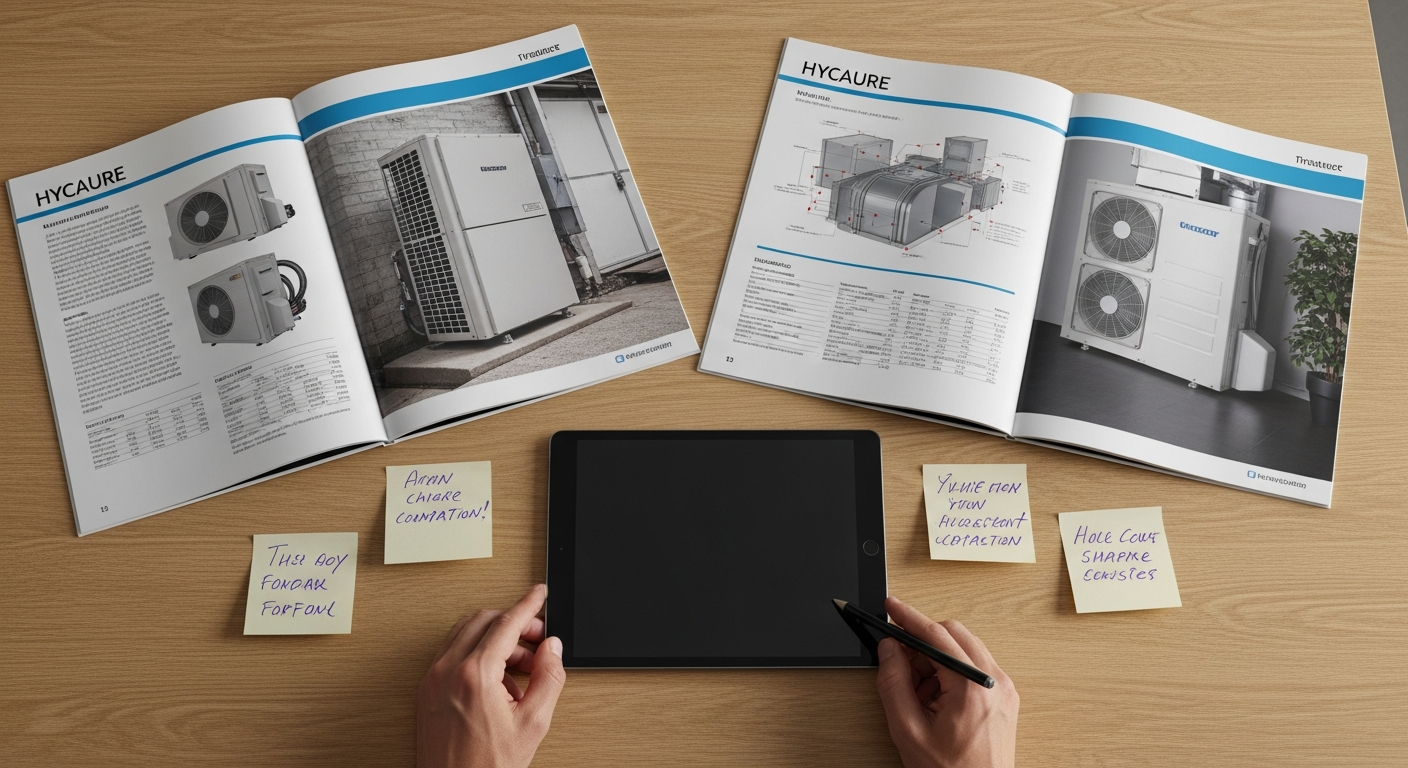
How to Look Up HVAC Equipment Recalls
Discover how to identify and resolve HVAC equipment recalls to ensure your home's safety and system efficiency.
How to Find Your HVAC Model and Serial Number
Locating your HVAC model and serial number is essential for repairs and warranty claims. Learn exactly where to look on your indoor and outdoor units.
How to Set Up HVAC Maintenance Logs for Commercial Buildings
Organized maintenance logs are the backbone of commercial building management. Learn how to track repairs and optimize your HVAC system's performance.