How to Remove Mold from AC Ducts
Learn how to identify mold in AC ducts, safe cleaning steps you can do yourself, and when to call a pro. Includes cost guidance, contractor checklist, and prevention tips.
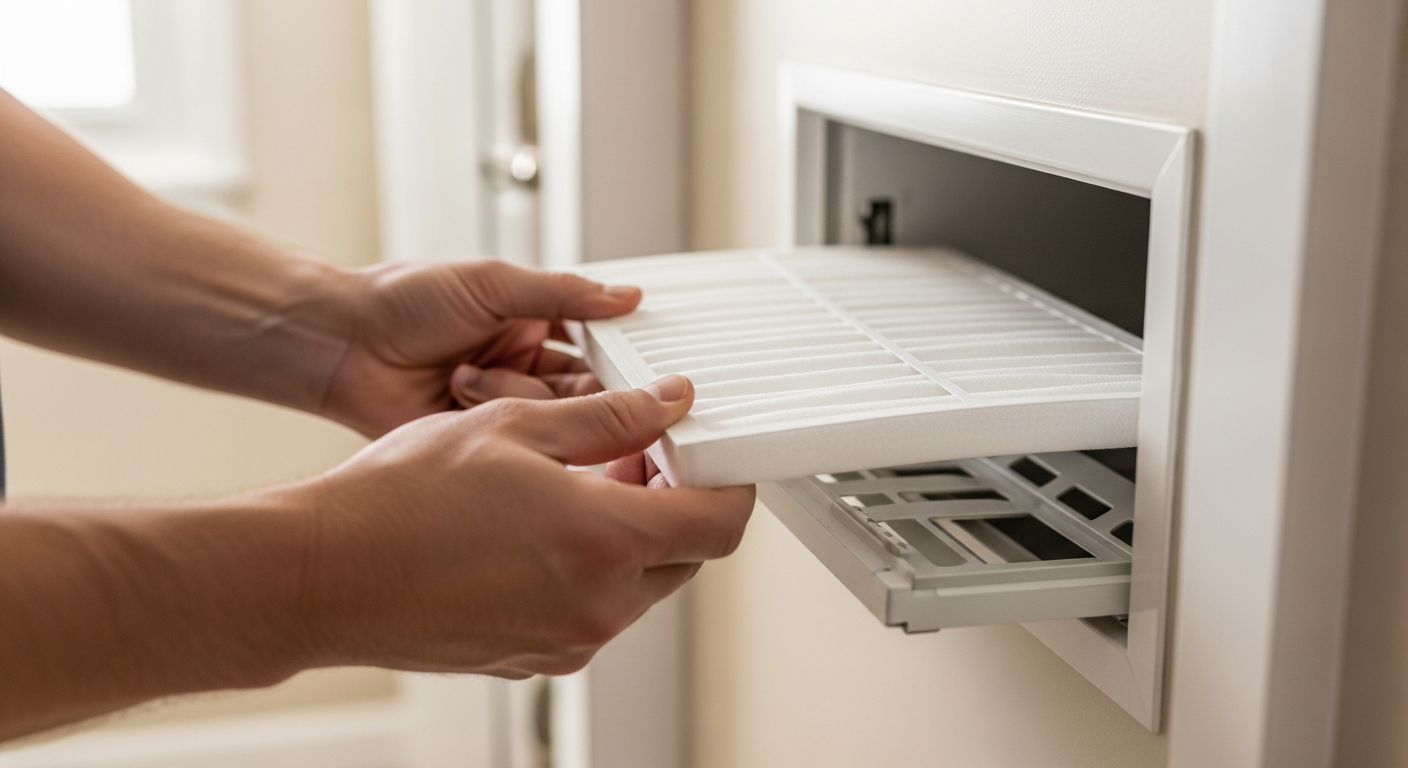
Prioritize safety and moisture control; DIY only for tiny, accessible metal surfaces
For visible mold smaller than 10 sq ft on hard metal you can reach, a careful wipe‑down with vinegar may buy time. Everything else—especially flex ducts, fiberglass, or hidden growth—requires a NADCA‑certified pro. The root cause is always moisture; without fixing that, cleaning is temporary.
What Matters Most
- Turn off the system and wear an N95 mask before even looking at mold.
- Never use bleach or spray chemicals into vents.
- If mold is on flex ducts, fiberglass, or hidden, call a certified pro immediately.
- Target indoor humidity below 50% and change filters monthly to prevent recurrence.
- Use HVACDatabase tools to estimate costs and vet contractors before committing.
Strengths
- Clear, measurable limits for safe homeowner action.
- Transparent cost ranges help avoid overpaying.
- Emphasis on moisture source correction gives long‑term protection.
- Checklist and tool links empower informed contractor conversations.
Weaknesses
- DIY surface cleaning may miss deep contamination, giving false confidence.
- Cost estimates are averages and can spike with complex duct layouts or asbestos.
- Prevention steps require ongoing homeowner diligence.
- UV lights add expense and must be professionally installed and maintained.
Decision Summary
| Scenario | Usually do | Why |
|---|---|---|
| Small mold on metal vent cover | Remove, scrub with soap/water, dry, reinstall | Non‑porous surface; full removal is possible |
| Mold inside metal duct boot, <10 sq ft | Wipe with vinegar solution; monitor for return | Accessible hard surface; if smell recurs, deeper issue exists |
| Mold >10 sq ft or on flex/fiberglass | Hire NADCA pro for cleaning or replacement | Health risk; materials can’t be effectively cleaned |
| Musty smell but no visible mold | Schedule professional borescope inspection | Hidden mold may be on coil, in plenum, or behind insulation |
| Recurring mold despite cleaning | Install whole‑house dehumidifier + UV light | Underlying humidity must be controlled permanently |
Quick Answer
If you see small patches of mold on metal vent covers or the first few inches of a hard duct, you can clean them safely after turning off the system. Use a mild solution like vinegar and water, never bleach. For mold deeper than 10 square feet, inside flex ducts, on fiberglass, or when anyone in the home has respiratory issues, stop and call a NADCA‑certified professional. Typical remediation runs $500–$2,000 for cleaning, $2,000–$6,000+ for duct replacement. Use our Air Quality Score to gauge urgency and our Cost Estimator to budget.
What Mold in AC Ducts Means for Your Home
Mold inside ductwork isn’t just a cosmetic issue—it releases spores every time the blower runs, degrading indoor air quality and triggering allergies, asthma, and musty odors. Because ducts are dark and often damp from condensation, they’re prime breeding grounds. The spores can also travel to other parts of the house, landing on furniture and in carpets. Addressing the moisture source is just as important as cleaning the visible growth.
Safe DIY Inspection and Cleaning
Homeowners can perform a visual check and clean accessible, non‑porous surfaces without specialized equipment. Never open ductwork, cut into insulation, or spray chemicals into the duct system.
- Turn off HVAC completely at the thermostat and breaker.
- Remove a few vent covers (grilles). Look inside with a flashlight. Mold often appears as black, green, or white fuzzy spots.
- If you see small patches on a metal vent cover or the inside of a metal boot, unscrew the cover and wash it with warm, soapy water and a scrub brush. For the duct boot, wipe with a cloth dampened in a solution of one part white vinegar to two parts water, or 1 teaspoon tea tree oil per cup of water. Do not use bleach—it can corrode metal and doesn’t kill mold roots on porous surfaces.
- Dry thoroughly with a clean microfiber cloth. Leave the cover off until the duct interior is bone‑dry.
Important: This is only a surface fix. If the musty smell returns in a week, the mold is likely deeper.
Safety Boundaries: What You Must Never Do
- Do not open or disassemble ductwork, including flexible ducts.
- Do not handle refrigerant lines, gas connections, or electrical components.
- Do not spray fungicides, bleach, or disinfectants into duct registers—these can become airborne irritants and damage equipment.
- Do not attempt to clean mold on fiberglass duct board or internally lined ducts; they must be replaced.
- Do not work on a live system. Always turn off power.
When to Stop and Call a Professional
Use this decision table to know when the job is beyond safe DIY reach.
| Situation | Action | Why |
|---|---|---|
| Mold covers < 10 sq ft on hard metal surfaces you can reach | DIY surface wipe (as above) | Limited, accessible surface; low risk if properly dried |
| Mold covers > 10 sq ft, or includes flexible ducts | Call pro for cleaning or replacement | High spore load; flex ducts can’t be effectively cleaned |
| Mold on fiberglass duct board or internal insulation | Replace affected sections | Porous material retains roots; cleaning is impossible |
| Musty odor but no visible mold | Schedule a professional inspection with borescope camera | Mold may be hidden in coil, plenum, or deep duct runs |
| Family members have asthma, allergies, or immune issues | Hire a certified remediator immediately | Health risk from airborne spores is unacceptable |
How Much Does Mold Remediation Cost?
Prices depend on the extent, accessibility, and whether duct replacement is needed. These are editorial ranges based on national data; your region and contractor pricing may vary.
| Service | Typical Range | Notes |
|---|---|---|
| Diagnostic inspection (visual + borescope) | $80–$200 | Often credited toward full job if you proceed |
| Small‑scale duct cleaning (spot treatment) | $150–$500 | For isolated sections; may include antimicrobial fog |
| Full commercial‑grade duct cleaning with HEPA vacuum | $500–$2,000 | Whole house, all trunks and branches; NADCA best practices |
| Duct replacement (flex or metal, linear foot) | $2,000–$6,000+ | Depends on home size, accessibility, and local labor rates |
For a personalized estimate, use our HVAC Cost Estimator and always get at least three quotes, which you can compare with our Quote Checker.
Tools to Help You Decide
Before you hire, assess your situation with these free tools:
- Air Quality Score – rate symptoms and visible signs to prioritize action.
- HVAC Cost Estimator – get a ballpark remediation budget.
- Quote Checker – validate contractor pricing and avoid overpaying.
- Repair or Replace Calculator – if ducts are old and damaged, see if replacement is smarter.
Contractor Checklist for Mold Remediation
Ask these questions before signing a contract:
- Are you NADCA‑certified (National Air Duct Cleaners Association)?
- Do you use negative‑air machines and HEPA filtration to contain spores?
- Will you inspect the entire system, including the evaporator coil and plenum?
- How do you handle flex duct—clean or replace? (Expect replacement if moldy.)
- What antimicrobial treatments do you use, and are they EPA‑registered for HVAC?
- Can you identify and fix the moisture source (leaks, condensation, high humidity)?
- Do you carry general liability and pollution liability insurance?
- Will you provide before‑and‑after photos or video?
- What warranty do you offer on the work?
You can find prescreened contractors in your area through our HVAC Contractor Search.
Preventing Future Mold: Managing Humidity
- Keep indoor humidity below 50%. A whole‑house dehumidifier may be necessary in humid climates. (BTU Calculator can help with sizing.)
- Change your AC air filter every 30–90 days. A clean filter prevents dust buildup that feeds mold.
- Ensure the condensate drain is clear. Learn how to maintain your condensate drain pan.
- Fix plumbing and roof leaks promptly.
- Consider a UV light installation inside the air handler (professional only) to kill spores on the coil.
- During home renovations, seal off ducts to keep out dust and moisture.
Decision Tree: DIY or Pro?
Follow these rules
- Is the mold on a removable vent cover or the inside surface of a metal boot within arm’s reach?
- Yes → you can clean with soap/vinegar (see Safe DIY Inspection).
- No → question 2.
- Can you see the mold, and is it smaller than 10 square feet?
- Yes, and it’s on hard metal → you may attempt wiping, but if smell returns, call a pro.
- No (hidden, large, or on flex/fiberglass) → professional help required.
- Does anyone in the household have chronic allergies, asthma, or immune compromise?
- Yes → do not attempt DIY; call a certified remediator.
- No → if other conditions allow, DIY with caution.
Local Factors: Hot, Humid, or Coastal Homes
- Humid climates (Southeast, Gulf Coast): Mold thrives year‑round. A whole‑house dehumidifier often pays for itself by reducing AC runtime and mold risk. Also check that your AC’s tonnage isn’t oversized, which leads to short cycling and poor dehumidification.
- Hot, dry climates (Southwest): Mold is less common, but evaporative coolers can introduce moisture into ducts. Ensure dampers and filters are maintained.
- Coastal areas: Salt air corrodes metal and can trap moisture against ductwork. Inspect duct insulation regularly and consider stainless steel or coated sheet metal during replacement.
- Cold climates (Midwest, Northeast): Condensation can form in uninsulated ducts running through attics. Verify that ducts are properly insulated and sealed.
- Older homes: Asbestos tape on duct joints was common until the 1980s. If you suspect asbestos, do not disturb; hire a professional who can test and handle safely.
Methodology
Our recommendations follow EPA mold guidelines and NADCA standards. Cost ranges come from anonymized contractor pricing data, industry surveys, and public cost databases updated quarterly. They are editorial estimates—actual costs vary by region, system complexity, and market conditions. Always obtain multiple quotes. We do not endorse DIY remedies that involve chemical sprays or accessing sealed HVAC components.
Frequently Asked Questions
Can I use bleach to kill mold in my AC ducts?
No. Bleach is corrosive to metal coils and ductwork, and on porous surfaces like insulation or drywall, it only bleaches the mold while leaving roots alive. The EPA does not recommend bleach for mold remediation. Use EPA‑registered HVAC fungicides applied by professionals, or for light surface cleaning, a vinegar‑water solution (1:2) on metal only.
How can I tell the difference between mold and dust buildup?
Mold usually looks fuzzy or patchy and comes with a persistent musty odor. Dust is dry and fine. A simple test: wipe with a damp white cloth. Dust will smear brown/gray; mold may leave black or green stains and the cloth may smell earthy. If unsure, a professional swab test or borescope inspection is the safest route.
Will running my AC kill mold?
No. Air conditioning can reduce moisture, which slows growth, but it won’t kill existing mold. Cold coils can also create condensation, providing more moisture. If mold is present, the system should be turned off until cleaned to prevent spreading spores.
How often should I have my ducts professionally inspected for mold?
In humid regions or if you’ve had a water leak, schedule an inspection annually. In dry climates with no history of moisture issues, every 2–3 years is sufficient. If you notice a musty smell or allergy flare‑ups, inspect immediately.
Does homeowner’s insurance cover mold removal from ducts?
It depends. Most standard policies exclude mold unless it’s caused by a sudden, covered water event (like a burst pipe). Gradual humidity damage or poor maintenance is usually not covered. Check your policy and consider a mold rider if you live in a high‑risk area. Professional remediation documentation can help with claims.
Related articles
Connect this page to adjacent guides so readers keep moving deeper into the topic cluster.

How to Implement a Whole Home Energy Management System
Integrate smart tech and HVAC controls to cut energy waste. This guide shows how to audit, upgrade, and automate your home's energy use, with real savings estimates.

How to Set Up Thermostat Geofencing
Set up thermostat geofencing to automatically adjust home temperature as you come and go. Save energy, extend equipment life, and never return to an uncomfortable house. Get our quick-start guide now.
How to Troubleshoot Smart Thermostat WiFi Issues
Your smart thermostat offline? Most WiFi drops can be fixed with power checks, router adjustments, and simple restarts. Follow our step-by-step guide to regain remote control and energy savings.