How to Temporarily Heat Your Home Without a Furnace
Furnace out? Stay safe with electric space heaters, seal a warm room, and prevent frozen pipes. Learn when to call an emergency HVAC pro and what to ask contractors.
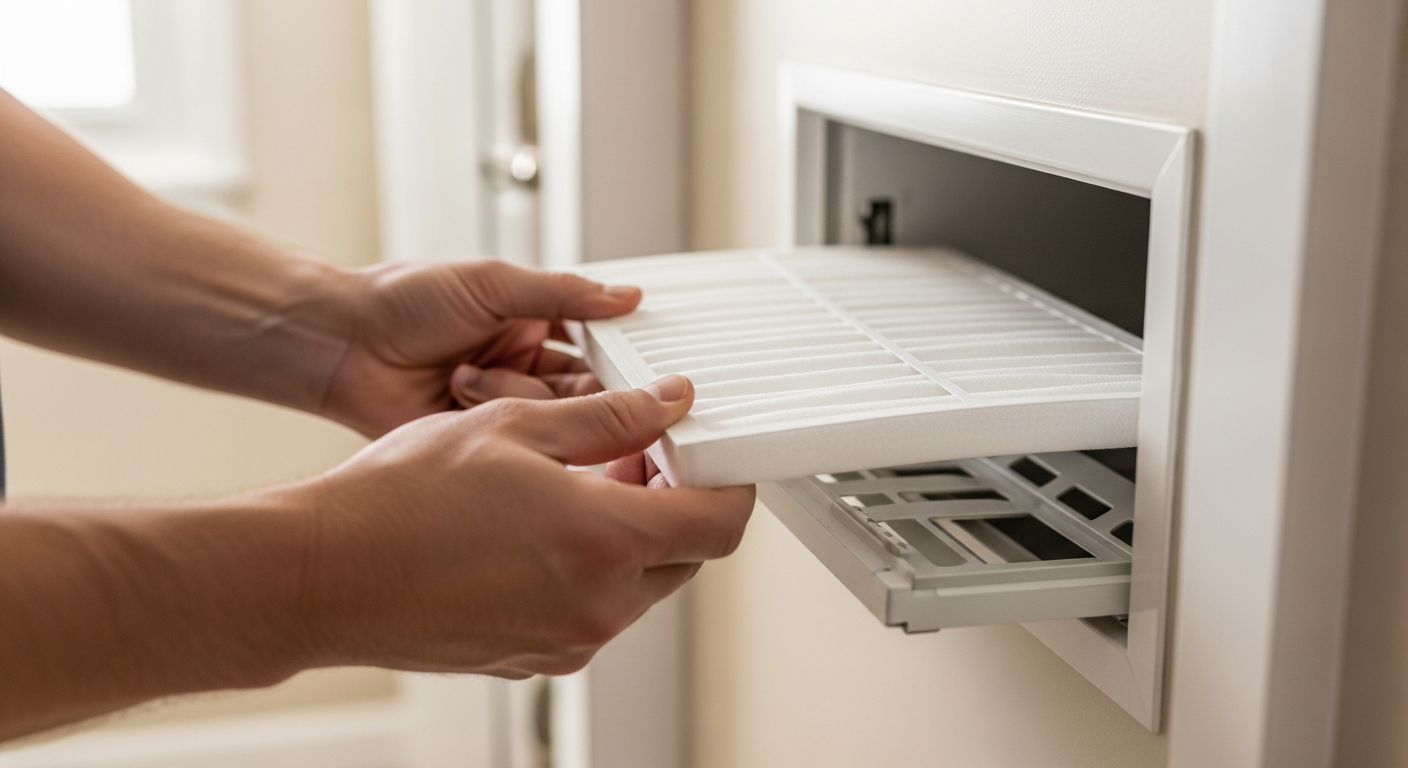
Safety First, Then Controlled Heat
Focus on containing heat in one room with an electric space heater, never compromise on CO and fire safety, and get professional repair as soon as possible.
What Matters Most
- Create a single warm room instead of heating the whole house.
- Use only electric space heaters with safety certifications indoors.
- Protect pipes from freezing even before the temperature becomes critical.
- Know when to evacuate: gas smell, CO alarm, or inability to maintain safe temperatures.
- Have a trusted HVAC contractor’s number before an emergency.
Strengths
- Simple, low-cost steps that anyone can implement safely.
- Reduces risk of frozen pipes and water damage.
- Leverages passive solar heat without equipment.
- Helps you choose the right temporary heater for your situation.
Weaknesses
- Temporary solutions won't maintain full home comfort.
- Space heaters increase electricity bills and fire risk if misused.
- Not effective in extreme cold without backup power or fuel-based heaters that require strict ventilation.
- Delaying professional repair can lead to escalating damage and cost.
Emergency Heating Decision Summary
| Scenario | Usually do | Why |
|---|---|---|
| Furnace out, electricity on | Use electric space heater in a sealed warm room | Safest, most controllable temporary heat |
| Power outage, cold outside | Bundle up, use candles for light, consider hotel/shelter if <50°F | No safe indoor combustion without proper ventilation |
| Pipes at risk of freezing | Open cabinet doors, trickle faucets, insulate exposed pipes | Prevents burst pipes and water damage |
| Furnace needs professional repair | Call licensed HVAC contractor, get written estimate | Ensures proper diagnosis and safe restoration of heat |
| Carbon monoxide alarm sounds | Evacuate immediately, call 911 | CO is deadly; do not attempt to find source yourself |
Introduction: What to Do When Your Furnace Quits
When your furnace fails in cold weather, you need safe, immediate steps to maintain a livable temperature while waiting for professional repair. This guide covers practical, non-DIY strategies that prioritize safety, from choosing the right space heater to insulating your home and protecting pipes. We’ll also help you decide when to call for emergency service and what questions to ask a contractor.
Related: Find 24/7 emergency HVAC repair near you
Quick Answer: Immediate Steps to Heat Your Home Safely
- Choose one room as your “warm room” and close off others.
- Use an electric space heater with safety certifications (UL/ETL) – never gas or open-flame devices indoors.
- Seal drafts around windows and doors with towels, plastic, or draft stoppers.
- Open south-facing curtains during sunny hours; close them at night.
- Dress in layers and use blankets.
- Keep cabinet doors open under sinks to let warm air reach pipes.
- If you smell gas or suspect carbon monoxide, leave the house and call 911.
Safety Boundaries: What You Can (and Cannot) Do
Safe Homeowner Checks
- Test carbon monoxide detectors and replace batteries as needed.
- Inspect space heater cords for damage; plug directly into wall outlets.
- Ensure space heater is placed on a flat, non-flammable surface at least 3 feet from combustibles.
- Check that your home’s smoke detectors are working.
- Monitor room temperature with a thermometer to avoid freezing conditions.
Pro-Only Work (Do Not Attempt)
- Any repair involving natural gas, propane, oil lines, or combustion components.
- Electrical work on furnace panels, circuit boards, capacitors, or contactors.
- Refrigerant handling (in heat pump systems).
- Ignition system or gas valve repairs.
- Installing or modifying gas lines for temporary heaters.
Emergency Heating Options and Costs
Below are the most common safe temporary heating methods, with estimated cost ranges (prices vary by region and urgency).
| Method | Safe Indoors? | Typical Cost | Best For | Risks |
|---|---|---|---|---|
| Electric space heater (1500W) | Yes | $20–$100 purchase; ~$0.20/hour to run | Single room heating up to 150 sq ft | Fire if too close to items; circuit overload |
| Oil-filled radiator heater | Yes | $50–$150 purchase; similar running cost | Steady, silent background heat | Heavy; slow to heat up |
| Electric blanket or heated mattress pad | Yes | $30–$100 | Personal warmth while sleeping | Overheating risk if malfunctioning |
| Kerosene heater (indoor-rated) | Only if certified for indoor use | $100–$300 + fuel | Large areas when electricity is out | CO, fire; requires ventilation; fuel storage |
| Propane heater (indoor-rated) | Only if certified for indoor use | $80–$250 + fuel | Workshop or well-ventilated space | CO, fire; requires ventilation; flammable |
| Wood fireplace or wood stove | Existing, properly vented | Firewood $200–$400/season | Zone heating; ambiance | Creosote buildup if not maintained; spark risk |
Editorial Note: Cost ranges are rough estimates based on common retail prices and average electricity rates. For professional repair costs, see our HVAC Cost Guide or the Emergency Cost Tool.
Decision Tree: Choosing Your Emergency Heating Strategy
Use these thresholds to guide your actions based on your situation:
- Furnace out, electricity working: Focus on electric space heaters in one warm room. Seal that room. Call for repair.
- Power outage, cold outside: Dress in layers; use candles for light but not heat. Do not use outdoor heaters indoors. If indoor temp drops below 50°F (10°C), consider relocating to a warming shelter.
- Outdoor temperature below 20°F (-7°C): Prioritize pipe freeze prevention immediately. Open faucets to a trickle; open cabinet doors; insulate exposed pipes.
- Multiple space heaters causing tripped breakers: Spread load across different circuits (different rooms). Never plug two high-draw heaters into the same outlet or circuit.
- Smell of natural gas or burning odor from furnace: Do not attempt to heat. Evacuate the home and call 911 and your gas utility.
- Home will be unheated for more than 24 hours in freezing weather: Shut off main water valve, drain pipes, and use RV antifreeze in traps if safe. Call a plumber for guidance if unsure.
Tools to Help You Estimate and Decide
- Emergency Cost Tool: Estimate what you might pay for an after-hours furnace repair call in your area.
- BTU Calculator: Understand how many BTUs your temporary heater should provide for the room size.
- HVAC Cost Estimator: See typical furnace repair or replacement costs by system type.
- Contractor Comparison: Evaluate multiple quotes before committing to a major repair.
Contractor Checklist: Questions to Ask Before Approving Emergency Repair
When you call for service, use this list to ensure you're getting a fair deal and competent work:
- Are you licensed and insured in this state? Can I see your license number?
- Do you offer 24/7 emergency service? What is the after-hours rate or diagnostic fee?
- Will you provide a written estimate before starting work?
- What is the diagnosis of the failure, and can you show me the failed part?
- Is this repair covered by any warranty or service plan I might have?
- What are the risks of a temporary fix versus a full replacement, and what are the cost comparisons?
- Do you have experience with my furnace brand and model?
- Can you give me a realistic timeline, and what will you do if the repair is delayed?
- Will you check my carbon monoxide and smoke detectors as part of the safety check?
Local Context: Climate-Specific Advice
Your location significantly affects the urgency and specific steps:
- Cold climates (e.g., Minneapolis, Chicago, Boston): Pipes can freeze within hours. Prioritize a warm room near plumbing. Consider draining pipes if repair is delayed. Emergency HVAC services book fast; call immediately. Find heating repair in Chicago as an example.
- Humid or coastal areas: Condensation can cause mold if you use unvented heaters. Ensure proper ventilation even in an emergency. Electric heaters are preferable.
- Older homes: May have limited insulation and outdated wiring. Do not overload circuits; space heaters may need a dedicated outlet. Inspect wiring before using high-draw appliances.
- Sunny regions (even in winter): Maximize solar gain through south-facing windows. At night, thermal mass like brick or concrete can release stored heat.
Methodology
Our recommendations are based on guidance from the National Fire Protection Association (NFPA), Consumer Product Safety Commission (CPSC), and HVAC industry best practices. Cost estimates are editorial ranges derived from aggregated market data, including parts, labor, and regional adjustments. They are not quotes. Safety boundaries align with EPA and local building code standards for unlicensed work. Always defer to manufacturer instructions for any heating device.
Related Resources
- How to Keep Pipes from Freezing When Your Heater Fails
- How to Use a Portable Heater During a Furnace Emergency
- How to Reset Your HVAC System After a Power Outage
Frequently Asked Questions
Can I use my gas oven or stovetop to heat the kitchen?
No. Gas ovens and stovetops produce carbon monoxide (CO) and are not designed for space heating. Using them can lead to CO poisoning or fire. Only use appliances rated for indoor space heating, like electric space heaters with safety certifications.
How long can a house stay warm without heat?
It varies by insulation, outdoor temperature, and wind. In a well-insulated home at 20°F, indoor temp may drop 10-15°F in 4-6 hours. Pipes in exterior walls can freeze within a few hours if uninsulated. Adding temporary insulation and sealing drafts slows heat loss significantly.
What is the safest type of space heater?
Electric heaters with automatic tip-over shutoff, overheat protection, and a UL or ETL mark are safest. Oil-filled radiators are stable and maintain heat long after cycling off. Avoid older models without safety features. Keep them on the floor, away from water and flammables.
Should I leave my faucets dripping if the furnace is broken?
Yes, if outdoor temperatures are below freezing. A slow trickle from faucets, especially those farthest from the main water line, relieves pressure and reduces freeze risk. Also open cabinet doors to let warm air circulate around pipes.
My furnace stopped working, but the thermostat still lights up. Can I fix it?
Check simple things: ensure the thermostat is set to “Heat” and the temperature is above room temp; check if the circuit breaker for the furnace is tripped; look for a blocked air filter that might have caused overheating. If these checks don’t work, call a professional. Do not open the furnace cabinet or attempt electrical repairs.
Related articles
Connect this page to adjacent guides so readers keep moving deeper into the topic cluster.
How to Implement a Whole Home Energy Management System
Integrate smart tech and HVAC controls to cut energy waste. This guide shows how to audit, upgrade, and automate your home's energy use, with real savings estimates.
How to Set Up Thermostat Geofencing
Set up thermostat geofencing to automatically adjust home temperature as you come and go. Save energy, extend equipment life, and never return to an uncomfortable house. Get our quick-start guide now.
How to Troubleshoot Smart Thermostat WiFi Issues
Your smart thermostat offline? Most WiFi drops can be fixed with power checks, router adjustments, and simple restarts. Follow our step-by-step guide to regain remote control and energy savings.