How to Use a Manometer for HVAC Duct Testing
Discover how to measure static pressure and improve your home's airflow by using a digital manometer for HVAC duct testing.
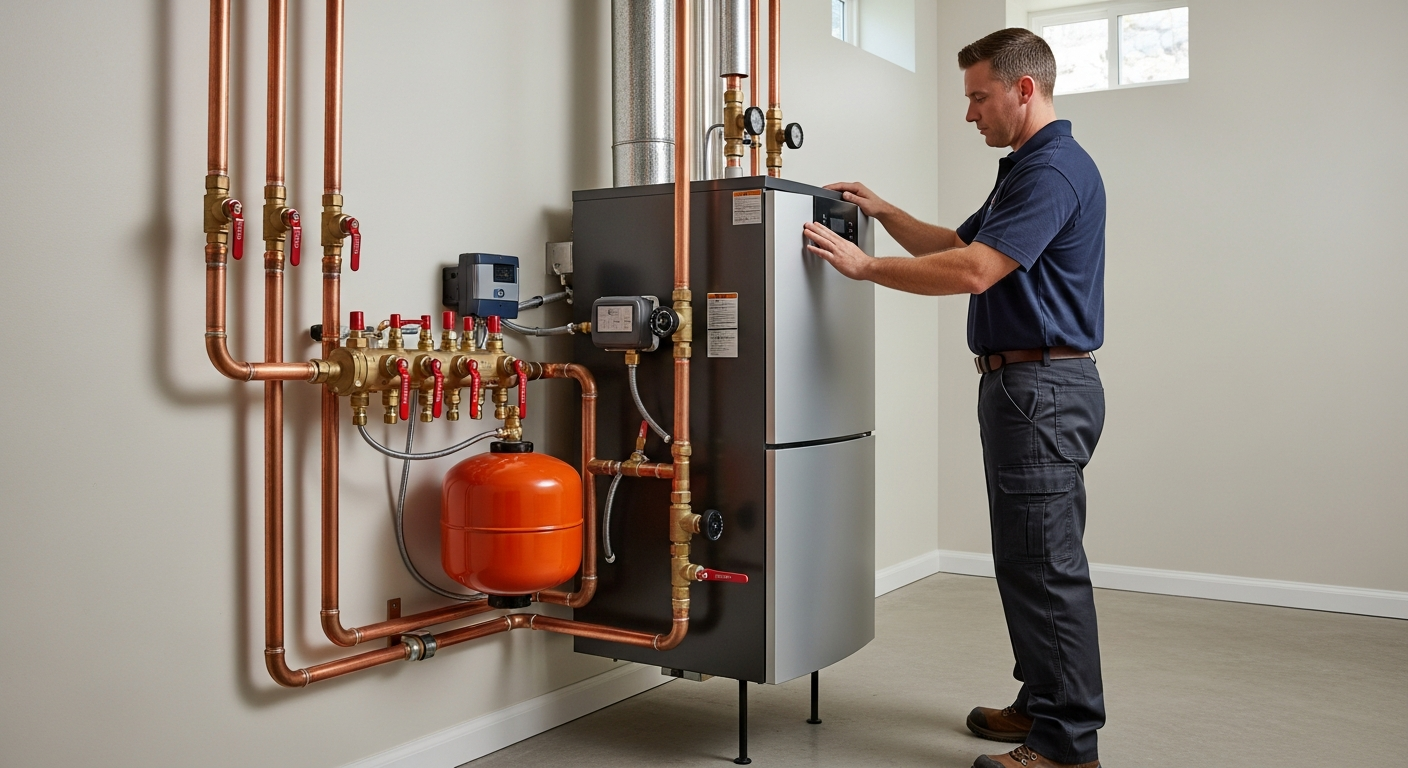
Measuring Airflow with Precision
Your HVAC system is the lungs of your home. If the air pressure inside your ductwork is too high or too low, your furnace or air conditioner will struggle to keep you comfortable.
Testing duct pressure—often called static pressure testing—is one of the most effective ways to diagnose poor airflow, hot and cold spots, or high energy bills. A digital manometer is the primary tool used for this task.
What is an HVAC Manometer?
A manometer is a device that measures pressure differences between two points. In the world of HVAC, it measures pressure in inches of water column (inWC).
While professionals use these daily, homeowners can use them to identify issues before calling a technician. Before you start poking holes in your ductwork, it is helpful to follow tips for taking photos before DIY HVAC work to document your current setup.
Tools You Will Need
To perform an accurate test, you will need a few specific items. Most of these can be found at local hardware stores or online specialty retailers.
- Digital Manometer: Dual-port models are preferred for differential pressure.
- Static Pressure Probes: These connect to the manometer via rubber tubing.
- Step Drill Bit: A 3/8-inch bit is standard for creating test holes.
- Pressure Plugs: To seal the holes once you are finished.
If you find that your system has more than just pressure issues, you might also need to learn how to test your HVAC capacitor with a multimeter to ensure the motor is getting enough power to move that air.
Step-by-Step Guide to Testing Static Pressure
Step 1: Identify Your Testing Points
To get a total external static pressure (TESP) reading, you need to measure pressure at two specific locations. One hole should be placed between the filter and the blower motor (return side).
The second hole should be placed between the furnace heat exchanger and the AC evaporator coil (supply side). Be extremely careful not to drill into the A-coil or any electrical components.
Step 2: Calibrate the Manometer
Turn on your digital manometer while it is in open air. Press the 'Zero' button to ensure it starts at exactly 0.00 inWC. This ensures your readings are not skewed by atmospheric pressure.
Step 3: Insert the Probes
Attach the tubing to the manometer. The 'Total' or '+' port should connect to the probe in the supply plenum. The '-' port should connect to the probe in the return air drop.
Ensure the probes are facing into the airflow. Most probes have an arrow or a specific bend that must point toward the direction the air is coming from.
Interpreting Your Results
Once the blower motor is running at full speed, check the display. A typical residential system is designed to operate at a TESP of 0.5 inWC. If your reading is significantly higher, such as 0.8 or 1.0, your system is restricted.
High pressure often indicates a dirty filter, undersized ducts, or a clogged evaporator coil. If you notice your furnace is cycling oddly during this test, check our guide on tips for understanding HVAC error codes or learn how to troubleshoot a blinking furnace light code for more clarity.
Troubleshooting Common Issues
If your pressure is too high, start with the simplest fix: the air filter. A high-MERV filter can sometimes be too restrictive for older blowers. If the pressure drops significantly when the filter is removed, you may need a less restrictive filter or a larger filter rack.
For those with gas systems, checking the burner area is also vital. You may need to know how to light a furnace pilot light if the system fails to fire during your testing process.
When to Call a Professional
While a manometer gives you the data, fixing ductwork issues often requires professional calculations and sheet metal work. Modifying ducts without the proper training can lead to even worse airflow imbalances.
If your readings are off the charts, it is time to find a qualified expert. You can easily find trusted HVAC contractors on HVACDatabase.com who specialize in ductwork design and airflow diagnostics.
Maintaining other parts of your system is equally important. For instance, knowing how to replace a clogged AC drain pan or how to maintain a gas fireplace can keep your entire home's climate control system in top shape.
Summary and Best Practices
Using a manometer allows you to stop guessing about your HVAC performance. By monitoring static pressure, you can catch problems before they lead to expensive blower motor failures.
Always remember to seal your test holes with plastic plugs or foil tape when finished. If you are ever unsure about where to drill or how to read the numbers, the pros listed on HVACDatabase.com are ready to help you optimize your home's comfort.
Related articles
Connect this page to adjacent guides so readers keep moving deeper into the topic cluster.

How to Change a UV Bulb in Your HVAC System
Is your HVAC UV light flickering or past its prime? Follow our step-by-step guide to safely replace your bulb and maintain peak indoor air quality.

How to Inspect Your HVAC Blower Wheel
A dirty blower wheel can sabotage your HVAC efficiency. Follow this guide to inspect your blower wheel and decide when it is time to call a pro.
How to Use a Multimeter for HVAC Troubleshooting
Master your HVAC system by learning how to use a multimeter to test voltage, continuity, and components for faster home repairs and diagnostics.