How to Use Ceiling Fans to Boost HVAC Efficiency
Ceiling fans can cut cooling costs by up to 15% by making you feel cooler. Learn seasonal direction, sizing, and when to call a pro to maximize your HVAC efficiency.

Clear recommendation
Use ceiling fans as a low-cost strategy to reduce HVAC runtime. Fans are not a substitute for proper HVAC sizing or insulation, but they can cut energy bills by 10–15%. Always match fan direction and speed to the season, size it to the room, and turn it off when the space is unoccupied.
What Matters Most
- Raise your thermostat 4°F in summer when using fans.
- Run fans counterclockwise in summer, clockwise on low in winter.
- Turn fans off when you leave the room to avoid wasting electricity.
- Clean blades seasonally to maintain airflow and prevent motor strain.
- If your HVAC still struggles, call a pro for an inspection.
Strengths
- Low upfront cost compared to HVAC upgrades.
- Immediate comfort improvement.
- No professional installation required for existing fans.
- Works in both heating and cooling seasons.
- Can be used with windows open during mild weather.
Weaknesses
- Only effective when occupants are present.
- Does not reduce humidity—AC still needed for dehumidification.
- Older fans may lack reversible motors.
- Poorly sized or placed fans can be ineffective or noisy.
- Installing new fan may require electrical work and permits.
Decision summary
| Scenario | Usually do | Why |
|---|---|---|
| Summer cooling | Set thermostat 4°F higher, run fan counterclockwise on medium/high | Wind chill effect keeps you comfortable while AC works less. |
| Winter heating | Set fan on low clockwise, leave thermostat alone | Recirculates warm ceiling air, reducing furnace cycles. |
| Empty room | Turn fan off | Fans cool people, not rooms—running them wastes electricity. |
| AC struggling despite fan | Contact HVAC pro for inspection | Fans can't fix a failing HVAC system; refrigerant or airflow issues need a pro. |
| Installing a new fan | Hire licensed electrician if unsure | Improper wiring can cause fire hazards; ceiling boxes must be fan-rated. |
Ceiling fans are one of the cheapest ways to boost your HVAC's efficiency. By creating a wind chill effect, they let you feel up to 4°F cooler in summer, which means your AC runs less. In winter, they push warm ceiling air back down. But they only save money if you use them correctly—wrong direction, poor sizing, or leaving them on in empty rooms wastes electricity. Read on for a complete guide to cut your bills.
Quick Answer
Ceiling fans can cut your cooling costs by 10–15% by making you feel up to 4°F cooler. Set them counterclockwise in summer and clockwise on low in winter. Turn them off when you leave the room. Get the right size fan for your space and pair with clean HVAC filters. For a deeper dive, keep reading.
1. The Wind Chill Effect: How Fans Boost HVAC Efficiency
Ceiling fans don't lower room temperature—they cool people by speeding up sweat evaporation. This wind chill effect lets you raise your thermostat 4°F without discomfort. That small tweak reduces your AC runtime and can save 10–15% on summer bills. Use our energy savings calculator to estimate your potential cut. Want to track your usage? Check our guide on tracking HVAC energy use.
2. Seasonal Direction: One Switch, Big Difference
Every fan has a direction switch, usually on the motor housing. Here's how to use it:
| Season | Direction | Speed | Effect |
|---|---|---|---|
| Summer | Counterclockwise | Medium to high | Pushes air down for a cooling breeze |
| Winter | Clockwise | Low | Gently pulls cool air up and pushes warm air down from the ceiling |
Pro tip: In winter, run the fan only when the room is occupied to avoid drafting.
3. Sizing and Placement: Get the Most Out of Your Fan
Forget one-size-fits-all. Use this cheat sheet:
| Room Size (sq ft) | Fan Diameter | Minimum Ceiling Height | Notes |
|---|---|---|---|
| Up to 75 | 29–36" | 7' | Ideally for small bathrooms or walk-in closets |
| 76–144 | 42–48" | 7' | Works for bedrooms and small offices |
| 145–225 | 52–56" | 7.5' | Good for living rooms and kitchens |
| 226–400 | 60" or larger | 8' | Large rooms or open concepts |
Mount fan 7–9 feet above the floor, with blades at least 8–10 inches from the ceiling for proper airflow.
4. Common Mistakes That Sabotage Efficiency
- Leaving fans on in empty rooms: Fans cool people, not air. Turn them off to save power.
- Wrong seasonal direction: Check the switch every spring and fall.
- Dirty blades: Dust buildup unbalances blades, stresses the motor, and reduces airflow. Wipe regularly.
- Ignoring HVAC filters: A clogged filter starves your system. Pair fans with a fresh filter each month—see our filter replacement guide.
- Overlooking other efficiency upgrades: Fans alone can't fix leaky ducts or poor insulation. Consider an energy audit to find hidden problems.
5. Safety Boundaries: Hands-Off HVAC Work
Ceiling fans are appliances, and many tasks are safe for DIY. But anything touching the HVAC system or high‑voltage wiring demands a pro.
Safe for homeowners
- Cleaning fan blades and housings.
- Switching the direction toggle.
- Adjusting fan speed via pull chain or remote.
- Replacing a remote control battery.
- Turning off the fan when you leave the room.
Leave to a professional
- Installing a new ceiling fan if you're not comfortable with electrical work—faulty wiring can start a fire.
- Diagnosing why your AC can't keep up even with fans running.
- Refrigerant top‑ups or leak repairs—these require EPA certification.
- Compressor, capacitor, or control‑board replacements.
- Gas furnace or combustion appliance repairs.
- Any job involving high‑voltage components.
If your HVAC system struggles despite using fans correctly, use our contractor search to find a licensed pro near you.
6. Calculate Your Potential Savings
Wondering how much a ceiling fan can actually save? Our tools help you put numbers on it:
- Energy Calculator – Estimate how thermostat adjustments affect your bill.
- HVAC Cost Estimator – See what a professional fan installation might run.
- BTU Calculator – Check if your HVAC is oversized; fans can right‑size comfort.
7. Decision Tree: Should I Run the Fan or Call a Pro?
Use these rules to decide:
- The room is occupied and it's warm? Run the fan counterclockwise and turn on the AC. Raise your thermostat 4°F above your usual setting.
- It's winter and you feel a chill? Run the fan clockwise on low to recirculate warm air. Low speed is key.
- Nobody's in the room? Turn the fan off.
- Fan runs but you're still uncomfortable? Check the direction, clean blades, and confirm the room isn't too large for the fan. If that doesn't help, call an HVAC pro.
- Fan wobbles or makes noise? Turn it off, tighten mounting screws, and clean blades. If it persists, replace the fan or hire an electrician.
- Your AC cycles more than usual despite fans? Schedule a diagnostic visit. Expect a $80–$200 fee for the service call.
8. Contractor Checklist: Hiring Help
If you need a pro to install a fan or fix your HVAC, ask these questions before signing anything:
- Are you licensed, bonded, and insured? Can I see your license number?
- Do you have experience with ceiling fan installations in older homes (if applicable)?
- Will you upgrade the ceiling box to a fan-rated box if needed?
- What permits do we need, and will you pull them?
- What's your diagnostic fee? (Typical range: $80–$200—confirm before the visit.)
- For HVAC diagnostics: Will the fee be credited toward the repair if I proceed?
- Can you provide a written estimate with a breakdown of parts and labor?
- Do you offer maintenance plans? (See typical plan pricing: $150–$500/yr.)
- What warranties do you provide on parts and labor?
- Can you provide references from recent jobs?
Always compare at least three bids using our contractor comparison tool to avoid overpaying. For example, see our list of Phoenix AC repair pros.
9. Local Climate & Home-Specific Advice
Hot & Humid: Fans help you feel cooler but won't reduce humidity. Run your AC to dehumidify; set the fan to "auto" on your thermostat so it doesn't blow moisture back into the air when the compressor is off.
Cold Climates: Winter mode is a must. If your home has vaulted ceilings or a loft, a fan on low clockwise can slash heating costs by 10%.
Coastal Areas: Choose damp‑ or wet‑rated outdoor ceiling fans for moisture resistance. Corrosion shortens motor life.
Older Homes: Verify your ceiling box is fan‑rated. Many pre‑1950s boxes are not; upgrading requires an electrician. Sealing air leaks and adding insulation often delivers bigger savings than adding fans.
10. FAQs
Can ceiling fans reduce my energy bill?
Yes, they can cut AC costs by 10–15% when you raise your thermostat 4°F. In winter, they reduce heating demand by redistributing warm air.
Should I run ceiling fans with the windows open?
Only if outdoor temperature is below 78°F and humidity is low. Otherwise, it works against your HVAC system.
Do I need a professional to install a ceiling fan?
If you're not comfortable with electrical work, yes. A fan requires proper wiring and a fan‑rated box. Mistakes can cause fire or injury. Expect $100–$350 in labor depending on complexity and location.
How much can I raise my thermostat with a ceiling fan?
About 4°F above your typical set point while maintaining comfort, according to U.S. Department of Energy research.
What size ceiling fan for a 12x12 bedroom?
A 42–48" fan is ideal for a 144 sq ft room. For taller ceilings, use a downrod to position blades 7–9 feet above the floor.
Methodology
Our advice reflects U.S. Department of Energy best practices, manufacturer guidelines, and HVAC industry standards. Cost ranges are editorial estimates based on national surveys and are not guaranteed. Prices vary by region, season, access, and local permit requirements. Always obtain three or more written quotes from licensed professionals before authorizing work. For a personalized cost estimate, try our HVAC cost estimator tool.
Related articles
Connect this page to adjacent guides so readers keep moving deeper into the topic cluster.
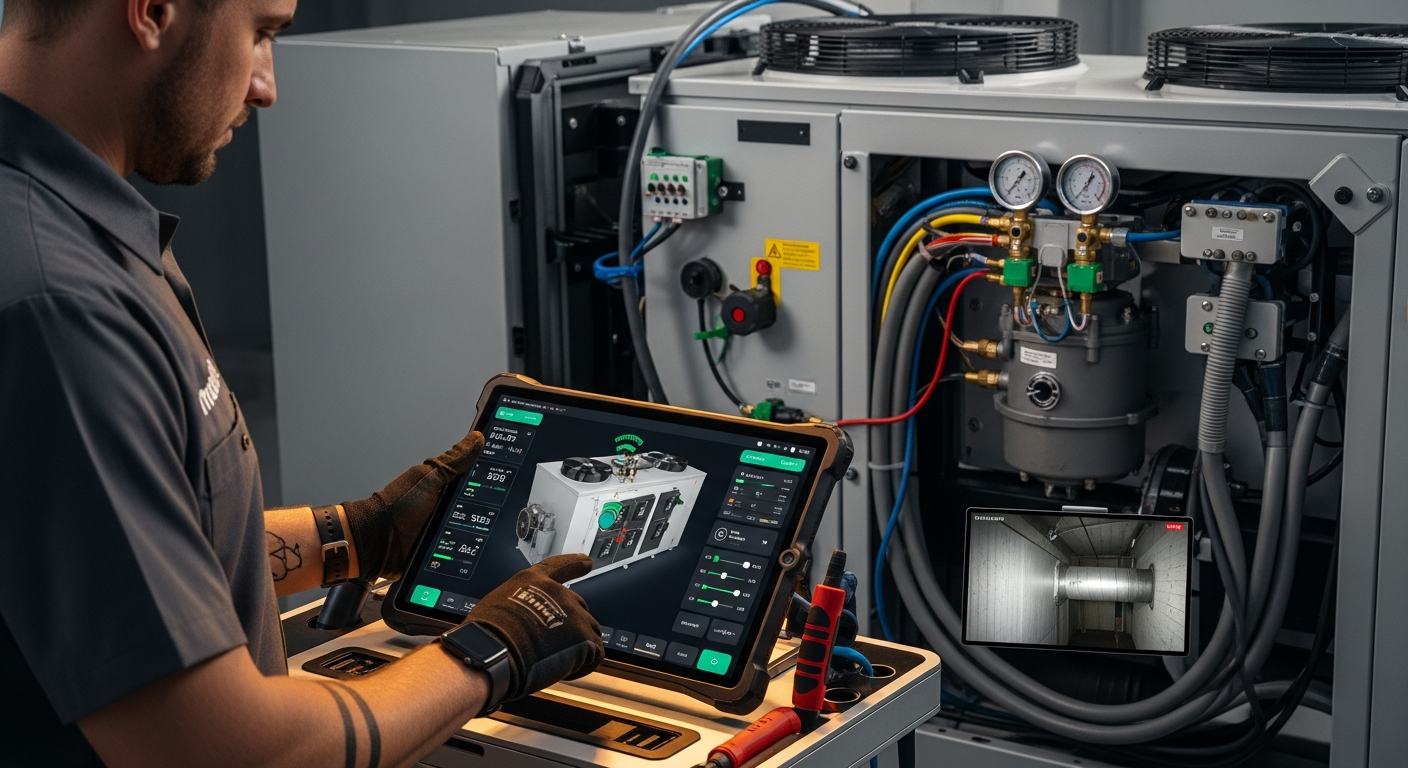
How to Implement a Whole Home Energy Management System
Integrate smart tech and HVAC controls to cut energy waste. This guide shows how to audit, upgrade, and automate your home's energy use, with real savings estimates.

How to Set Up Thermostat Geofencing
Set up thermostat geofencing to automatically adjust home temperature as you come and go. Save energy, extend equipment life, and never return to an uncomfortable house. Get our quick-start guide now.
How to Troubleshoot Smart Thermostat WiFi Issues
Your smart thermostat offline? Most WiFi drops can be fixed with power checks, router adjustments, and simple restarts. Follow our step-by-step guide to regain remote control and energy savings.