How to Use Your Smart Thermostat to Save Energy
Set up your smart thermostat the right way: concrete schedules, geofencing, remote sensors, and energy reports that can cut bills 10–15%.

Set It, Forget It, and Save
The most effective smart thermostat strategies combine a steady schedule or geofencing with remote sensors only where needed. Avoid constant overrides and always pair a smart thermostat with good home insulation.
What Matters Most
- Set a 7–10°F setback for at least 8 hours per day.
- Choose geofencing over manual adjustments for irregular schedules.
- Use remote sensors to address specific hot/cold spots without overcooling the entire home.
- Review energy reports monthly to detect equipment issues early.
- Insulate and seal your home to maximize thermostat savings.
Strengths
- Significant energy savings with minimal effort once configured.
- Modern algorithms learn and adapt to your routine.
- Remote sensors solve uneven temperatures without costly ductwork modifications.
- Energy reports provide early warning of HVAC problems.
Weaknesses
- Geofencing relies on smartphone location, which can fail if GPS is turned off.
- Not all homes need remote sensors, adding unnecessary cost.
- Poor insulation or oversized equipment can undermine savings.
- Compatibility issues may require professional wiring (additional cost).
When to Use Each Smart Thermostat Feature
| Scenario | Usually do | Why |
|---|---|---|
| You have a fixed 9–5 schedule | Program a daily setback schedule | Most reliable; no reliance on phone location; can optimize for time of day |
| Your schedule changes often | Enable geofencing | Automatically adjusts to your location; no need to remember to change settings |
| Rooms are consistently uncomfortable | Add remote sensors | Targets problem rooms instead of overheating/cooling the whole house |
| You want to track long-term savings | Review energy reports monthly | Identifies trends and flags unusual spikes that may indicate maintenance needs |
How to Use Your Smart Thermostat to Save Energy
Smart thermostats can trim heating/cooling costs by 10–15% yearly—but only if you use the right settings. Most savings come from programmed setbacks, geofencing, and remote sensors, not just the hardware. This guide gives you concrete schedules, feature decision tables, and a contractor checklist so you can stop guessing and start saving. Typical households save $100–$150 annually with optimized use. Ready to get started?
Quick Answer
- Set a schedule: Reduce temperature 7–10°F for at least 8 hours daily.
- Use geofencing if your schedule varies.
- Add remote sensors to fix hot/cold spots instead of overcooling the whole house.
- Review monthly energy reports to catch efficiency drops.
- Avoid constant manual adjustments—they override savings algorithms.
Which Smart Thermostat Feature Fits Your Life?
| Feature | Best If… | Energy Impact | Ease of Setup |
|---|---|---|---|
| Fixed schedule | You leave/return at the same time daily | High | Easy |
| Geofencing | Your routine changes often | Medium–High | Easy (requires phone GPS) |
| Remote sensors | Some rooms are too hot/cold | High when used correctly | Moderate (pairing and placement) |
| Energy reports | You want to track and adjust | Low (insight only) | Easy |
Set an Efficient Schedule
For typical 9-to-5 households, program a 7–10°F setback during away hours and overnight. Winter: 68°F occupied, 58–60°F away. Summer: 78°F occupied, 85°F away. This slashes runtime without causing a deep recovery load that triggers expensive auxiliary heat. If you have a heat pump, limit setbacks to 5°F to avoid backup electric strips. Use the HVACDatabase Energy Calculator to model your specific savings.
Geofencing: Save When You Forget to Set Back
For unpredictable schedules, enable geofencing. The thermostat uses your phone's GPS to detect when you leave and enter a defined radius (usually 500 feet to several miles). It drops to energy-saving mode when you leave and resumes comfort before you return. This avoids heating/cooling an empty house. Check your model's geofencing range and adjust if it triggers too often near home. Learn more about setting it up in our geofencing guide.
Remote Sensors: Zone Control Without Ductwork
If your upstairs is always 5°F hotter than downstairs, don’t overcool the whole house. Place remote sensors in problem rooms and tell the thermostat to prioritize that sensor during certain times. For example, use the bedroom sensor at night. This often works better than manual damper adjustments. If you need full zoning, explore smart thermostat zoning options or consult a pro about damper system installation costs.
Energy Reports: Your Usage Detective
Most smart thermostats generate monthly reports comparing your consumption to past months and similar homes. A sudden spike could mean a failing component, poor insulation, or a stuck damper. If your AC runs longer but the house isn’t cooling, you might need a filter change or a professional diagnostic. A typical diagnostic visit runs $80–$200.
Avoid These Costly Mistakes
- Constant manual overrides: They confuse learning algorithms and force your system into less‑efficient stage‑2 heating/cooling.
- Drastic daily swings: Cranking the setpoint down 15°F to cool a hot house fast uses more energy than a steady setback.
- Ignoring filter changes: A dirty filter reduces airflow, making your system run longer. See our filter replacement guide.
- Placing thermostat in direct sun or near vents: That tricks the sensor into running too much.
Prepare Your Home: Airflow and Insulation
A smart thermostat can’t compensate for leaky ducts or poor attic insulation. Before fine‑tuning schedules, ensure your home envelope is decent. Consider upgrading insulation (consult a local contractor) and seal obvious air leaks around windows and doors. These improvements often pay back faster than the thermostat itself.
Safety Boundaries
What you can safely do:
- Change air filters
- Adjust thermostat schedules and Wi‑Fi settings
- Reboot the thermostat if it freezes
- Check for proper placement away from drafts and sunlight
- Inspect ductwork for obvious disconnections (visual only)
Requires a licensed HVAC technician:
- Wiring a new thermostat or modifying internal components
- Diagnosing electrical issues or power surges
- Handling refrigerant or combustion systems
- Replacing capacitors, contactors, compressors, or control boards
If you need a pro, use our HVACDatabase Contractor Search to find vetted technicians in your area.
Local Climate Adjustments
Hot, dry climates (Phoenix, Las Vegas): Set summer away temperature 85°F or higher and use a Wi‑Fi thermostat to resume cooling before you return. Consider super‑cooling strategies (pre‑cooling during off‑peak hours). See Phoenix AC contractors for installation help.
Hot, humid climates (Houston, Miami): Keep indoor humidity below 60% to prevent mold. Some smart thermostats integrate with dehumidifiers. If your AC short cycles, it won’t remove humidity; you may need a technician to adjust airflow or blower speed.
Cold climates (Chicago, Minneapolis): Winter setbacks larger than 10°F can cause condensation and discomfort during recovery. Stick to 5–8°F. For heat pumps, use auxiliary lockouts so backup heat doesn’t erase savings.
Coastal/mild climates (San Diego, Seattle): Open windows often and use the thermostat’s “auto‑away” or geofencing to turn off the system when it’s mild outside.
Older homes: Insulate and air‑seal before buying a high‑end thermostat. Use our BTU calculator to check if your system is oversized, which leads to short cycling and wasted energy.
Toolbox: Free HVACDatabase Tools
Before adjusting settings or calling a contractor, use these calculators to clarify costs and savings:
- Energy Calculator – estimate monthly savings from thermostat adjustments.
- HVAC Cost Estimator – see typical installation or upgrade ranges.
- Repair or Replace Calculator – decide if a new thermostat or system makes more sense.
- Rebate Finder – locate utility rebates for smart thermostats.
Contractor Checklist: Questions to Ask Before Installing a Smart Thermostat
- Is my current system compatible with this thermostat? (Provide make/model of HVAC.)
- Will you check and correct wiring, including a common wire, if needed?
- Can you install an outdoor temperature sensor if the thermostat lacks internet weather data?
- Do you guarantee programming and app setup as part of installation?
- How will you handle power surge protection for the thermostat?
- What is your labor warranty, and does it cover thermostat configuration changes?
Typical smart thermostat installation (with no wiring issues) costs $150–$300. If new wiring or compatibility adapters are needed, expect $300–$600. Always get three quotes and compare on HVACDatabase.
Methodology
Our recommendations combine data from Energy Star program guidelines, manufacturer specifications, field surveys of energy savings, and HVACDatabase’s editorial expertise. Cost ranges reflect national averages and are intended as editorial estimates, not guaranteed quotes. Always verify with a local licensed contractor and check current rebates. We regularly update this article to reflect new technology and user feedback.
Frequently Asked Questions
Q: How much can I really save with a smart thermostat?
A: Independent studies and Energy Star report typical savings of 8–15% on heating and cooling bills. For a $2,000 annual HVAC cost, that’s $160–$300. Real‑world savings depend on your climate, home insulation, and how consistently you use setbacks.
Q: Is geofencing reliable, or will my home get uncomfortable?
A: Geofencing works reliably when you set a comfortable radius and your phone’s location services are accurate. Many thermostats learn your habits and pre‑cool or pre‑heat so the home is always comfortable upon arrival. Schedule a “prep” time as a backup.
Q: Can I use a smart thermostat with my heat pump?
A: Yes, most smart thermostats support heat pumps, but you must configure them carefully. Avoid aggressive temperature setbacks that trigger expensive backup heat strips. Look for a “heat pump balance” or “auxiliary lockout” setting. Check compatibility with your specific system before purchasing.
Q: Do I really need remote sensors?
A: Only if some rooms are consistently warmer or cooler than the thermostat’s location. If your thermostat is in a hallway and the bedroom is always hot, a sensor can cut runtime by targeting only the room you’re using. Otherwise, they add little value.
Q: Will a smart thermostat work without Wi‑Fi?
A: Basic scheduling functions work offline, but you lose remote control, geofencing, weather data, and energy reports. For full features, a reliable Wi‑Fi connection is essential. If your router is far, consider a mesh network or a thermostat with Ethernet (rare).
Related articles
Connect this page to adjacent guides so readers keep moving deeper into the topic cluster.
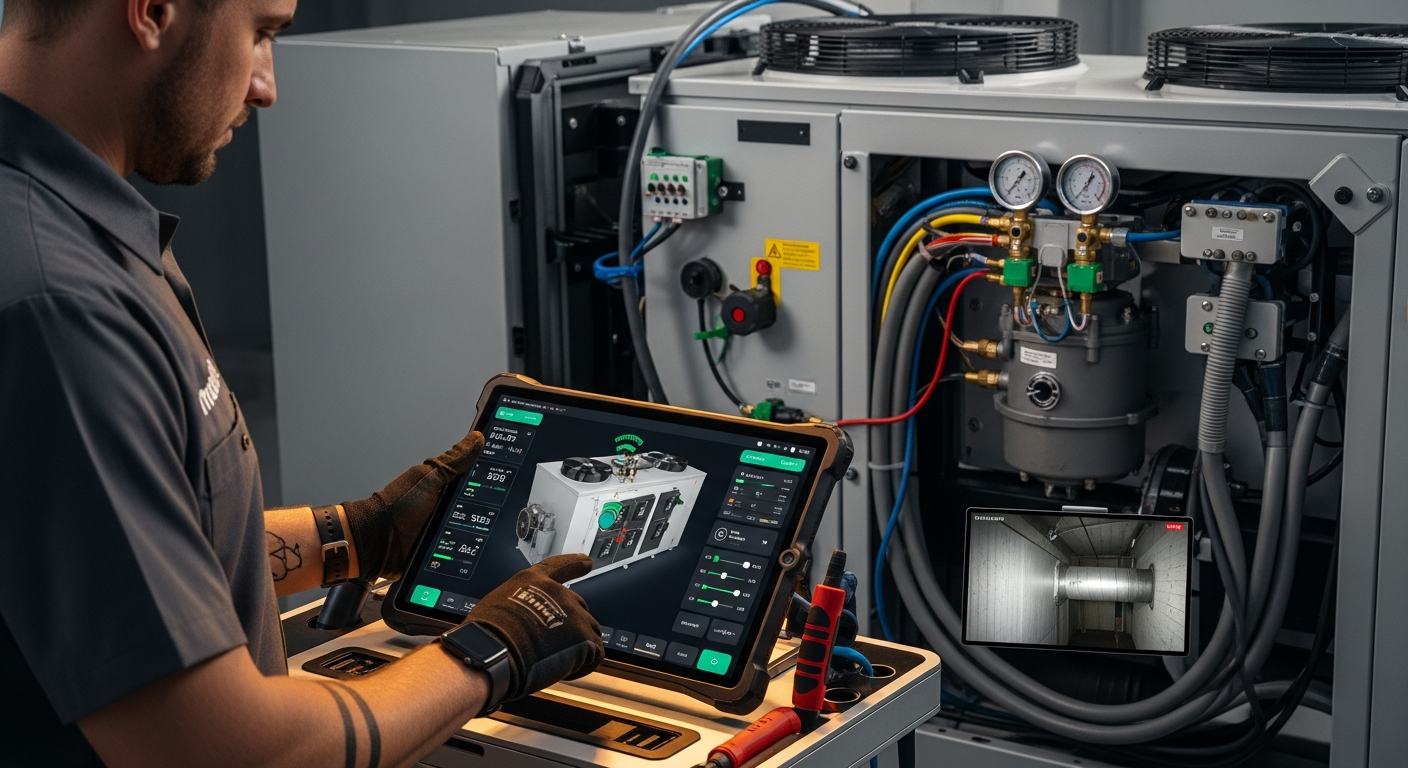
How to Implement a Whole Home Energy Management System
Integrate smart tech and HVAC controls to cut energy waste. This guide shows how to audit, upgrade, and automate your home's energy use, with real savings estimates.

How to Set Up Thermostat Geofencing
Set up thermostat geofencing to automatically adjust home temperature as you come and go. Save energy, extend equipment life, and never return to an uncomfortable house. Get our quick-start guide now.
How to Troubleshoot Smart Thermostat WiFi Issues
Your smart thermostat offline? Most WiFi drops can be fixed with power checks, router adjustments, and simple restarts. Follow our step-by-step guide to regain remote control and energy savings.