HVAC Maintenance Before and After Heavy Rain
Severe weather can damage your HVAC system. Learn how to prepare your unit for heavy rain and what to check once the skies clear to prevent costly repairs.
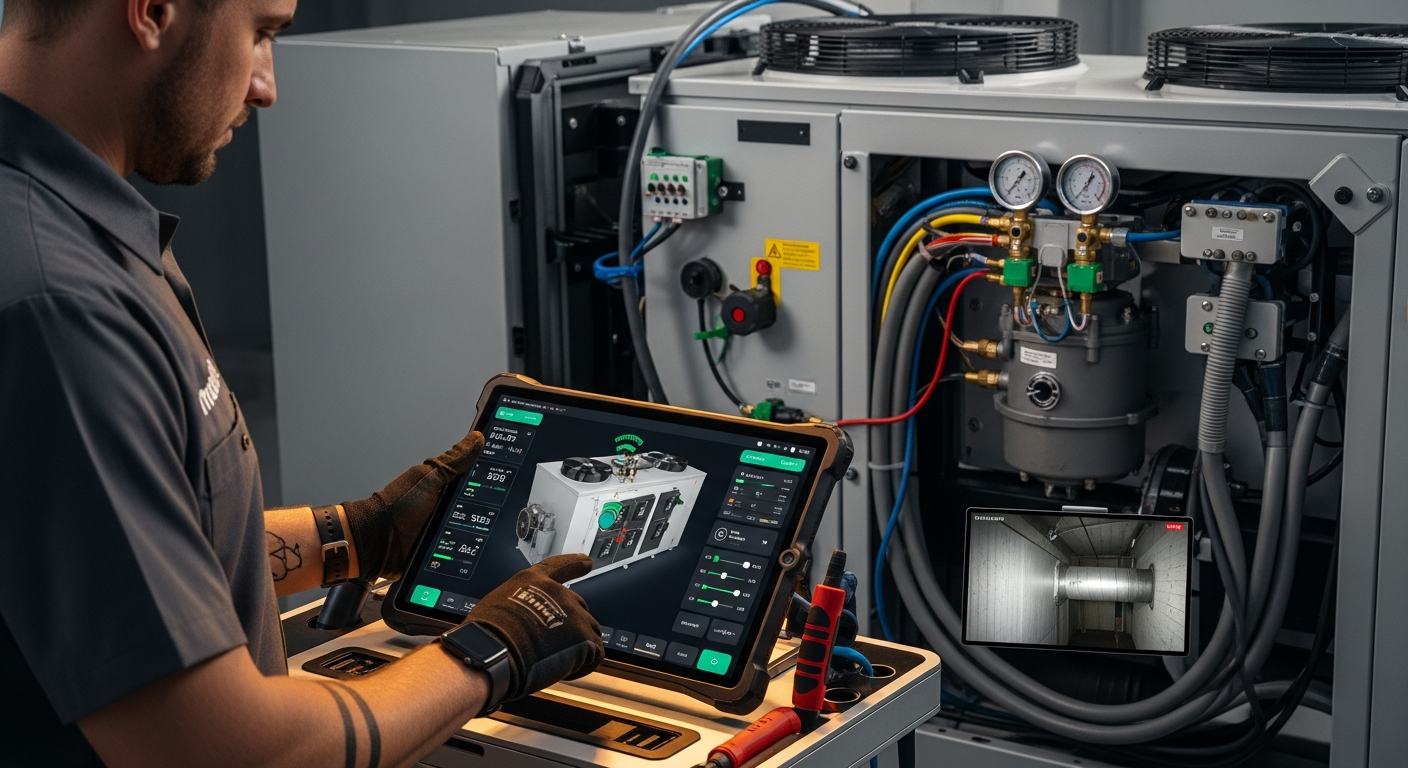
Protecting Your HVAC Investment During Storm Season
Heavy rain and severe storms can pose a significant threat to your home's HVAC system. While these units are designed to withstand outdoor elements, extreme downpours and subsequent flooding require proactive care.
Taking the time to prepare before a storm and inspecting your equipment afterward can save you thousands in repair costs. If you are unsure about your system's health, you can find trusted professionals on HVACDatabase.com to assist with a thorough inspection.
Pre-Storm HVAC Maintenance: How to Prepare
Preparation is the most effective way to prevent electrical failures or mechanical damage when a storm hits. Before the clouds turn grey, follow these essential steps to secure your outdoor condenser.
Clear Debris and Potential Projectiles
High winds often accompany heavy rain. Loose objects like patio furniture, gardening tools, or even heavy branches can become dangerous projectiles that dent fins or smash fan motors.
Ensure there is a clear perimeter of at least two to three feet around your outdoor unit. Trim back overhanging branches that might break under the weight of water or wind.
Check Your Outdoor Unit’s Base
Ensure your HVAC unit sits on a level concrete or composite pad. If the pad has shifted or sunk over time, it may be prone to pooling water which can rust the base of the unit.
Consider a Surge Protector
Lightning strikes and power surges are common during heavy rainstorms. Installing a dedicated HVAC surge protector can prevent your system's sensitive control board from frying during an electrical event.
During the Storm: What Should You Do?
When the rain starts falling hard, the best thing you can do is monitor the situation from inside. If you notice localized flooding reaching the height of your unit, turn the system off at the thermostat and the breaker.
Operating a system that is partially submerged can cause a short circuit or permanent motor failure. For more insights on system protection, check out our tips for understanding HVAC product warranties to see if storm damage is covered.
Post-Storm HVAC Maintenance: A Step-by-Step Guide
Once the rain stops, do not rush to turn your AC back on immediately. A thorough visual inspection is necessary to ensure the unit is safe to operate.
1. Remove Mud and Debris
Heavy rain often splashes mud, grass clippings, and leaves into the delicate fins of your condenser coil. Use a garden hose with low pressure to gently wash away the grime.
Never use a pressure washer, as the high force will bend the aluminum fins and restrict airflow. Maintaining clean coils is as important as a pre-season AC checkup for efficiency.
2. Inspect for Standing Water
If your yard has poor drainage, water may collect around the unit. Ensure all standing water has drained away from the base before restoring power. If the unit was submerged at any point, do not turn it on until a pro from HVACDatabase.com inspects the electrical components.
3. Check the Refrigerant Lines
Look for any signs of damage to the copper lines or the foam insulation surrounding them. Heavy debris or falling branches can sometimes kink these lines, leading to refrigerant leaks and poor cooling performance.
The Importance of Professional Inspections
While homeowners can handle basic cleaning, some tasks require specialized tools. For instance, if you live in a coastal area, you might need specific HVAC tips for coastal homeowners to deal with salt spray combined with rain.
Electrical Safety Checks
Water and electricity are a dangerous combination. A professional technician will check the capacitors, contactors, and wiring for signs of corrosion or moisture intrusion that could lead to a fire hazard.
Ductwork and Internal Moisture
If the heavy rain was accompanied by high humidity, your indoor unit might struggle. Ensure your condensate drain line isn't clogged. You might also want to learn how to adjust duct dampers to ensure proper airflow after a major weather shift.
Maintaining Efficiency Beyond the Rain
Seasonal maintenance shouldn't stop once the sun comes out. Regular upkeep prevents the accumulation of issues that heavy weather can exacerbate. If you are debating between handling this yourself or hiring a pro, read our guide on DIY vs professional seasonal HVAC maintenance.
For those looking toward the colder months, it is also wise to understand how to flush your heating system to ensure total home comfort regardless of the forecast. If you are building a modern home, you might even consider choosing HVAC for a passive house which offers superior protection against external environmental factors.
Conclusion
Heavy rain is a part of life, but it doesn't have to mean the end of your HVAC system. By preparing your yard, checking for damage after the storm, and knowing when to call a professional, you can keep your home comfortable year-round.
When you need a reliable expert to verify your system is safe after a storm, search the directory at HVACDatabase.com to find a licensed contractor in your local area.
Related articles
Connect this page to adjacent guides so readers keep moving deeper into the topic cluster.
How to Create a Year-Round HVAC Maintenance Calendar
Stay ahead of costly repairs by following our comprehensive year-round HVAC maintenance guide designed to keep your home comfortable in every season.

How Weather Affects HVAC Refrigerant Levels
Discover how seasonal temperature shifts influence your AC's refrigerant performance and learn how to spot signs of a leak before weather extremes cause a system failure.

Tips for Maintaining HVAC During Monsoon Season
Monsoon season brings intense humidity and heavy storms. Learn how to protect your HVAC system and maintain indoor air quality with our comprehensive guide.