New Smart Thermostat Features Worth Upgrading For
Modern smart thermostats do much more than set a schedule. Learn about the high-tech features that make upgrading your home’s HVAC control worth it.
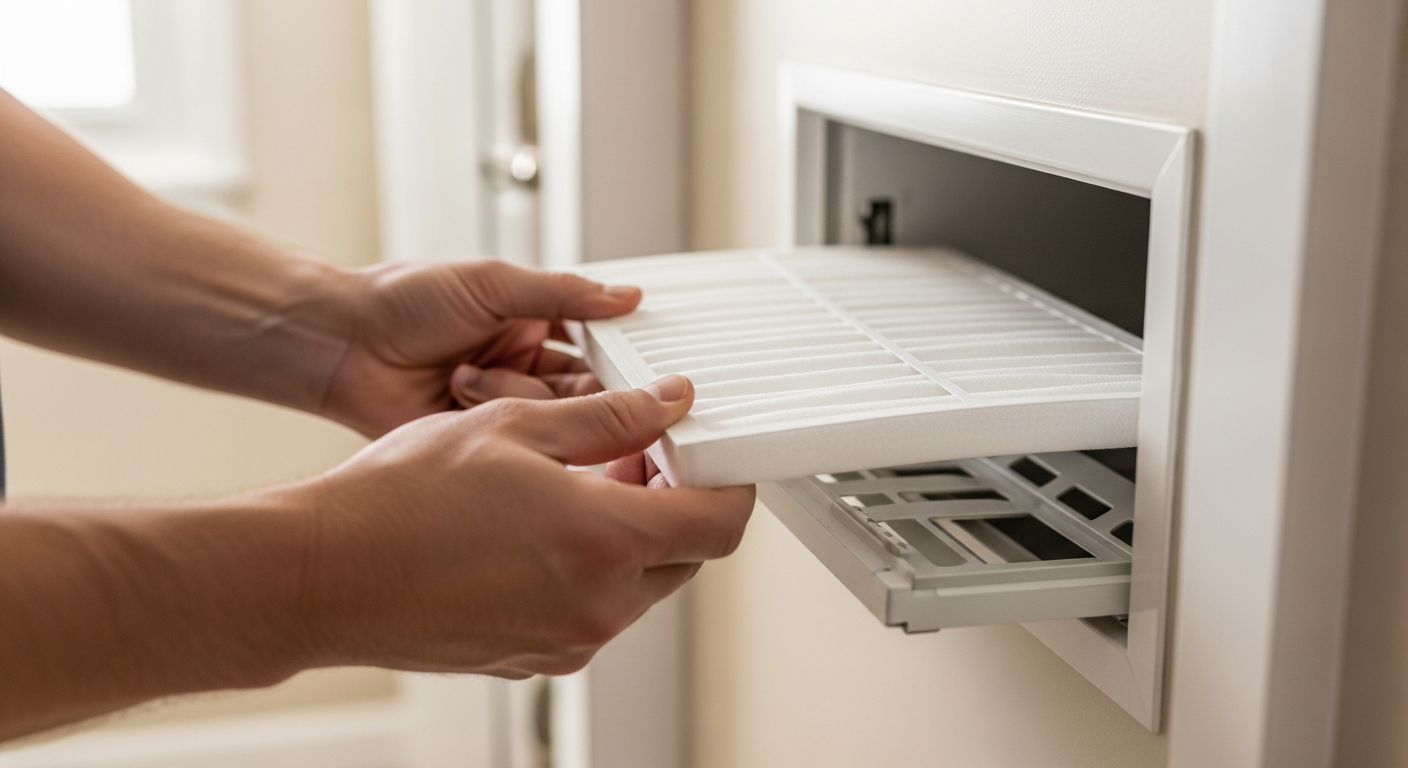
The Evolution of Home Comfort Controls
For years, thermostats were simple boxes on the wall that triggered your furnace or air conditioner based on a manual temperature setting. Today, these devices have evolved into sophisticated energy management hubs.
Upgrading to a modern smart thermostat is one of the most cost-effective ways to improve your home's efficiency. With new sensors and AI-driven logic, these devices pay for themselves through reduced utility costs.
Occupancy Sensing and Geofencing
One of the most valuable upgrades in modern units is the shift from rigid schedules to real-time presence detection. Instead of guessing when you will be home, the device uses motion sensors and your phone's GPS location.
Geofencing allows the system to lower the heat or raise the AC the moment you leave a specific radius around your house. This ensures you never waste energy cooling an empty home while maintaining comfort the moment you pull into the driveway.
Advanced Zoning and Remote Sensors
Traditional thermostats measure temperature in a single hallway, often leaving bedrooms too hot or basements too cold. New smart models solve this with wireless remote sensors.
By placing sensors in high-use rooms, the thermostat can prioritize the temperature where you actually spend your time. This technology is a perfect companion for homeowners considering what is HVAC zoning and do I need it to achieve balanced comfort throughout the house.
Machine Learning and AI Optimization
Modern thermostats no longer require manual programming. Through machine learning, they observe your habits for a week and build a custom schedule automatically.
They also factor in local weather patterns. If the thermostat knows a heatwave is coming, it can pre-cool your home during off-peak hours when electricity is cheaper, especially if you have a system compatible with cold climate heat pumps.
Voice Integration and Smart Home Ecosystems
Hands-free control is no longer a gimmick; it is a core feature for accessibility and convenience. Integrating your HVAC system with a central hub allows you to adjust settings from across the room.
If you are tech-savvy, you can learn how to set up Alexa to control your HVAC for seamless voice commands. This connectivity also allows for automated routines, such as dimming the lights and lowering the temperature simultaneously at bedtime.
Indoor Air Quality Monitoring
The latest generation of smart controls does more than manage temperature; they monitor the air you breathe. Many now include sensors for Humidity, CO2, and Volatile Organic Compounds (VOCs).
- Humidity Control: Prevents mold growth by managing dehumidification cycles.
- Air Filter Alerts: Tracks actual run time to tell you exactly when to change filters.
- System Health Diagnostics: Can detect if your compressor is short-cycling before a total breakdown occurs.
These proactive features are among the top smart thermostat features you should actually use to extend the lifespan of your equipment.
Energy Reporting and Demand Response
Knowledge is power when it comes to your monthly bills. Modern apps provide granular data on exactly how many hours your system ran and how it compares to previous months.
Some utility companies even offer rebates for homeowners who use "Demand Response" features. This allows the thermostat to make tiny, unnoticeable adjustments during peak grid strain to save you money and support the environment.
Compatibility with Modern Refrigerants
As the industry moves toward greener technology, including the shift to low-GWP refrigerants in HVAC, smart thermostats play a role in optimizing these new systems for maximum efficiency.
If you are still running an older unit, it is important to understand how the R-22 refrigerant phase-out affects you and whether a full system upgrade, including a smart control, is the best path forward.
Professional Installation is Key
While some thermostats are advertised as DIY-friendly, many high-end features require a C-wire or specific wiring configurations for multi-stage heating and cooling. For complex setups, homeowners often research the cost to install multiple smart thermostats to ensure the job is done right.
To ensure your new device is calibrated correctly and communicating with your furnace or heat pump, it is best to work with a pro. You can easily find trusted HVAC contractors on HVACDatabase.com who specialize in smart home integration.
Final Thoughts for Homeowners
Upgrading your thermostat is about more than just a touchscreen. It is about total control over your home's environment, lower energy consumption, and peace of mind through system monitoring.
Whether you want to save money on cooling or simply want a more comfortable bedroom at night, modern smart features provide a tangible return on investment. Visit HVACDatabase.com today to connect with a local expert who can help you choose the right model for your specific HVAC system.
Related articles
Connect this page to adjacent guides so readers keep moving deeper into the topic cluster.
WiFi Thermostat vs Z-Wave Thermostat
Choosing between WiFi and Z-Wave thermostats depends on your home automation goals. This guide breaks down the pros and cons to help you decide.
Tips for Using Smart Thermostat Energy Reports
Unlock the power of your smart thermostat's data to reduce monthly energy bills and optimize your home's heating and cooling performance.

How to Use Smart Power Strips to Reduce HVAC Costs
Discover how smart power strips can eliminate phantom energy loads and indirectly lower your HVAC costs by reducing heat generation from unused electronics.