Smart Heating Controls and AI Thermostats
Find out if an AI thermostat is worth the upgrade. This guide covers compatibility, cost ranges, energy savings, and a contractor checklist to help you choose and install with confidence.
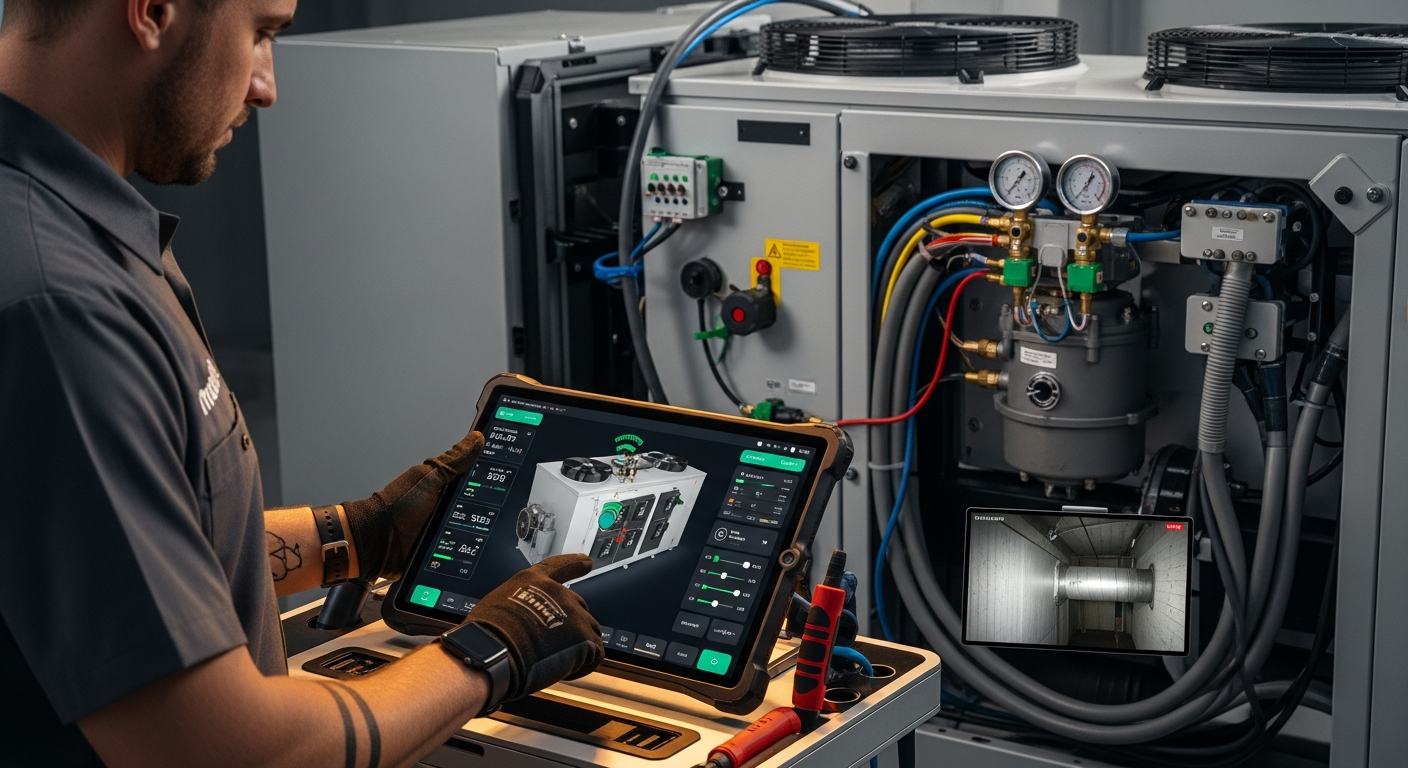
We recommend AI thermostats only for variable-speed systems
For most single-stage furnaces and ACs, a Wi‑Fi smart thermostat delivers 90% of the savings at half the cost. Invest in AI learning only if you have a modulating furnace, multi‑stage heat pump, or zoned system.
What Matters Most
- A smart thermostat can cut heating costs 8–12% and cooling 10–15%, paying back in 2–4 years.
- Always check C‑wire availability before buying; running a new wire adds $150–$300 to install cost.
- Budget $150–$350 for professional install; DIY only if you’re confident with low‑voltage wiring.
- Use the linked rebate finder and cost estimator to lock in the best deal.
Strengths
- AI thermostats self‑optimize for homes with variable heating loads, reducing cold/hot spots.
- Remote access and geofencing can save money even with basic smart models.
- Maintenance alerts can catch failing components early, avoiding emergency repair calls.
Weaknesses
- AI learning requires a compatible HVAC system; single‑stage furnaces see minimal additional benefit.
- Installation costs can be higher in older homes without a C‑wire.
- Privacy‑sensitive users may object to location tracking and data collection used by learning algorithms.
Decision summary
| Scenario | Usually do | Why |
|---|---|---|
| You have a single‑stage furnace or AC | Choose a Wi‑Fi smart thermostat ($100–$200) | Simple schedule, remote control, and geofencing cover most needs. |
| You own a variable‑speed or modulating system | Step up to an AI thermostat ($200–$300) | Proprietary algorithms optimize staging and airflow for comfort and efficiency. |
| Your home lacks a C‑wire | Pick a model with power adapter (e.g., ecobee) or hire pro to run a C‑wire | Reliable power source avoids thermostat dropouts and system short‑cycling. |
| You want maximum rebates and utility partnerships | Look for Energy Star certified AI models from major utilities | Time‑of‑use and demand‑response programs can add 5–10% extra savings. |
| You have a zoned system with multiple dampers | Invest in a thermostat that integrates with your zone control panel | Maintains balanced airflow and avoids damaging your equipment. |
Quick Answer: Which Smart Thermostat Should You Buy?
For most forced‑air furnaces and central AC systems, a Wi‑Fi smart thermostat like the ecobee3 Lite or Nest Thermostat will save 8–12% on heating and 10–15% on cooling—plenty to recoup the $150–$300 installed cost in 2–4 years. If you own a variable‑speed furnace, multi‑stage heat pump, or zoned system, an AI‑learning model such as the ecobee SmartThermostat Premium or Google Nest Learning Thermostat (4th gen) can eke out another 3–5% by optimizing staging and run times. Budget‑conscious owners with a single‑stage setup should stick with a basic Wi‑Fi model; the extra AI features add little. Use our HVAC cost estimator and rebate finder to lock in the lowest price.
Smart vs. AI Thermostat Comparison & Typical Costs
| Thermostat Type | Device Price | Installation Range* | Annual Savings† | Best For |
|---|---|---|---|---|
| Basic Programmable | $25–$50 | $75–$150 | 5–8% | Fixed schedules, minimum budget |
| Smart Wi‑Fi | $100–$200 | $150–$300 | 8–12% | Remote control, geofencing |
| AI‑Driven Learning | $200–$300 | $150–$350 | 10–15% | Variable‑speed or zoned systems |
*Installation assumes existing 24 V wiring with a C‑wire. Running a new C‑wire adds $150–$300.
†Savings based on EPA Energy Star estimates; actual results vary with climate and fuel costs.
Compatibility & C‑Wire Decision Rules
Before you buy, open your existing thermostat and count the wires. A C‑wire (common wire) is often labeled “C” and provides continuous power. If you don’t see one, check the bundle—sometimes it’s tucked in the wall. Use these rules:
- No C‑wire and no spare wire: Choose a model with a power adapter (ecobee comes with one) or hire a pro to run a new wire.
- No C‑wire but a spare conductor: A pro can connect it at the furnace board in about 30 minutes.
- Line‑voltage (120 V or 240 V) thermostat: Found in electric baseboard or some older radiant systems. Requires a specialty smart thermostat or a relay; pro installation is mandatory.
- Heat pump with auxiliary/emergency heat: Verify the thermostat supports at least 2‑stage heat and 1‑stage cool; many AI models do, but double‑check the wire labels (W2, Y2, O/B).
Safety Boundaries: What Homeowners Can (and Cannot) Touch
Safe homeowner checks
- Turn off the HVAC breaker before removing the old thermostat faceplate.
- Inspect wiring for obvious damage or loose connections—photograph the old connections before disconnecting anything.
- Test the new thermostat’s display, Wi‑Fi, and basic heating/cooling calls after mounting.
- Replace the air filter and check that all vents are open—a smart thermostat can’t fix airflow problems.
Pro‑only tasks
- Running new thermostat wire, especially through finished walls.
- Installing a C‑wire adapter inside the furnace cabinet (exposed high‑voltage terminals).
- Working on line‑voltage (120/240 V) thermostats.
- Integrating with zoning panels, multi‑stage heat pumps, or modulating gas valves—incorrect wiring can damage equipment.
- Any task that requires removing the furnace blower door or touching gas connections.
If your system isn’t turning on after a DIY attempt, stop and call a technician. Use our contractor search to find a local pro who has experience with your specific HVAC brand.
Toolbox: Your HVAC Money Tools
Smart thermostats are one piece of the savings puzzle. Run the numbers before you swipe your card:
- HVAC Cost Estimator – See what neighbors in your ZIP code paid for thermostat installs and full system upgrades.
- Quote Checker – Upload a contractor’s quote to flag padded line items.
- Repair or Replace Calculator – If your furnace is over 15 years old, a new high‑efficiency unit paired with an AI thermostat may deliver better ROI.
- Rebate Finder – Utility rebates for Energy Star smart thermostats often range $50–$100; confirm eligibility before buying.
Decision Tree: Should You Upgrade?
Answer these questions to narrow your choice:
- Is your current thermostat programmable? If yes, skip to question 2. If no, even a basic smart model will save 5–8%.
- Do you own a variable‑speed furnace, modulating boiler, or multi‑stage heat pump? If yes, an AI thermostat ($200–$300) is justified. If no, a Wi‑Fi model ($100–$200) is the sweet spot.
- Will the thermostat control a zoned system with motorized dampers? Look for a brand that integrates with your zone panel (e.g., Aprilaire, Honeywell HZ, or ecobee with smart sensors).
- Is your heating system older than 15 years? Plan the thermostat upgrade alongside a furnace replacement—the combined savings will be far higher, and you can ensure full compatibility from day one.
- Do you need humidity control? In coastal or humid climates, pick a model with a dehumidify‑on‑demand feature (ecobee, Nest, and some Honeywell Home models).
Contractor Checklist: 5 Questions Before You Approve the Install
- “Are you licensed, insured, and familiar with my HVAC brand?” Ask for a license number and verify it online.
- “Will you pull a permit if required?” Low‑voltage thermostat work usually doesn’t need a permit, but some municipalities demand one when running new wire.
- “Does your quote include running a C‑wire if I don’t have one?” Get a flat‑rate quote in writing; otherwise, the “surprise” wire run can add $200.
- “Will you configure all staging and settings and test heating, cooling, and fan modes?” Insist on a walk‑through demonstration before they leave.
- “What labor warranty do you offer?” 1‑year is standard; 2+ years signals confidence. Compare multiple bids before choosing.
Local Climate Considerations
- Cold‑climate homes (Zone 6–7): Look for freeze‑protect mode and vacation hold. Models that track outdoor temperature can pre‑heat your home before you wake without wasting energy overnight.
- Hot‑humid climates (Gulf Coast, Southeast): Prioritize dehumidify‑on‑demand or overcool‑to‑dry logic; this prevents the “cold but clammy” feeling and reduces mold risk.
- Older homes (pre‑1960): Often lack a C‑wire or have 2‑wire systems. Factor in an extra $150–$300 for wiring upgrades, and confirm the thermostat supports millivolt systems if you have a gas‑fired wall heater.
- Coastal salt‑air regions: Choose a thermostat with corrosion‑resistant terminals or install an indoor air monitor that alerts you when humidity exceeds 60%.
Methodology
Our recommendations are based on aggregated data from the U.S. Department of Energy, Energy Star field studies, and thousands of contractor quotes submitted through the HVACDatabase Quote Checker. Installed cost ranges represent editorial estimates, not guaranteed prices; they reflect national averages for straightforward replacements. Actual costs vary by region, season, system complexity, and local permit requirements. Always obtain at least three bids and check real‑time rebates using our Rebate Finder.
Frequently Asked Questions
- 1. Will a smart thermostat work without a C‑wire?
- Some models, like the Nest Thermostat (2020), can power‑share from the heating/cooling wires, but this can cause dropouts on colder days when the system runs continuously. The ecobee line includes a Power Extender Kit. If reliability matters, run a C‑wire—it typically adds $150–$300 to the install but eliminates future headaches.
- 2. How much money will I really save?
- Energy Star reports average savings of 8% on heating and 10% on cooling for smart thermostats; AI models can add 2–3% more. In dollar terms, that’s $50–$130 per year for a typical 2,500 sq. ft. home. Use the cost estimator to model your specific furnace and utility rates.
- 3. Can I install it myself?
- If you have a C‑wire and are comfortable with low‑voltage wiring (and always shut off the breaker), a DIY install is feasible. Otherwise, hire a pro—incorrect wiring can blow a fuse on your furnace control board, which costs $80–$200 to repair. See our furnace troubleshooting guide for symptoms of a blown fuse.
- 4. Does it work with boilers or radiators?
- Most modern smart thermostats work with 24 V hot‑water systems and millivolt gas valves, but always check compatibility guides. For older 2‑wire radiator systems that lack a common wire, you may need a power adapter or a model that supports battery operation. If you’re unsure, use our contractor search to find a hydronic heating specialist.
- 5. How do I claim a rebate?
- Search our Rebate Finder by ZIP code before purchasing. Most utilities require the thermostat model to be on their approved list (often Energy Star certified). After installation, you typically upload a receipt and a photo of the installed unit. Payouts of $50–$100 arrive within 4–8 weeks.
Related articles
Connect this page to adjacent guides so readers keep moving deeper into the topic cluster.
How Utility Demand Response Programs Use Smart Thermostats
Enrolling your smart thermostat in a demand response program can earn you up to $150/year while keeping you comfortable. Learn if it's right for your home and how to maximize benefits.
Heating Industry Trends to Watch
Smart thermostats and heat pumps headline heating industry changes. But which trends deliver real savings? Use our decision guide, cost ranges, and contractor checklist to plan your upgrade.

How Gas Bans Are Affecting Heating Choices
Gas bans in new construction and retrofit codes are pushing homeowners toward electric heat pumps. Understand your options, costs, and available incentives before you replace your furnace.