Tips for Handling an HVAC Electrical Fire
An HVAC electrical fire requires immediate action. Learn how to identify the warning signs and the critical steps to take to keep your home and family safe.
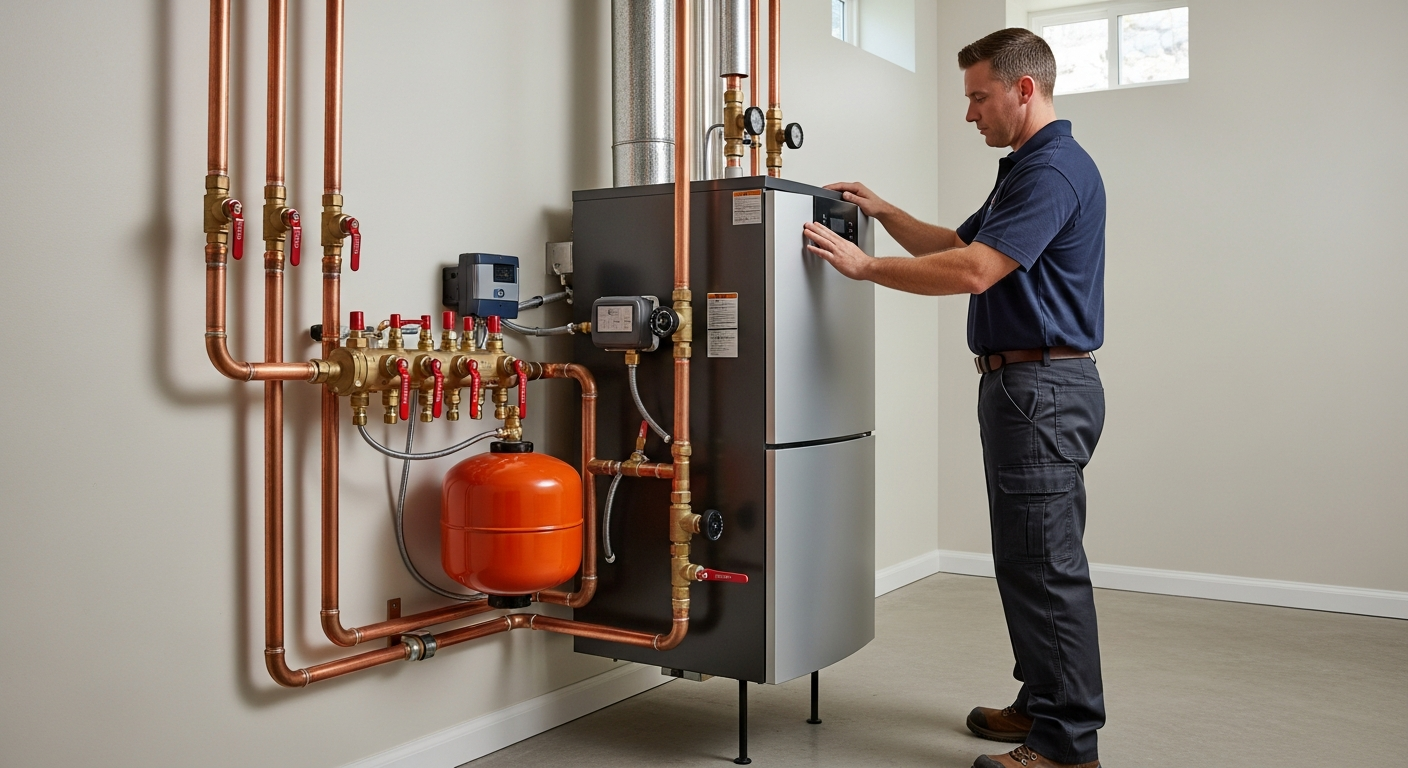
Immediate Steps to Take During an HVAC Electrical Fire
Discovering smoke or sparks coming from your heating and cooling system is a terrifying experience. Your first priority must always be safety. If you see active flames or smell a pungent, burning plastic odor, evacuate your home immediately.
Before you leave, if it is safe to do so, turn off the power at the main electrical breaker. This cuts the fuel source for an electrical fire. Do not attempt to splash water on an electrical fire, as this can lead to electrocution.
Call Emergency Services First
Never try to be a hero when dealing with electrical equipment. Once everyone is safely outside, call 911 or your local fire department. Even if the smoke seems to have stopped, heat can linger within the walls or the unit itself, potentially reigniting later.
Warning Signs of HVAC Electrical Issues
Most HVAC fires don't happen without warning. Being proactive can prevent a disaster before it starts. Watch for these common red flags in your system:
- Frequent Breaker Trips: If your AC keeps tripping the circuit, your system is drawing too much current.
- Burning Smells: An ozone or ‘fishy’ smell often indicates melting wire insulation.
- Flickering Lights: If your lights dim when the compressor kicks on, your wiring may be overloaded.
- Buzzing Sounds: Arcing electricity often creates a distinct humming or crackling noise.
If you notice these signs, it is time to consult a professional. You can find licensed experts through the HVACDatabase.com directory to inspect your system before a fire occurs.
Understanding Why HVAC Systems Catch Fire
HVAC units are complex machines that require significant voltage. Over time, components wear out, leading to dangerous conditions. Common culprits include loose electrical connections, failed capacitors, or seized motors that overheat.
In some cases, external factors play a role. For example, rodents may chew through wire insulation in your attic or crawlspace. Following a severe weather event, you should always check the cost to repair HVAC after storm damage to ensure no electrical components were compromised by water or debris.
What to Do After the Fire is Out
Once the fire department has cleared the scene, do not attempt to turn the power back on. An HVAC system that has experienced an electrical fire is no longer safe to operate. You must have the system thoroughly inspected by a certified technician.
The internal wiring, control boards, and motors will likely need replacement. In some cases, smoke damage can permeate the ductwork, requiring professional cleaning to ensure your air quality isn't compromised. This is especially important for allergy sufferers who may react to soot particles.
Insurance and Documentation
Take photos of the damage for your insurance claim. Keep records of your maintenance history to show the unit was well-cared for. Insurance companies are more likely to cover repairs if they see the fire wasn't caused by gross negligence.
Prevention: The Best Defense
Regular maintenance is the most effective way to prevent electrical fires. During a seasonal tune-up, a technician will tighten electrical terminals and check the amp draw of your motors. This identifies ‘hot spots’ before they ignite.
If your system has entered a safety shutdown, don't try to bypass it. Understanding HVAC lockout mode can help you realize that the system is trying to protect itself from a catastrophic failure.
Home Layout Considerations
The structure of your home can also impact how you monitor your system. For instance, there are specific tips for HVAC in a home with a tin ceiling that might affect how heat and sound travel, potentially masking or echoing early warning signs of electrical distress.
Finding a Trusted Professional
Dealing with fire damage requires an expert touch. You need a contractor who understands the intricacies of high-voltage systems and local building codes. Homeowners nationwide rely on HVACDatabase.com to find pre-vetted, reliable contractors who specialize in emergency repairs and system replacements.
If you are in a specific region, such as the Midwest, looking for HVAC tips for Minneapolis homeowners can provide localized advice on how extreme temperatures stress electrical components. Regardless of where you live, never delay a safety inspection if you suspect an electrical fault.
Summary of Emergency Actions
- Evacuate all occupants and pets immediately.
- Turn off the power at the main breaker if safe.
- Call 911 from a safe distance.
- Do not use water on the unit.
- Contact a professional from HVACDatabase.com for a full safety assessment.
While an HVAC fire is a worst-case scenario, being prepared and knowing who to call can prevent a bad situation from becoming a total loss. Whether you are dealing with a routine AC breakdown in a heat wave or a serious electrical emergency, professional help is just a click away.
Related articles
Connect this page to adjacent guides so readers keep moving deeper into the topic cluster.
Why Background Checks Matter for HVAC Contractors
Inviting a stranger into your home for HVAC repairs requires trust. Discover why background checks are essential for homeowner safety and service quality.
Tips for Reviewing HVAC Contractor Portfolios
Discover how to analyze HVAC contractor portfolios, verify technical expertise, and choose the right professional for your next installation or repair project.
Tips for HVAC Emergencies in Homes With Medical Equipment
When medical equipment relies on temperature or air quality, an HVAC failure is more than a nuisance. Learn how to handle emergencies and keep patients safe.