Tips for HVAC Emergencies in Homes With Medical Equipment
When medical equipment relies on temperature or air quality, an HVAC failure is more than a nuisance. Learn how to handle emergencies and keep patients safe.

Safety First in HVAC Emergencies
For most homeowners, a broken furnace or air conditioner is an inconvenience. However, for households that include individuals relying on medical equipment, an HVAC failure can become a life-threatening crisis in a matter of hours.
Whether it is a ventilator that requires temperature-controlled air or medication that must stay refrigerated, your heating and cooling system is a critical component of healthcare. Being prepared can make the difference between a stressful afternoon and an emergency room visit.
Identify Your High-Risk Needs
Start by listing every piece of medical equipment in your home. Consider how each one reacts to extreme heat, cold, or humidity. Some machines generate significant heat and require active cooling to prevent mechanical failure.
Additionally, patients with respiratory issues may be highly sensitive to air contaminants. Learning how to reduce dust mites and other allergens is important, but during a system failure, the lack of filtration becomes a primary concern.
Create a Power and Climate Backup Plan
If your HVAC system fails due to an electrical issue, your medical devices might also be at risk. It is common for homeowners to wonder why your HVAC system trips the GFCI, but if that same circuit powers medical gear, you need immediate solutions.
- Battery Backups: Ensure all critical medical devices have internal or external battery backups that provide at least 4 to 8 hours of run time.
- Portable Units: Keep a portable heater (electric only, never gas for indoor use) and a portable AC unit on hand. These can keep a single room at a safe temperature while you wait for repairs.
- Generator Readiness: If you use a generator, ensure it is rated to handle the surge load of a portable cooling unit and your medical machines simultaneously.
Monitor for Early Warning Signs
Prevention is the best defense. Many emergency calls could have been avoided by catching small problems early. You should know how to spot electrical issues in your HVAC before they lead to a total shutdown.
Listen for unusual grinding sounds, frequent cycling, or the smell of burning plastic. These are indicators that the system is straining and may fail when you need it most. If you notice these signs, visit HVACDatabase.com to find a local professional who can perform a safety inspection.
What to Do When the System Fails
If the air stops moving, stay calm and follow these immediate steps:
- Check the Thermostat: Ensure the batteries are fresh and the settings haven't been accidentally changed.
- Inspect the Breaker: A simple tripped breaker might be the culprit. If it trips again immediately, do not reset it; call a pro.
- Verify Airflow: If it is winter, you should know what to do when your furnace stops working to prevent pipes from freezing and to keep the patient warm.
- Check for Ice: In summer, a lack of cooling is often caused by frozen coils. Understand what causes HVAC systems to freeze up so you can describe the symptoms to a technician.
The Importance of Air Quality and Safety
In homes with medical needs, safety sensors are non-negotiable. If your HVAC system is malfunctioning, there is a higher risk of carbon monoxide leaks or electrical fires. Consult a carbon monoxide detector installation cost guide to ensure your home is fully protected with sensors on every floor.
Building a Priority Support Network
You should not be searching for a phone number in the middle of a heatwave. Build a relationship with a trusted HVAC company before an emergency happens. Many companies offer priority service contracts for customers with documented medical needs.
When selecting a contractor, security is paramount. This is why background checks matter for HVAC contractors, as these individuals will have access to your home and sensitive medical environment. HVACDatabase.com makes it easy to find reputable, vetted professionals in your area who understand the urgency of medical-priority calls.
Final Preparations
Keep a physical list of emergency contacts, including your HVAC provider, your medical equipment supplier, and your utility company's priority line. Most utility companies have a "Life Support Equipment" registry that prevents your power from being shut off for non-payment and prioritizes your street during outages.
By combining a reliable HVAC system with a robust backup plan, you can ensure that your home remains a safe haven for those who need it most. Regular maintenance is the key to avoiding the stress of a climate-related medical emergency.
Related articles
Connect this page to adjacent guides so readers keep moving deeper into the topic cluster.
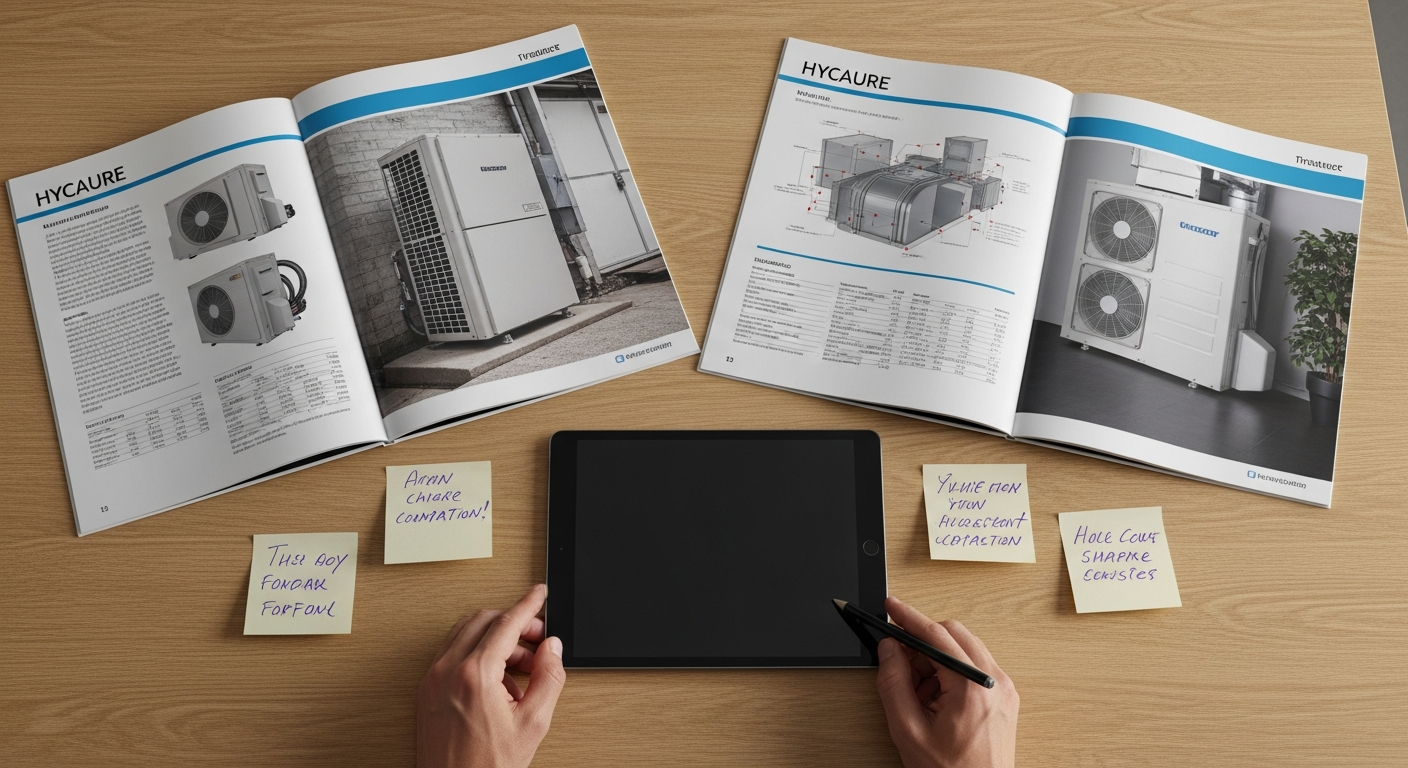
Why Background Checks Matter for HVAC Contractors
Inviting a stranger into your home for HVAC repairs requires trust. Discover why background checks are essential for homeowner safety and service quality.
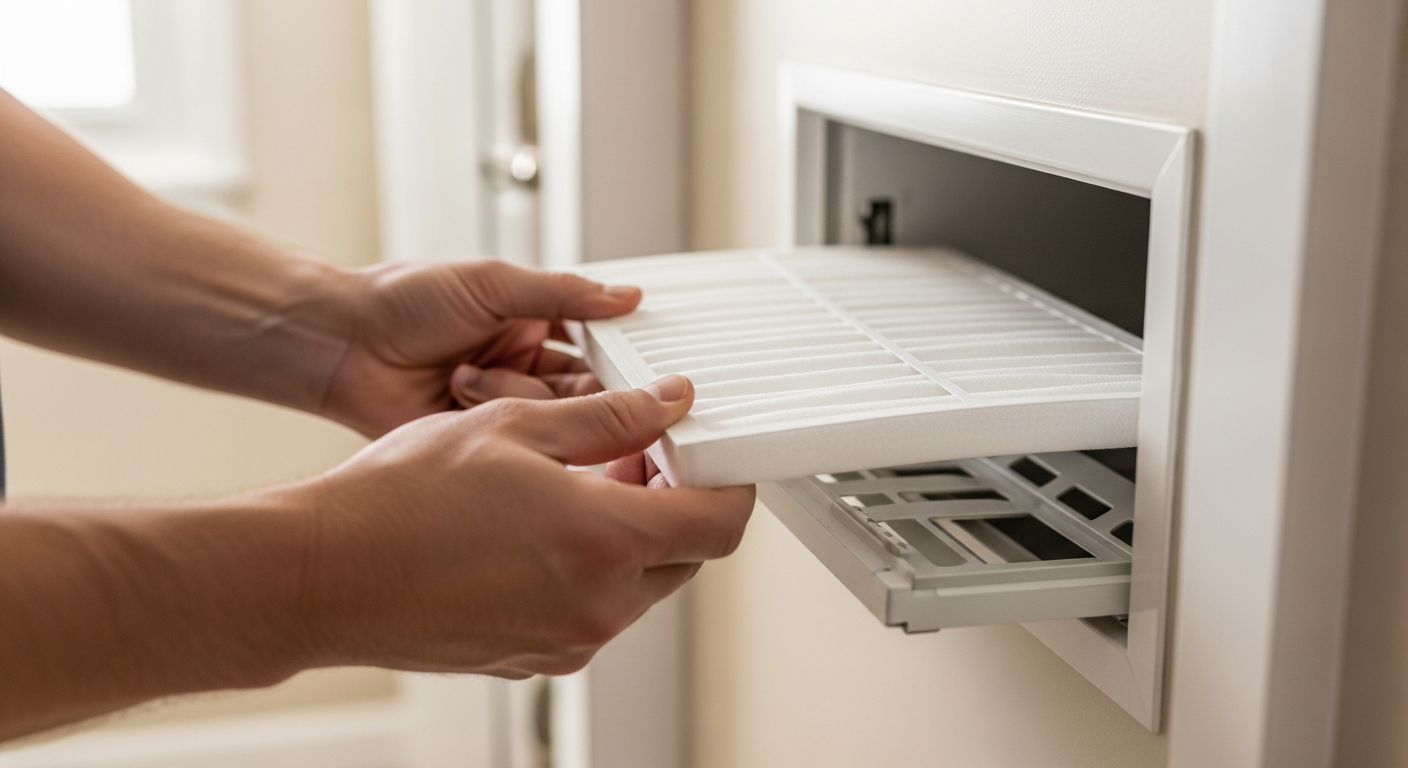
Tips for Reviewing HVAC Contractor Portfolios
Discover how to analyze HVAC contractor portfolios, verify technical expertise, and choose the right professional for your next installation or repair project.
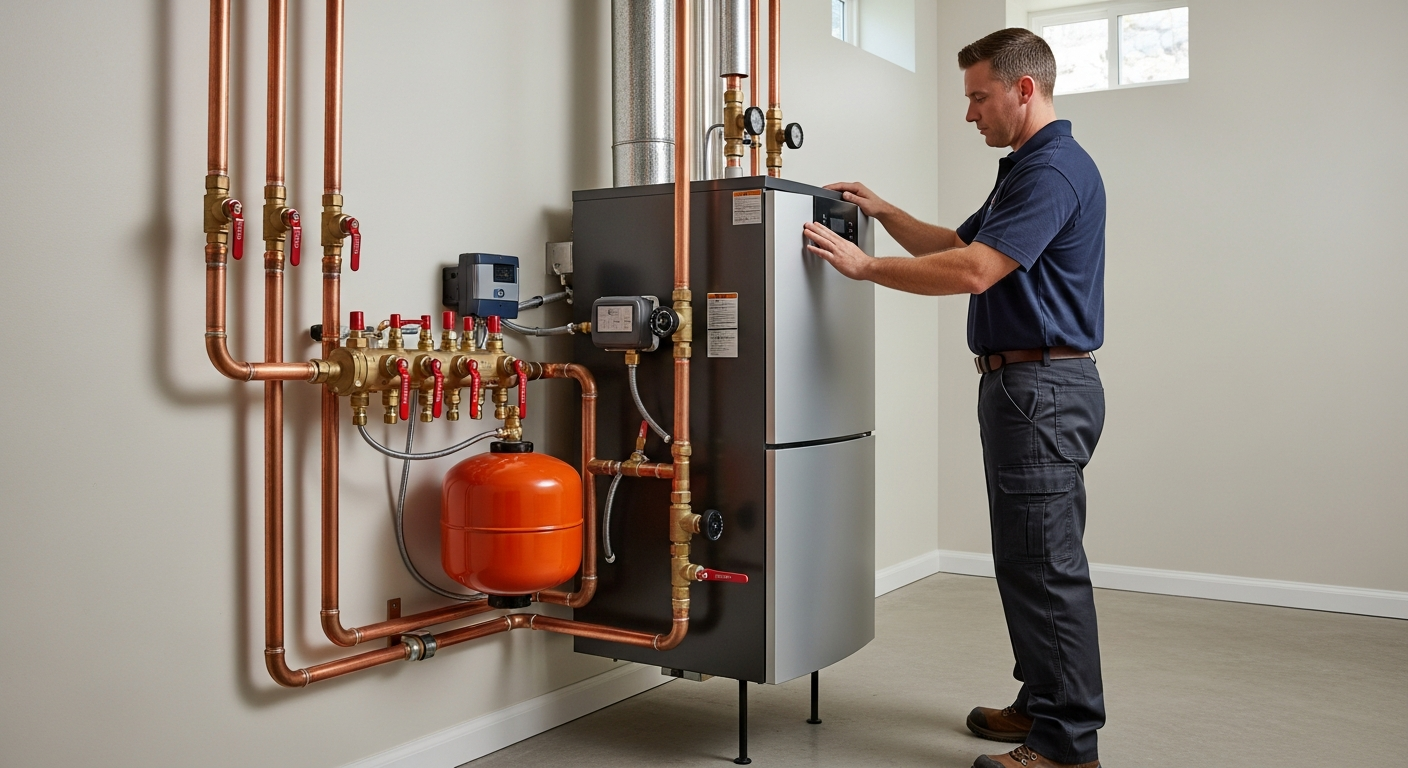
Tips for Handling an HVAC Electrical Fire
An HVAC electrical fire requires immediate action. Learn how to identify the warning signs and the critical steps to take to keep your home and family safe.