Tips for Heating Multiple Zones Efficiently
Maximize comfort and cut energy bills with smart multi-zone heating. Learn tips on thermostat scheduling, duct insulation, and when to upgrade. Use our tools to estimate costs and find trusted pros.
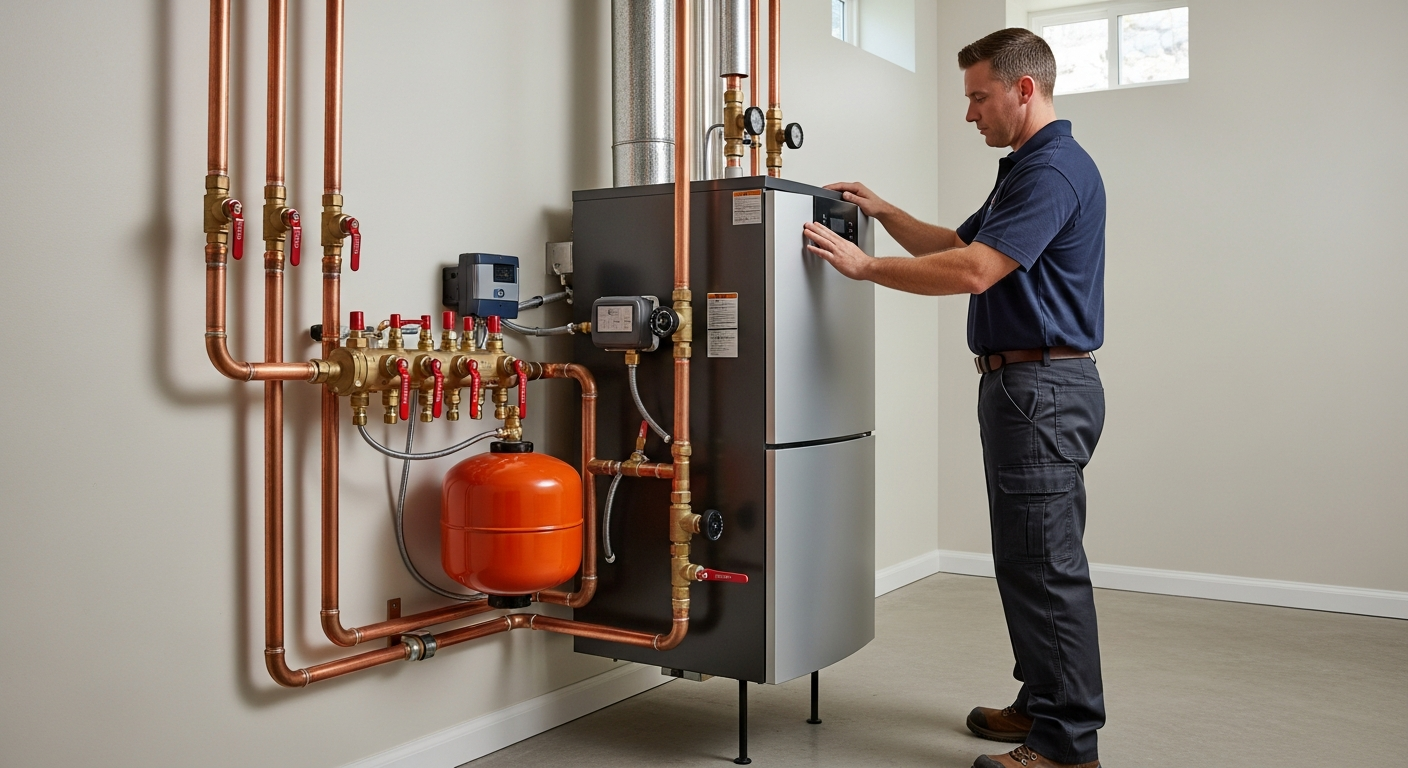
Professional Whole-Home Zoning Delivers the Best ROI
While partial fixes like closing registers cause damage and inefficiency, a properly designed multi-zone system with motorized dampers and smart thermostats reduces energy bills by 20–30% and eliminates hot/cold spots. Retrofitting is cost-effective in larger or multi-story homes when combined with HVAC replacement.
What Matters Most
- True zoning requires professional installation with a Manual J load calculation and a bypass damper or modulating equipment to handle excess air.
- Never close more than 20% of registers manually—it raises static pressure and can destroy the heat exchanger or compressor.
- Pair each zone with a smart thermostat to automate schedules and geofencing for maximum savings.
- Insulate and seal ductwork before zoning; otherwise, zoned air leaks negate efficiency gains.
- Zoning is most beneficial for homes over 2,000 sq ft, multi-level homes, or homes with large windows and sun exposure.
Strengths
- Reduces energy consumption by up to 30% by heating only occupied areas
- Eliminates temperature battles between family members
- Increases HVAC lifespan by reducing short cycling and runtime on mild days
- Allows simultaneous heating and cooling if using a heat pump with variable capacity
Weaknesses
- Retrofit costs $2,500–$6,000 depending on ductwork complexity and number of zones (editorial estimate)
- Poorly designed systems can cause equipment overheating and noisy dampers
- Requires compatible equipment (variable-speed blower recommended)
- Improper installation by unqualified contractors can void warranties
Zoning Strategies Compared
| Scenario | Usually do | Why |
|---|---|---|
| Manually closing supply registers to redirect heat | Avoid—especially with single-speed equipment | Increases static pressure, leading to frozen coils, cracked heat exchangers, and blower motor burnout. Only safe when closing a very small percentage. |
| Installing smart thermostats on existing single-zone system | Do it—for better scheduling, but not true zoning | Adds remote control and learning algorithms, but can’t control individual rooms. Still reduces energy use by 10–15%. |
| Retrofitting motorized dampers and zoning panel in existing ductwork | Consider if home has uneven loads and you plan to stay 5+ years | Professional retrofit typically costs $3,000–$5,000. Requires a bypass damper or modulating equipment. Yields 20–30% heating savings. |
| Full HVAC replacement with integrated zoning design | Strongly recommended for new installs in multi-level homes | Maximizes efficiency; often adds $1,500–$3,000 to total system cost. Ensures proper airflow and warranty coverage when designed by a NATE-certified pro. |
Heating a large home without zones often means sweltering bedrooms and chilly basements—and a utility bill that stings. Multi-zone heating allows you to direct warmth only where it’s needed, cutting energy use by 20–30%. But efficiency hinges on correct design and smart habits. This guide skips the fluff: you’ll get specific cost ranges, a DIY safety checklist, professional vetting questions, and direct links to tools that help you decide if zoning is worth it for your home.
Quick Answer
For optimal multi-zone heating efficiency, invest in a professionally designed zoning system with motorized dampers and smart thermostats. Insulate ducts, keep zone doors closed, and schedule temperatures to match room usage. Never close more than 20% of supply registers manually—it can damage equipment. Use our tools below to estimate costs and find qualified contractors.
How Zoning Works
A zoned system uses dampers inside ductwork to control airflow to separate areas, each with its own thermostat. When a zone calls for heat, the damper opens while others close, sending conditioned air only where needed. This prevents overheating empty guest rooms and allows customized comfort schedules. Proper design involves calculating air pressure, duct capacity, and equipment staging to avoid strain on your furnace or heat pump.
Common Pitfalls vs. Efficient Fixes
| Issue | Common Mistake | Efficient Fix | Estimated Impact |
|---|---|---|---|
| Uneven heating | Closing registers to balance | Install a zoning system with dampers | Up to 30% energy savings, longer equipment life |
| High bills | Running one thermostat hot to reach far rooms | Smart thermostats per zone with schedules | 10–20% reduction in heating costs |
| Dusty/dry air | Ignoring duct leaks | Seal and insulate ducts before zoning | Improves air delivery efficiency by 20–40% |
| Noise from dampers | Incorrect bypass or static pressure settings | Hire a pro to adjust bypass damper and check static pressure | Quieter operation, prevents motor burnout |
| Wasting energy in unused rooms | Keeping all rooms heated 24/7 | Close doors to isolate zones; set unoccupied rooms to 55°F in winter | 5–10% additional savings |
Safety Boundaries: What Homeowners Can (and Shouldn’t) Touch
Multi-zone systems involve interconnected electrical, mechanical, and airflow components. To stay safe and protect your equipment, follow these boundaries:
- You can: Replace thermostat batteries, program schedules, replace disposable air filters, visually inspect duct insulation, check for closed/open registers, and listen for unusual damper noises.
- Leave to a pro: Installing or adjusting zone dampers and bypass components; wiring zoning panels, thermostats, or sensors; modifying ductwork; testing or adjusting refrigerant charge (for heat pumps); and any work involving gas valves, burners, or high-voltage electrical connections.
If a damper motor fails or you suspect wiring issues, shut down the system at the breaker and call a licensed HVAC contractor. Bypassing safety switches or forcing dampers open can lead to overheating and system failure.
Decision Rules: Is Zoning Right for You?
Use these thresholds to decide if investing in a zoning system makes sense:
- Square footage: Homes over 2,000 sq ft or with more than one story nearly always benefit from zoning.
- Persistent temperature differentials: If any two rooms differ by more than 5°F regularly, zoning can correct the imbalance.
- Unused spaces: If you have guest rooms, basements, or formal dining rooms that are heated but rarely occupied, zone them separately and set back temperatures.
- Upcoming HVAC replacement: If you’re replacing your furnace or air handler, adding zoning now reduces labor overlap and ensures full compatibility.
- Home orientation & windows: Rooms with large south-facing windows may overheat on sunny winter days; a zone solar sensor can call for less heat there.
If your home meets 2 or more of these criteria, get a professional assessment and a quote. You can Find a qualified HVAC contractor near you to run a Manual J load calculation.
Contractor Checklist: Questions to Ask Before You Pay
Zoning system installation is a design-heavy job. Vet your contractor with these questions:
- “Will you perform a Manual J load calculation for the whole house and each zone?” (The answer must be yes.)
- “Do you recommend a bypass damper or a modulating/variable-speed blower for my equipment?”
- “How will you handle air balance and static pressure? Can you show me the numbers after installation?”
- “Are the dampers you use powered-open/powered-close, and how do they fail?” (Fail-open dampers can lead to overheating, fail-closed can freeze pipes. Discuss pros and cons.)
- “Will the zoning control board work with my existing thermostat wiring, and do I need new thermostat wire runs?”
- “Is the zoning panel compatible with my furnace’s staging logic? Can it control a heat pump’s reversing valve correctly?”
- “What does your labor warranty cover, and how many years?” (At least 1 year is standard; 2+ is better.)
- “Can you provide references from similar homes?”
Also ask about available rebates. Use our Rebate Finder to check local utility incentives for zoning, smart thermostats, or duct sealing.
Local Climate Considerations
Heating zones must account for local weather extremes:
- Cold climates (Midwest, Northeast): Ensure that zones with plumbing (kitchen, bath) never drop below 55°F to prevent pipe freezing. Consider a zone freeze protection feature that automatically calls for heat.
- Humid coastal areas (Southeast, Gulf): Oversized equipment can short-cycle and fail to dehumidify. When zoning, focus on variable-speed heat pumps that maintain longer, lower cycles. Also, check salt air corrosion risks for outdoor dampers or sensors—opt for coated components.
- Hot, dry climates (Southwest): In shoulder seasons, zoning can let you cool only certain rooms during the day while sleeping areas stay off. But ensure the outdoor unit’s minimum airflow requirements are still met even with one small zone calling.
- Older homes: Retrofitting zoning into existing ducts may require sealing, insulation, and possibly duct resizing. Always measure static pressure after installation to avoid blower motor burnout.
Use Our Tools to Plan Your Upgrade
HVACDatabase provides free calculators to help you make data-driven decisions:
- HVAC Cost Estimator: Get a personalized estimate for zoning retrofit or new system with zones, based on your location and home size.
- BTU Calculator: Determine proper sizing so zones don’t get oversized or undersized equipment.
- Repair or Replace Calculator: If your furnace is aging, see if adding zoning makes sense vs. a full system upgrade.
- Quote Checker: Upload your contractor’s proposal to spot missing details or overcharges.
We also recommend exploring related maintenance guides: Furnace Won’t Heat? and Short Cycling Furnace Fix.
Methodology: How We Form Our Recommendations
HVACDatabase editors analyze thousands of contractor-submitted project costs, Department of Energy efficiency data, and manufacturer equipment specs. Cost ranges reflect editorial estimates for common scenarios as of 2025, but actual prices vary by region, season, equipment brand, and labor complexity. We do not guarantee specific savings; these are projections based on typical system efficiencies. Always get 3+ quotes and verify contractor certifications.
FAQs About Multi-Zone Heating Efficiency
Will zoning actually lower my energy bill?
Yes, a properly designed system reduces energy use by 20–30% on average, according to DOE studies. Savings are highest when you regularly set back temperatures in unoccupied zones. However, closing too many registers without proper zoning dampers can increase bills and damage equipment.
Can I add zoning to my existing furnace?
In many cases, yes, if your ductwork is accessible and your blower can handle a bypass damper or you install a modulating motor. Retrofitting typically costs $2,500–$6,000 (editorial estimate). We recommend a professional static pressure test before proceeding.
Do I need a separate thermostat for each zone?
Yes, true zoning requires a thermostat in each zone to call for heat independently. You can use wireless or wired smart thermostats. Some zoning panels support remote sensors instead of full thermostats, but full control is best.
Is it safe to turn off heat completely in an unused zone?
In freezing weather, do not turn heat off completely. Set the zone to at least 55°F to prevent pipe freezing and avoid mold in humid areas. Some zoning panels have a minimum temperature safeguard.
How often should I maintain a zoning system?
Check dampers visually every 6 months, replace HVAC filters quarterly, and have a pro inspect ductwork, static pressure, and damper operation annually. Annual maintenance visits typically cost $80–$250, which helps avoid costly damper motor replacements.
For more personalized guidance, search for a trusted HVAC contractor in your area or compare local pros side by side.
Related articles
Connect this page to adjacent guides so readers keep moving deeper into the topic cluster.

Tips for Choosing a Smart Thermostat for a Heat Pump
Learn which smart thermostat features prevent expensive auxiliary heat mistakes, how to verify compatibility, and when to call a pro.
Understanding C Wire Adapters for Smart Thermostats
Missing the C wire for your smart thermostat? C wire adapters solve power issues without pulling new wiring. Compare types, costs, and installation options.

Best Smart Thermostats for Multi Zone Homes
Discover which smart thermostats deliver accurate zoning, remote sensors, and energy savings for homes with multiple HVAC zones. Our guide helps you pick the right model and avoid costly compatibility mistakes.