Tips for HVAC Emergency Preparedness in Storm Zones
Protect your HVAC before, during, and after severe weather. Get actionable checklists, safety boundaries, and cost ranges to avoid post-storm surprises.
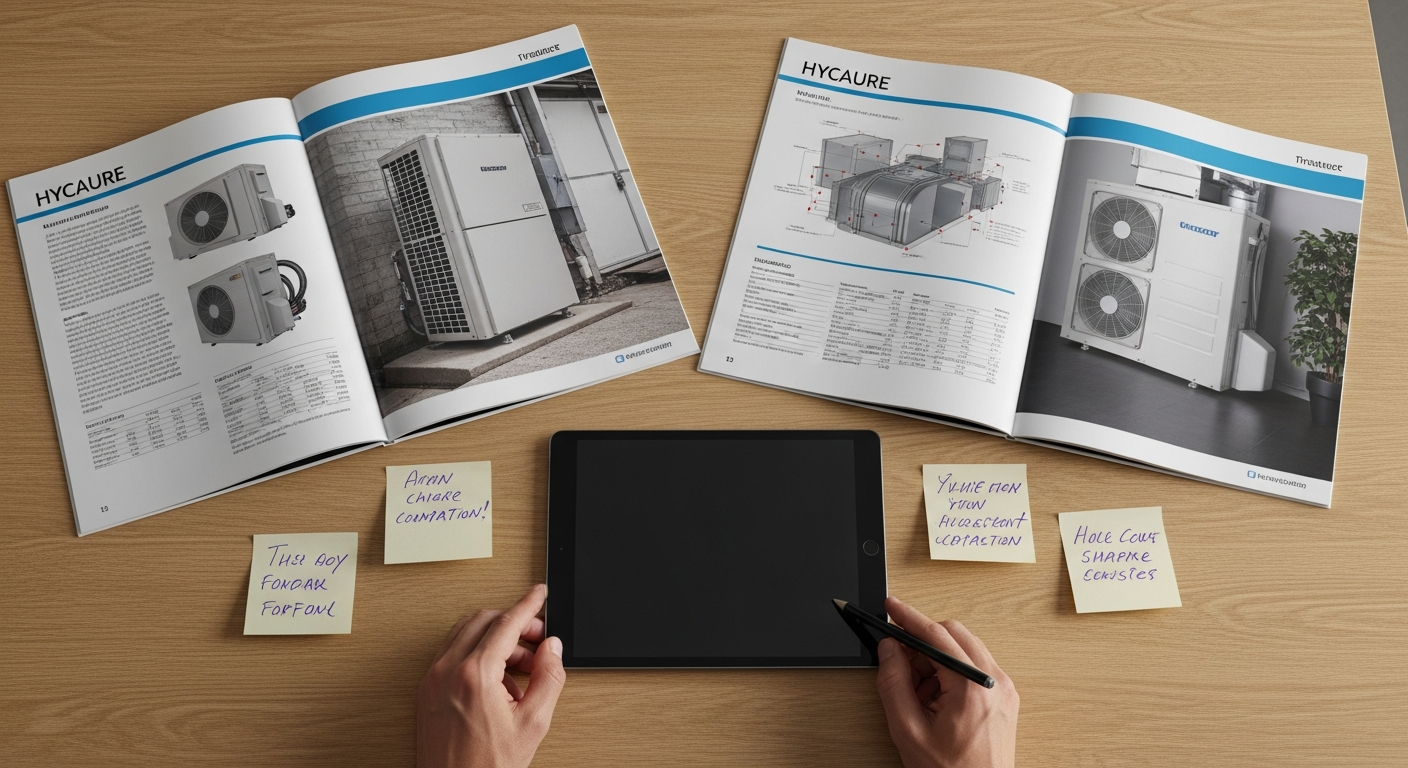
Proactive preparation beats reactive repairs
Invest in pre-storm anchoring, surge protection, and a transfer switch before the season. After the storm, a careful visual inspection and a few days of waiting can save thousands in misdiagnosed issues.
What Matters Most
- Secure outdoor unit with hurricane straps and elevate if flood-prone
- Install a dedicated HVAC surge protector—it’s a $75–$300 part that saves $500+ control boards
- Never backfeed a generator; use a transfer switch installed by an electrician
- After a storm, don’t rush to restart; check for water, debris, and bent fins first
- Know which repairs are DIY‑safe and which require a licensed technician
Strengths
- Clear pre‑ and post‑storm checklists reduce guesswork
- Cost ranges help you budget and spot inflated quotes
- Safety boundaries prevent dangerous DIY attempts
- Tools link directly to calculators for repair vs. replace decisions
- Local context ensures relevance for coastal, cold, or older homes
Weaknesses
- Audience must still assess their specific equipment and local codes
- Costs are national averages; coastal and remote areas may see higher rates
- No substitute for a professional diagnosis when damage is suspected
- Generator sizing requires precise electrical load calculations beyond basic BTU estimates
Decision summary
| Scenario | Usually do | Why |
|---|---|---|
| Hissing sound or oil near outdoor unit | Call emergency HVAC pro | Possible refrigerant leak; requires EPA‑certified tech |
| Unit submerged in floodwater | Do not restart; call emergency pro | Electrical components likely damaged; shock and short risk |
| Bent fins, slight dent but unit runs | Visual inspection, then schedule routine check | Minor cosmetic damage usually safe, but coil integrity should be confirmed |
| Breaker trips repeatedly on restart | Call emergency or next‑day service | Short circuit or overload; continued attempts cause more damage |
| Generator available, power out | Run HVAC only with properly sized generator and transfer switch | Undersized genset or backfeeding destroys electronics |
Quick Answer: Your HVAC Storm Plan
Secure outdoor units and shut down systems when storms threaten. After the event, visually inspect for damage before restarting. Use a transfer-switch for generator power—never backfeed. The right prep now prevents a $500–$4,000 emergency repair later.
Safety Boundaries: What You Can (and Cannot) Touch
Safe Homeowner Checks
- Visual inspection for debris, ice, or bent fins
- Clearing leaves/limbs around outdoor unit
- Listening for unusual noises when system runs
- Checking for standing water near the unit
- Verifying that exhaust vents are clear of snow
Leave to a Licensed HVAC Pro
- Electrical diagnostics, capacitor/contactor replacement
- Refrigerant leak detection or repair
- Compressor or motor replacement
- Gas line inspection or combustion system work
- Opening panels that expose live wiring or capacitors
Decision Rules: Urgent vs. Routine After a Storm
| Scenario | Usually Do | Why |
|---|---|---|
| Hissing sound or oil near outdoor unit | Call emergency HVAC service | Likely refrigerant leak; requires EPA‑certified tech and immediate repair to prevent compressor damage. |
| Unit submerged in floodwater | Do not restart; call emergency pro | Water in electrical components risks shock and short‑circuit; system must be cleaned and tested. |
| Bent fins, slight dent but unit runs | Visual inspection, then schedule routine check | Minor cosmetic damage usually doesn’t affect function, but a pro can confirm coil integrity. |
| Breaker trips repeatedly on restart | Call emergency or next‑day service | Short circuit or overload likely; continued attempts can cause more damage. |
| Generator available, power out | Only run HVAC if generator and transfer switch are properly sized and installed | Undersized gensets or backfeeding can destroy electronics and create backfeed hazard. |
Pre‑Storm Steps to Protect Your HVAC Investment
1. Secure and Clear Outdoor Units
Anchor the condenser to its pad with hurricane straps ($20–$80 materials). Remove lawn furniture, branches, and toys from within 10 feet. Use the HVAC cost estimator to budget for a professional tie‑down if you’re unsure.
2. Electrical Surge Defense
A dedicated HVAC surge protector ($75–$300 part, plus $100–$250 labor) shields control boards and motors from lightning‑induced spikes. Combine with a whole‑home surge at the panel for layered protection. For units over 10 years old, check the System Age Decoder—aging electronics are more vulnerable.
3. Flood Elevation
In flood‑prone areas, raising the outdoor unit 12–24 inches on a concrete or composite platform costs $200–$800. This simplifies post‑storm recovery and avoids a $1,500–$4,000 compressor replacement. If your region faces storm surge, explore corrosion‑resistant coastal models via the cost guide hub.
4. Backup Power That Won’t Backfire
Never plug an HVAC directly into a portable generator. Install a manual transfer switch ($500–$2,000 installed by an electrician) to safely power critical circuits. Use the BTU Calculator to match generator output to your system’s starting watts—get this wrong and you’ll fry the compressor.
5. Winter Storm & Freeze Prep
Keep outdoor vents, intake/exhaust pipes, and heat pump coils free of snow and ice. Blockages cause carbon monoxide backup or system shutdowns. For colder states, refer to our guide on preventing frozen pipes and consider a heat‑tape installation.
During the Storm: Do’s and Don’ts
- Shut off the HVAC at the thermostat and circuit breaker if flooding is imminent or lightning is striking nearby.
- Close windows and doors to maintain indoor conditions; use battery‑powered fans if needed.
- Do not run the system if high winds could hurl debris into the outdoor unit—wait until the storm passes.
Post‑Storm Inspection: A Minute‑by‑Minute Guide
Visual Checklist
- Look for standing water inside or around the condenser.
- Check for bent fan blades, dented coils, and loose panels.
- Inspect refrigerant lines for kinks, oil stains, or hissing sounds.
- Clear snow/ice from vents and heat pump coils.
- Verify the electrical disconnect box is dry and closed.
If you spot any of the above, do not power on. Promptly call a licensed technician (find one via Emergency HVAC). For a ballpark repair cost before the truck arrives, try the Emergency Cost Tool.
When to Power Up
Once all checks pass, turn the system on via the thermostat. If it hums, trips the breaker, or emits a burning smell, shut it off and source a pro. For systems over 12 years old, use the Repair or Replace Calculator to decide if a fix is worth it.
Make Smarter Calls with HVACDatabase Tools
Our free calculators turn guesswork into data. Emergency Cost Tool estimates post‑storm repair ranges. Repair or Replace Calculator weighs system age against repair quotes. BTU Calculator sizes a generator to your home. Quote Checker helps you spot inflated bids. And System Age Decoder reveals if your unit is already on borrowed time.
Hiring a Contractor Post‑Storm: The Smart Checklist
Before you sign, ask these questions:
- Are you licensed, bonded, and insured for my state? (Verify at HVACDatabase contractor search)
- Can you provide a written, itemized estimate before work begins?
- How many post‑storm HVAC assessments have you done this season?
- Will you handle insurance claims and documentation?
- What warranty comes with your repair—parts and labor?
- Do you recommend a whole‑home surge protector or equipment‑level protection?
- Can you demonstrate the proper emergency shut‑off procedure for my unit?
Always get a second opinion using Contractor Comparison.
Local Climate, Local Risks
Coastal/Hurricane Zones: Salt air corrodes coils faster. Consider a factory‑coated coastal unit. Elevation and corrosion‑resistant fasteners are non‑negotiable. Browse HVAC costs for marine‑grade options.
Cold/Winter Storm Regions: Ice dams and deep snow block high‑efficiency furnace vents, risking CO poisoning. Install vent guards and check the exhaust during each storm. For Chicago‑style deep freezes, schedule a heating contractor pre‑season inspection.
Hot/Humid Gulf States: Post‑flood mold grows in ducts within 48 hours. Factor duct cleaning ($300–$1,000) into recovery plans. In Phoenix‑like heat, a downed AC is an emergency—bookmark Phoenix AC repair.
Older Homes: 60‑amp or ungrounded electrical panels can’t safely support modern HVAC surge protectors or generator transfer switches. Consult an electrician and use the Cost Estimator to budget a panel upgrade.
Methodology: How We Estimate Costs
Cost figures are editorial estimates based on 2025 national averages collected from HVACDatabase contractor surveys, insurance claims data, and regional labor rates. They are not guaranteed. Actual prices vary by zip code, equipment brand, accessibility, permit fees, and market conditions. Always get at least three quotes before authorizing work. Tools like our Quote Checker help flag outliers.
Frequently Asked Questions
Can I run my HVAC with a portable generator?
Only if you have a correctly sized generator (check starting watts) and a manual transfer switch installed by an electrician. Plugging the HVAC directly into a generator—or backfeeding through a dryer outlet—is illegal and can destroy the system or cause electrocution.
What’s the first thing to check after a storm?
Turn off the circuit breaker, then visually inspect for standing water, bent metal, oil stains, or blocked vents. Do not restart if you see any signs of physical damage. Use the Emergency Cost Tool to get a cost estimate before calling a pro.
How much does storm‑related HVAC repair cost?
A diagnostic visit runs $80–$200 (higher for emergency after‑hours calls). Common repairs like replacing a contactor or capacitor run $150–$650. Flood‑damaged compressors or control boards often total $1,500–$4,000+. Our Repair or Replace Calculator helps you decide if fixing is worthwhile.
Should I turn off my HVAC during a storm?
Yes—if flooding is possible or lightning is striking nearby, turn it off at the thermostat and flip the breaker. Power surges can spike through an active unit even with a surge protector installed. Resetting afterward is safer; see our guide on resetting after a power outage.
Can I install a surge protector myself?
We strongly recommend professional installation. A whole‑home or dedicated HVAC surge protector involves working inside the electrical panel or disconnect box, which carries shock and fire risk. Most manufacturers require licensed installation to honor the warranty. Find a qualified installer through HVACDatabase contractor search.
Related articles
Connect this page to adjacent guides so readers keep moving deeper into the topic cluster.

Tips for Choosing a Smart Thermostat for a Heat Pump
Learn which smart thermostat features prevent expensive auxiliary heat mistakes, how to verify compatibility, and when to call a pro.

Understanding C Wire Adapters for Smart Thermostats
Missing the C wire for your smart thermostat? C wire adapters solve power issues without pulling new wiring. Compare types, costs, and installation options.

Best Smart Thermostats for Multi Zone Homes
Discover which smart thermostats deliver accurate zoning, remote sensors, and energy savings for homes with multiple HVAC zones. Our guide helps you pick the right model and avoid costly compatibility mistakes.