Tips for HVAC in Churches and Worship Spaces
Discover essential strategies for maintaining HVAC systems in churches, focusing on comfort, energy efficiency, and silent operation for large gathering spaces.
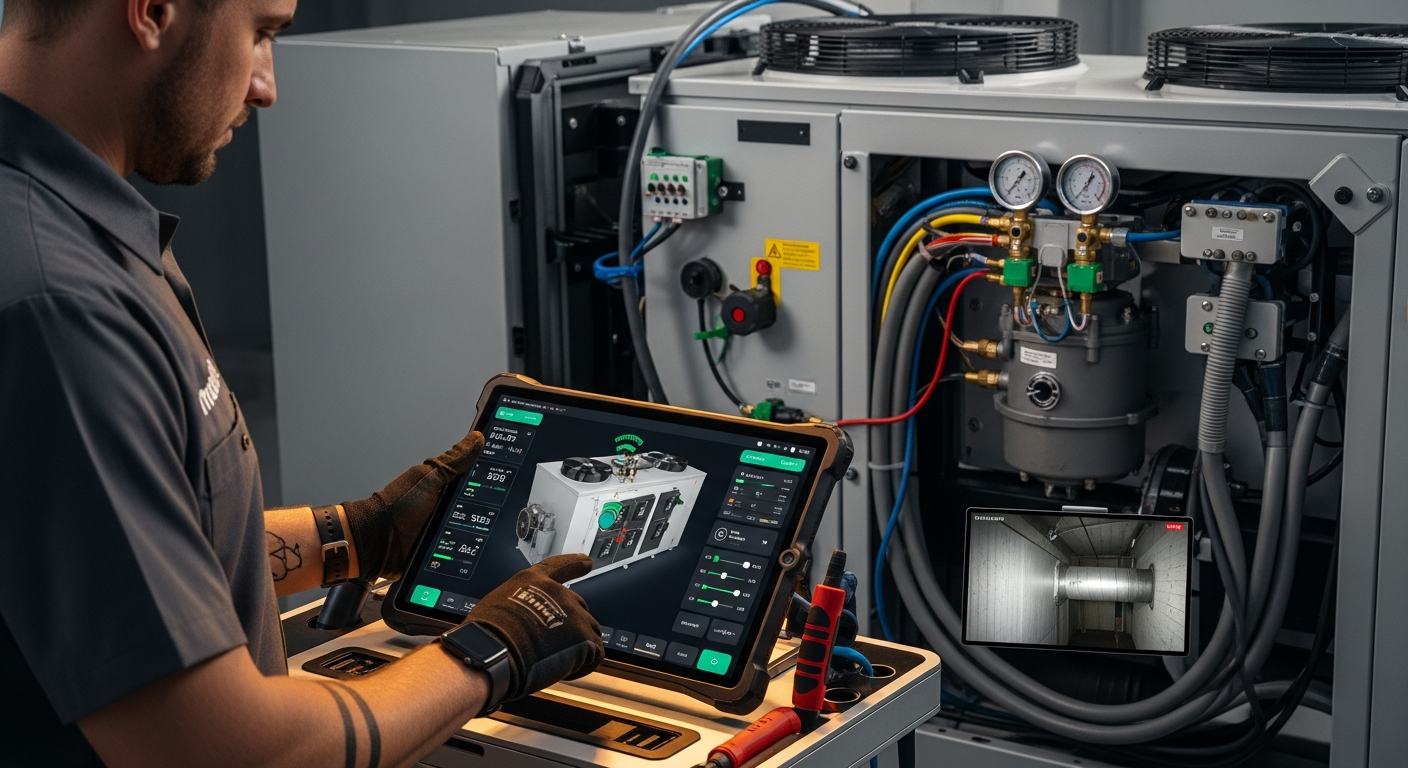
Optimizing HVAC for Churches and Religious Facilities
Managing the climate inside a church or worship space presents a unique set of challenges. These buildings often feature high ceilings, large open sanctuaries, and erratic occupancy schedules that can strain standard heating and cooling systems.
Maintaining a comfortable environment is essential for fostering a welcoming atmosphere. Whether you are a facility manager or a dedicated volunteer, understanding these systems can help your congregation save money and improve indoor air quality.
The Challenge of High Ceilings and Open Spaces
Most worship spaces are designed with soaring ceilings and large windows. While architecturally beautiful, these features create massive pockets of air that are difficult to heat and cool evenly.
Heat naturally rises, leaving the pews chilly while the ceiling stays warm. To combat this, many churches utilize high-volume, low-speed (HVLS) fans to push warm air back down during the winter and provide a breeze during the summer. This approach is similar to how to reduce HVAC costs in a warehouse where air stratification is a common issue.
Prioritizing Silent Operation
In a place of worship, silence is often as important as temperature. A loud compressor or rattling ductwork can easily disrupt a sermon or a quiet moment of prayer.
When selecting new equipment, look for units with low decibel ratings and variable-speed blowers. Variable-speed motors ramp up slowly and quietly, avoiding the sudden 'thud' of a system kicking on at full power. Ensuring your ductwork is properly sized and insulated can also significantly reduce mechanical noise.
Smart Zoning and Scheduling
Churches are unique because they may be empty for six days a week and at maximum capacity on the seventh. Running the HVAC at full blast all week is a waste of resources.
- Programmable Thermostats: Set schedules that begin cooling or heating the sanctuary a few hours before services begin.
- Zoning Systems: Only condition the spaces being used, such as administrative offices or classrooms, rather than the entire sanctuary.
- Occupancy Sensors: These can automatically adjust temperatures based on whether a room is currently in use.
Using how predictive analytics are improving HVAC maintenance can help church staff anticipate peak usage times and adjust settings for maximum efficiency before problems arise.
Addressing Humidity and Air Quality
Large crowds generate significant moisture and carbon dioxide. Without proper ventilation, the air can become stuffy or even lead to mold growth in older stone or wood structures.
In regions with dry winters, keeping the air comfortable for the congregation might require specialized equipment. You might recognize the signs you need a whole house humidifier if congregants complain of dry throats or static electricity during the service. Conversely, in humid climates, dedicated dehumidification is vital to protect expensive organs and wooden pews.
Choosing the Right Infrastructure
When upgrading a church's central plant, leadership must decide between different mechanical configurations. Large campuses often weigh the pros and cons of water-cooled vs air-cooled commercial HVAC systems depending on their water access and budget.
For those managing historic buildings, the roof type plays a major role in heat gain. You can find specialized tips for HVAC in homes with metal roofs that apply to many older chapels and modern metal-sided fellowship halls.
Kitchen and Fellowship Hall Ventilation
Many churches have attached commercial-grade kitchens for community meals. These areas require separate ventilation strategies to ensure cooking odors and heat don't migrate into the sanctuary. Staying informed on new standards for commercial kitchen ventilation is key for compliance and comfort.
Find a Professional for Your Ministry
HVAC maintenance for religious institutions is a specialized field. It requires a contractor who understands the balance between preservation, budget, and comfort. You can easily find trusted HVAC contractors on HVACDatabase.com who have experience with large-scale commercial and institutional projects.
If your facility is located in the mountain regions, you might specifically look for the best HVAC contractors in Colorado Springs to handle high-altitude heating requirements. No matter where you are, using HVACDatabase.com ensures you connect with professionals who can keep your congregation comfortable year-round.
Final Thoughts on Church HVAC
Proactive maintenance is the best way to avoid a system failure on a busy holiday or Sunday morning. Regular filter changes, coil cleanings, and annual inspections will extend the life of your equipment and keep your utility bills manageable. By investing in smart technology and the right professional help, your place of worship will remain a sanctuary for all who enter.
Related articles
Connect this page to adjacent guides so readers keep moving deeper into the topic cluster.
Tips for Communicating With Your HVAC Company During Emergencies
Discover how to prepare for HVAC emergencies and communicate clearly with technicians to ensure rapid repairs and professional service when you need it most.

Why a Battery Backup Is Worth It for Your HVAC
Discover how an HVAC battery backup protects your home comfort during power outages and why it is a vital investment for modern homeowners.
HVAC Emergency Checklist for Property Managers
A comprehensive guide for property managers and homeowners on handling sudden HVAC failures, ensuring safety, and finding fast professional help.