Tips for Communicating With Your HVAC Company During Emergencies
Discover how to prepare for HVAC emergencies and communicate clearly with technicians to ensure rapid repairs and professional service when you need it most.
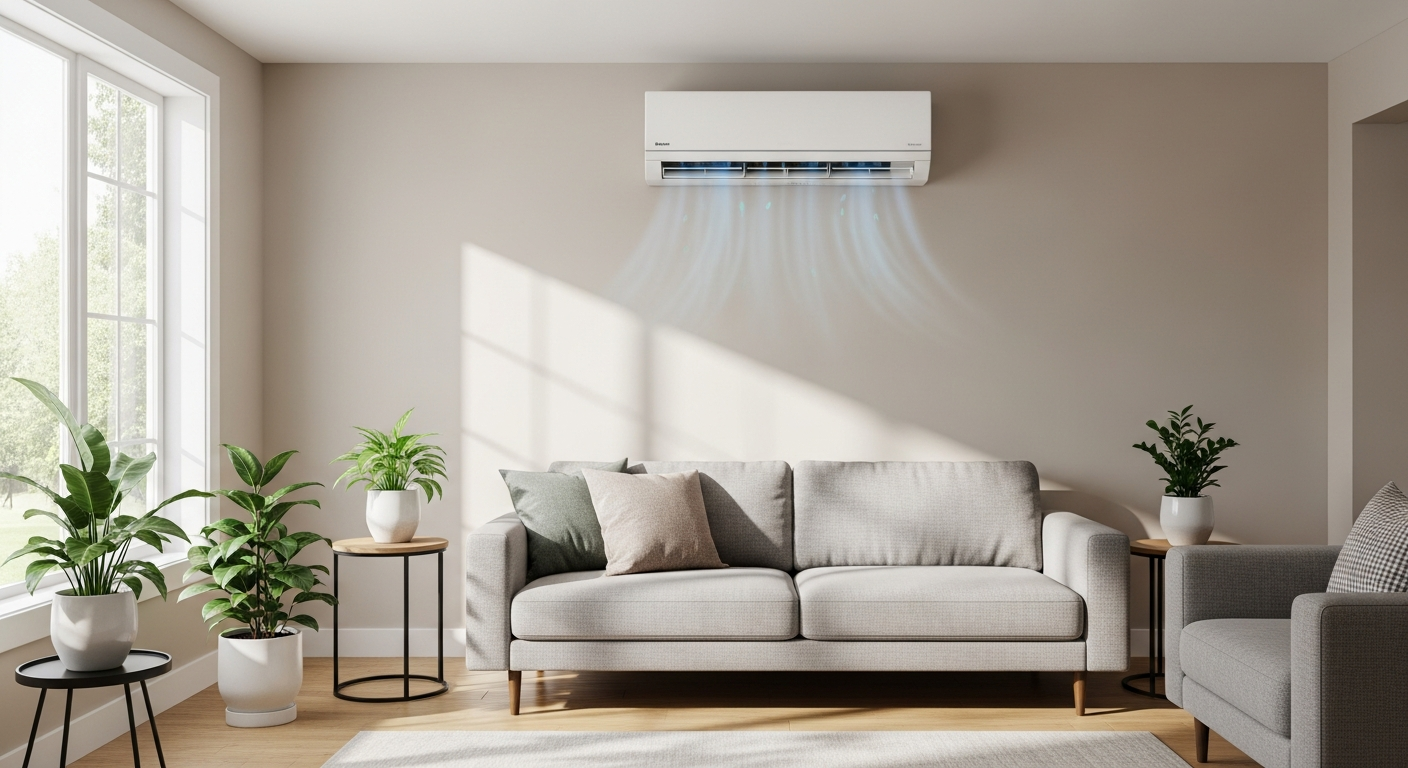
Effective Communication During HVAC Emergencies
When your heating or cooling system fails during extreme weather, stress levels rise quickly. Clear communication with your service provider is the fastest way to restore comfort to your home.
By providing the right information upfront, you help the dispatcher prioritize your call and ensure the technician arrives prepared with the necessary parts. If you are still looking for a reliable partner, you can find trusted local professionals on HVACDatabase.com.
Preparation: Gather Vital System Information
Before you pick up the phone, take two minutes to gather data. This prevents back-and-forth questioning and speeds up the scheduling process.
Locate Your Model and Serial Numbers
Every HVAC unit has a data plate listing the manufacturer, model number, and serial number. This information tells the contractor exactly which components are inside your system.
Sharing these details allows the shop to check their inventory for common failure points before they even leave the warehouse. This is especially helpful if you are dealing with specialized equipment at high altitudes or proprietary parts.
Document the Symptoms
Avoid simply saying "it's broken." Instead, describe specific behaviors. Is the unit making a screeching sound, or is it completely silent?
- Is there an error code on the thermostat?
- Is there water pooling around the indoor unit?
- Do you smell burning plastic or ozone?
If you notice electrical smells or sparks, you should immediately shut off the power at the breaker. Understanding how to handle HVAC electrical fires can prevent a system failure from turning into a total loss.
The Initial Service Call: What to Tell the Dispatcher
When you call an emergency line, be concise but thorough. State clearly if there are vulnerable individuals in the home, such as infants, the elderly, or those with medical conditions.
Ask about the emergency dispatch fee upfront. Most companies charge a premium for after-hours or weekend service, and it is better to know the cost before the truck arrives.
Mention Recent Maintenance or Repairs
If another company recently worked on the unit, mention it. Previous repairs can provide clues to current failures. If you have integrated modern technology, tell them about any smart HVAC alerts you received before the breakdown occurred.
Safety and Site Access
Ensure the technician has a clear path to the equipment. If your basement is flooded, the protocol changes significantly. Technicians cannot safely work on energized equipment standing in water.
If you are dealing with the aftermath of a storm, knowing the cost to repair HVAC after flooding can help you manage expectations regarding the timeline and budget for repairs.
Communicating During Power Outages
If your HVAC system is down because the grid is out, the conversation changes. You need to let the contractor know if you are attempting to run your system on secondary power.
Always consult a professional on how to use a generator to power your HVAC safely. Improperly connecting a generator can damage sensitive control boards, leading to more expensive repairs once grid power returns.
Financial Discussions and Estimates
During an emergency, it is easy to agree to any price just to get the air moving again. However, clear communication about your budget is vital.
Ask for Options
Sometimes a "band-aid" fix can get you through the night until a permanent part arrives. Ask the technician to explain the difference between a temporary repair and a long-term solution.
For those looking at long-term savings after a major system failure, you might ask the technician how solar panels can offset HVAC costs in the future. It is a great time to discuss upgrades while the system is already being serviced.
The Value of Local Expertise
HVAC needs vary wildly by geography. A technician in the Pacific Northwest handles different issues than one in the Deep South. For instance, specific HVAC tips for New Orleans homeowners often focus on extreme humidity and flood prevention.
By using the directory at HVACDatabase.com, you can find contractors who specialize in your specific climate and equipment type. This ensures that the person arriving at your door understands the local challenges your system faces.
Summary Checklist for Your Call
- Verify the company offers 24/7 emergency support.
- Provide your exact address and a working callback number.
- Give the model and serial number of the failing unit.
- Describe the specific noises, smells, or error codes.
- Clear a path to the indoor and outdoor units.
- Secure pets in a separate room.
Clear, calm communication is your best tool during a home maintenance crisis. By following these steps, you build a better relationship with your HVAC professional and ensure your home returns to a safe temperature as quickly as possible.
Related articles
Connect this page to adjacent guides so readers keep moving deeper into the topic cluster.

Why a Battery Backup Is Worth It for Your HVAC
Discover how an HVAC battery backup protects your home comfort during power outages and why it is a vital investment for modern homeowners.
Tips for HVAC in Churches and Worship Spaces
Discover essential strategies for maintaining HVAC systems in churches, focusing on comfort, energy efficiency, and silent operation for large gathering spaces.
HVAC Emergency Checklist for Property Managers
A comprehensive guide for property managers and homeowners on handling sudden HVAC failures, ensuring safety, and finding fast professional help.