Tips for Matching Indoor and Outdoor HVAC Units
Discover why pairing the right indoor and outdoor HVAC components is essential for maximum efficiency and how to avoid costly system mismatches.
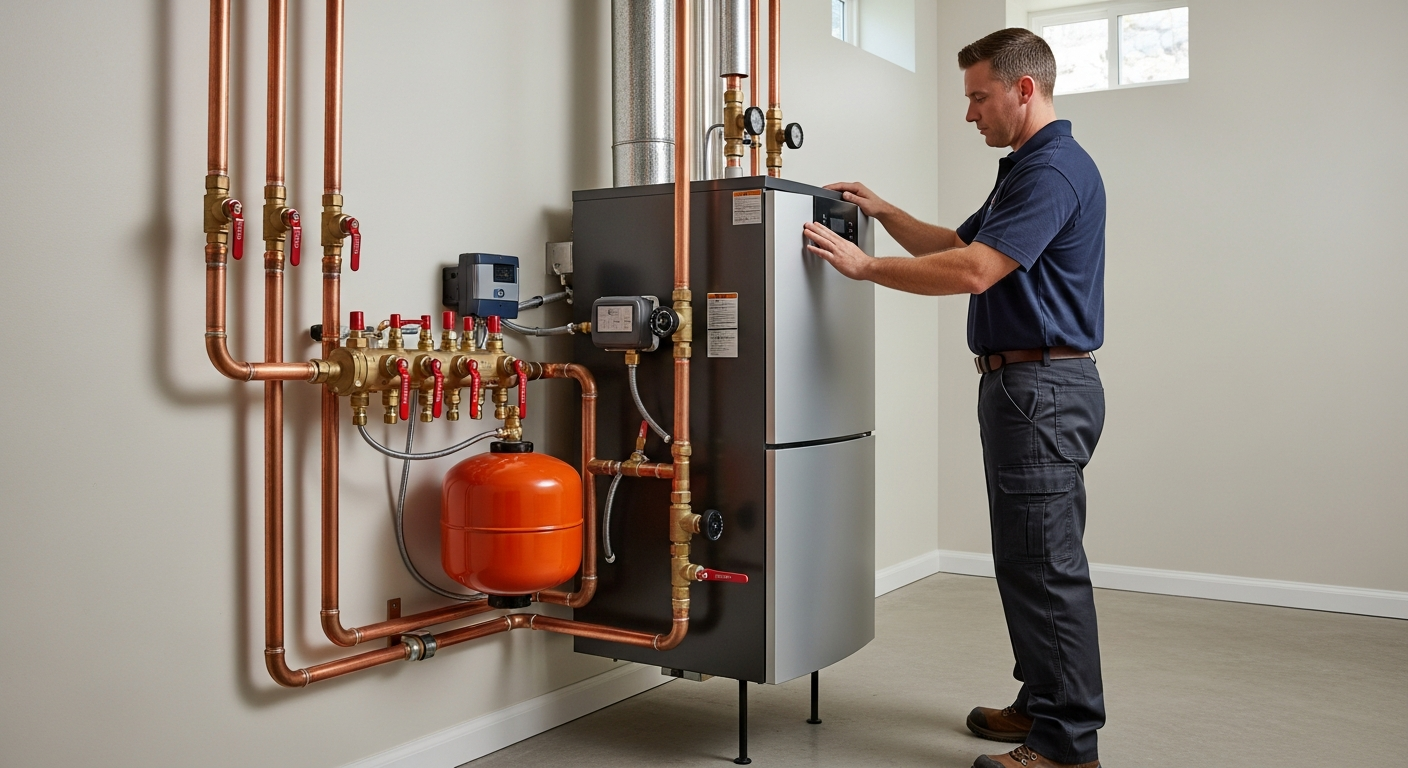
Why Matching Matters for Your Home Comfort
When it is time to replace your air conditioner or heat pump, many homeowners consider replacing only the outdoor condenser to save money. However, your HVAC system is designed to function as a single, cohesive unit.
Matching your indoor evaporator coil with your outdoor condenser ensures the system operates at its peak rated efficiency. Mixing components can lead to premature failure and increased energy bills.
The Risks of a Mismatched HVAC System
Installing a brand-new outdoor unit with an aging indoor coil is like putting a high-performance engine into a rusted car frame. The components simply won't communicate effectively.
Reduced Efficiency and Performance
An unmatched system rarely reaches its advertised SEER2 rating. If the indoor coil is too small or uses older technology, the outdoor unit has to work twice as hard to cool your home.
This extra strain leads to higher electricity costs and uneven cooling across different rooms. You can learn more about specific brand performance in our Carrier HVAC equipment buying guide.
Shortened Equipment Lifespan
HVAC systems rely on specific refrigerant pressures and flow rates. When units are mismatched, the compressor in the outdoor unit often faces excessive stress.
This stress can lead to a total system burnout years earlier than expected. If you are debating between specific brands, check out our comparison of Maytag vs. Amana HVAC systems to see how they stack up.
The Importance of AHRI Ratings
The Air Conditioning, Heating, and Refrigeration Institute (AHRI) provides a database of certified matched systems. These combinations have been lab-tested to guarantee they meet performance standards.
A professional contractor will always check for an AHRI match before installation. You can find trusted professionals to help with this at HVACDatabase.com, where we connect homeowners with local experts.
Warranty and Legal Considerations
Most manufacturers will not honor a parts warranty if the system is mismatched. If the outdoor unit fails because it was paired with an incompatible indoor coil, you may be stuck paying the full repair cost.
Protecting Your Investment
Modern systems also include complex electronics and variable-speed motors. These components require specific communication protocols that are only available in matched sets.
For those looking to offset the cost of a full system replacement, it is worth understanding the 25C tax credit for HVAC upgrades, which can make a complete matched system more affordable.
How to Ensure a Perfect Match
If you are planning an upgrade, there are several steps you can take to ensure your indoor and outdoor units work in harmony.
- Replace both units simultaneously: This is the only way to guarantee maximum efficiency and a full manufacturer warranty.
- Verify the SEER2 rating: Ensure both components are rated for the same efficiency level.
- Consult a professional: Use HVACDatabase.com to find a contractor who can perform a Load Calculation for your home.
Timing Your Purchase
If you aren't in an emergency situation, you can save significantly by planning ahead. Check out our tips for buying HVAC equipment off-season to get the best deal on a matched set.
Technological Synergy
Modern HVAC technology, such as that found in our Fujitsu HVAC equipment buying guide, relies on inverter technology. This requires the indoor and outdoor units to "talk" to each other constantly.
Inverters adjust the speed of the compressor based on the indoor temperature. If the indoor unit is an older, non-communicating model, you lose the primary benefit of the inverter technology you paid for.
The Role of Air Distribution
While matching the primary units is vital, don't forget the components that move the air. You might wonder, what is an HVAC damper and how does it work? These components help manage the airflow once your matched units have conditioned it.
Planning for Emergencies
In some cases, a system failure happens at the worst possible time. While it is tempting to take a shortcut, always prioritize matching if you have specialized needs, such as HVAC emergencies in homes with medical equipment.
In these critical situations, a mismatched system that freezes up or fails due to pressure imbalances is a risk you cannot afford to take. A matched system provides the reliability needed for sensitive environments.
Conclusion
Matching your indoor and outdoor HVAC units is not just a recommendation; it is a necessity for modern home comfort. It protects your warranty, lowers your energy bills, and extends the life of your equipment.
Ready to upgrade? Visit HVACDatabase.com today to find a certified HVAC contractor in your area who can help you select and install the perfect matched system for your home.
Related articles
Connect this page to adjacent guides so readers keep moving deeper into the topic cluster.

Tips for Choosing the Right HVAC Refrigerant Type
Selecting the right HVAC refrigerant is crucial for system efficiency and environmental impact. Learn how different types affect your home comfort and costs.

Understanding HVAC Compressor Types
Discover the different types of HVAC compressors, how they impact your home comfort, and what to consider when upgrading your cooling system.
Best Budget HVAC Systems That Still Perform
Discover the best budget-friendly HVAC systems that offer high-end performance without the luxury price tag. Learn which brands deliver value and reliability.