Tips for Reducing Heating Costs in Older Homes
Effective, practical strategies to slash heating bills in older homes—from sealing gaps to installing cold-climate heat pumps—while preserving character and ensuring safety.
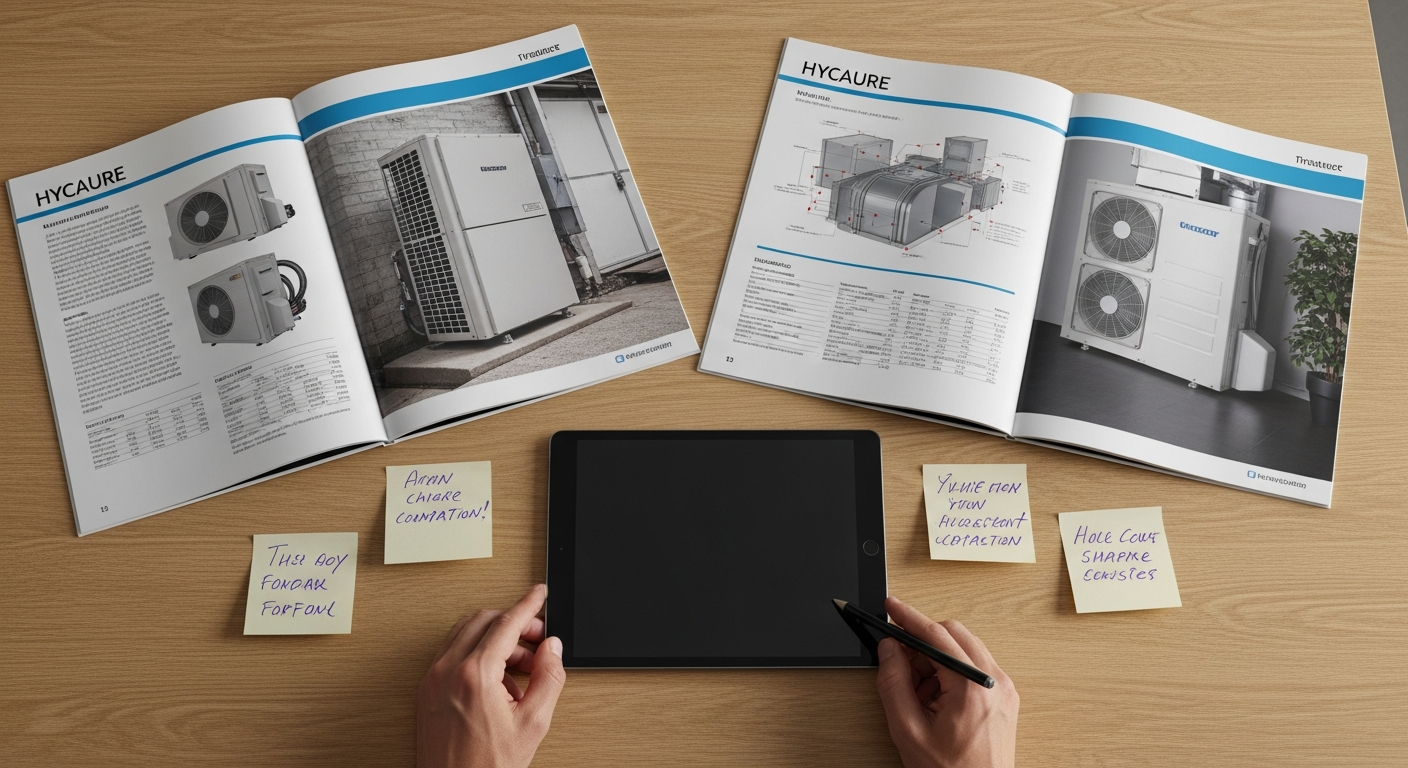
Start with low‑cost air sealing and insulation before replacing equipment
For most older homes, the highest‑impact, fastest‑payback measures are draft sealing, attic insulation, and smart thermostat installation. These steps often reduce heating bills 20% or more and make any future equipment upgrade more effective.
What Matters Most
- Seal gaps and add attic insulation for immediate, low‑cost savings
- Install a smart thermostat to automatically reduce heating when you’re away or asleep
- Consider cold‑climate heat pumps when your furnace or boiler is beyond its useful life
- Always check for CO leaks and professional‑only safety hazards before and after upgrades
- Use HVACDatabase tools to estimate costs, find rebates, and compare local contractors
Strengths
- Focuses on incremental, cost‑effective improvements most homeowners can act on
- Balances DIY advice with strict safety boundaries for gas, combustion, and electrical work
- Provides decision thresholds (age, efficiency, repair cost) to simplify replace‑vs‑repair choices
- Includes region‑specific guidance for cold climates and historic preservation rules
- Direct links to calculators, cost estimators, and rebate finders reduce guesswork
Weaknesses
- Wall insulation retrofits are complex and may need expert installation, especially in historic homes
- Heat pumps may require expensive electrical service upgrades that extend payback
- DIY air sealing effectiveness depends on thorough inspection and might miss hidden leaks
- Actual savings vary widely based on home size, local climate, and energy prices
- Ductless mini‑splits may be visually intrusive in some historic interior settings
Decision Summary: Where to Spend First
| Scenario | Usually do | Why |
|---|---|---|
| Drafty home, high bills, but system runs | Seal leaks & insulate attic first | Lowest cost per saved BTU; improves comfort instantly |
| Furnace >15 years, frequent repairs | Replace with high‑efficiency gas or heat pump | Avoid escalating repair costs; new unit can save 20–30% annually |
| Radiators uneven or cold at top | Bleed radiators and tune boiler | Simple maintenance often restores efficiency and even heat |
| Historic district restricts exterior changes | Add interior storm windows, insulate attic, consider ductless mini‑splits | Preserve facade while cutting heat loss up to 25% |
Introduction
Older homes are full of character but notorious for high heating bills. Drafty windows, missing insulation, and aging boilers can make winter uncomfortable and expensive. The good news: you can keep the charm while dramatically cutting costs. Start with low‑cost air sealing, then layer on insulation and smart controls before upgrading equipment. A typical older home can save 10–30% on heating just by sealing leaks and adding attic insulation. This guide gives you practical, sequenced steps, cost estimates, and decision tools—so you know exactly where to invest. Use HVACDatabase’s calculators and contractor match tools to turn advice into action.
Quick Answer
For older homes, the biggest heating savings come from stopping uncontrolled air leaks, topping up attic insulation, and installing a programmable thermostat. If your furnace or boiler is over 15 years old and needs frequent repairs, replacing it with a high‑efficiency model or a cold‑climate heat pump often pays for itself in under 10 years. Always check for carbon monoxide risks and hire pros for gas, combustion, refrigerant, and electrical work.
Immediate Fixes That Cut Bills Fast
Seal Air Leaks
In uninsulated homes, drafts can account for 25–40% of heat loss. Weatherstrip windows and doors, install door sweeps, and caulk gaps around pipes, wires, and exterior joints. For a typical two‑story historic house, homeowners spend $50–$300 DIY and see 5–10% annual savings.
Bleed Radiators
If your steam or hot‑water radiators are cold at the top, trapped air blocks heat. Use a radiator key to release air until water flows. Full instructions: How to Bleed a Radiator. This simple maintenance can improve system efficiency by 10–15% and eliminate cold spots.
Add Insulation in Key Spots
Attic floor: blow in cellulose or lay fiberglass batts to R‑49–R‑60 (12–18 inches). Basement rim joists: seal and insulate with rigid foam. Damp crawlspaces: encapsulate with vapor barrier and insulate perimeter walls. These three projects often yield the highest return—up to 15% total heating savings—for $800–$2,500 professional cost.
Decision Table: Where to Spend First
| Fix | Typical Cost | Annual Savings Potential | Priority |
|---|---|---|---|
| Weatherstrip, caulk, door sweeps | $50–$300 DIY | 5–10% | High |
| Attic insulation upgrade | $1,200–$2,200 | 10–15% | High |
| Programmable thermostat | $30–$150 | 5–10% | High |
| Radiator bleed & boiler tuning | $0–$250 (tune‑up) | 5–12% | Medium |
| Wall insulation (blown‑in) | $3,500–$8,000 | 10–20% | Medium |
| Replace old furnace/boiler | $4,000–$12,000+ | 15–30% | Low (if still safe/functional) |
Safety Boundaries: What You Can and Cannot Touch
As a homeowner, you can safely inspect and perform these tasks:
- Check for drafts using a tissue or incense stick (no flame) and seal gaps with caulk or weatherstripping.
- Bleed radiators by releasing air from the bleed valve (water‑based systems only).
- Change furnace filters every 1–3 months to maintain airflow.
- Program and adjust thermostats; install a smart thermostat if you follow manufacturer wiring instructions (low‑voltage only).
Never attempt DIY work on: gas lines, combustion chambers, refrigerant, compressors, capacitors, contactors, control boards, or any high‑voltage electrical components. If you smell gas or suspect carbon monoxide, evacuate immediately and call emergency services. Cracked heat exchangers require professional replacement; learn the warning signs and act fast.
Decision Rules: Fix or Replace?
When to repair, when to replace (click to expand)
- Age >15 years and repair cost >50% of new system? Replace. Use the Repair or Replace Calculator for personalized math.
- Efficiency <80% AFUE or 8.2 HSPF for heat pumps? Upgrade eligible units may qualify for rebates—check the Rebate Finder.
- Uneven heating, cold rooms, or frequent cycling? First seal and insulate, then consider a professional balance and duct inspection.
- Historic preservation rules apply? Ductless mini‑splits often meet review board requirements because they avoid major interior demolition.
Modern Upgrades for Vintage Homes
If your heating system is over 15 years old, modern equipment can slash bills. A cold‑climate heat pump provides both heating and cooling, and works down to -15°F. Ductless mini‑splits require only a 3‑inch hole in the wall, preserving plaster and historic fabric. Use the HVAC Cost Estimator to compare installation costs in your area. A heat pump installation typically ranges from $4,000–$8,000 per indoor unit, depending on region and capacity. Radiant floor heating retrofits are another option for comfort without radiators; see radiant floor pros and cons.
Contractor Checklist: Hiring for an Older Home
Before approving any work, verify the contractor can handle older building challenges:
- Experience with historic/old homes? Ask for similar project references.
- Manual J load calculation performed? Oversizing wastes energy; undersizing leads to cold spots. A true load calc is essential.
- Licensed, bonded, insured? Check state licensing board and ask for certificate.
- Knows local preservation rules? If in a historic district, they must work within guidelines.
- Provides detailed, itemized quote? Avoid lump‑sum bids; demand breakdown of labor, materials, and permits.
- Offers a performance guarantee? At least a one‑year workmanship warranty.
- Reviews financing & rebates? They should help you apply for utility rebates and tax credits.
Use HVACDatabase search to find local pros, then compare contractors side‑by‑side. For example, in a cold market like Chicago, you’ll want a company familiar with boilers and steam systems—see Chicago heating contractors.
Local Context: Cold Climates and Historic Districts
In cold regions (Zones 5–7: Northeast, Midwest, Mountain West), heating dominates home energy use. Prioritize attic insulation and rim joist sealing first. Coastal historic districts: watch for wind‑driven rain; use vapor‑open insulation to let walls dry. Always consult your local historic preservation officer before changing exterior elements like storm windows.
Tools & Calculators
HVACDatabase offers free tools to support your decision:
- BTU Calculator – estimate the right heating capacity for your home.
- HVAC Cost Estimator – see projected installation costs in your area.
- Repair or Replace Calculator – crunch the numbers on a new system vs. fixing the old one.
- Rebate Finder – discover utility and federal incentives.
- Quote Checker – upload a bid for impartial feedback.
Methodology
All cost estimates are editorial ranges based on aggregated market data from contractor price books, industry surveys, and regional labor rates as of early 2025. Actual prices vary significantly by home size, system type, brand, season, access difficulty, permit requirements, and local labor costs. Savings percentages are derived from Department of Energy studies and field measurements in older homes. Always obtain at least three detailed quotes and use our tools to validate them.
Frequently Asked Questions
How much can I really save by sealing drafts and insulating?
Most older homes reduce heating bills by 10–20% after comprehensive air sealing and attic insulation. Combined with a smart thermostat, annual savings can reach 25–30%. Payback is often under three years.
Is a heat pump practical in a very old, drafty home?
Yes, if you address air leakage and insulation first. Ductless mini‑splits are an excellent retrofit because they don’t require ducts and can be zoned for individual rooms. However, you may need an electrical panel upgrade, which adds $1,500–$3,000.
My boiler is 30 years old but works. Should I replace it proactively?
A well‑maintained boiler can last decades, but efficiency likely tops out at 70% AFUE. If repair costs are low and the heat exchanger is sound, keep it; use the Repair or Replace Calculator to estimate payback. If efficiency is below 65%, replacement often saves $300–$600 per year.
Can I insulate walls without damaging original plaster?
Yes. Blown‑in dense‑pack cellulose can be installed through small holes (1–2 inches) drilled from the exterior or interior. A qualified insulation contractor can fill wall cavities without tearing down plaster. Costs range $1.50–$4.00 per square foot of wall.
What should I do if I smell gas or suspect a carbon monoxide leak?
Evacuate immediately—do not operate electrical switches. Call 911 or the gas utility’s emergency line from outside. Do not re‑enter until professionals have cleared the building. Install carbon monoxide detectors on every level.
Related articles
Connect this page to adjacent guides so readers keep moving deeper into the topic cluster.

Tips for Choosing a Smart Thermostat for a Heat Pump
Learn which smart thermostat features prevent expensive auxiliary heat mistakes, how to verify compatibility, and when to call a pro.

Understanding C Wire Adapters for Smart Thermostats
Missing the C wire for your smart thermostat? C wire adapters solve power issues without pulling new wiring. Compare types, costs, and installation options.

Best Smart Thermostats for Multi Zone Homes
Discover which smart thermostats deliver accurate zoning, remote sensors, and energy savings for homes with multiple HVAC zones. Our guide helps you pick the right model and avoid costly compatibility mistakes.