Tips for Transitioning From AC to Heat in Fall
Get your home ready for cooler weather with our comprehensive guide on transitioning your HVAC system from cooling to heating effectively.

Seamless Transition From Cooling to Heating
As the leaves begin to turn and the air grows crisp, it is time to think about your home's comfort system. Transitioning from air conditioning to heating is more than just flipping a switch on your thermostat.
Taking the time to prepare your system ensures efficiency, longevity, and safety throughout the colder months. Homeowners who proactive approach maintenance often avoid the rush of emergency repairs when the first frost hits.
Start With a Comprehensive Cleaning
Before you engage your furnace or heat pump, cleanliness should be your top priority. Dust and debris accumulated over the summer can create odors or even fire hazards when the heating elements first ignite.
Clear the Outdoor Unit
Walk around your exterior condenser unit. Remove any fallen leaves, twigs, or overgrown brush that might restrict airflow.
While you are outside, check for any damage caused by summer storms. Ensuring the area is clear helps maintain the system integrity against extreme weather.
Dust Your Vents and Registers
Vacuum all supply and return vents inside your home. This prevents dust from being pulled into the heat exchanger and circulated through your living spaces.
The Critical Filter Change
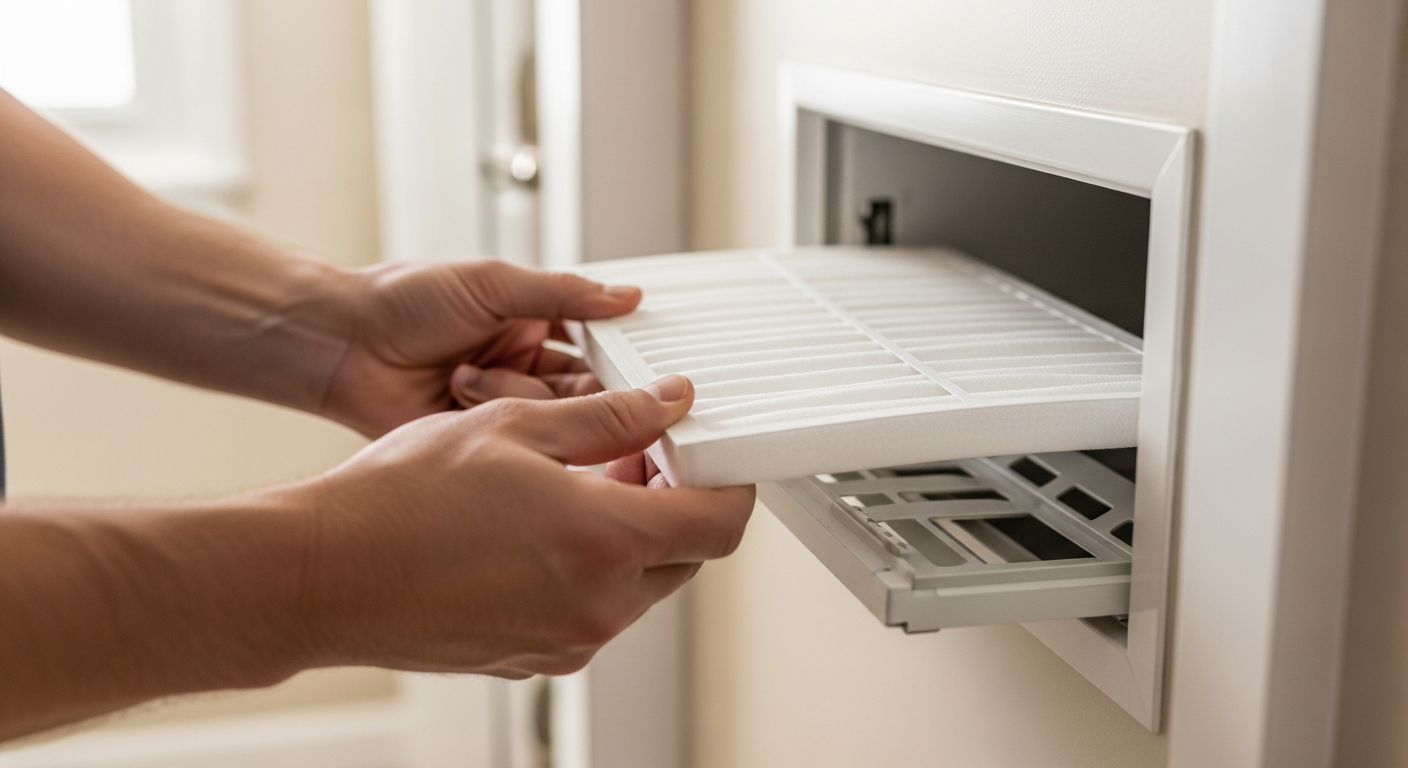
One of the simplest yet most important tasks is replacing your air filter. A clogged filter forces your system to work harder, increasing energy bills and risking mechanical failure.
- Check your filter every 30 days during peak usage.
- Use a filter with the MERV rating recommended by your manufacturer.
- Mark the date of replacement on the filter frame for easy tracking.
If you have high ceilings or unique layouts, consider managing airflow in open staircases to ensure heat reaches every floor efficiently.
Testing the System Early
Don't wait for a freezing night to discover your heater isn't working. Perform a test run while the weather is still mild.
What to Listen and Smell For
When you first turn on the heat, you might notice a slight burning smell. This is usually just dust burning off the heating elements and should dissipate within minutes.
However, if you hear screeching, banging, or persistent clicking, shut the system down immediately. These sounds often indicate a failing blower motor or ignition issues that require a professional touch.
Check Your Thermostat Settings
Modern programmable thermostats are excellent for saving money, but they need to be updated for the season. Switch the mode from 'Cool' to 'Heat' and verify your schedule aligns with your autumn routine.
In homes with architectural features like large glass installations, you may need to adjust settings to account for heat loss. Learn more about optimizing HVAC for homes with skylights to keep your energy costs down.
Safety First: Detectors and Vents
Heating season increases the risk of carbon monoxide leaks, especially with gas furnaces. Test your carbon monoxide detectors and smoke alarms to ensure they are functioning perfectly.
Inspect your furnace's exhaust vent on the exterior of your home. Ensure it is not blocked by bird nests or debris, as a blockage can back up dangerous fumes into your living area.
Professional Inspection and Tuning
While DIY tasks are helpful, a professional multi-point inspection is irreplaceable. A certified technician can check for cracked heat exchangers, test gas pressure, and lubricate moving parts.
If you missed your spring service, it is worth looking into the costs of pre-season maintenance to see how it fits your budget. For most families, the value of annual vs biannual maintenance is clear when it comes to preventing mid-winter breakdowns.
Don't Forget the Water Heater
Your HVAC system isn't the only thing working harder in the fall. As the incoming water temperature drops, your water heater consumes more energy. This is a great time to review water heater energy factor ratings if you are considering an upgrade.
Winterizing Your Home Envelope
Heating your home is only half the battle; keeping the heat inside is the other. Check for drafts around windows and doors. Ensure your attic insulation is sufficient to prevent heat from escaping.
Proper insulation does more than just lower bills; it is a key factor in how to prevent ice dams using HVAC and insulation strategies once the snow starts to fall.
Finding a Trusted Professional
If your system isn't performing as it should during your test run, don't panic. You can find trusted, highly-rated HVAC contractors on HVACDatabase.com to help diagnose the issue and perform a safety tune-up.
Finding a local expert via HVACDatabase.com ensures you are working with professionals who understand the specific climate challenges of your region. Don't leave your winter comfort to chance—prepare today for a warm and cozy tomorrow.
Related articles
Connect this page to adjacent guides so readers keep moving deeper into the topic cluster.
How to Create a Year-Round HVAC Maintenance Calendar
Stay ahead of costly repairs by following our comprehensive year-round HVAC maintenance guide designed to keep your home comfortable in every season.

How Weather Affects HVAC Refrigerant Levels
Discover how seasonal temperature shifts influence your AC's refrigerant performance and learn how to spot signs of a leak before weather extremes cause a system failure.

Tips for Maintaining HVAC During Monsoon Season
Monsoon season brings intense humidity and heavy storms. Learn how to protect your HVAC system and maintain indoor air quality with our comprehensive guide.