Understanding HVAC Equipment Life Expectancy by Brand
Discover the average lifespan of major HVAC brands and learn actionable strategies to keep your heating and cooling systems running efficiently for years to come.
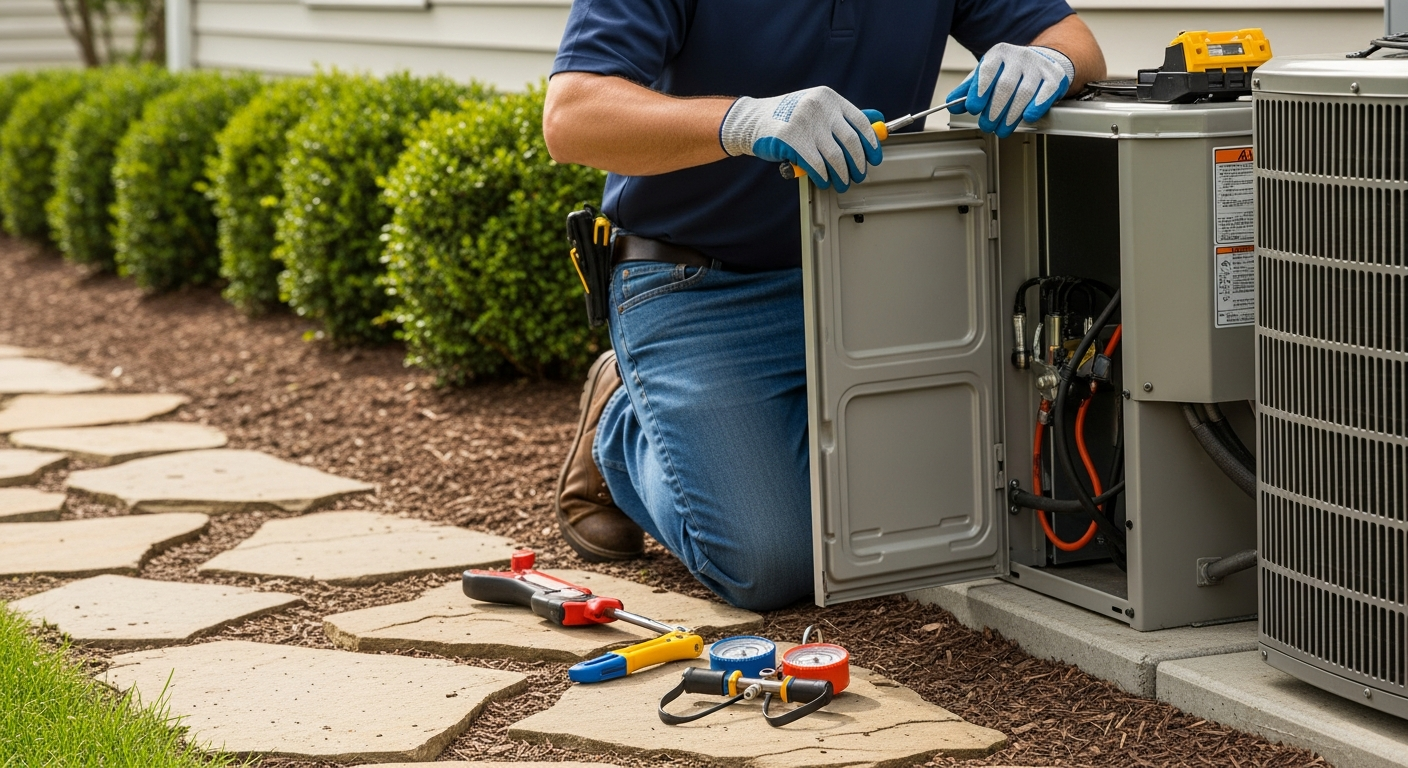
Measuring the Lifespan of Your HVAC System
Buying a new HVAC system is a significant investment for any homeowner. One of the most common questions we hear is: how long will this unit actually last?
While most modern systems are designed to last between 15 and 25 years, the brand you choose and how you maintain it play massive roles in that timeline. Understanding these variables helps you plan for future replacements and avoid unexpected breakdowns.
Average Life Expectancy by Equipment Type
Before diving into specific brands, it is important to understand the baseline for different types of equipment. Not all HVAC components are built to endure the same levels of stress.
- Central Air Conditioners: 15 to 20 years.
- Heat Pumps: 10 to 15 years (they work year-round, increasing wear).
- Gas Furnaces: 15 to 25 years.
- Boilers: 20 to 35 years.
When considering a replacement, you can compare the best boiler brands to see which manufacturers offer the highest durability. If you live in a specific climate, such as California, you might also look for localized advice like HVAC tips for Bakersfield homeowners to see how heat impacts longevity.
How Top Brands Compare
While industry averages provide a baseline, premium brands often incorporate higher-quality components that can push a unit past the 20-year mark. Here is a breakdown of what to expect from major manufacturers.
Trane and American Standard
Known for their proprietary compressors and rigorous testing, these sister brands often lead the pack in durability. Many homeowners find that with regular service, these units easily reach 20 years without major failures.
Carrier, Bryant, and Payne
As part of the United Technologies family, these brands offer a wide range of products. Carrier is often cited for its innovation and efficiency, typically lasting 18 to 22 years when installed correctly by a professional found on HVACDatabase.com.
Daikin, Goodman, and Amana
Daikin has become a global leader, often offering some of the best warranties in the business. For a deep dive into their specific offerings, check out our Daikin HVAC equipment buying guide. Goodman units are often more affordable and, while historically seen as entry-level, their modern builds are highly competitive in lifespan.
Lennox
Lennox is famous for high-efficiency ratings. While their equipment is top-tier, they sometimes use proprietary parts that can be expensive to replace as the unit ages. Expect a solid 15 to 20 years of service.
Factors That Impact Longevity
Brand name is only half the battle. Several external factors can either shave years off your system's life or help it exceed expectations. It is vital to use tips for evaluating HVAC equipment longevity when assessing your current setup.
Installation Quality
A poorly installed premium brand will fail faster than a perfectly installed budget brand. Proper sizing and airflow are critical. If the system is too large, it will "short cycle," causing excessive wear on the compressor.
Maintenance Frequency
Skipping annual tune-ups is the fastest way to kill an HVAC unit. Dust buildup on coils and neglected filters force the motor to work harder, leading to premature burnout.
Usage Patterns
Do you keep your thermostat at 68 degrees in the middle of a 100-degree summer? Systems that run constantly under extreme load will naturally have a shorter lifespan. You might consider tips for using remote thermostat sensors to balance the load across your home more efficiently.
The Role of Warranties
A long warranty is a sign of manufacturer confidence. Most major brands offer 10-year parts warranties, but some extend this to 12 years or offer lifetime heat exchanger coverage. Understanding tips for understanding HVAC product warranties ensures you aren't stuck with a massive repair bill in year eleven.
When to Repair vs. Replace
As your system approaches the 15-year mark, you will face the dilemma of whether to keep fixing it. A good rule of thumb is the "5,000 Rule." Multiply the age of the equipment by the cost of the repair. If the total exceeds 5,000, replacement is usually the smarter financial move.
Efficiency is another factor. Older units often have lower SEER ratings. Upgrading to a modern system can lower your monthly utility bills significantly, eventually paying for a portion of the replacement cost. Before installing a new system, ensure your home is ready by understanding how duct leakage testing works to prevent wasting conditioned air.
Find a Trusted Pro
The best way to ensure your HVAC equipment reaches its maximum life expectancy is to partner with a skilled technician. Whether you need a routine inspection or a full system replacement, you can find trusted, highly-rated HVAC contractors on HVACDatabase.com. Investing in professional expertise today saves you thousands in premature replacement costs tomorrow.
Related articles
Connect this page to adjacent guides so readers keep moving deeper into the topic cluster.

Tips for Choosing the Right HVAC Refrigerant Type
Selecting the right HVAC refrigerant is crucial for system efficiency and environmental impact. Learn how different types affect your home comfort and costs.
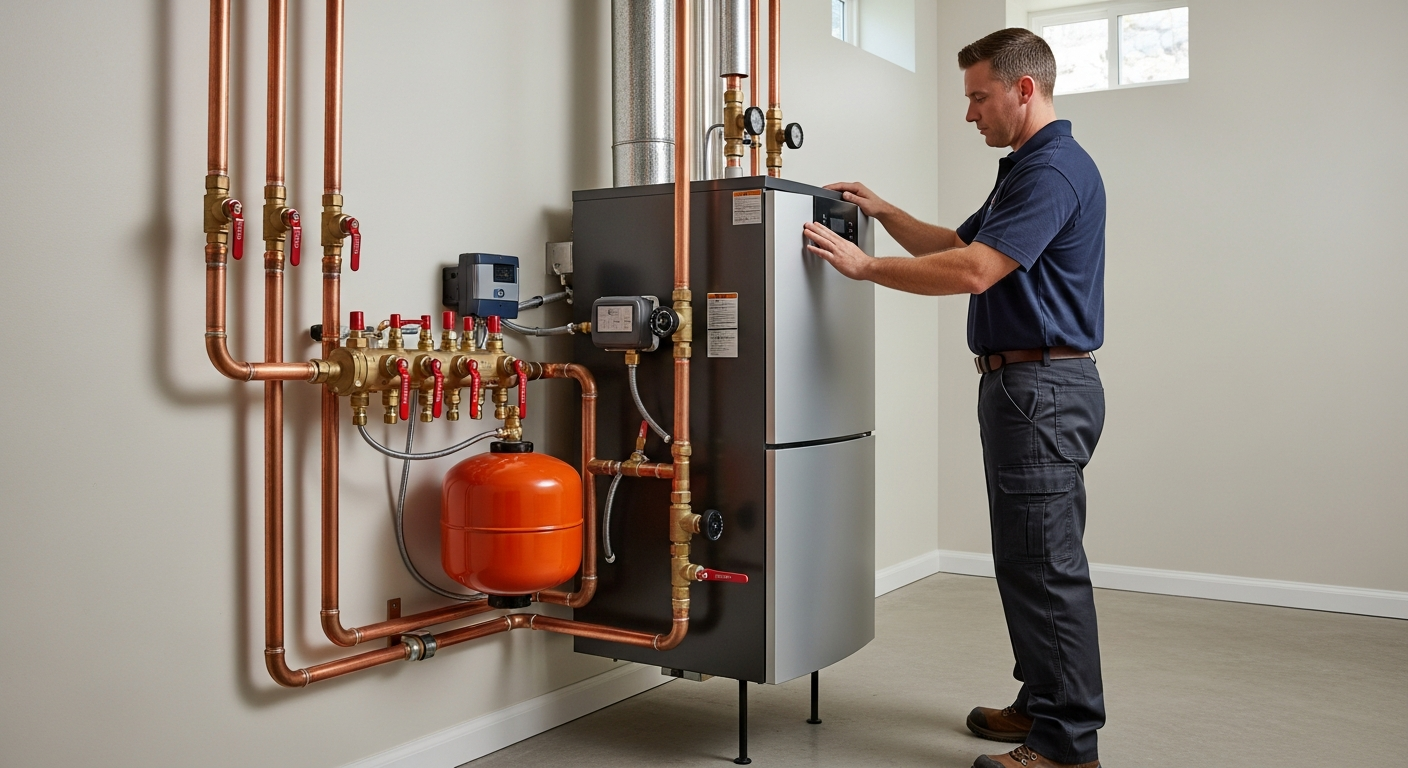
Tips for Matching Indoor and Outdoor HVAC Units
Discover why pairing the right indoor and outdoor HVAC components is essential for maximum efficiency and how to avoid costly system mismatches.

Understanding HVAC Compressor Types
Discover the different types of HVAC compressors, how they impact your home comfort, and what to consider when upgrading your cooling system.