Understanding HVAC Requirements for Restaurants
Running a restaurant requires specialized HVAC systems to manage heat, smoke, and odors. Learn the essential requirements to keep your kitchen and dining area comfortable.

The Unique Challenges of Restaurant HVAC
Managing the climate in a restaurant is significantly more complex than in a standard residential home. While homeowners often look for hvac tips for homes in hot climates, restaurant owners must balance extreme kitchen heat with guest comfort.
A restaurant HVAC system must handle high occupancy, heavy cooking equipment, and constant door openings. Without a properly designed system, you risk smoke-filled dining rooms, lingering odors, and unhappy customers.
Why Specialized Ventilation Matters
The heart of any commercial kitchen is the ventilation system. This setup removes grease-laden vapors and combustion byproducts that would otherwise become a fire hazard.
In addition to safety, proper airflow prevents the kitchen's heat from overwhelming the dining area. If your current system is struggling, you can find expert commercial contractors on HVACDatabase.com to evaluate your layout.
The Critical Role of Makeup Air Units
For every cubic foot of air your exhaust hood pulls out, that air must be replaced. This is where a Makeup Air Unit (MAU) becomes essential for restaurant operations.
If you don't replace the exhausted air, the building will experience 'negative pressure.' This causes heavy doors that are hard to open and allows unconditioned air to seep through every crack.
- Prevents back-drafting of water heaters and furnaces.
- Maintains indoor air quality for staff and guests.
- Reduces the strain on your primary rooftop units (RTUs).
Properly balancing these systems is just as important as tips for managing commercial hvac in multi-tenant buildings where shared air can cause cross-contamination.
Managing Heat Loads and Zoning
Restaurants have vastly different thermal zones. The kitchen is a high-heat zone, while the dining area requires steady cooling and dehumidification.
Multi-zone systems or Variable Air Volume (VAV) boxes allow the HVAC system to deliver cooling where it is needed most. This prevents the dining room from becoming an icebox while the chefs are sweltering.
Filtration and Odor Control
Grease and food odors are part of the business, but they shouldn't follow your guests home. High-efficiency filters and even UV light systems are often integrated into restaurant HVAC to scrub the air.
Similar to how high-tech solutions help in commercial hvac iot and predictive maintenance, sensors can now detect air quality drops in real-time. This ensures your ventilation ramps up automatically during the lunch rush.
Energy Efficiency in High-Demand Environments
Because restaurant HVAC systems run almost constantly, energy efficiency is a top priority. Modern units with high SEER ratings and variable-speed motors can save thousands in annual utility costs.
Regular maintenance is the best way to protect this investment. Just as you might investigate why your hvac outdoor unit has ice on it at home, commercial units need frequent inspections of coils and belts.
Comparing Commercial Needs
While the intensity is higher in food service, many principles overlap with other high-occupancy facilities. For instance, the air exchange standards are similar to tips for hvac in schools and educational buildings.
Similarly, the need for reliable, 24/7 climate control mirrors the requirements found in tips for choosing hvac for a senior living facility. In all these cases, a breakdown can have serious consequences.
Maintenance Checklists for Restaurant Owners
To keep your kitchen running smoothly, follow a strict maintenance schedule. This prevents unexpected downtime during your busiest hours.
- Clean grease filters in the hood weekly.
- Inspect fan belts and pulleys for wear monthly.
- Check refrigerant levels and condenser coils quarterly.
- Test the fire suppression system every six months.
If you are planning an upgrade or need a repair, HVACDatabase.com is a valuable resource for finding licensed professionals who specialize in commercial kitchen ventilation.
Final Thoughts on Restaurant Comfort
A successful restaurant requires more than just great food; it requires a comfortable environment. Managing the delicate balance between exhaust, makeup air, and cooling is a technical challenge that requires professional expertise.
Whether you are renovating an old space or building a new one, prioritize your HVAC design early. If you also need help with your residential projects, like tips for heating your basement efficiently, the right contractor can handle both your business and home needs.
Related articles
Connect this page to adjacent guides so readers keep moving deeper into the topic cluster.
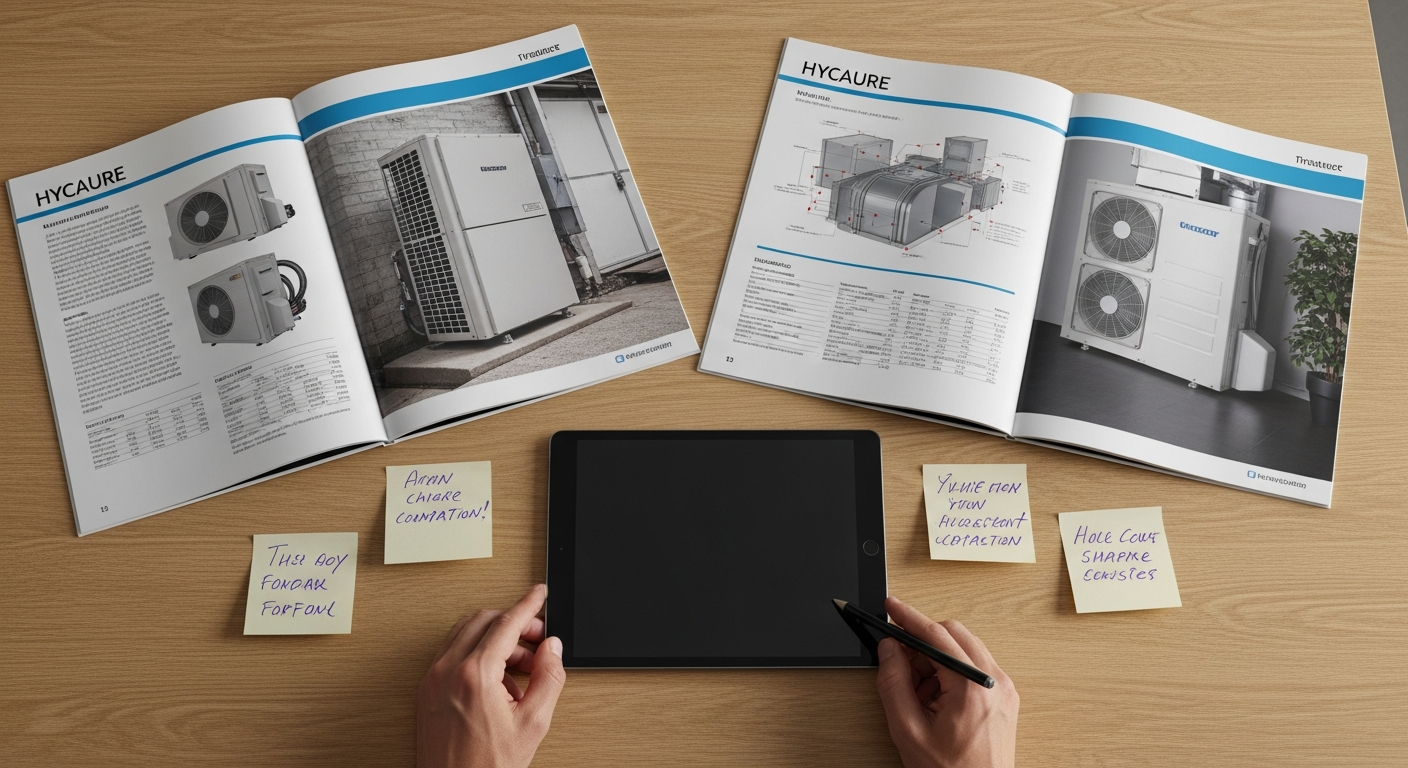
Tips for HVAC in Schools and Educational Buildings
Learn how to optimize HVAC systems in schools to ensure a healthy learning environment and reduce operational costs through expert maintenance and zoning.
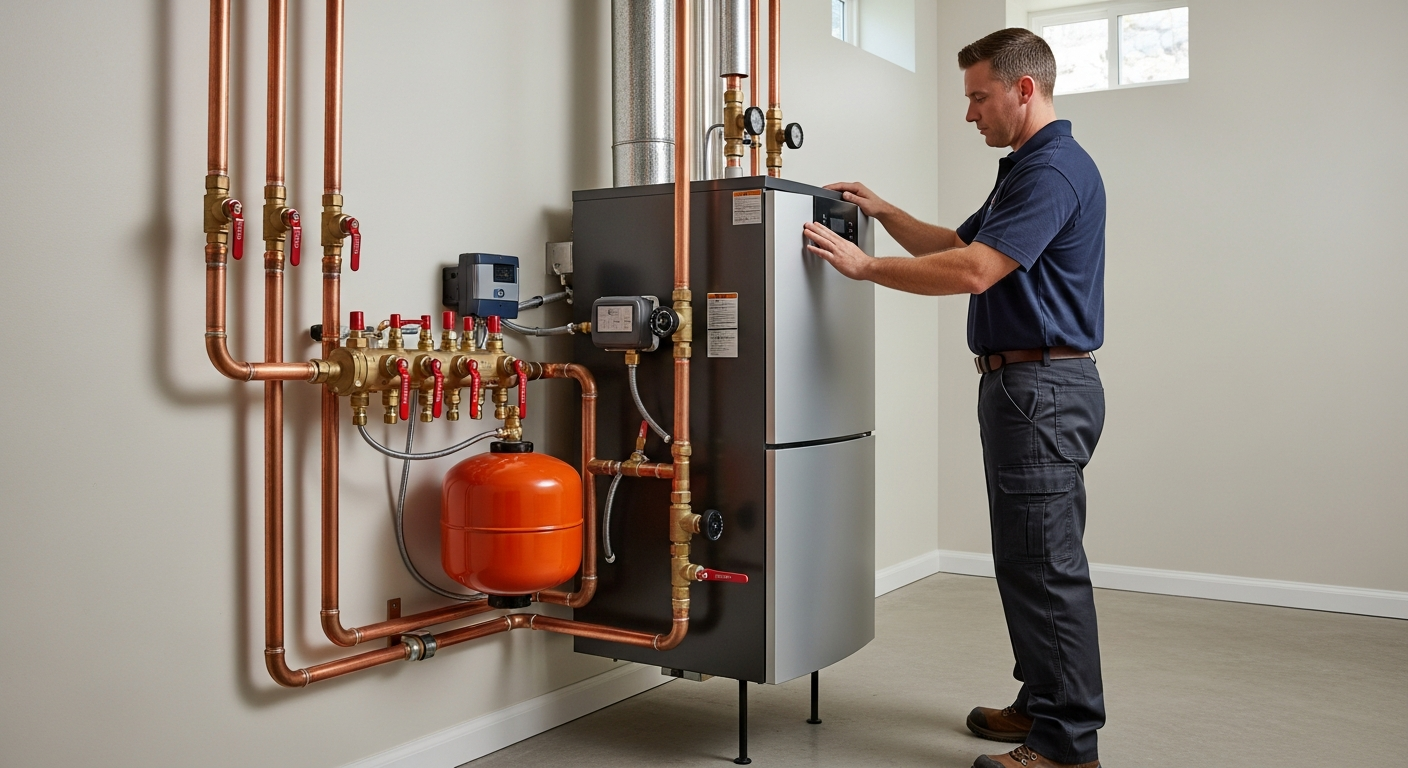
How to Budget for Commercial HVAC Replacement
Planning a commercial HVAC replacement requires a clear understanding of equipment costs, labor, and efficiency. This guide helps you budget effectively for your next upgrade.
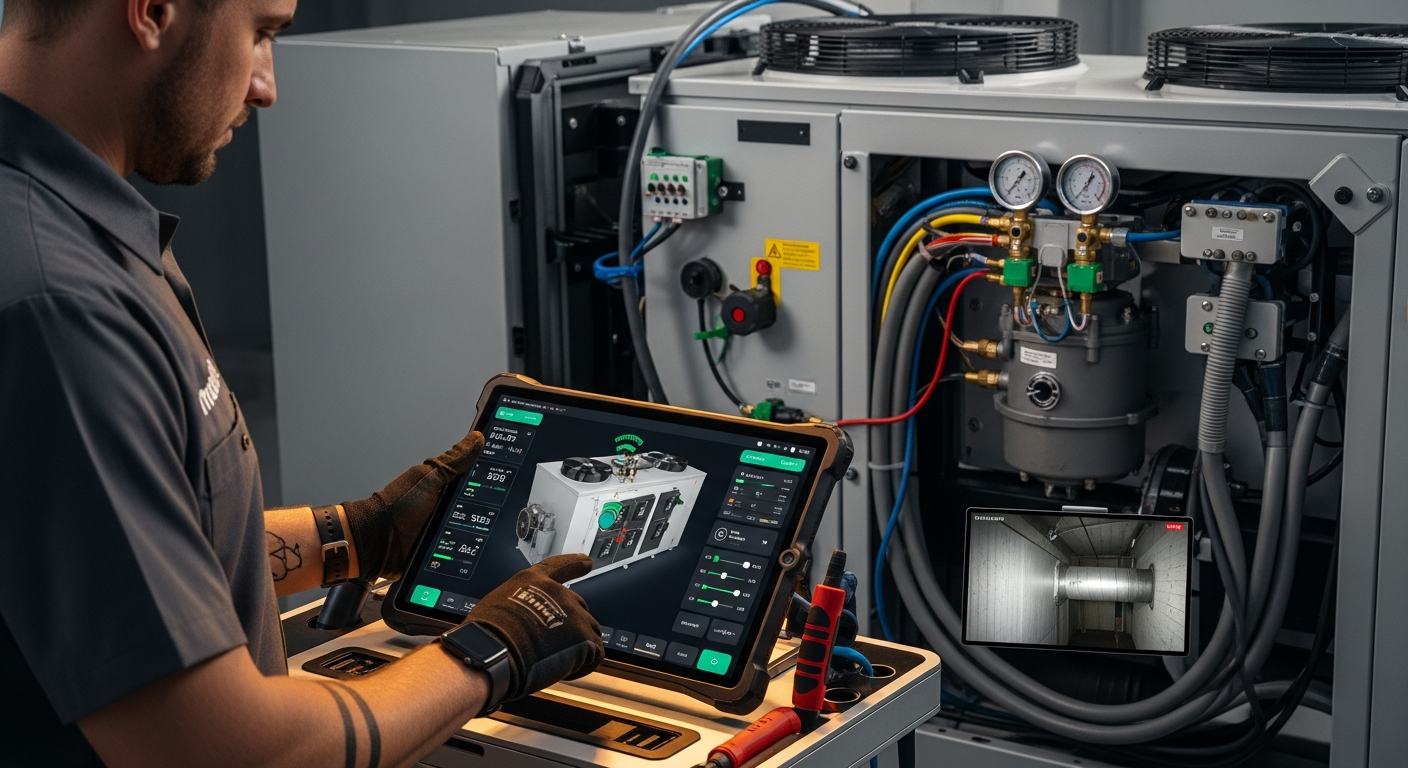
Central Plant vs Distributed HVAC for Commercial
Choosing between central plant and distributed HVAC systems impacts your building's efficiency and maintenance costs. Explore the pros and cons of each setup.