Commercial HVAC IoT and Predictive Maintenance
Learn how modern IoT technology and predictive maintenance strategies can lower energy costs and extend the lifespan of your commercial heating and cooling equipment.
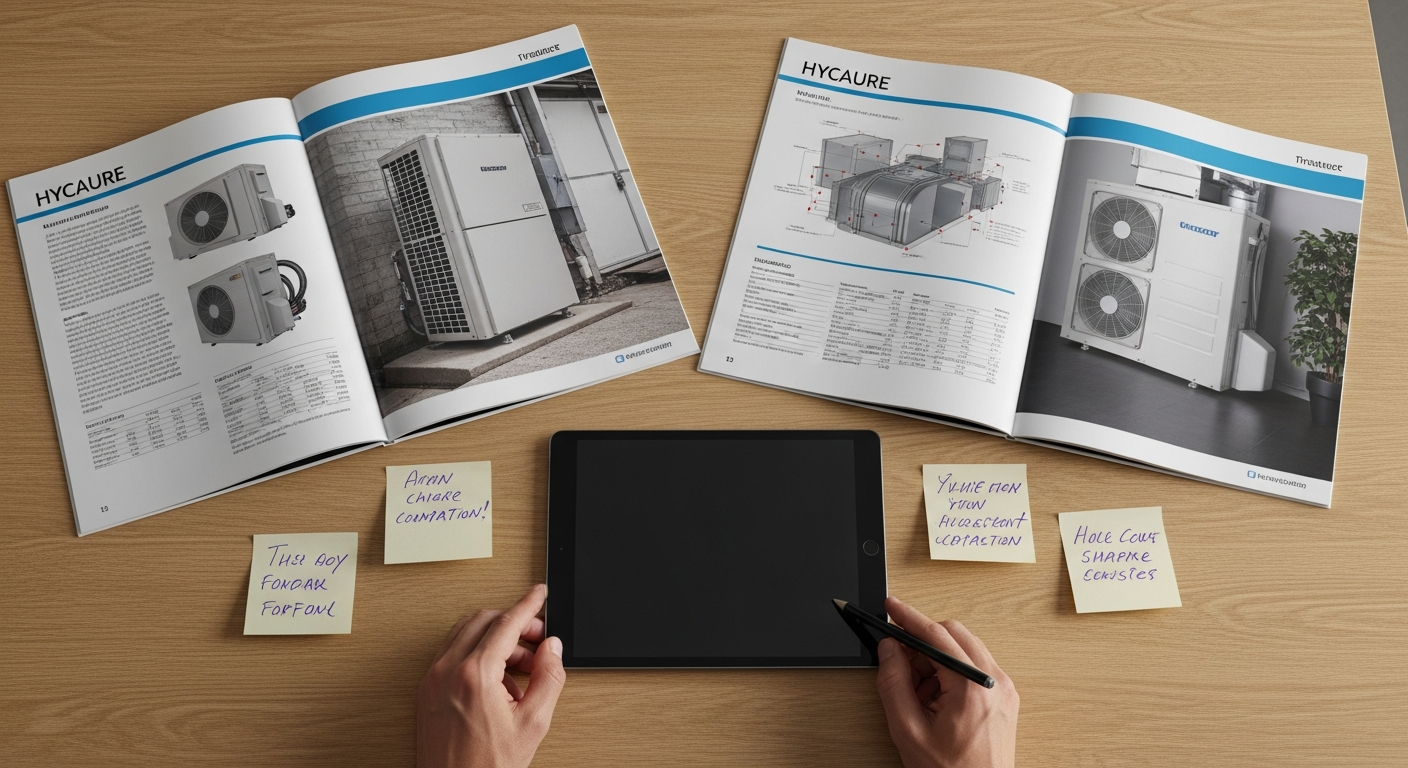
The Revolution of IoT in Commercial HVAC
Managing a commercial building requires constant vigilance over heating, ventilation, and air conditioning systems. The integration of the Internet of Things (IoT) has transformed how property managers oversee these vital assets.
Instead of relying on manual checks, smart sensors now collect real-time data on temperature, humidity, and airflow. This connectivity allows for a smarter approach to climate control that reacts instantly to environmental changes.
By leveraging these technologies, businesses can significantly reduce energy waste and improve indoor air quality. If you are just starting to explore larger setups, understanding the differences between commercial and residential systems is the first step toward smart management.
What is Predictive Maintenance?
Predictive maintenance uses data analytics to forecast when a component is likely to fail. Unlike reactive maintenance, which waits for a breakdown, or preventative maintenance, which follows a rigid schedule, predictive maintenance happens exactly when needed.
Sophisticated algorithms analyze vibration, sound, and electrical current to spot anomalies. This proactive approach ensures that your system stays online, preventing expensive emergency repairs and tenant dissatisfaction.
Benefits of IoT for Business Owners
Implementing IoT devices in your HVAC infrastructure offers immediate and long-term financial advantages. Data-driven insights help managers make informed decisions about system upgrades and daily operations.
- Lower energy consumption through optimized cycling.
- Extended equipment life by preventing overexertion.
- Reduced labor costs by targeting specific issues before arrival.
- Improved comfort levels for employees and customers.
For those managing unique spaces, such as academic institutions, applying these tips for HVAC in schools can lead to a healthier learning environment. Property owners can also find trusted HVAC professionals on HVACDatabase.com to help integrate these smart sensors.
The Role of Smart Sensors and Gateways
Sensors are the eyes and ears of a modern HVAC system. They monitor refrigerant pressure, motor speed, and thermostat settings 24/7. This information is then sent to a central gateway or cloud platform for analysis.
When a sensor detects a slight drop in pressure, it sends an alert to the facility manager. This allows a technician to fix a small leak before it results in a total system shutdown or compressor failure.
Cost Efficiency and Long-Term Savings
While the initial investment in IoT can seem high, the return on investment (ROI) is often realized through energy savings alone. Smart systems ensure that heating and cooling are only utilized where and when they are truly needed.
Businesses are also looking toward the future by adopting eco-friendly refrigerants, which pair perfectly with smart monitoring for maximum efficiency. Reducing carbon footprints has become a priority for many modern commercial enterprises.
If you are planning a new facility, it is vital to plan your HVAC for a new office build-out with smart technology in mind from day one. This simplifies the wiring and integration of central controllers.
VRF Systems and Smart Integration
Variable Refrigerant Flow (VRF) systems are particularly well-suited for IoT integration. These systems allow for precise control of different zones within a building, making them highly efficient for multi-use properties.
Before committing to an upgrade, it is helpful to research the VRF system installation cost to understand the budget requirements. Adding IoT capabilities to these systems provides a level of control that was previously impossible.
The Shift Toward Virtual Consultations
Technology is not just changing the hardware; it is changing how services are delivered. Many HVAC providers are now offering digital assessments to streamline the maintenance process.
By understanding how companies use virtual consultations, you can save time on initial diagnostics. A technician can often view your IoT dashboard remotely to identify problems before stepping foot on your property.
Funding Your Smart HVAC Upgrades
Modernizing a commercial HVAC system is a significant capital expense. Fortunately, there are various ways to manage these costs without depleting your operating budget.
Many contractors now offer financing programs and zero-interest offers that make smart technology more accessible. These programs often allow the energy savings to pay for the system over time.
When you are ready to make the jump to a smarter building, remember that HVACDatabase.com is the premier directory to find qualified, local professionals who specialize in commercial IoT applications. A certified expert can ensure your sensors are calibrated correctly for maximum performance.
Future-Proofing Your Facility
The trend toward automated buildings is only accelerating. Investing in IoT and predictive maintenance today ensures your property remains competitive and comfortable for years to come.
Data-driven maintenance is no longer a luxury; it is a necessity for efficient facility management. Start small with smart thermostats and gradually expand to a full suite of predictive sensors to protect your most expensive assets.
Related articles
Connect this page to adjacent guides so readers keep moving deeper into the topic cluster.
Tips for HVAC in Schools and Educational Buildings
Learn how to optimize HVAC systems in schools to ensure a healthy learning environment and reduce operational costs through expert maintenance and zoning.
Central Plant vs Distributed HVAC for Commercial
Choosing between central plant and distributed HVAC systems impacts your building's efficiency and maintenance costs. Explore the pros and cons of each setup.

Understanding HVAC Requirements for Restaurants
Running a restaurant requires specialized HVAC systems to manage heat, smoke, and odors. Learn the essential requirements to keep your kitchen and dining area comfortable.