Water Cooled vs Air Cooled Commercial HVAC
Choosing between water cooled and air cooled HVAC systems is a critical decision for commercial properties. Learn which system offers the best ROI for your building.
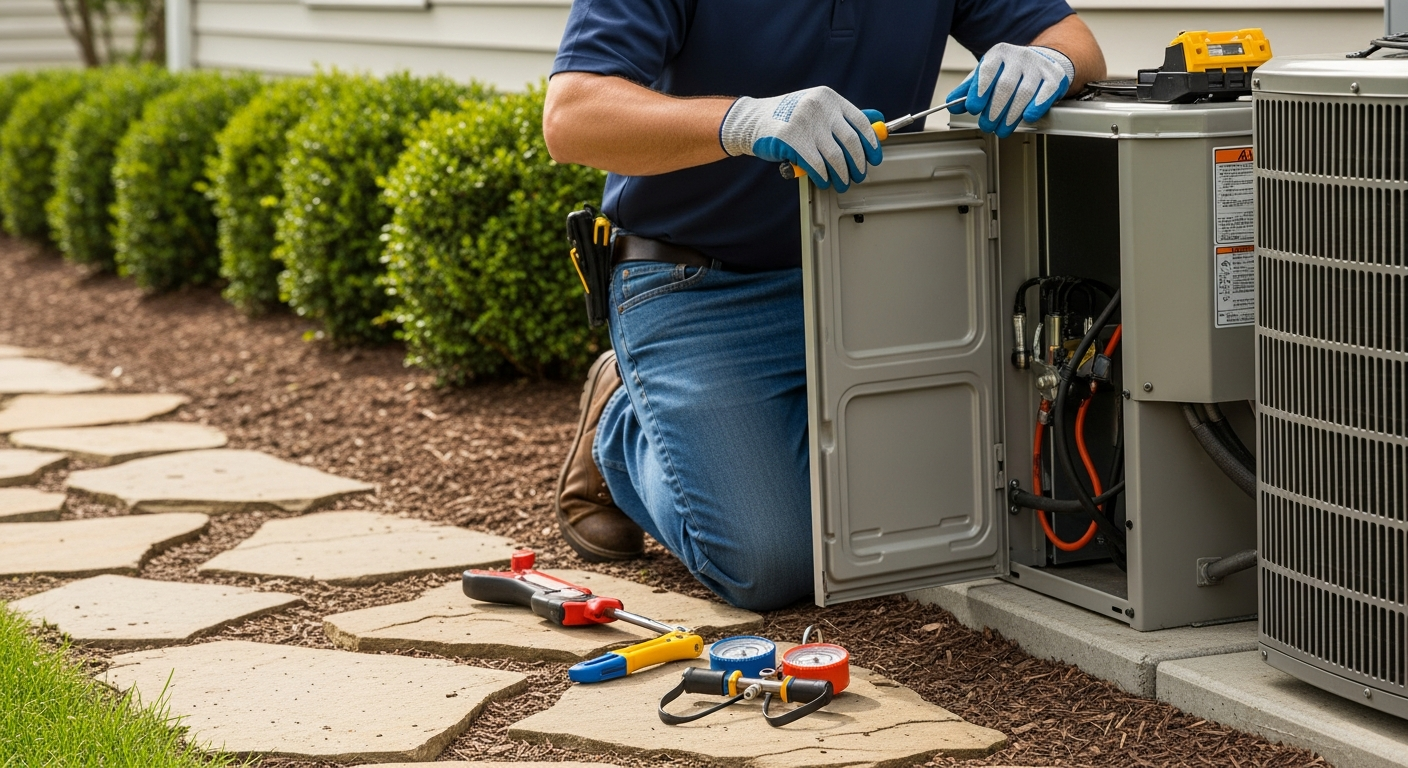
Deciding Between Water Cooled and Air Cooled HVAC
When managing a commercial property, selecting the right climate control system is one of the most significant investments you will make. The debate often centers on water cooled versus air cooled configurations.
Both systems serve the same purpose: removing heat from a building. However, they use different mediums and mechanical processes to achieve that goal, impacting your utility bills and maintenance schedules.
How Air Cooled Systems Work
Air cooled systems use ambient air to cool the condenser. These units are typically installed outdoors, such as on a rooftop or a ground-level pad, where they can access plenty of fresh air.
Fans pull outdoor air across a coil filled with refrigerant, dissipating heat directly into the atmosphere. Because they do not require a separate cooling tower or water source, they are often simpler to install and maintain.
Many building owners find that they need to properly size a commercial HVAC system before committing to an air cooled unit, as their efficiency can drop significantly during extreme heat waves.
The Mechanics of Water Cooled Systems
Water cooled systems use water as the heat transfer medium. These systems involve a cooling tower and a series of pumps to circulate water through a condenser.
Water has a much higher heat capacity than air, making these systems incredibly efficient. They are often preferred for very large facilities where energy savings over time can offset the higher initial installation costs.
If you are exploring complex building layouts, you might also be understanding fan coil units for HVAC and how they integrate with a central water-based chiller. You can find trusted HVAC contractors on HVACDatabase.com to help design these intricate systems.
Key Comparison Points
1. Installation and Space Requirements
Air cooled systems are generally more compact and require less indoor space. They are self-contained units that sit outside, making them ideal for buildings with limited mechanical room capacity.
Water cooled systems require an indoor mechanical room for the chiller and an outdoor area for the cooling tower. This footprint is larger and requires more complex piping.
2. Energy Efficiency
Water cooled systems are the gold standard for energy efficiency. Because water evaporates to carry away heat, the process is more effective than simply blowing air over a coil.
However, this efficiency comes at the cost of water consumption. In regions with water scarcity or high water rates, the utility savings on electricity might be negated by the water bill.
3. Maintenance and Longevity
Air cooled units are simpler but are exposed to the elements, which can lead to corrosion and a shorter lifespan (typically 15-20 years). Maintenance usually involves cleaning coils and checking fans.
Water cooled systems stay mostly indoors, protecting the expensive components. However, they require chemical water treatment to prevent scaling and algae growth in the cooling tower. If you are comparing costs, check our guide on flat rate vs hourly HVAC billing to understand how contractors charge for these services.
Which System is Right for Your Building?
Choosing between these two depends on your specific building needs and long-term goals. For example, if you are looking at how to plan HVAC for a co-working space, an air cooled system might be the easiest to manage.
- Choose Air Cooled if: You have a smaller building, want lower upfront costs, or have limited access to a steady water supply.
- Choose Water Cooled if: You manage a large scale facility, prioritize long-term energy savings, and have the staff to handle more intensive maintenance.
Modern technology has also made these systems smarter. Many owners are finding that remote HVAC monitoring is becoming standard, allowing you to track the performance of both air and water cooled systems from a smartphone.
Environmental and Operational Considerations
Beyond cooling, you must consider the overall air quality and movement within the structure. Deciding between mechanical vs natural ventilation is another layer of the commercial HVAC puzzle that works in tandem with your cooling choice.
In some climates, humidity control is just as important as temperature. While not always directly linked to the chiller type, some buildings utilize a bypass vs fan powered humidifier to maintain indoor comfort levels during the winter months.
Finding a Professional Partner
Regardless of the system you choose, the quality of the installation is the most important factor in its performance. A poorly installed water cooled chiller will never reach its rated efficiency.
Homeowners and commercial property managers can find trusted HVAC contractors on HVACDatabase.com. Using a directory ensures you are working with professionals who have experience in large-scale commercial applications and can provide the specialized maintenance these systems require.
Take the time to get multiple quotes and ask for a lifecycle cost analysis. This will help you see the total cost of ownership over twenty years, rather than just the initial price tag.
Related articles
Connect this page to adjacent guides so readers keep moving deeper into the topic cluster.
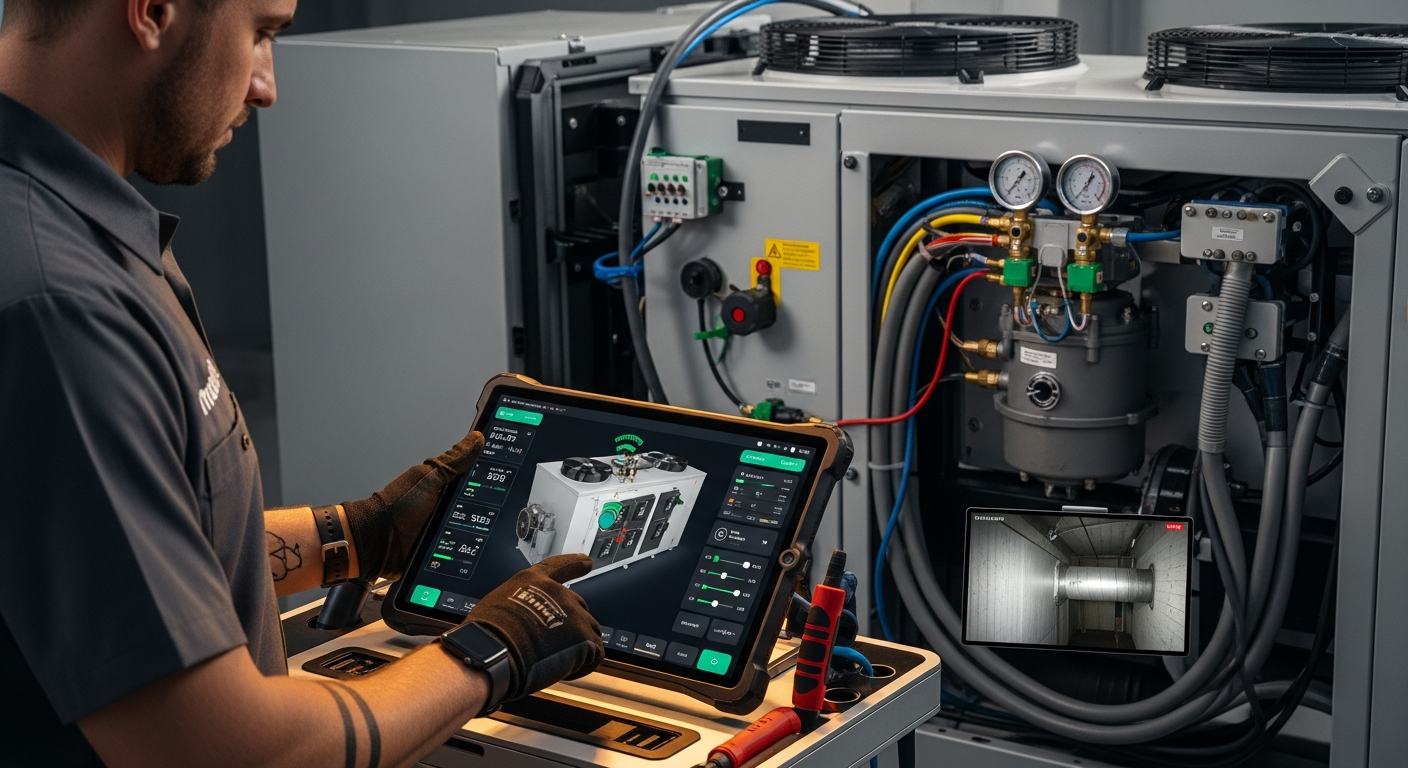
Central Plant vs Distributed HVAC for Commercial
Choosing between central plant and distributed HVAC systems impacts your building's efficiency and maintenance costs. Explore the pros and cons of each setup.
Tips for HVAC in Schools and Educational Buildings
Learn how to optimize HVAC systems in schools to ensure a healthy learning environment and reduce operational costs through expert maintenance and zoning.

Understanding HVAC Requirements for Restaurants
Running a restaurant requires specialized HVAC systems to manage heat, smoke, and odors. Learn the essential requirements to keep your kitchen and dining area comfortable.