Why Your Heat Pump Runs Constantly in Winter
Is your heat pump running 24/7 this winter? Discover when it's normal, 5 red flags that demand a technician, and practical tips to lower bills without DIY repair. Use our tools to estimate repair vs. replacement costs.
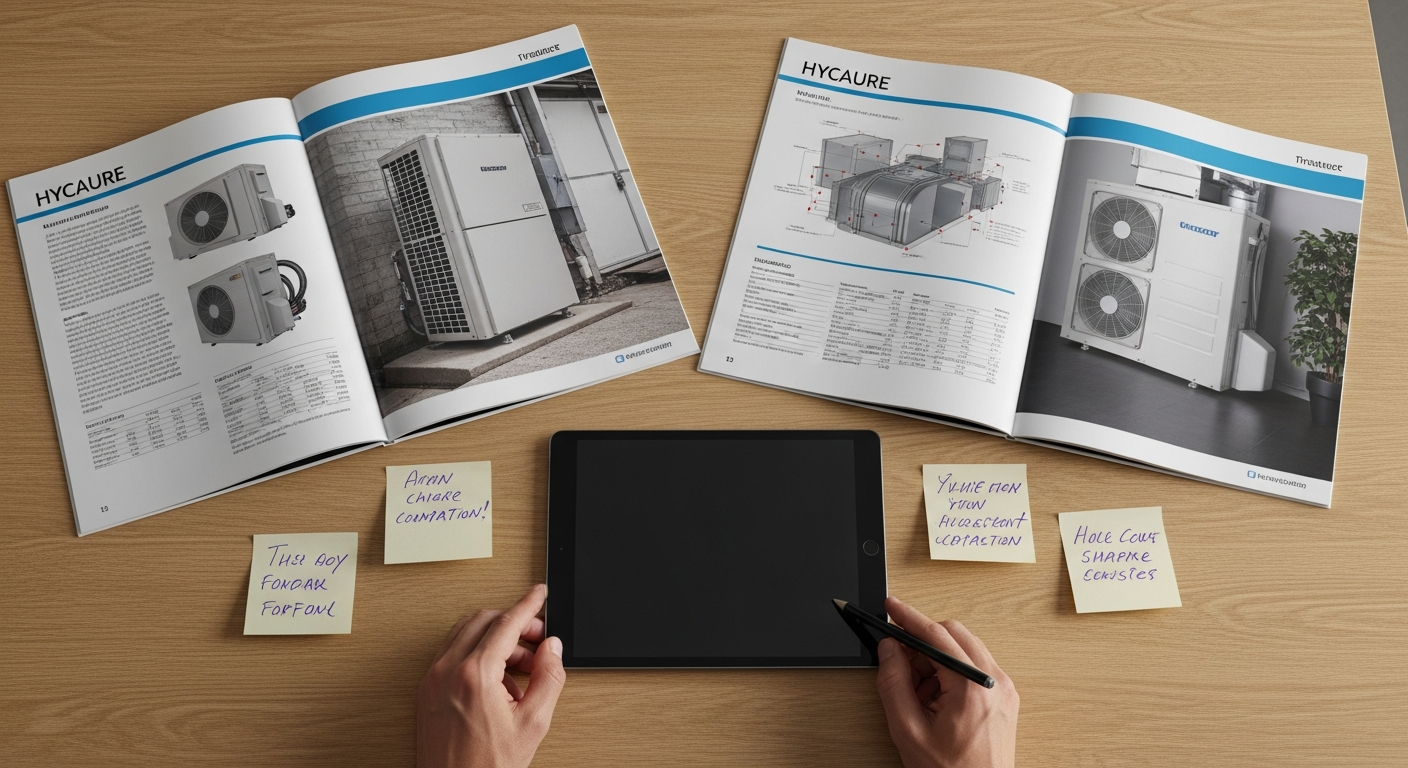
Monitor first, then act decisively
Most constant running is by design, especially below 35°F. But a simple 15-minute check of filter, thermostat, and ice buildup can reveal whether you need a service call. Use our tools to avoid unnecessary repairs and make informed upgrade choices.
What Matters Most
- Check your air filter every 30 days in winter—a $15 fix can prevent a $300 service call.
- Don't panic if the outdoor unit is silent during defrost; cold air from vents for 5–10 minutes is normal.
- Use our Repair or Replace Calculator if your system is over 10 years old and repair estimates top $1,500.
- Always ask a contractor to confirm your system's balance point and defrost cycle frequency.
Strengths
- Long run times at low speed reduce electrical spikes and wear.
- Variable-speed heat pumps can save 30–40% on heating costs vs. older single-stage models.
- Proactive filter and coil maintenance can add years to system life.
Weaknesses
- Ignoring ice buildup can destroy the outdoor coil, leading to a $3,000+ replacement.
- Emergency heat mode can double or triple your daily electricity cost if left on accidentally.
- Older heat pumps (pre-2010) may struggle below 25°F and need auxiliary heat, eroding savings.
Decision summary
| Scenario | Usually do | Why |
|---|---|---|
| Outdoor temp below 35°F, indoor temp holds | Let it run, check defrost occasionally | Normal operation; system is extracting low-grade heat |
| Indoor temp never reaches set point within 2 hours | Call a technician for diagnostics ($80–$200) | Possible refrigerant leak, failing compressor, or undersized system |
| Thick ice on outdoor unit not melting after 2 hours | Turn off system, call pro immediately | Defrost failure can cause permanent damage |
| System is 12+ years old and repair quote over $2,000 | Use Repair or Replace Calculator; consider replacement | A new cold-climate heat pump cuts bills and qualifies for rebates |
Quick Answer
Yes, it's common for a heat pump to run continuously when outdoor temperatures drop below 35°F. Unlike furnaces, heat pumps are designed for long, steady cycles to maintain temperature efficiently. However, if your indoor temperature can't reach the thermostat set point, your electric bill has spiked dramatically, or the outdoor unit is encased in ice that doesn't melt during defrost cycles, you likely have a problem that needs professional attention.
How Heat Pumps Handle Winter Cold
Heat pumps move heat from outside to inside. When it's cold out, there's less heat to extract, so the system runs longer. This low-intensity heating is normal and often more efficient than the short bursts of a furnace. Modern variable-speed heat pumps can run at low capacity for hours, using minimal electricity and keeping your home evenly warm without hot/cold spots.
Variable-Speed Compressors: A Key to Efficiency
If your heat pump is newer (installed after 2015), it likely has a variable-speed compressor. These units can ramp down to as low as 25% capacity, matching the exact heating need. That means instead of cycling on and off every 15 minutes, it might hum along continuously at a whisper-quiet level. This reduces wear and electrical spikes, but it can fool homeowners into thinking something is wrong.
When Constant Running Signals a Problem
Here are the red flags that separate normal operation from a costly malfunction:
- The indoor temperature never reaches the thermostat set point, even after hours of running.
- Air from the vents feels lukewarm or cold, not warm.
- Your electricity bills have increased by 30% or more compared to the same month last year, without a rate change.
- The outdoor unit is covered in a thick layer of ice that doesn't melt within 2 hours (normal defrost cycles last 5–15 minutes and should clear frost).
- Strange noises—grinding, screeching, or constant clicking—come from the outdoor or indoor unit.
| Observation | Likely Normal? | Action to Take |
|---|---|---|
| Runs for 2+ hours at 20°F | Yes | Let it run; check comfort level |
| Indoor temp 2° below set point after 1 hour | No | Check thermostat setting, filter; if persists, call pro |
| Outdoor unit icy but melting 3 times per hour | Yes | Monitor; ensure drain holes are clear |
| Ice thicker than ¼ inch covering entire coil | No | Turn off, call technician—may be defrost failure |
| Fan blowing cold air while outdoor unit is quiet | Yes (defrost cycle) | Wait 10 min; heat should resume |
Common Causes & Homeowner Checks (Safety Boundaries)
You Can Safely Check:
- Thermostat Settings: Make sure it's set to 'Heat' and the fan is on 'Auto.' If it's set to 'On,' the blower runs continuously, which can feel like the heat pump is running. Avoid 'Emergency Heat' mode—that uses electric strips and will spike your bill.
- Air Filter: A clogged filter restricts airflow, forcing the system to run longer. Check monthly in winter; replace if dirty. A $15 filter can prevent a $300 repair.
- Outdoor Unit Clearance: Remove leaves, snow, or debris blocking the coil. Keep at least 2 feet of clearance on all sides.
- Condensate Drain: If blocked, the unit may shut down or ice up. Gently clear any visible debris.
Pro-Only Tasks (Do Not Attempt):
- Refrigerant Leak Repair: Low refrigerant leads to 24/7 running and compressor damage. Only EPA-certified technicians can handle refrigerant. Costs typically $200–$1,500+ depending on leak severity.
- Compressor, Capacitor, or Control Board: These components carry high voltage. Diagnosis and replacement require specialized tools and training.
- Defrost Control Adjustment: Altering defrost timers or sensors can cause catastrophic icing or fire risk.
- Gas or Combustion Work: If you have a dual-fuel system, any gas furnace issues must be handled by a pro.
Editorial cost estimates: Diagnostic visit: $80–$200; common repairs like defrost sensor or thermostat: $150–$700; major repairs (compressor, coil): $800–$2,500+. Replacement heat pump: $7,000–$18,000+ installed. Prices vary by region and system specifics. Use our HVAC Cost Estimator for a personalized range.
Decision Rules: When to Call a Technician
Use these thresholds:
- If outdoor temperature is above 35°F and the heat pump runs nonstop without reaching set point → Call a pro.
- If the outdoor unit is frozen solid (ice not melting after 2 hours) → Shut off and call immediately.
- If your monthly heating bill doubles from one year to the next without extreme weather → Schedule a diagnostic.
- If the heat pump is over 12 years old and struggling to keep up → Start planning for replacement; use our Repair or Replace Calculator.
Contractor Checklist: Questions to Ask Before Approving Work
When you call a technician, get specific answers:
- 'What is the outdoor temperature balance point for my specific model, and was it set up correctly?'
- 'Can you show me the refrigerant pressure readings? Are they within the manufacturer’s spec?'
- 'Are my auxiliary heat strips working, and when should they kick in?'
- 'Is the defrost board functioning properly? How many defrost cycles per hour is normal?'
- 'Based on my system’s age and condition, is a repair more than 50% of the cost of a new unit? If so, what are my high-efficiency options?'
- 'Will you provide a written estimate with a breakdown of parts, labor, and warranty before starting?'
Local Context: Climate-Specific Advice
- Cold Climates (below 5°F regularly): Standard heat pumps lose capacity. If you don't have a cold-climate model (rated down to -15°F or lower), expect your backup heat to run more. Consider upgrading to a Mitsubishi Hyper Heat or Carrier Greenspeed.
- Humid/Coastal Areas: Salt air corrodes outdoor coils, reducing efficiency. An annual coil cleaning by a pro can restore performance. Check our cost guides for maintenance plans.
- Older Homes: Leaky ductwork or poor insulation forces longer run times. Seal ducts and add attic insulation before replacing the heat pump. Use our BTU Calculator to ensure proper sizing.
Tools to Take Action
HVACDatabase offers free tools to help you decide:
- Repair or Replace Calculator: Enter your system's age, repair cost, and see if replacement makes financial sense.
- Heat Pump Savings Calculator: Compare annual running costs vs. furnace or older heat pump.
- HVAC Cost Estimator: Get rough pricing for repairs or new installations in your area.
- Find Local Contractors: Search for rated professionals who specialize in heat pumps.
- Contractor Comparison: See side-by-side quotes to avoid overpaying.
Methodology
Our recommendations are based on manufacturer guidelines (from major brands like Carrier, Trane, Mitsubishi), Energy Star best practices, and aggregated data from HVACDatabase’s network of licensed contractors. Cost ranges reflect national averages and local pricing variations as reported by our partner contractors in 2024. We update cost data quarterly. Always get multiple quotes for any major repair or replacement.
FAQs
How many hours per day should a heat pump run in winter?
In mild cold (30–40°F), it might run 2–3 cycles per hour, each 10–15 minutes. Below 20°F, it could run 90% of the time. A well-installed cold-climate heat pump may run 24/7 at very low temperatures, which is efficient and normal. The key is whether it maintains your set temperature.
Why does my heat pump blow cold air sometimes?
During a defrost cycle, the system temporarily reverses to melt ice on the outdoor coil. The indoor blower may run without heat, so air feels cool. This should last 5–15 minutes. If cold air persists, check if the thermostat is set to 'Cool' or if the outdoor unit is malfunctioning.
Can a dirty air filter really cause my heat pump to run constantly?
Absolutely. A clogged filter can reduce airflow by 50% or more, which lowers the system's ability to transfer heat. The heat pump then runs longer to reach the thermostat set point. Replace or clean the filter every 1–3 months in winter, depending on usage and pets.
At what outdoor temperature should I switch to emergency heat?
Only switch to emergency heat if your heat pump fails completely or cannot keep up and you need immediate backup. Emergency heat bypasses the heat pump and uses expensive electric resistance strips. For standard heat pumps, the balance point where auxiliary heat supplements is usually around 30–35°F. With cold-climate models, that drops below 0°F. Check your manual or ask your contractor to confirm your system's balance point.
How much does it cost to fix a heat pump that won't stop running?
It depends on the cause. A simple thermostat calibration or filter change: $0–$50. A defrost control board: $200–$500. Refrigerant leak repair: $400–$1,500. Compressor failure: $1,500–$2,500. If repair costs exceed 50% of a new unit’s price and your system is over 10 years old, replacement may be wiser. Use our Repair or Replace Calculator to compare.
Need a pro? Search for trusted HVAC contractors near you and read verified reviews.
Related articles
Connect this page to adjacent guides so readers keep moving deeper into the topic cluster.

Tips for Choosing a Smart Thermostat for a Heat Pump
Learn which smart thermostat features prevent expensive auxiliary heat mistakes, how to verify compatibility, and when to call a pro.
Understanding C Wire Adapters for Smart Thermostats
Missing the C wire for your smart thermostat? C wire adapters solve power issues without pulling new wiring. Compare types, costs, and installation options.

Best Smart Thermostats for Multi Zone Homes
Discover which smart thermostats deliver accurate zoning, remote sensors, and energy savings for homes with multiple HVAC zones. Our guide helps you pick the right model and avoid costly compatibility mistakes.