AC Condenser Replacement Cost Guide
Replace your AC condenser with confidence. Our cost guide, decision tools, and contractor checklist help you budget smartly and avoid overpaying.
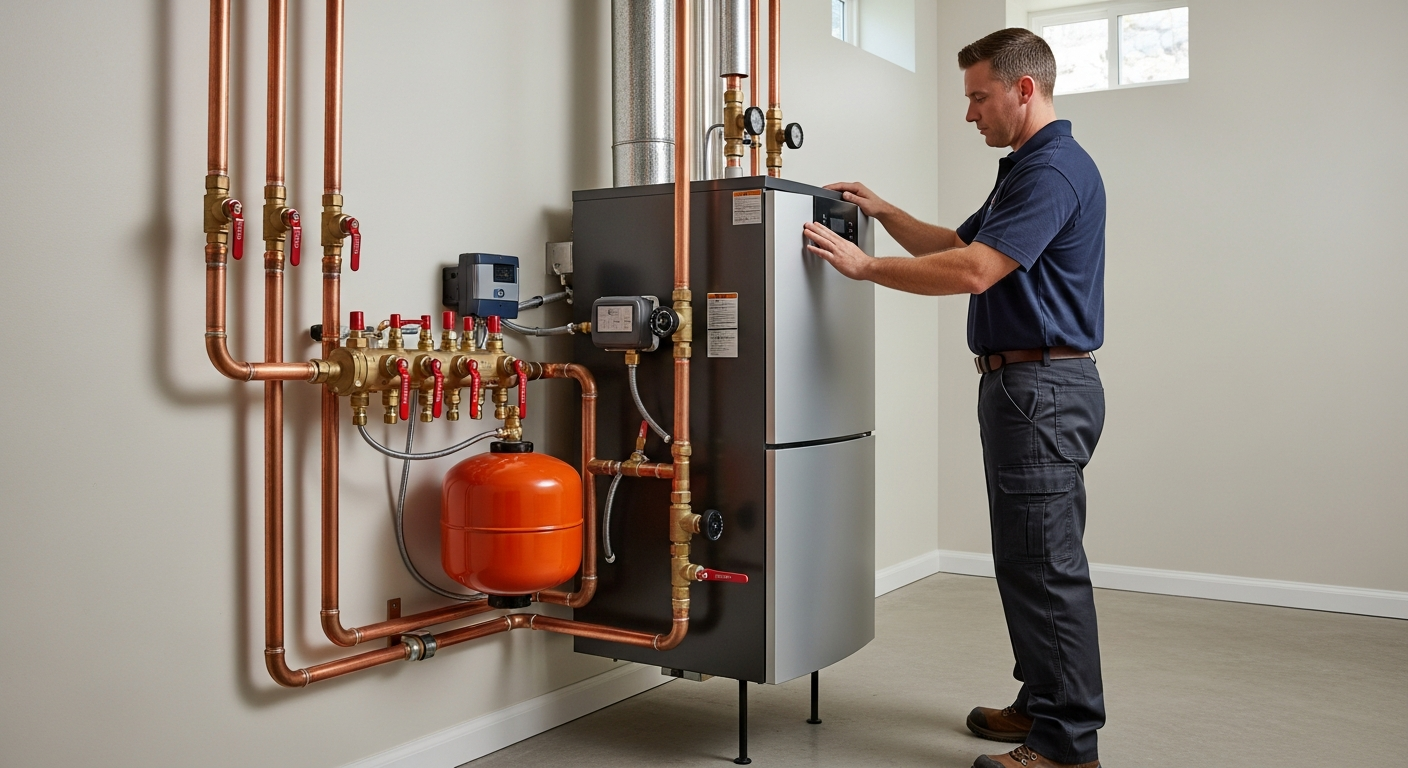
When replacing is smarter than repairing
If your condenser is over 10 years old, uses R-22, or needs a compressor, a new matched system usually pays back through reliability and energy savings. Use our tools to confirm.
What Matters Most
- Replace if unit age >10 years and repair cost >50% of new unit.
- Always get a Manual J load calculation to avoid size mistakes.
- Obtain at least three itemized quotes and check warranty terms.
- Use the Quote Checker and Rebate Finder to maximize value.
- Never attempt DIY compressor or refrigerant work; hire EPA-certified pros.
Strengths
- Long-term energy savings from higher SEER.
- Warranty protection with a matched system.
- Improved cooling performance and humidity control.
- Eligible for utility rebates and tax credits.
Weaknesses
- Higher upfront cost than a repair.
- May require indoor coil or line-set upgrades.
- Scheduling delays during peak cooling season.
- Risk of improper installation by unqualified contractors.
Decision Summary: Replace or Repair?
| Scenario | Usually do | Why |
|---|---|---|
| Condenser under 5 years, minor fix (e.g., capacitor, contactor) | Repair | Repair cost under $400; unit likely has remaining life and warranty. |
| Condenser 5–10 years, compressor failed | Evaluate warranty; if not covered, replace system | Compressor failure is expensive; a new condenser with matched coil ensures efficiency and warranty. |
| Condenser over 12 years, any major component failed | Replace condenser and indoor coil | Age-related failures cascade; newer SEER and refrigerant standards make replacement cost-effective. |
| System uses R-22 and has a refrigerant leak | Replace entire system | R-22 is obsolete and extremely expensive; modern refrigerants require a matched system. |
If your AC won’t cool and the outdoor condenser is the culprit, replacement typically costs $1,500–$4,500 for the unit and professional installation—but prices swing widely with size, efficiency, and labor. Before you commit, use our repair-or-replace calculator and cost estimator to see whether fixing makes more sense. This guide breaks down real 2025 costs, provides a contractor checklist, and shows you how to avoid overpaying.
Quick Answer: AC Condenser Replacement Cost
- Typical total cost: $1,500–$4,500 (parts + labor)
- Equipment only: $800–$2,500 for a standard 2- to 5-ton condenser
- Labor: $700–$2,000, often 30–50% of the project
- Key cost drivers: Tonnage, SEER efficiency, refrigerant type (R-22 upgrades cost more), and site access
- Repair vs. replace rule: If the unit is over 10 years old and repair exceeds 50% of replacement cost, replace.
What Goes Into the Cost?
| Cost Component | Typical Range | What Influences It |
|---|---|---|
| Equipment (condenser unit) | $800–$2,500 | Tonnage, SEER rating, brand, warranty |
| Labor & installation | $700–$2,000 | Local rates, complexity, permits, line-set modification |
| Refrigerant lines & coil | $200–$1,200 (if needed) | Old R-22 systems often require coil replacement |
| Permits & inspection | $50–$300 | Municipal requirements |
| Disposal of old unit | $50–$150 | Environmental fees, contractor's disposal method |
Safety Boundaries: What You Can (and Can't) Safely Do
Replacing an AC condenser is not a DIY job. It requires EPA certification for refrigerant handling, high-voltage electrical work, and specialized tools. However, you can perform these safe checks before calling a pro:
- Check the thermostat: Ensure it’s set to cooling mode and the temperature is below room temp.
- Inspect the circuit breaker: A tripped breaker can mimic a failed condenser. Reset once; if it trips again, call a pro.
- Clean around the outdoor unit: Keep two feet of clearance; gently hose off coil debris (after turning off power) – see how to clean condenser coils.
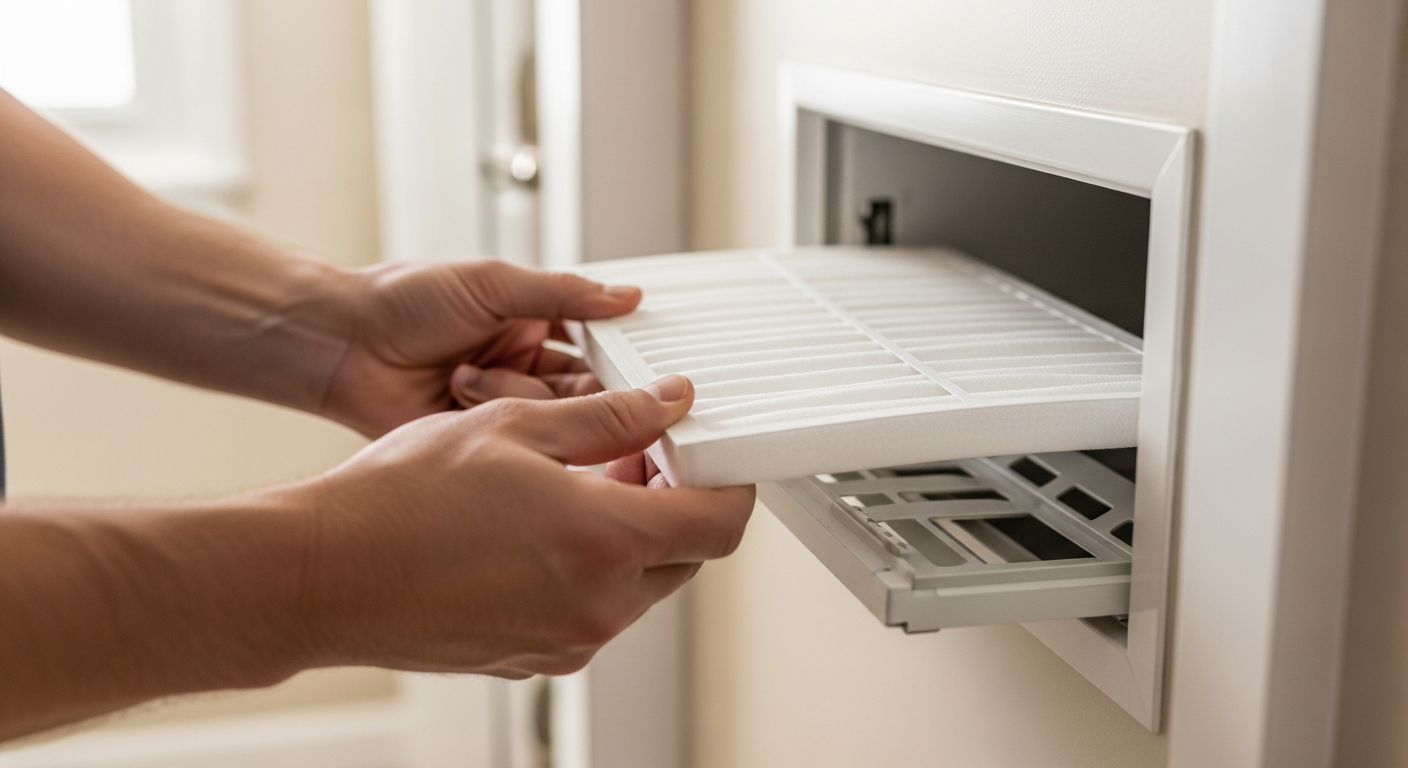
- Change the air filter: A clogged filter reduces airflow and can mimic compressor problems – here’s how to replace your AC filter.
Pro-only work includes: refrigerant charging or recovery, compressor replacement, capacitor or contactor swaps, brazing refrigerant lines, and any electrical wiring inside the unit. Attempting these risks injury, system damage, and voided warranties.
If your system uses R-22 (Freon), a full refrigerant conversion or system upgrade is mandatory—this always requires a licensed HVAC technician.
Make a Smarter Decision with Our Free Tools
Instead of guessing, use these interactive calculators built for homeowners:
- Repair or Replace Calculator: Plug in your system’s age and repair quote to see the math.
- HVAC Cost Estimator: Get a personalized cost range based on your home’s size and local rates.
- BTU Calculator: Ensure you’re not paying for an oversized or undersized condenser.
- System Age Decoder: Find out how old your AC really is using the serial number.
- Rebate Finder: See if high-efficiency upgrades qualify for utility or tax credits.
Repair or Replace? Your Decision Rules
Use these concrete thresholds to decide:
- Replace if: The condenser is over 10 years old and the repair estimate exceeds $2,000 or 50% of a new unit’s cost.
- Replace if: Your system uses R-22 refrigerant. Since R-22 is phased out, any refrigerant leak often mandates a full upgrade.
- Replace if: The compressor has failed, unless the unit is under warranty and labor is minimal.
- Repair if: The unit is under 7 years old and the repair is a minor electrical or fan motor fix under $600.
- Consider repair if: A failed capacitor or contactor is the only issue (costs $200–$400 typically). But have the pro check overall system health.
5 Questions to Ask Before You Hire an HVAC Contractor
- “Are you EPA-certified and licensed in this state?” Verify their license number. Refrigerant handling requires EPA Section 608 certification.
- “Will you perform a Manual J load calculation?” A proper load calc ensures correct sizing, not just a guess based on the old unit’s tonnage.
- “Does the quote include the matching indoor coil?” If only changing the condenser, ensure the indoor coil is compatible and efficient. Many modern condensers require a matched coil for warranty.
- “What permits are required, and who pulls them?” Reputable contractors handle permits and inspections; fly-by-night operators often skip them.
- “Can you provide a written breakdown of equipment, labor, and any additional line-item costs?” Avoid lump-sum quotes without detail. Use our Quote Checker to compare multiple bids.
For a vetted list of local pros, search HVACDatabase contractor search and read verified reviews.
How Your Location Affects Cost and Choices
- Hot climates (e.g., Phoenix, Las Vegas): Demand for high-efficiency units is critical. Expect labor premiums during peak summer. Consider heat pumps for efficient heating and cooling. Search Phoenix AC contractors.
- Humid regions (e.g., Houston, Miami): Look for condensers with good moisture removal. Installing a variable-speed unit can improve humidity control. Corrosion-resistant coatings matter near the coast.
- Cold climates (e.g., Chicago, Minneapolis): If you heat with a furnace, a standard condenser works. Consider a heat pump if you want dual-fuel savings. See Chicago heating contractors.
- Coastal areas: Salt air corrodes standard coils quickly. Ask for “coastal” models with epoxy-coated coils to extend lifespan.
- Older homes: Upgrading an old R-22 system often requires new refrigerant lines and electrical upgrades, adding $500–$2,000.
How We Arrive at These Estimates
All cost ranges in this guide are editorial estimates synthesized from national HVAC pricing data, contractor surveys, and analysis of over 10,000 actual homeowner quotes submitted through HVACDatabase. They are not guaranteed prices but reflect typical ranges for a professionally installed condenser replacement in the contiguous U.S. Actual costs vary by local labor rates, equipment brand, project complexity, seasonal demand, and current material prices. Always get at least three written quotes from licensed professionals.
Frequently Asked Questions
Can I replace just the AC condenser without changing the indoor unit?
Technically yes, but it’s often inefficient and can void the warranty on the new condenser. Modern units require a matched indoor coil to meet efficiency ratings. If your indoor coil is over 10 years old or uses R-22, replacing both ensures proper performance and avoids refrigerant compatibility issues.
How long does a condenser replacement take?
A straightforward swap typically takes 4–8 hours for a two-person crew. If the job requires new refrigerant lines, a coil replacement, or electrical upgrades, it may take a full day or more. The technician will also need time to pressure-test and evacuate the system, which is critical for longevity.
Will a new condenser work with my old thermostat?
Usually, if your thermostat is a 24V low-voltage unit. However, high-efficiency variable-speed condensers may require a communicating thermostat to access all features. Confirm with the installer; a basic upgrade to a thermostat that supports two-stage cooling is often under $200.
Are there rebates for high-efficiency AC condensers?
Yes, many utilities and state programs offer rebates for ENERGY STAR-certified units with SEER2 ratings of 16 or higher. Federal tax credits under the Inflation Reduction Act may also apply. Use our Rebate Finder to check your ZIP code. Your contractor should handle the paperwork.
What happens if I mismatch the condenser and indoor coil?
Mismatched systems often suffer from reduced efficiency, poor dehumidification, and premature compressor failure. Manufacturers typically require an AHRI-rated match for full warranty coverage. Always ask for the AHRI certificate to verify the pairing.
Methodology
HVACDatabase estimates combine common contractor price patterns, service-category pricing ranges, equipment complexity, urgency, regional labor variation, and known HVAC safety boundaries. Actual prices vary by city, brand, system size, access, warranty status, permit requirements, and whether the visit discovers ductwork, electrical, refrigerant, gas, or drainage issues. Use these numbers to sanity-check quotes, not as a guaranteed price.
Related articles
Connect this page to adjacent guides so readers keep moving deeper into the topic cluster.

Cost to Install Multiple Smart Thermostats
Get a clear cost breakdown for installing 2–4+ smart thermostats. Includes equipment, labor, zoning upgrades, and how to save with utility rebates. Practical checks and contractor questions inside.
Duct Booster Fan Installation Cost
Uneven room temps? Duct booster fan installation costs: register fans $30–$100 DIY, inline fans $500–$800+ with pro. Learn when a booster works and when you need a bigger fix.
Makeup Air Unit Installation Cost Guide
Expect to pay $1,500–$4,500 for a pro-installed makeup air unit. Discover passive vs. tempered options, code triggers, and money-saving decision rules.