How to Clean Your AC Condenser Coils
Dirty AC condenser coils can spike energy bills. Learn when DIY cleaning makes sense, what it costs to hire a pro, and how to decide safely.

DIY Coil Cleaning: Worth It When Conditions Are Right
Regular coil cleaning is a low-cost, high-impact maintenance task that attentive homeowners can safely do. But heavy buildup, inaccessible units, or concurrent symptoms demand professional diagnostics—not just a rinse.
What Matters Most
- Clean coils at least annually to keep energy bills in check.
- DIY cleaning costs under $60; professional service runs $80–$250 and includes inspection.
- Always shut off electrical power before even approaching the unit.
- A garden hose and foaming cleaner are effective; never use a pressure washer.
- If the system is over 12 years old or shows signs of trouble, hire a pro.
Strengths
- Immediate savings: a clean coil can cut AC runtime by 20–30%.
- Low cost of entry: basic supplies pay for themselves in one cooling season.
- Increased comfort: better heat rejection means colder air.
- Prolongs equipment life: reduced compressor strain often adds 2–5 years.
Weaknesses
- Risk of fin damage: one wrong spray can crush fins permanently.
- Electrical hazard: forgetting to shut off power can cause shock or equipment damage.
- Limited deep cleaning: surface rinsing may not remove embedded grime.
- No diagnostics: you might miss refrigerant leaks or electrical faults.
Cleaning Decision Summary
| Scenario | Usually do | Why |
|---|---|---|
| Light seasonal dust | DIY cleaning | Safe, quick, low-cost; nets 5–15% efficiency gain |
| Heavy matted dirt or grease | Hire a pro | Requires strong cleaners and tools; risk of fin damage is high |
| Unit >12 years old | Pro inspection + cleaning | Age often brings hidden wear; a tune-up catches failing parts |
| Hard-to-reach location | Hire a pro | Safety risk for untrained homeowner; pros have proper equipment |
| Annual maintenance plan in place | Let your tech do it | Already paid for as part of your plan; avoid duplication |
Quick Answer: Should You Clean Your AC Condenser Coils Yourself?
If your outdoor unit has light seasonal dirt and you can safely access it, cleaning condenser coils is a straightforward DIY task that can improve cooling efficiency by 5–15%. However, if coils are heavily impacted, the unit is older than 10 years, or you’re uncomfortable working with electricity, hiring a local professional is the smarter, safer choice. Always shut off power before touching the unit.
Why Dirty Condenser Coils Cost You Money
Your AC’s condenser coils release heat absorbed from inside your home. When they get caked with dirt, grass, and debris, the system struggles to reject heat. The compressor runs longer, energy use climbs, and components wear faster. The U.S. Department of Energy estimates that routine coil cleaning can reduce AC energy consumption by up to 15%. For a typical 3-ton system, that’s $25–$50 saved per cooling season. But poor technique can bend fins or cause leaks—turning a $50 maintenance task into a $1,500 repair.
How Dirty Coils Affect Performance
- Higher electricity bills: Dirty coils increase system runtime by 20–30%
- Reduced cooling: Heat transfer drops, so rooms feel warmer
- Short cycling: Overheated compressor shuts down prematurely
- Ice buildup: Insufficient heat release can lead to frozen evaporator coils
- Premature failure: Extra strain shortens compressor life, a $1,500–$4,000 repair
Safety Boundaries: What Homeowners Can (and Can’t) Do
This is not a step-by-step repair guide. Refrigerant lines, electrical components, and compressor terminals are off-limits for DIY work. The following safety rules protect you and your system:
| Safe for Homeowners | Leave to Licensed Pros |
|---|---|
| Shutting off power at disconnect box and thermostat | Checking or adding refrigerant |
| Clearing debris and vegetation | Opening sealed refrigerant circuit |
| Removing housing panels (with unit off) | Testing capacitors or contactors |
| Gentle coil brushing and rinsing with garden hose | Replacing compressor or coil |
| Using biodegradable coil cleaner (no acid-based chemicals) | High-voltage wiring repairs |
| Straightening a few bent fins with a plastic fin comb | Diagnosing electrical shorts |
If you smell burning, see oil around the unit, or hear grinding: stop, leave the power off, and call a pro. Those symptoms often signal compressor or motor failure.
How to Clean Condenser Coils (Light Overview)
Understand the process before deciding. This overview helps you assess whether you’re equipped. Always refer to your owner’s manual for model-specific warnings.
- Power off: Flip the breaker or pull the disconnect plug near the unit.
- Clear surroundings: Maintain 2 feet of clearance; trim plants.
- Remove outer casing: Unscrew panels and set aside.
- Dry brush: Gently remove loose debris from fins with a soft brush.
- Apply cleaner: Use a foaming AC coil cleaner; let sit 5–10 minutes.
- Rinse: With a garden hose on moderate stream, spray from inside out. Never use a pressure washer.
- Reassemble and restore power.
If you’re unsure about any step, hire a professional. A basic maintenance call costs $80–$250 and includes a full system check. Once coils are clean, also check your condensate drain pan to prevent water damage and read our guide on summer AC readiness.
Decision Rules: DIY or Pro? Concrete Thresholds
Use this table to decide quickly. If you answer “yes” to any Pro column, call a licensed technician.
| Scenario | Usually DIY | Usually Pro |
|---|---|---|
| Access | Unit on ground, open area | Rooftop, tight closet, or requires ladder |
| Dirt level | Light dust, grass clippings | Thick matting, grease, or pet hair |
| System age | Under 8 years, well-maintained | Over 12 years or unknown history |
| Physical ability | Comfortable lifting panels, kneeling | Mobility or strength concerns |
| Time since last service | Less than 18 months | Over 3 years or never cleaned |
| Electrical familiarity | Confident with breaker/disconnect | Unsure which switch controls unit |
| Symptoms present | Normal operation, just dirty | Noisy, ice, oil leaks, or tripped breaker |
Cost Comparison: DIY vs. Professional Cleaning
Figures are editorial estimates based on national averages. Actual prices depend on location, system accessibility, and service provider.
| Expense | DIY (One-Time) | Professional (One Visit) |
|---|---|---|
| Coil cleaner | $10–$25 | Included |
| Fin comb | $8–$15 | Included |
| Brush, gloves, screwdriver | $0–$20 (if needed) | — |
| Labor | Your time (1–2 hours) | $80–$250 |
| Total cost | $18–$60 | $80–$250 |
| What’s included | Cleaning only | Cleaning + system inspection, minor adjustments |
Annual maintenance plans ($150–$500) often cover coil cleaning along with other tune-ups. Use the HVAC Cost Estimator to get localized pricing for your area.
Tools and Calculators to Guide Your Decision
- HVAC Cost Estimator: See typical service costs in your ZIP code.
- Repair or Replace Calculator: If your system is aging and needs frequent cleaning, see if a new unit is more economical.
- BTU Calculator: Ensure your AC is sized right; an undersized unit works harder and gets dirtier faster.
- Rebate Finder: Upgrade incentives for high-efficiency systems in your state.
Local Climate Considerations
Hot, Humid Climates (e.g., Houston, Miami)
Mold and mildew thrive on coil surfaces. Clean coils every 2–3 months during peak summer. Consider a corrosion-resistant coil coating if you’re near salt water.
Cold Climates (e.g., Minneapolis, Denver)
Condenser units are dormant in winter. Clean thoroughly before covering or storing. In spring, remove any protective cover and inspect for rodent nests before startup.
Coastal Areas (e.g., San Diego, Charleston)
Salt-laden air accelerates aluminum corrosion. Rinse coils monthly with fresh water during cooling season. Ask your technician about salt-spray-resistant fin materials.
Older Homes (pre-1990, nationwide)
Older AC units often have thinner fins that are easier to bend. Use extra care or default to professional cleaning. If your unit is 15+ years old, invest in a service plan rather than DIY.
Contractor Checklist: Questions to Ask Before You Hire
Use these questions when obtaining quotes for coil cleaning service. Compare at least three providers through the HVACDatabase Contractor Comparison tool.
- Are you licensed and insured in my state? (Ask for proof.)
- Does the price include full system inspection or only coil cleaning?
- Do you use environmentally friendly, non-acidic cleaners?
- Will you provide before-and-after photos of the coils?
- Can you check refrigerant pressures and electrical connections during the visit? (Pro work only—don’t attempt yourself.)
- What is your warranty on cleaning or any adjustments made?
- Do you offer an annual maintenance plan? What’s the per-visit cost?
Why Our Recommendations Are Different: Methodology
HVACDatabase editors combine field research, manufacturer guidelines, and aggregated cost data from thousands of homeowner reports and contractor bids. Our editorial estimates reflect median national prices and are updated quarterly. They are not guaranteed quotes; always obtain local, written estimates. We prioritize safety, enforce strict DIY boundaries, and highlight when a licensed professional is the smart choice.
Frequently Asked Questions
How often should I clean my AC condenser coils?
In most climates, once a year, usually in spring before peak cooling. Arid, dusty regions and coastal areas may need cleaning 2–3 times per season. Check coils monthly; if you see visible buildup, it’s time.
Can I use a pressure washer to clean the coils faster?
No. Pressure washers bend and flatten the delicate aluminum fins, permanently reducing airflow. Use a garden hose with a moderate spray only.
Will cleaning the coils really lower my electric bill?
Yes. Dirty coils increase energy use by 5–15%. On a typical $200 summer cooling bill, that's $10–30 saved per month. Over a season, $50–$150 is common.
What if I accidentally bend the fins while cleaning?
Minor bending is fixable with a plastic fin comb ($8–$15). Straighten gently, aligning with the original pattern. If large areas are crushed, call a professional—they may need fin replacement or a coil comb-out.
Is it safe to clean coils if the unit is still under warranty?
Generally yes, but check your warranty terms. Improper cleaning (e.g., pressure washing, corrosive chemicals) can void coverage. Document your process, or hire a certified tech to maintain warranty compliance.
Need a trusted local technician? Search HVACDatabase’s directory of licensed, reviewed pros in your area. Or use our contractor comparison tool to evaluate quotes side by side.
Related articles
Connect this page to adjacent guides so readers keep moving deeper into the topic cluster.
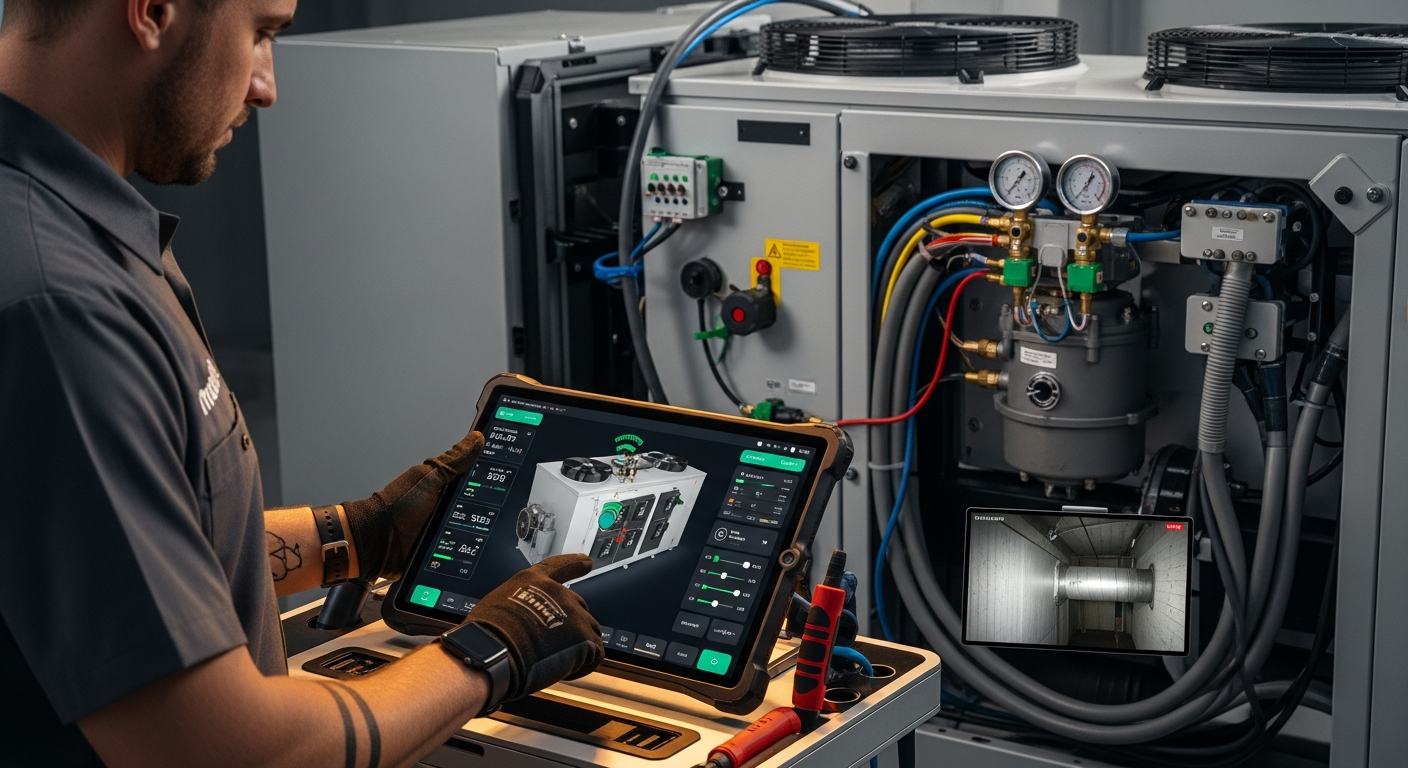
How to Implement a Whole Home Energy Management System
Integrate smart tech and HVAC controls to cut energy waste. This guide shows how to audit, upgrade, and automate your home's energy use, with real savings estimates.
How to Set Up Thermostat Geofencing
Set up thermostat geofencing to automatically adjust home temperature as you come and go. Save energy, extend equipment life, and never return to an uncomfortable house. Get our quick-start guide now.
How to Troubleshoot Smart Thermostat WiFi Issues
Your smart thermostat offline? Most WiFi drops can be fixed with power checks, router adjustments, and simple restarts. Follow our step-by-step guide to regain remote control and energy savings.