Commercial Duct Cleaning Cost Guide
Commercial duct cleaning typically costs $0.30–$0.50/sq ft. Small offices start at $600, while large facilities exceed $15,000. Use our guide and tools to budget wisely.
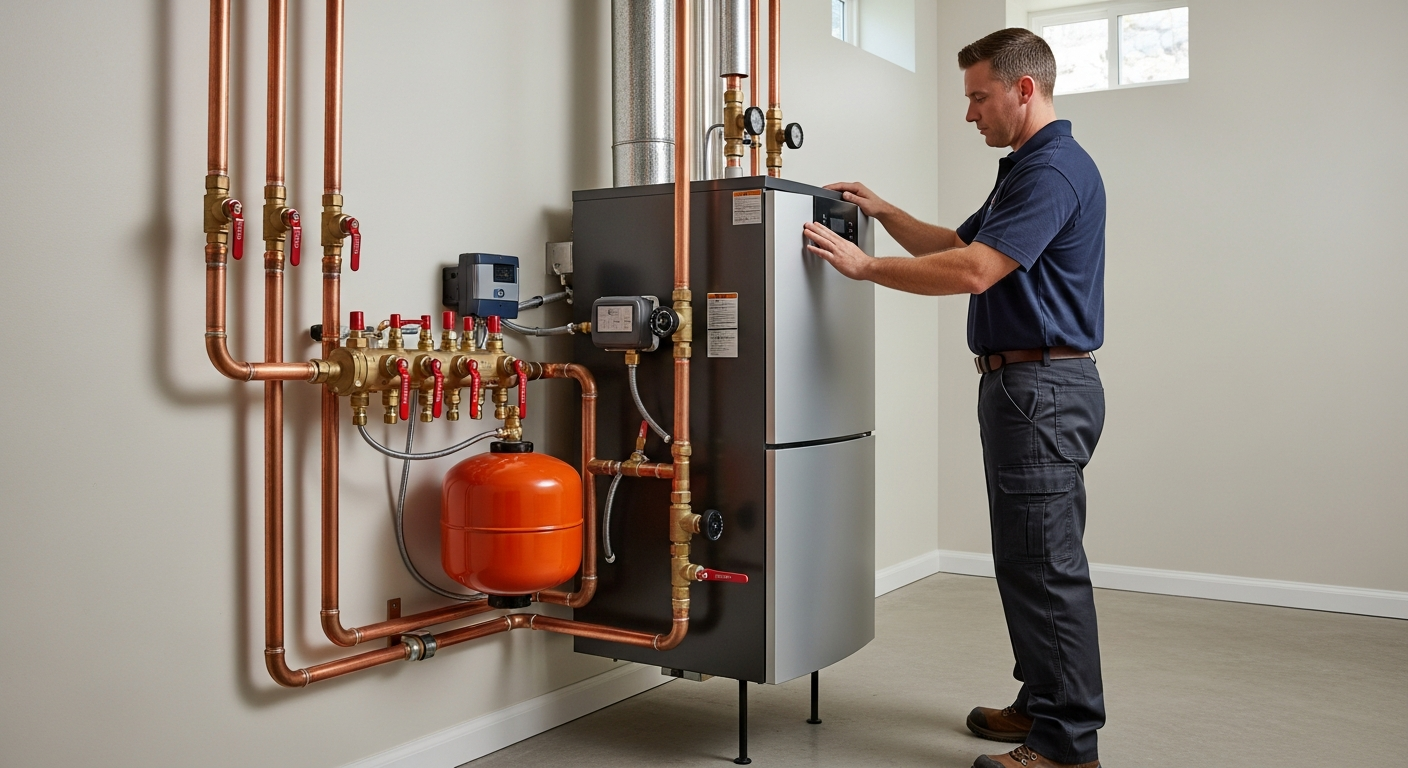
Get NADCA‑certified pros and negative‑air cleaning for lasting results
Invest in professional duct cleaning using proven methods to protect occupant health and reduce long‑term energy costs. Avoid low‑ball offers that skip essential steps.
What Matters Most
- Budget $0.30–0.50 per square foot for a thorough job.
- Prioritize cleaning after renovation or signs of mold.
- Always verify NADCA certification and negative‑air equipment.
- Use HVACDatabase free tools to check quotes and compare contractors.
Strengths
- Dramatically improves indoor air quality for healthier occupants.
- Extends the life of your HVAC equipment by reducing strain.
- Lowers energy bills by restoring proper airflow.
- Helps meet regulatory and insurance requirements for commercial properties.
Weaknesses
- Upfront cost can be significant, especially for large facilities.
- Requires scheduling downtime that may disrupt business operations.
- Industry is prone to scams; unqualified cleaners can worsen air quality.
- May uncover hidden damage that requires costly repairs.
Decision Summary
| Scenario | Usually do | Why |
|---|---|---|
| After renovation dust | Schedule cleaning | Removes drywall dust and debris that can foul the system. |
| Mold smell from vents | Clean immediately | Health hazard; professional remediation is critical. |
| Routine maintenance every 3-5 years | Inspect and clean if needed | Prevents buildup and maintains efficiency. |
| Unexplained high energy bills | Inspect ducts and coils | Dirty system may be causing restricted airflow. |
| Tenant complaints about allergies | Assess and clean | Poor indoor air quality affects occupant comfort and health. |
Commercial duct cleaning is an investment in indoor air quality and HVAC efficiency. Costs depend on building size, system complexity, and contamination level. This guide shows you typical price ranges, helps you decide when to clean, and gives you a contractor checklist to avoid overpaying. Use our tools to estimate your specific cost and verify quotes.
Quick Answer: How Much Does Commercial Duct Cleaning Cost?
Most facilities pay $0.30–$0.50 per square foot. A small office (2,000 sq ft) typically costs $600–$1,000; a mid-sized building (10,000 sq ft) runs $3,000–$5,000; a large complex (50,000+ sq ft) can exceed $15,000. Per‑vent pricing averages $35–$60, often used for smaller jobs. These are editorial estimates; final quotes vary by region, access, and contamination.
| Factor | Impact on Cost | Why It Matters |
|---|---|---|
| Square footage | Primary driver | More ductwork requires more labor and equipment time. |
| Number of vents/registers | $35–$60 per vent | Each starting point adds setup time. |
| Access difficulty | +20–50% | High ceilings, tight spaces, or drop ceilings increase labor. |
| Contamination level | +30–100% | Mold, pests, or heavy debris require specialized remediation. |
| Region and labor rates | Varies | Urban areas with higher wages raise prices. |
What You Can Check Safely — and When to Call Pros
Homeowner & Facility Manager Checks
- Inspect accessible registers and return grilles for dust buildup.
- Check air filters monthly; replace if dirty.
- Listen for airflow changes; reduced flow may indicate blockage.
- Look for musty odors or visible mold near vents.
Pro‑Only Tasks
- Using negative‑air machines and agitation tools to clean duct interiors.
- Cleaning coils, blowers, and other HVAC components that require opening cabinets.
- Applying antimicrobial treatments or encapsulants.
- Any work involving refrigerant, gas lines, or high‑voltage electrical components.
Use Our Free Tools to Guide Your Duct Cleaning Decision
Before you schedule, get a personalized estimate with our HVAC cost estimator. Already have a quote? Run it through our Quote Checker to see if the price is fair. For older systems, consider whether it's time to repair or replace with more efficient units that may reduce future cleaning needs.
When to Clean: A Decision Guide
- Clean after any major renovation or construction project.
- If you see visible mold growth inside ducts, schedule immediately.
- If your facility has experienced pest infestations, clean ducts as part of remediation.
- For typical commercial spaces, clean every 3–5 years; high‑traffic or healthcare facilities may need annual or biennial cleaning.
- If energy bills spike without explanation, inspect ducts for blockages.
Questions to Ask Before Approving Duct Cleaning
- Are you certified by the National Air Duct Cleaners Association (NADCA)?
- What equipment will you use? (Look for negative‑air machines, not shop vacs.)
- Will you provide before‑and‑after photos or inspection camera footage?
- Do you carry liability and workers’ compensation insurance?
- Can you give references from similar commercial projects?
- Is the price fixed, or could there be add‑ons for severe contamination?
Search our contractor directory to find rated professionals and use our comparison tool to evaluate bids.
Regional Considerations for Commercial Duct Cleaning
- Hot & Humid Climates (Southeast, Gulf Coast): Higher risk of mold and microbial growth. Plan for more frequent inspection and cleaning.
- Cold Climates (Midwest, Northeast): Heating season can circulate dust and dander. Extended runtimes may require more frequent filter changes.
- Coastal Areas: Salt air accelerates corrosion; ask contractors to check for rust in ductwork and dampers.
- Older Buildings: Ducts may be fragile or contain asbestos; special precautions and testing may be needed.
Related Resources
- How to Choose a Commercial HVAC Contractor
- How to Set Up a Preventive Maintenance Plan
- How to Maintain a Commercial Rooftop HVAC Unit
- How to Choose a Commercial HVAC System
- How to Size a Commercial HVAC System
How We Develop Cost Estimates
Our figures synthesize publicly available contractor pricing data, industry surveys, and feedback from HVAC professionals. We adjust for national averages and typical commercial building sizes. Actual quotes depend on site‑specific conditions, current material costs, and local labor markets. All numbers are editorial estimates, not guaranteed bids.
Frequently Asked Questions
How long does commercial duct cleaning take?
A crew of two can clean a 10,000 sq ft building in 1–2 days. Large or heavily contaminated systems may take 3–5 days.
Can duct cleaning reduce energy costs?
Yes. Clean ducts and coils improve airflow, reducing blower motor strain. Studies show energy savings up to 10–15% in heavily fouled systems.
Is there a difference between commercial and residential duct cleaning?
Yes. Commercial systems are larger, often with variable air volume boxes, fire dampers, and more complex layouts. Equipment and standards are more robust.
How do I prepare my facility for duct cleaning?
Clear access to all mechanical rooms and vents. Notify employees about the schedule. Secure loose items near work areas.
What is the most common mistake facility managers make?
Choosing the lowest quote without verifying certification or process. Incomplete cleaning can stir up more dust or damage ducts.
Safety Boundaries
Homeowners can safely check thermostat settings, replace accessible filters, confirm vents are open, look for visible water or ice, clear debris around the outdoor unit, and reset a tripped breaker one time. Stop if the breaker trips again, if you smell gas or burning, if a carbon monoxide alarm sounds, or if equipment panels need to be opened.
- Do not open refrigerant lines, attach gauges, add refrigerant, or cut line sets unless you are certified and qualified.
- Do not work on gas piping, burners, heat exchangers, flues, capacitors, contactors, compressors, control boards, or high-voltage wiring unless licensed or trained for that work.
- Do not bypass safety switches or keep running equipment that trips breakers, leaks water into the home, or produces burning smells.
Methodology
HVACDatabase estimates combine common contractor price patterns, service-category pricing ranges, equipment complexity, urgency, regional labor variation, and known HVAC safety boundaries. Actual prices vary by city, brand, system size, access, warranty status, permit requirements, and whether the visit discovers ductwork, electrical, refrigerant, gas, or drainage issues. Use these numbers to sanity-check quotes, not as a guaranteed price.
Related articles
Connect this page to adjacent guides so readers keep moving deeper into the topic cluster.

Cost to Install Multiple Smart Thermostats
Get a clear cost breakdown for installing 2–4+ smart thermostats. Includes equipment, labor, zoning upgrades, and how to save with utility rebates. Practical checks and contractor questions inside.
Duct Booster Fan Installation Cost
Uneven room temps? Duct booster fan installation costs: register fans $30–$100 DIY, inline fans $500–$800+ with pro. Learn when a booster works and when you need a bigger fix.
Makeup Air Unit Installation Cost Guide
Expect to pay $1,500–$4,500 for a pro-installed makeup air unit. Discover passive vs. tempered options, code triggers, and money-saving decision rules.