Commercial HVAC Maintenance Tips for Building Managers
Practical, no-fluff guide to commercial HVAC maintenance: learn which tasks building staff can handle, what requires a pro, and how to build a reliable preventive plan that keeps tenants comfortable and your budget in check.
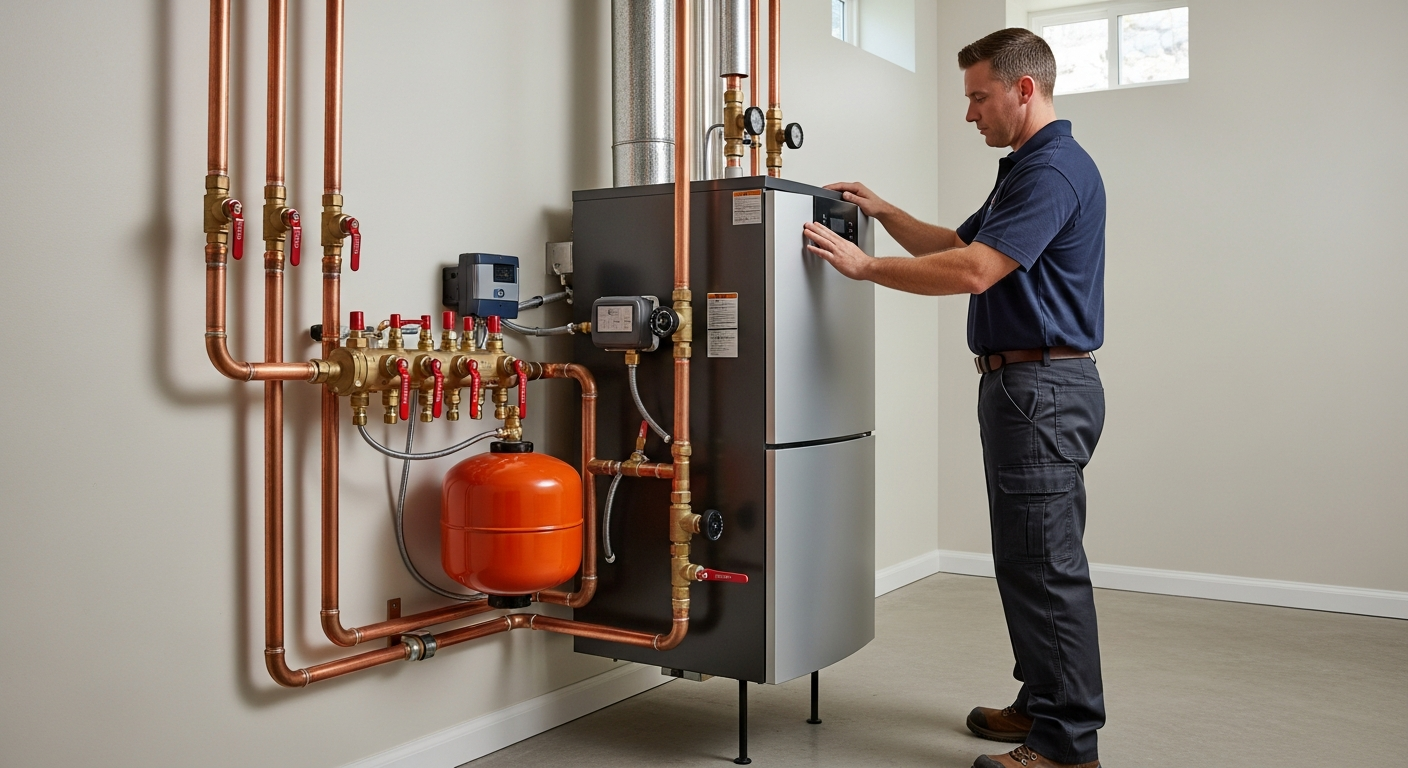
Structured preventive maintenance is the single best way to control HVAC costs
A planned, documented program executed by qualified technicians avoids emergency repairs and keeps systems efficient. Managers who invest in routine care see 20-30% longer equipment life and fewer tenant complaints.
What Matters Most
- Change filters quarterly and more often in high-traffic zones.
- Leave refrigerant, electrical, and combustion work to licensed pros.
- Use building data and utility bills to trigger proactive inspections.
- Always get multiple bids and check contractor credentials.
- Sign a maintenance contract with clear scope and response times.
Strengths
- Preventive maintenance reduces unexpected breakdowns by up to 70%.
- Clean coils and sealed ducts can cut energy use by 15-30%.
- Documented maintenance satisfies insurance and code requirements.
Weaknesses
- Staff may overlook subtle signs of wear without training.
- Poorly written contracts can leave gaps in coverage.
- Agreements with low-cost providers may skip critical tasks.
In-House vs. Contracted Maintenance
| Scenario | Usually do | Why |
|---|---|---|
| Routine filter changes and thermostat checks | In-house | Simple, low-risk, and cost-effective. |
| Coil cleaning, belt replacement, and refrigeration checks | Professional | Requires specialized tools and safety measures. |
| Major repairs or compressor failure | Professional with warranty | High-stakes work that affects system longevity. |
Why Your Commercial HVAC Demands a Strategic Maintenance Plan
Waiting for an air‑conditioner to fail in July or a boiler to quit in January isn't a strategy—it's a gamble. Commercial systems work harder and run longer than residential units, and they directly affect tenant retention, employee productivity, and operating margins. A broken unit can cost thousands in emergency repairs, while regular care typically adds years to equipment life and cuts energy bills by 15–30%. Use this guide to shift from reactive fixes to a data‑backed preventive approach that protects your investment and your occupants' comfort.
Quick Answer
Quarterly filter changes, annual professional coil cleaning, semi‑annual belt/inspection visits, and immediate duct sealing when leaks appear form the backbone of a solid plan. Keep a digital log, calibrate thermostats seasonally, and secure a maintenance contract with a vetted local contractor. Use our maintenance reminder tool to never miss a date.
1. Filters: Your Lowest‑Effort, Highest‑Impact Win
Clogged filters are the number‑one cause of premature HVAC wear. They restrict airflow, causing motors to overheat and coils to freeze. In offices with heavy foot traffic, restaurants, or medical facilities, replace filters every 1–3 months—quarterly is the absolute minimum. If your building sits near a busy road or construction zone, check monthly.
Manager action: Stock a three‑month supply of correctly rated MERV filters. Assign a staff member to replace them on a set schedule and log each change. For specialized environments, like restaurants with grease‑laden air, consult your manual for the proper filter class.
2. Coils and Heat Transfer: The Efficiency Killer You Can't Ignore
Condenser coils (outdoor) and evaporator coils (indoor) must stay clean to move heat effectively. Dirt acts like a blanket, raising energy consumption up to 30%. Outdoor coils collect pollen, dust, and grass clippings; indoor coils can harbor mold if humidity isn't controlled.
What you can do safely: Trim vegetation at least 2 feet around outdoor units and gently rinse the housing with a garden hose (power off first). Inspect for bent fins and straighten them with a fin comb if comfortable.
What requires a pro: Chemical cleaning, deep pressure washing, accessing sealed coil compartments, and handling refrigerants. Schedule professional coil cleaning at least once a year—twice in hot, humid, or coastal climates.
3. Belts, Pulleys, and Bearings: Catch Wear Before It Snaps
Commercial units often use belt‑driven fans. A broken belt means zero airflow and an immediate shutdown. Have a technician inspect belts for cracks, check pulley alignment, and lubricate bearings semi‑annually. Technicians also measure belt tension and amp draw to predict failures. Never perform this work yourself around live electrical components.
4. Ductwork: The Invisible Energy Drain
Leaky ducts can waste 20–40% of conditioned air, driving up bills and straining equipment. Inspect accessible ductwork for gaps, loose joints, and holes. Professional duct sealing uses mastic or aerosol‑based systems to fill leaks. A full duct cleaning may be needed every 3–5 years; check our commercial duct cleaning cost guide for editorial estimates ($0.15–$0.40 per square foot in many areas).
Also critical in large buildings: properly sized ductwork ensures balanced airflow and tenant comfort.
5. Thermostats and Building Automation: Small Sensor, Big Impact
An uncalibrated thermostat can cause temperature swings that trigger help‑desk calls. Verify sensor accuracy annually by comparing its reading to a handheld thermometer. If your building uses a BAS, review schedules and setpoints seasonally. Obsolete systems often lack the algorithms that save energy during unoccupied hours. When upgrading, consult our repair‑or‑replace calculator to weigh costs.
6. Safety Boundaries: What You Can (and Must Not) Do Yourself
Managers and on‑site staff can safely perform these tasks:
- Filter replacements
- Thermostat battery and schedule changes
- Visual inspections for leaks, corrosion, odd noises, or ice on coils
- Clearing debris from around outdoor units
- Checking electrical disconnect switches are in the ON position (after an outage)
These jobs are strictly for licensed HVAC professionals:
- Refrigerant handling, leak checks, or charging
- Any work inside the electrical panel, including capacitors, contactors, or circuit boards
- Gas valve adjustments or combustion analysis
- Compressor or motor replacement
- High‑pressure coil cleaning involving chemicals or pressure washers
- Opening sealed refrigeration circuits
Attempting restricted work can void warranties, create safety hazards, and violate local codes. Use our contractor directory to find insured, certified technicians for all pro‑level tasks.
Decision Table: When to Escalate and to Whom
| Symptom | Likely Issue | Action |
|---|---|---|
| Energy bill 15%+ higher than same month last year, no operational change | Dirty coils, duct leaks, refrigerant undercharge | Schedule a diagnostic inspection. Use cost estimator to budget. |
| Uneven temperatures across floors or rooms | Building pressurization issues, damper faults, sensor drift | Have a tech check BAS programming and damper actuators. Consider preventive plan. |
| System over 10 years old with a repair estimate >30% of replacement cost | End‑of‑life compressor or heat exchanger | Start replacement evaluation. Run repair‑or‑replace calculator. |
| Frequent breaker trips or burnt smell | Electrical fault, failing motor, wiring issue | Shut down system immediately, call emergency pro. Emergency HVAC help. |
7. Decision Rules: Repair, Replace, or Keep Maintaining?
Use these thresholds to guide long‑term planning:
- Age <8 years: Major component failure is rare. Stick with preventive maintenance and handle minor repairs.
- Age 8–15 years: If a single repair exceeds 30% of a new system's cost, or you face two significant repairs within two years, get a replacement quote. Use the repair‑or‑replace calculator to model numbers.
- Age >15 years: Even without a breakdown, start budgeting for replacement. Modern equipment can reduce energy bills by 30–50%. Check rebate finder for utility incentives.
8. Local Climate, Local Decisions
Your maintenance calendar depends on geography:
- Hot & humid (Southeast, Gulf Coast): Clean condenser coils every 6 months, check drain pans and dehumidification function.
- Cold (Midwest, Northeast): Have heat exchangers inspected for cracks before heating season. Ensure economisers close fully in winter.
- Coastal: Corrosion‑resistant coil coatings are worth the investment. Rinse salt spray off outdoor units quarterly.
- Older buildings: Prioritize duct leakage testing—it's often the biggest energy waste source.
9. Use Our Free Tools to Stay Ahead
Don’t rely on guesswork—leverage these calculators and trackers:
- Maintenance Reminders: Set custom alerts for filter changes, inspections, and contract renewals.
- Cost Estimator: Get editorial estimate ranges for typical commercial repairs or maintenance visits.
- Repair‑or‑Replace Calculator: Compare the economics of fixing an old unit versus buying a high‑efficiency system.
- BTU Calculator: Ensure any new equipment is properly sized for your space.
- Rebate Finder: Discover utility rebates that can offset replacement or upgrade costs.
10. Contractor Checklist: Questions to Ask Before Signing
A maintenance contract is only as good as the provider. Vet candidates with these questions:
- Are you licensed, bonded, and insured for commercial work? (Request certificates.)
- Do you have experience with my building’s specific system type (rooftop units, VRF, chiller, boiler)?
- What is included in your preventive maintenance plan? Get a checklist in writing—filters, belts, coil cleaning, lubrication, controls checks, etc.
- What are your emergency response times, and do you offer 24/7 service?
- Can you provide digital maintenance logs for compliance?
- Do you offer a fixed‑price agreement or time‑and‑materials billing?
- Will you flag capital replacement recommendations proactively, and provide multi‑year budget projections?
Compare at least three proposals using our contractor comparison tool.
11. Methodology: How We Form Cost Estimates and Recommendations
All price ranges provided are editorial estimates based on industry surveys, historical invoice data, and regional cost averages. Actual quotes vary by equipment brand, building size, accessibility, urgency, local labor rates, and specific contractor pricing. Use our cost estimator to generate a personalized range for your scenario. We recommend obtaining three to five quotes for any significant work.
Frequently Asked Questions
1. How often should I change commercial HVAC filters?
In typical office environments, replace filters every 90 days. High‑traffic lobbies, restaurants, or sites near pollen/construction may need 30‑day changes. Inspect monthly and log each replacement.
2. What does a typical commercial maintenance plan include?
A good annual plan covers quarterly filter changes, semi‑annual coil cleaning, belt inspection, thermostat calibration, drain line clearing, electrical connection tightening, and a full system performance report. Expect to pay $1,500–$5,000 per year depending on system type and volume—use our cost estimator for a range.
3. How do I decide between repair and replacement?
Apply the 30% rule: if a repair costs more than 30% of a new system’s installed price and the unit is over 8 years old, replacement often yields better long‑term value. Our repair‑or‑replace calculator walks you through the numbers, factoring in energy savings.
4. Are there rebates for commercial HVAC upgrades?
Yes, many utilities and governments incentivize high‑efficiency equipment, smart controls, and even energy audits. Use our rebate finder to check by ZIP code. Rebates can knock 10–30% off capital costs.
5. Can my maintenance staff handle routine HVAC tasks?
Staff can safely change filters, adjust thermostats, clear outdoor unit debris, and perform visual inspections. All other work—especially anything involving refrigerant, gas, or high‑voltage—requires a licensed professional. See our Safety Boundaries section above for a complete list.
Related articles
Connect this page to adjacent guides so readers keep moving deeper into the topic cluster.

Tips for Choosing a Smart Thermostat for a Heat Pump
Learn which smart thermostat features prevent expensive auxiliary heat mistakes, how to verify compatibility, and when to call a pro.

Understanding C Wire Adapters for Smart Thermostats
Missing the C wire for your smart thermostat? C wire adapters solve power issues without pulling new wiring. Compare types, costs, and installation options.

Best Smart Thermostats for Multi Zone Homes
Discover which smart thermostats deliver accurate zoning, remote sensors, and energy savings for homes with multiple HVAC zones. Our guide helps you pick the right model and avoid costly compatibility mistakes.