Cost to Prepare Your HVAC for Extreme Weather
Get a practical cost guide for prepping your HVAC for heat waves, cold snaps, and storms. Includes decision rules, a contractor checklist, and safe DIY tasks to avoid $3,000+ breakdowns.
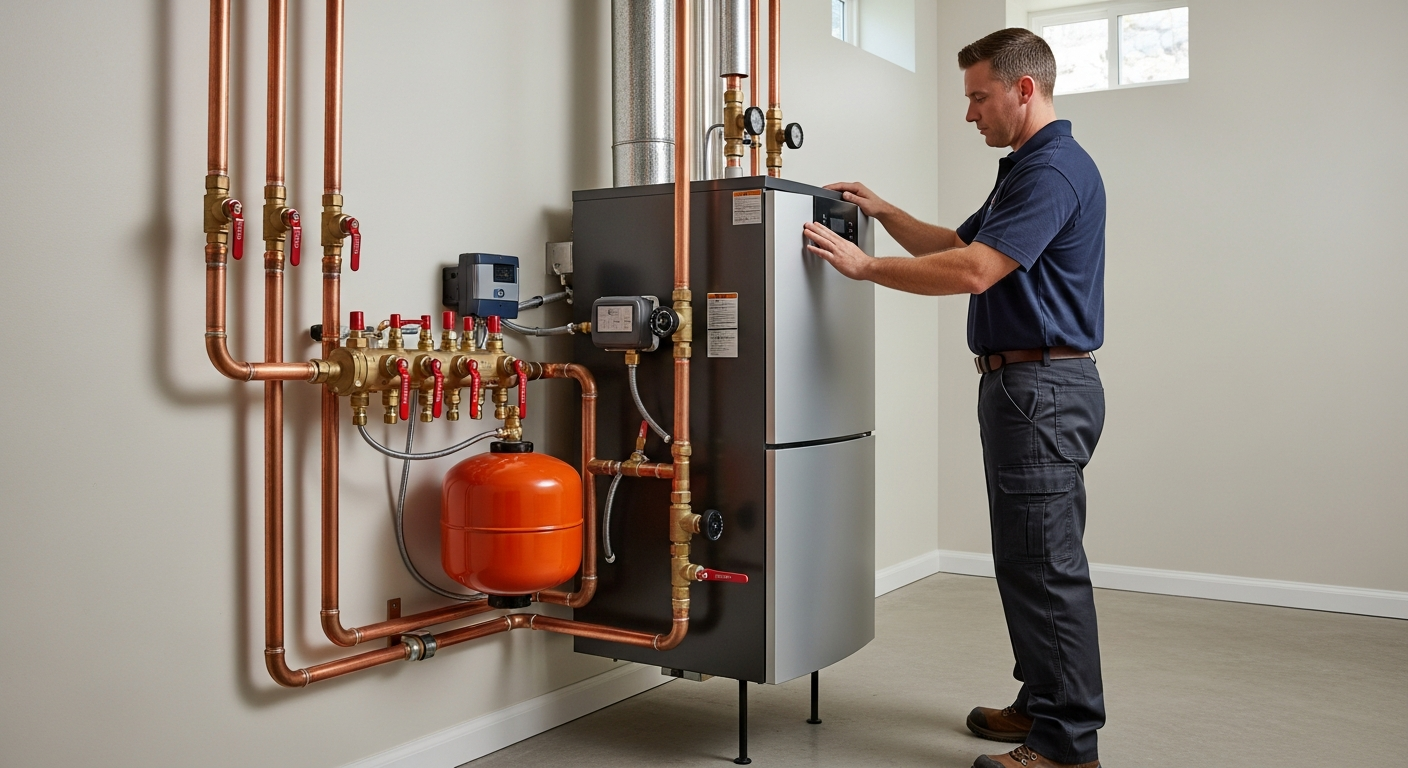
Invest in Prevention, Not Panic
A $150 seasonal tune‑up and a few $20 filters are your cheapest insurance against $3,000+ emergency repairs. Use the decision rules to know when basic prep is enough and when a system replacement is actually the better financial move.
What Matters Most
- Schedule a professional tune‑up twice a year to stay ahead of extreme weather breakdowns.
- DIY tasks like filter changes and debris clearing cost almost nothing and prevent major failures.
- If your system is over 12 years old with repeated repairs, calculate replacement cost vs. continued prep.
- Always verify contractor credentials and ask for documented test results before approving work.
- Smart thermostats and surge protectors add resilience for less than $500.
Strengths
- Low‑cost, high‑impact prevention tasks are clearly identified.
- Clear thresholds help homeowners avoid unnecessary spending on dying equipment.
- Safety boundaries eliminate guesswork around dangerous DIY repairs.
- Local climate guidance ensures relevance across diverse regions.
Weaknesses
- Upfront costs for surge protectors and smart thermostats may stretch immediate budgets.
- Rental property owners may face delayed owner approval for professional services.
- Some proactive measures (insulating ducts, replacing old systems) require significant investment without an immediate crisis to justify it.
- Contractor availability during peak seasons can still be tight even with a service plan.
Decision Summary
| Scenario | Usually do | Why |
|---|---|---|
| System less than 8 years old, annual tune‑up done | Basic DIY prep + filter change | Equipment is likely in good shape; professional checkup only every 12–18 months |
| System 8–12 years old, no recent repairs | Professional tune‑up + surge protector | Age increases risk; proactive inspection prevents mid‑storm failure |
| System over 12 years old, one major repair in 3 years | Thorough inspection + calculate replacement cost | Repair costs may soon exceed 50% of a new, more efficient unit |
| Frequent short‑cycling or ice on coils in any season | Immediate pro diagnosis (do not run system) | Continuing operation risks compressor or heat exchanger destruction |
Introduction: Stop Paying Emergency Rates
A $150 pre-season checkup can prevent a $3,000 compressor failure during a heatwave. Extreme weather—blizzards, tropical storms, 100°F+ heat—pushes HVAC equipment beyond normal limits. This guide shows exactly what to budget, what you can safely do yourself, and when to call a pro. Skip the jargon and get a realistic plan to protect your system before the next weather alert.
Quick Answer
Budget $100–$300 for a professional tune-up, $15–$40 for high-efficiency air filters, and $0–$200 for DIY tasks like clearing debris and checking the thermostat. Surge protectors and smart thermostats add another $150–$450. Emergency visits during extreme weather start at $200 just for the trip fee—plus repair costs.
Typical Preparation Costs
| Task | Typical Cost Range | DIY? | When to Do It |
|---|---|---|---|
| Professional HVAC tune‑up (single system) | $100–$300 | No—pro required for safety and thoroughness | Early fall / late spring |
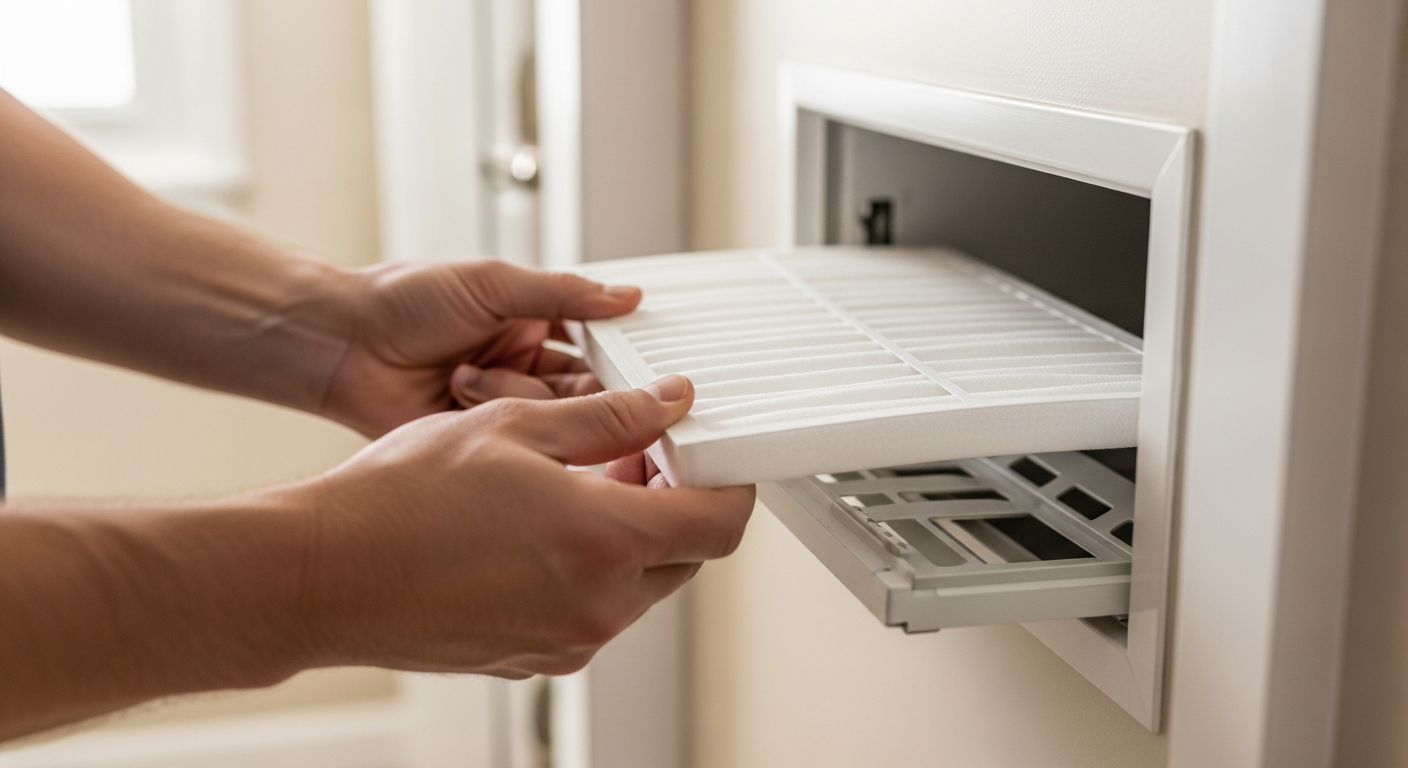
| High‑efficiency air filter replacement | $15–$40 per filter | Yes—turn off system, slide out old filter | Every 30–90 days; monthly during wildfire season |
| Clear debris, trim vegetation around outdoor unit | $0 (your labor) | Yes—use a broom/gloves, not a pressure washer | Before each major season |
| Install a HVAC surge protector | $200–$400 installed | No—requires electrical panel work | Before spring thunderstorm or hurricane season |
| Smart thermostat upgrade (self‑install) | $150–$250 | Possible if you follow manufacturer guide and wire labeling | Anytime |
| Professional thermostat installation | $150–$450 | No—ensures C‑wire and compatibility | Anytime |
| Condensate drain line cleaning / tablets | $10–$25 for tablets | Yes—pour tablets in drain pan; do not use bleach | Monthly in humid climates |
| Insulate exposed ductwork (materials) | $30–$80 per 100 ft | Yes—wear gloves, foil tape seams | Fall, before freezing temps |
Editorial note: These are average ranges based on typical residential systems. Actual costs vary by region, system size, and urgency. Always get at least two written quotes.
Safety Boundaries
Safe Homeowner Checks
- Replace air filters
- Clear leaves, snow, ice, and debris within 2 feet of outdoor unit
- Listen for unusual noises (banging, screeching, rapid clicking)
- Check that indoor registers are not blocked and cold air return is unobstructed
- Test thermostat by switching mode and listening for system response
- Inspect condensate drain pan for standing water
- Look for ice on outdoor coils in cooling mode (indicates air flow or refrigerant issue—call a pro)
Pro‑Only Services (Do Not Attempt Yourself)
- Measuring, adding, or handling refrigerant (EPA‑certified required)
- Opening electrical panels, testing capacitors, contactors, or control boards
- Inspecting or repairing gas furnace burners, heat exchangers, or combustion chambers
- Checking compressor windings or replacing compressors
- Diagnosing high‑voltage circuits (240 V)
- Repairing or bypassing safety limit switches
If a technician suggests a DIY fix involving any of the above, it’s a red flag. Look up trusted contractors via HVACDatabase’s search.
Decision Rules: Tune‑Up, Repair, or Replace?
Use these thresholds before spending money on extreme‑weather prep.
- System age: If your unit is over 12 years old and you haven’t had a major repair yet, schedule a comprehensive inspection. If the same system has needed two or more repairs in the last three years, use the Repair or Replace Calculator.
- Efficiency drop: If energy bills rose over 20% compared to last year (adjusted for weather and rate changes), get a pro to check refrigerant charge, duct leaks, and blower motor.
- Ice or short‑cycling: An outdoor unit that freezes in summer or a furnace that cycles on and off rapidly during cold snaps needs a pro inspection within 48 hours—continuing to run it risks compressor or heat exchanger damage.
- Missing annual service: If it’s been 14+ months since your last tune‑up, prioritize one before peak heating/cooling season. Use the System Age Decoder to verify manufacturing date if you’re unsure.
Free Tools & Calculators
Use these HVACDatabase tools to make a data‑backed decision:
- Repair or Replace Calculator: Plug in age, repair cost, and efficiency to see your break‑even.
- System Age Decoder: Look up serial‑number format to confirm unit birth year.
- BTU Calculator: Ensure your system is correctly sized—a mismatch causes extreme‑weather strain.
- HVAC Cost Estimator: Get localized price ranges for tune‑ups, repairs, and replacements.
Contractor Checklist
When hiring for an extreme‑weather tune‑up, ask these questions:
- “Are you licensed, bonded, and insured for HVAC work in my state?” Verify credentials on your state’s licensing website.
- “Does your tune‑up include cleaning both coils, checking refrigerant levels, testing safeties, and measuring amperage?” A “19‑point check” should cover all these.
- “Will you document refrigerant pressure following EPA Section 608?” Proper logs protect you and the environment.
- “Do you offer an annual service plan with priority scheduling during heat waves or cold snaps?” Expect $150–$500/year for two visits plus discounts.
- “How do you handle after‑hours emergencies—trip fees, hourly rates?” Ask if they waive the trip if you approve the repair.
- “Can you provide two recent references from similar homes in my climate zone?” Coastal, desert, and mountain areas have different needs.
Always get a written estimate before work begins. If the technician pressures you to replace a capacitor or contactor on the spot, ask to see the test readings. Quality contractors welcome your questions. Use our contractor comparison tool to evaluate multiple bids side by side.
Local Climate Considerations
Hot & Dry (e.g., Phoenix, Las Vegas)
Focus on coil cleanliness and capacitor checks. Dust clogs fins quickly; monthly filter changes are common. See Phoenix AC contractors familiar with 115°F heat.
Humid & Storm‑Prone (e.g., Houston, Miami)
Install surge protectors, keep drain lines clear (algae tablets every month), and elevate outdoor units in flood zones. Follow winter prep tips even in mild climates—cold snaps happen. For monsoon season, see fall HVAC checklist.
Cold & Snowy (e.g., Chicago, Minneapolis)
Winterize outdoor units with breathable covers (never plastic wrap that traps moisture). Check heat pump defrost cycles. Use winterize your outdoor AC unit guide.
Coastal & Hurricane Zones
Galvanized steel cabinets corrode faster; ask about coastal‑rated units. Anchor equipment pads and use hurricane straps if required by code. Consult cold snap prep for sudden temperature drops.
Older Homes
Verify duct integrity (leaks up to 30% are common) and ensure the electrical panel can support modern startup loads. A BTU Calculator can reveal if a 50‑year‑old house is oversized.
Methodology
Cost ranges are editorial estimates synthesized from HVAC contractor surveys, equipment manufacturers’ MSRPs, and aggregated service‑call data from HVACDatabase partner networks. They assume a typical single‑family home (1,500–2,800 sq ft) and central forced‑air system. Prices do not include local permits, ductwork modifications, or emergency surcharges. Always request itemized quotes.
FAQs
How often should I have my HVAC professionally tuned up for extreme weather?
Once a year is the minimum; twice a year (fall for heating, spring for cooling) is ideal. Homes in dusty or coastal areas benefit from three times a year. A $100 visit is cheaper than a $1,500 refrigerant leak repair.
Can I cover my outdoor AC unit during a snowstorm?
Only with a breathable, unit‑specific cover. Never use plastic tarps—they trap condensation and cause rust. Better to install a small roof or snow guard above the unit. See our winterizing guide.
What’s the most effective DIY preparation I can do for under $50?
Replace the air filter with a MERV 8–13 pleated filter, clear 2 feet of space around the outdoor unit, and pour condensate drain tablets ($10) in the pan. These three tasks maintain airflow and prevent water damage.
When should I consider replacing my HVAC system instead of prepping it?
If your unit is over 12 years old, uses R‑22 refrigerant (no longer produced), and has needed repairs costing more than 50% of a new install. Extreme weather accelerates wear—a new high‑efficiency model saves 20–40% on cooling bills. Consult the Repair or Replace Calculator.
Does a smart thermostat really help with extreme weather preparedness?
Yes. It can alert you to temperature drops that indicate furnace failure, let you shut off the system remotely during a storm, and automatically stage the compressor to reduce heatwave strain. Choose a model that supports humidity control if you live in a humid climate.
Related articles
Connect this page to adjacent guides so readers keep moving deeper into the topic cluster.

Cost to Install Multiple Smart Thermostats
Get a clear cost breakdown for installing 2–4+ smart thermostats. Includes equipment, labor, zoning upgrades, and how to save with utility rebates. Practical checks and contractor questions inside.
Duct Booster Fan Installation Cost
Uneven room temps? Duct booster fan installation costs: register fans $30–$100 DIY, inline fans $500–$800+ with pro. Learn when a booster works and when you need a bigger fix.
Makeup Air Unit Installation Cost Guide
Expect to pay $1,500–$4,500 for a pro-installed makeup air unit. Discover passive vs. tempered options, code triggers, and money-saving decision rules.