Crawl Space Ventilation Cost Guide
Compare crawl space ventilation options by cost, climate, and moisture problems. Use our decision rules and calculators to plan your project and hire the right pro.
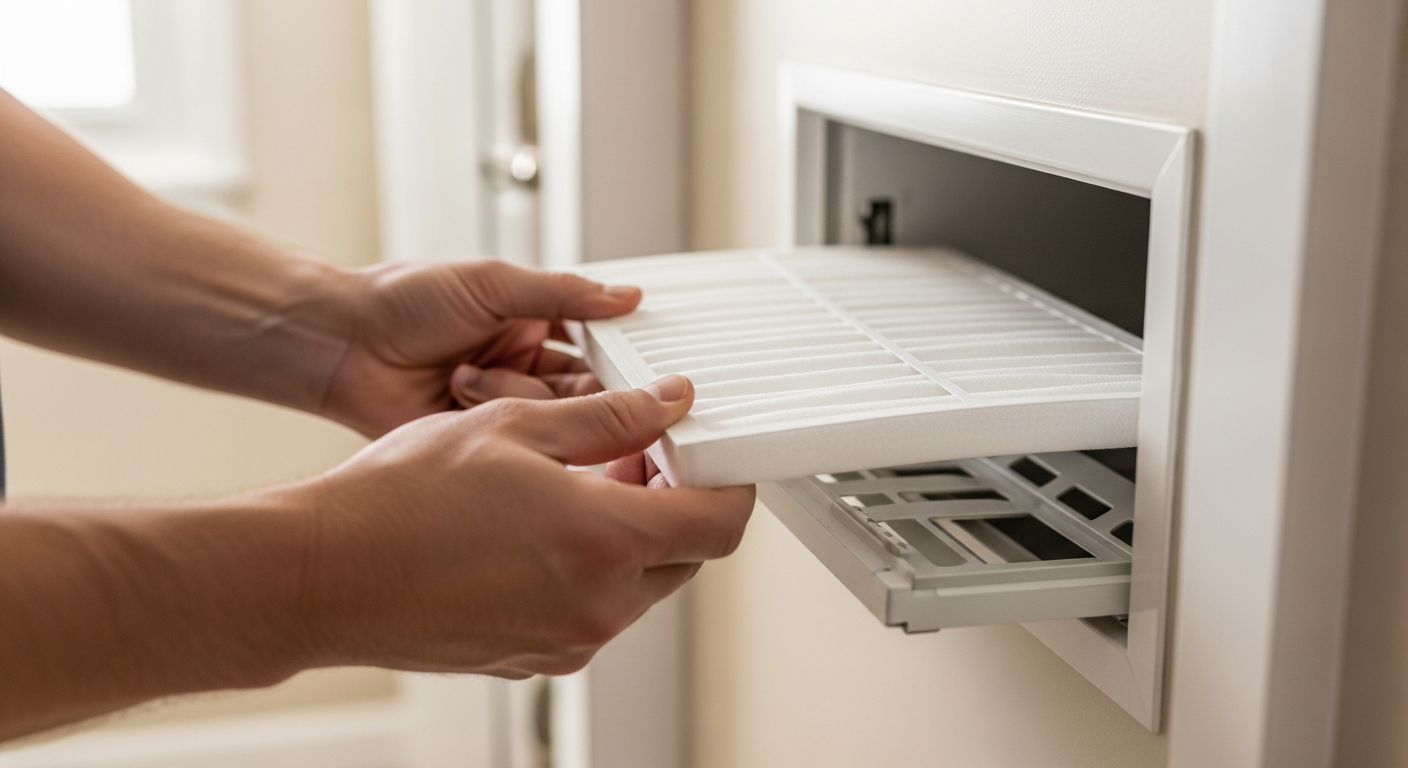
Our Recommendation: Match Solution to Moisture Severity
For dry climates with no water issues, passive vents and a vapor barrier are enough. For any musty odors, mold, or humidity above 60%, encapsulation with a dehumidifier provides the best long-term protection and energy savings.
What Matters Most
- Identify your crawl space's primary problem: standing water, high humidity, or stale air.
- Use the decision tree to narrow options before calling contractors.
- Always obtain 3 itemized quotes and verify licenses.
- Never wire active systems yourself; hire a licensed electrician.
Strengths
- Encapsulation improves indoor air quality, cuts energy bills, and prevents structural rot.
- Passive vents are low-cost, low-maintenance for dry zones.
- Powered fans offer a middle ground for moderate humidity.
Weaknesses
- Encapsulation is expensive upfront and may require addressing drainage first.
- Passive vents can worsen humidity in moist climates.
- Fan noise and energy use may be a concern for some homeowners.
Decision Summary
| Scenario | Usually do | Why |
|---|---|---|
| Dry climate, no odor, no water | Passive vents + vapor barrier | Lowest cost sufficient for low humidity |
| Musty smell, damp soil | Encapsulation + dehumidifier | Seals out moisture, controls air quality |
| Standing water after rain | Drainage fixes + sump pump + encapsulation | Addresses root cause before sealing |
| Old home with drafty floors | Insulated encapsulation | Comfort and energy, protects ducts |
Introduction: Why Crawl Space Ventilation Matters
A dry, well-ventilated crawl space protects your home's structure and air quality. Without proper airflow, humidity leads to wood rot, mold, and musty odors that migrate into living areas. The right fix depends on your climate, crawl space condition, and budget. Most homeowners spend $500–$4,000 on ventilation upgrades, but severe moisture problems may require full encapsulation up to $15,000+. This guide helps you match the solution to your symptoms, compare costs, and hire a qualified contractor.
Quick Answer: What Should I Expect to Pay?
Your total cost hinges on whether you need basic passive vents or a sealed, dehumidified system. Typical ranges:
- Passive foundation vents: $150–$500 installed for a set of 4–6 vents.
- Powered crawl space fans: $300–$800 per fan, including electrical.
- Dedicated dehumidifier system: $1,200–$3,500 installed.
- Full encapsulation with vapor barrier, sump pump, dehumidifier: $3,000–$15,000+.
- Diagnostic visit/inspection: $80–$200 (offset if you hire the company).
Get contractor quotes matched to your home's size and moisture level with our Contractor Search.
Cost Comparison Table
| Solution | Typical Installed Cost | Best For |
|---|---|---|
| Passive Vents | $150 – $500 | Dry climates, minimal moisture |
| Powered Fan (single) | $300 – $800 | Stagnant air, moderate humidity |
| Dehumidifier Only | $1,200 – $3,500 | Damp but encapsulated space |
| Partial Encapsulation (floor only) | $1,500 – $5,000 | Earth floor, minor moisture |
| Full Encapsulation | $3,000 – $15,000 | Chronic wetness, mold, musty odors |
All estimates are editorial ranges based on 2025 contractor data. Final quotes vary with access, electrical needs, and local labor rates. Use our HVAC Cost Estimator to refine your budget.
Factors That Shape Your Ventilation Cost
Access and Crawl Space Condition
Tight spaces (<18" clearance) or debris add labor hours. Technicians may charge 20–50% more for difficult access. If water damage is present, you may need repairs first—check AC condenser cost guide if moisture reached outdoor units.
Electrical Work
Active fans and dehumidifiers require a dedicated GFCI outlet. Running a new circuit costs $300–$600. Always get permits through your electrician.
Regional Climate
In humid zones (Southeast, Gulf states), passive vents can backfire by pulling in moist air. In cold climates, winter air condenses on ductwork. Use our BTU Calculator to see how sealing your crawl space improves your home's heating/cooling load.
Ventilation vs. Encapsulation: Decision Rules
Follow this decision tree based on what you observe:
- You smell must or see visible mold: Encapsulation is almost always the answer. Add a dehumidifier for full control.
- High indoor humidity (>60% on hygrometer) but no water intrusion: Start with a powered fan and vapor barrier on the ground. Monitor for 30 days.
- Standing water or efflorescence on walls: Address drainage first (gutters, grading, sump pump). Then encapsulate.
- Dry climate, no odors, just stale air: Passive vents may suffice, but ensure at least 1 sq ft of vent per 150 sq ft of floor area.
- HVAC ducts in crawl space: Encapsulation can cut energy bills 15–20% by keeping ducts in conditioned space. See our indoor air quality guide.
Safety Boundaries: What You Can Check vs. Professional Only
Crawl space work can involve electrical, structural, and moisture hazards. Observe these lines:
Safe Homeowner Checks
- Inspect with a flashlight: look for pooling water, mold, sagging insulation, or damaged vapor barrier.
- Measure humidity with a $15 hygrometer; record readings in morning and evening.
- Check existing vents for obstructions (dirt, debris). Clear them from the outside.
- Verify gutters and downspouts discharge at least 5 feet from foundation.
Leave to Licensed Pros
- Installing or wiring powered fans, dehumidifiers, or GFCI outlets.
- Applying spray foam or rigid insulation to walls/rim joists.
- Structural repairs (sill plates, joists) due to rot.
- Any work involving gas appliances, refrigerant lines, or combustion venting.
Hiring a certified HVAC or waterproofing contractor? Use our Contractor Comparison Checklist to verify license, insurance, and references.
Use Our Free Decision Tools
Narrow your options with these calculators:
- Repair or Replace Calculator – if your existing system is failing.
- Rebate Finder – many utilities offer incentives for encapsulation and dehumidifiers.
- Quote Checker – submit contractor estimates to see if they're fair.
Contractor Questions Checklist
Ask these before signing a contract:
Expand checklist
- "Will you pull an electrical permit for the fan/dehumidifier? May I see your electrician's license?"
- "What is the warranty on materials and labor? Is a maintenance schedule included?"
- "How will you address air sealing around plumbing and duct penetrations?"
- "Do you recommend a dehumidifier, and if so, what capacity (pints/day)?"
- "Can you provide 3 local references who had similar work in the past year?"
- "Is your company insured for crawl space work? What happens if utilities are damaged?"
Local Climate and Older Home Considerations
Hot-Humid (Southeast): Passive vents are not recommended. Sealed crawl spaces with dehumidifiers are the standard. Look for ENERGY STAR-rated equipment. For dry climates like Phoenix, approach differently—Phoenix AC contractors can advise on dust and minimal moisture.
Cold Climates: Insulate rim joists and floor. Avoid winter condensation by sealing vents and using a dehumidifier. See Chicago heating contractors for local expertise.
Older Homes: Pre-1970s foundations may have no vapor barrier. Budget for additional electrical updates and potential asbestos or lead dust precautions.
Coastal/FEMA Zones: Flood vents may be required for code. Consult local building departments.
How We Estimate Costs
Our numbers are compiled from contractor surveys, job-cost databases, and public permit data. We update estimates quarterly. No prices are guaranteed; actual quotes vary by region, season, access, and material availability. We recommend getting 3 itemized bids and checking ratings through HVACDatabase search. Our editorial process is transparent: we never accept payment for placement.
Frequently Asked Questions
1. Can I just add more vents to reduce moisture?
Not in humid climates. More vents can increase humidity if outdoor air is moist. In dry areas, ensure total net free area meets code (1/150 of floor area). Always pair with a ground vapor barrier.
2. Does encapsulating a crawl space really save energy?
Yes. Sealing and insulating a crawl space can reduce heating/cooling losses through floors and ductwork by 15–20%, according to DOE studies. Use our BTU Calculator to model savings.
3. How long does a crawl space encapsulation last?
Quality vapor barriers and sealants typically last 15–25 years. Dehumidifiers last 8–12 years with annual filter cleaning. Inspect barriers annually for tears.
4. Can a handyman install crawl space ventilation?
We recommend licensed HVAC or waterproofing contractors for powered systems. Electrical work must meet code; improper wiring is a fire hazard. Handymen can replace existing vent covers if no structural changes are needed. Always verify insurance.
5. What's the difference between a crawl space dehumidifier and a portable unit?
Crawl space dehumidifiers are designed for cool, dirty environments, have higher pint capacities, and can drain upwards into a sump or outside. Portable units are meant for living spaces and will struggle in a crawl space, leading to short lifetimes.
Methodology
HVACDatabase estimates combine common contractor price patterns, service-category pricing ranges, equipment complexity, urgency, regional labor variation, and known HVAC safety boundaries. Actual prices vary by city, brand, system size, access, warranty status, permit requirements, and whether the visit discovers ductwork, electrical, refrigerant, gas, or drainage issues. Use these numbers to sanity-check quotes, not as a guaranteed price.
Related articles
Connect this page to adjacent guides so readers keep moving deeper into the topic cluster.

Cost to Install Multiple Smart Thermostats
Get a clear cost breakdown for installing 2–4+ smart thermostats. Includes equipment, labor, zoning upgrades, and how to save with utility rebates. Practical checks and contractor questions inside.
Duct Booster Fan Installation Cost
Uneven room temps? Duct booster fan installation costs: register fans $30–$100 DIY, inline fans $500–$800+ with pro. Learn when a booster works and when you need a bigger fix.
Makeup Air Unit Installation Cost Guide
Expect to pay $1,500–$4,500 for a pro-installed makeup air unit. Discover passive vs. tempered options, code triggers, and money-saving decision rules.