How to Apply for HVAC Energy Rebates
Maximize your HVAC upgrade savings with our practical guide to applying for energy rebates, tax credits, and utility incentives. Learn eligibility, paperwork, and how to stack offers.
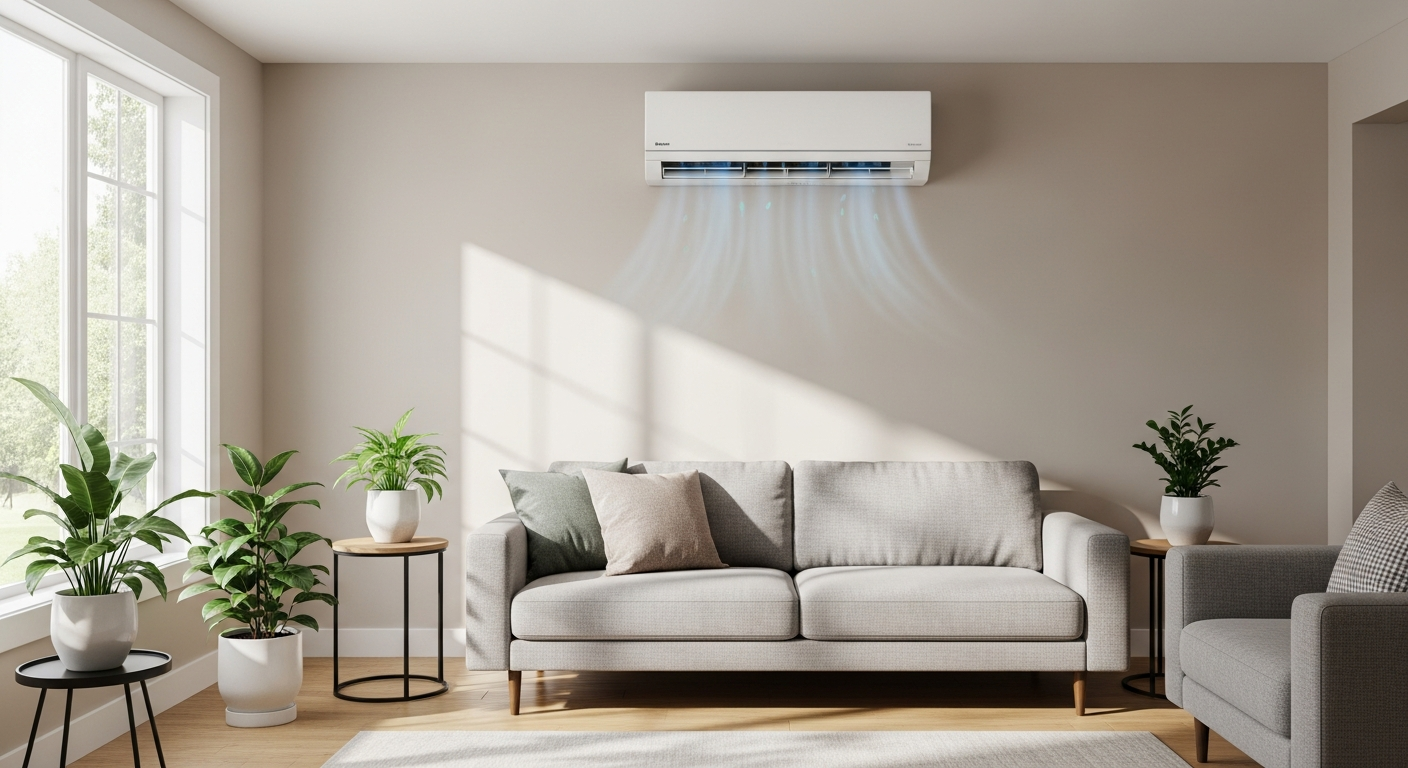
Clear recommendation: Pair professional installation with proactive rebate research to maximize savings
Homeowners should research rebates before purchase, hire qualified contractors, and submit complete documentation within deadlines to secure maximum financial incentives. Stacking manufacturer, utility, and federal rebates can reduce system cost by 20–40%.
What Matters Most
- Always check eligibility before buying equipment; use the Rebate Finder tool.
- Keep all paperwork: itemized invoice, AHRI certificate, model and serial numbers.
- Ask contractors to handle the application; many will do it for you.
- A home energy audit can unlock additional rebates and right‑size your system.
- Timely submission is critical—most programs expire within 30–60 days.
Strengths
- Significant cost reduction (20–40% off)
- Improved home efficiency and comfort
- Lower monthly utility bills
- Potential increase in property value
Weaknesses
- Rebates may not cover the full price difference for top‑tier equipment
- Paperwork can be time‑consuming and rejections are common if incomplete
- Some programs have limited funding and run out early
- Eligibility thresholds change annually; recertification may be needed
Decision Summary
| Scenario | Usually do | Why |
|---|---|---|
| Replacing old AC in hot climate | Choose SEER2 ≥ 16 and check utility rebates | High cooling demand; federal tax credit and local incentives often cover more |
| Upgrading gas furnace in cold climate | Look for AFUE ≥ 97% and utility rebates | High‑efficiency condensing furnaces qualify for significant incentives and reduce heating costs |
| Adding a heat pump in moderate climate | Select ENERGY STAR with HSPF2 ≥ 7.8 | Heat pump rebates are widely available and can offset both heating and cooling bills |
| Whole‑home system replacement | Combine heat pump and insulation upgrades | Bundling may qualify for multi‑measure rebates and maximize tax credit limits |
| Tight budget, older home | Start with energy audit and prioritize sealed ductwork + system | Audit often reveals low‑cost improvements that boost rebate eligibility and system performance |
Start Here: Your One-Minute Rebate Strategy
Upgrading your heating or cooling system is a major expense, but rebates and tax credits can shave 20–40% off the total cost—if you know the rules. The secret is simple: research available incentives before you buy, pick equipment that meets or exceeds the latest efficiency benchmarks, and work with a contractor who handles paperwork every day. This guide gives you the exact steps, checklists, and decision-making tools to secure every dollar you deserve.
Quick Answer: How to Apply for HVAC Energy Rebates
First, find what you qualify for using the Rebate Finder; then hire a qualified contractor who can provide an AHRI certificate; finally submit your application with the required documents within 30–60 days of installation. Most rebates come from three sources: manufacturer promotions, local utility programs, and federal/state tax credits. You can often stack them, but timing and documentation are everything. Read on for the full framework.
Why Apply? The Real Savings Stack Up
| Incentive Type | Typical Savings | Eligibility Key | Application Window |
|---|---|---|---|
| Manufacturer Rebates | $100–$800 instant discount or mail-in | Purchase of select high‑efficiency models | Often seasonal; check before buying |
| Utility Company Rebates | $200–$2,000 based on efficiency tier | Equipment must be on your utility’s qualifying list; AHRI certificate required | Usually 30–60 days post‑install |
| Federal Tax Credits (25C) | 30% of project cost up to $600 for AC/furnace, $2,000 for heat pumps | System must meet SEER2, EER2, or HSPF2 minimums; installed in primary residence | Filed with annual tax return |
| State or Local Grants | Varies widely; sometimes income‑qualified | Often require a home energy audit; details on DSIRE | Varies; limited funding |
Stacking these can turn a $10,000 heat pump project into $6,500 or less. Use the HVACDatabase Rebate Finder to map your location to current programs.
Safety Boundaries: What Homeowners Can—and Cannot—Do
Applying for rebates is perfectly safe for a homeowner, but the installation itself involves risks that are best left to licensed professionals.
Safe for You to Do
- Research rebate eligibility using DSIRE, utility websites, or the Rebate Finder.
- Gather documentation: model numbers, AHRI certificate, contractor invoices.
- Check that your thermostat settings and air filter are correct (watch our air filter guide).
- Ask your contractor for a copy of their license, insurance, and references.
- File the application online or by mail.
Leave to a Qualified Technician
- Refrigerant handling, gas piping, combustion tuning—these require EPA certification and specialized tools.
- Electrical high‑voltage work (compressor, capacitor, contactor) or control board replacement.
- Installing or modifying any HVAC equipment that carries a federal energy rating.
- Diagnosing refrigerant leaks or recharging the system.
DIY installations almost never qualify for manufacturer or utility rebates and can void warranties. To find a vetted pro, use the HVACDatabase contractor directory.
Use the Right Tools Before You Commit
Plug your details into these free calculators and databases to predict costs, savings, and eligibility.
- Rebate Finder – Locate utility, state, and local incentives by ZIP code.
- Cost Estimator – See what a new AC, furnace, or heat pump might cost installed in your region, including after‑rebate ranges.
- Energy Calculator – Compare annual running costs of different SEER2/HSPF2 units to understand long‑term savings.
- Quote Checker – Upload your contractor bids to see if the price and equipment specs stack up.
- Home Energy Audit Guide – Learn when an audit is required for a rebate and how it can uncover additional savings through air sealing or insulation upgrades.
Decision Tree: Which Rebates Should You Chase?
Use these concrete thresholds to decide what to pursue. Always verify with your local utility and the Rebate Finder because program details change.
Click to expand decision rules
- Are you replacing a central AC in a hot climate? Minimum SEER2 of 16 and EER2 of 12 (split system) qualifies for the federal tax credit; many utilities offer $300–$700 rebates at this tier. Go higher if you can—SEER2 18+ unlocks larger utility incentives.
- Swapping a gas furnace in a cold region? Look for AFUE ≥ 97%. Federal tax credit allows up to $600; utility rebates can reach $500. Condensing furnaces typically meet this threshold.
- Installing a heat pump for all‑season use? The sweet spot is HSPF2 ≥ 7.8 and SEER2 ≥ 15.2 to capture both federal tax credits (up to $2,000) and most utility programs. Ductless mini‑splits often hit these numbers easily.
- Tight budget or older home? Start with a home energy audit (see audit guide). Air sealing and insulation rebates can be stacked with HVAC rebates, and a smaller system may then qualify.
- Generic rule: If your contractor cannot produce an AHRI certificate for the exact indoor/outdoor combination, walk away—you likely won’t qualify for any incentive.
Contractor Checklist: 7 Questions That Protect Your Rebate
Ask every contractor who bids your job. The answers reveal whether they regularly handle rebate paperwork and will keep you out of rejection purgatory.
- “Are you licensed and insured, and can you show proof?” Required by nearly all programs.
- “Will you provide the AHRI certificate for my specific equipment matchup?” The certificate proves efficiency; without it, your rebate dies.
- “Do you handle utility rebate applications on behalf of homeowners?” Many top‑tier contractors will submit the forms for you—valuable time‑saver.
- “Have you checked my local utility’s current qualifying equipment list?” You want them to confirm that the proposed model appears on the portal before you sign.
- “Will the invoice show the AHRI reference number, model/serial numbers, and a line‑item labor breakdown?” Fuzzy invoices trigger rejections.
- “Do you offer a maintenance plan that keeps the system at rated efficiency?” Sustained performance matters, and some utility rebates require annual tune‑ups.
- “How soon after installation can I expect the final paperwork?” Timely submission is crucial; push for documents within a week.
Need vetted contractors? Compare top‑rated pros here or browse by metro area, like Phoenix AC contractors or Chicago heating specialists.
Local Climate Factors That Change the Equation
- Hot, humid climates (Gulf Coast, Southeast): Prioritize latent heat removal—choose units with superior dehumidification. Rebates often tie to SEER2 ≥ 16 and EER2 ≥ 12. Check for peak‑summer utility bonuses.
- Cold northern zones: Focus on heat pump HSPF2 ≥ 8 or high AFUE furnaces. Some states offer fuel‑switching incentives (oil‑to‑electric or propane‑to‑gas). Audit your insulation first; a well‑sealed home may qualify for double the HVAC rebate.
- Coastal, salty environments: Corrosion‑resistant coil coatings may be required for warranty; rebates don’t usually mandate them, but they protect your investment. Always verify that your contractor follows coastal building codes.
- Older homes (pre‑1980): A home energy audit is almost mandatory to unlock the best rebates. Duct sealing, attic insulation, and air leak fixes (see air leak guide) can often be bundled with the system for a larger incentive package.
Methodology: How We Estimate Savings and Rebate Values
The cost ranges and rebate figures mentioned in this article are editorial estimates based on publicly available data from the IRS, ENERGY STAR, DSIRE, and major utility programs. Actual incentives vary by ZIP code, system size, brand, seasonal promotions, and income qualifications. Always confirm eligibility on your utility’s official portal or with a tax professional. The HVACDatabase tools link to real‑time databases where possible, but rebate programs can end without notice. The average expected rebate stack—from manufacturer, utility, and federal credits—falls between 20% and 40% of the installed cost for a typical high‑efficiency system. For a $10,000 complete installation, that translates to roughly $2,000–$4,000 off.
Frequently Asked Questions
Can I combine a manufacturer rebate, a utility rebate, and the federal tax credit?
Yes, in most cases these are separate programs and can be stacked. The federal tax credit is independent; utility and manufacturer rebates often complement each other. However, always read the fine print—some utility rebates reduce the eligible cost basis for the tax credit. Consult a tax preparer to maximize your after‑tax return.
What if my new system falls just short of the SEER2 requirement?
You won’t qualify for efficiency‑based incentives. The difference between a 15.0 SEER2 and a 16.0 SEER2 unit can be as little as $400–$800 extra, and the lifetime utility savings plus rebate capture often pays back the premium within 2–4 years. Ask your contractor for incremental cost and run the numbers in the Energy Calculator.
How long after installation can I submit a rebate application?
Deadlines are strict: most utilities require submission within 30–60 days. Manufacturer rebates may have a 90‑day window from purchase date. Mark your calendar and keep digital copies of everything. Late submissions are almost always rejected.
Are ductless mini‑split systems eligible for the same rebates?
Yes, ENERGY STAR‑certified ductless heat pumps with high SEER2 and HSPF2 values routinely qualify for utility rebates and the federal tax credit. They often score higher on efficiency than ducted systems, which can unlock larger incentives. Confirm the AHRI certificate for the exact indoor/outdoor combination.
Do I need a professional energy audit to get a rebate?
Not always, but many whole‑home or larger incentive programs require a pre‑ and post‑installation audit to verify performance. Even when optional, an audit is a good idea; it can identify air leaks and under‑insulated areas that, when fixed, may allow a smaller HVAC system and additional separate rebates. See how to get a home energy audit.
Last updated: [date]. Rebate programs are subject to change; always verify with your utility and tax professional.
Related articles
Connect this page to adjacent guides so readers keep moving deeper into the topic cluster.
How to Implement a Whole Home Energy Management System
Integrate smart tech and HVAC controls to cut energy waste. This guide shows how to audit, upgrade, and automate your home's energy use, with real savings estimates.

How to Set Up Thermostat Geofencing
Set up thermostat geofencing to automatically adjust home temperature as you come and go. Save energy, extend equipment life, and never return to an uncomfortable house. Get our quick-start guide now.
How to Troubleshoot Smart Thermostat WiFi Issues
Your smart thermostat offline? Most WiFi drops can be fixed with power checks, router adjustments, and simple restarts. Follow our step-by-step guide to regain remote control and energy savings.